
Deckover vs. Flatbed Trailers: Which Is Best for Your Hauling Needs?
Compare deckover and standard flatbed trailers to find the right fit for your hauling needs. Learn about deck height, width, loading angles, and payload capacity.
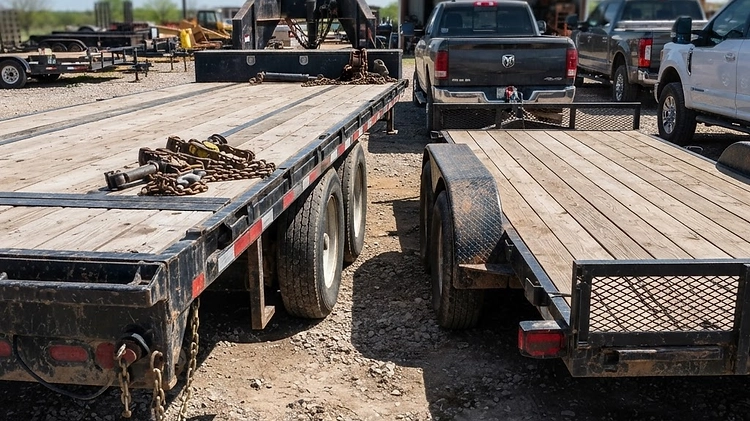
Choosing between a deckover trailer and a standard flatbed trailer is a critical decision for anyone hauling heavy equipment, wide loads, or palletized freight. While both offer open-deck versatility, their structural differences significantly impact how you load, what you can haul, and how the trailer handles on the road. This guide breaks down the key differences, benefits, and ideal use cases for each to help you make the right investment.
Understanding the Core Differences
The primary difference between a deckover trailer and a standard flatbed (often called an equipment trailer or drive-over fender trailer) lies in the placement of the deck relative to the wheels.
Standard Flatbed Trailers
On a standard flatbed, the deck sits lower to the ground, positioned between the wheel wells (fenders). This design provides a lower center of gravity and a gentler loading angle, making it ideal for driving equipment onto the deck. However, the usable width is restricted by the fenders, typically limiting the deck width to around 82 to 83 inches.
Deckover Trailers
As the name implies, a deckover trailer features a deck that rests entirely above the wheels. This eliminates the wheel wells from the cargo area, providing a completely flat, full-width deck (typically 96 to 102 inches wide). The trade-off is a higher deck height, which creates a steeper loading angle and raises the center of gravity.

When to Choose a Deckover Trailer
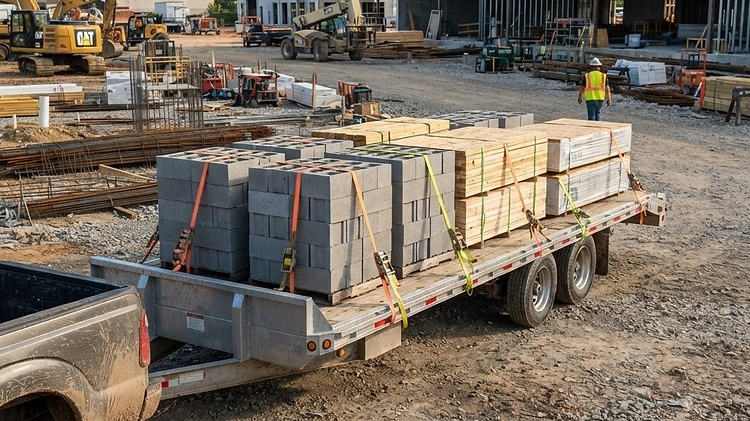
Deckover trailers excel in scenarios where width and side-loading capabilities are paramount.
Hauling Wide Loads
If you frequently transport wide equipment, such as large mower decks, utility tractors, or multiple ATVs side-by-side, the full 102-inch width of a deckover is invaluable. You don't have to worry about squeezing between fenders or damaging equipment on wheel wells.
Side Loading with Forklifts
For palletized freight, lumber, or construction materials, a deckover trailer is often the superior choice. The lack of fenders allows forklifts to load and unload cargo from the sides of the trailer, significantly speeding up operations and allowing for better weight distribution.
Complex and Oddly Shaped Cargo
When hauling irregularly shaped items, the flat, unobstructed surface of a deckover provides more flexibility for positioning and securing the load. You have access to the entire perimeter for tie-downs, making it easier to comply with DOT load securement regulations.
When to Choose a Standard Flatbed Trailer
Standard flatbeds are often preferred when hauling vehicles or equipment where a low loading angle and stability are the top priorities.
Low Ground Clearance Equipment
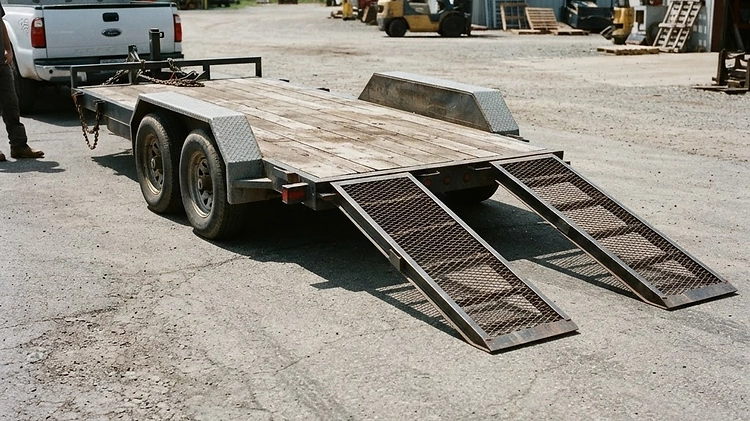
If you are hauling cars, scissor lifts, or equipment with low ground clearance, the lower deck height of a standard flatbed is crucial. The gentler ramp angle prevents the equipment from bottoming out or scraping during loading and unloading.

Better Stability and Handling
Because the load sits lower to the ground, standard flatbeds have a lower center of gravity. This translates to better stability on the road, reducing the risk of trailer sway, especially when hauling tall or top-heavy equipment.
Drive-Over Fenders
Some standard flatbeds come equipped with heavy-duty, drive-over fenders. This offers a compromise, allowing you to haul wider equipment (like dually trucks or wide-track skid steers) that can drive over the fenders while still maintaining the lower deck height for stability.
Key Specifications to Compare
When evaluating deckover vs. flatbed trailers, pay close attention to these specifications:
- Deck Height: Standard flatbeds typically have a deck height around 24-28 inches, while deckovers sit higher, often around 32-36 inches (though low-profile deckovers are available).
- Deck Width: Standard flatbeds are usually 82-83 inches wide between the fenders. Deckovers offer a full 96-102 inches of usable width.
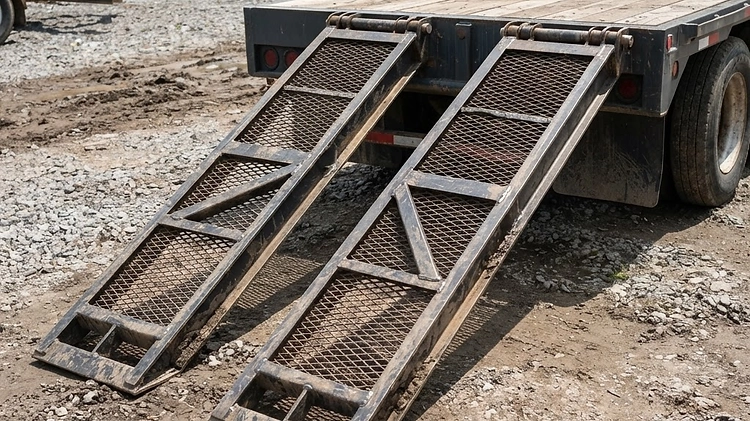
- Ramp Length and Style: Because of the higher deck, deckovers require longer ramps to achieve a manageable loading angle. Consider slide-in ramps, fold-up ramps, or a dovetail design.
- Payload Capacity: Both styles are available in various weight ratings (e.g., 10K, 14K, 22.5K GVWR). Ensure the trailer's payload capacity (GVWR minus the trailer's empty weight) exceeds the weight of your heaviest load.

Bottom Line
The choice between a deckover and a standard flatbed comes down to what you haul and how you load it. If you need maximum width and the ability to side-load pallets with a forklift, a deckover trailer is the clear winner. If you primarily haul vehicles or equipment that require a low loading angle and a low center of gravity, a standard flatbed is the safer, more practical choice.
Ready to find the perfect trailer for your operation? Explore our inventory of deckover trailers and flatbed trailers to see the options available, or check out our guides hub for more expert advice.
FAQ
Have Questions? We're Here to Help
Still unsure which trailer fits your needs, or need specs, pricing or delivery advice? The Prime Trail Trailers team is ready to answer your questions and help you find the right rig.