

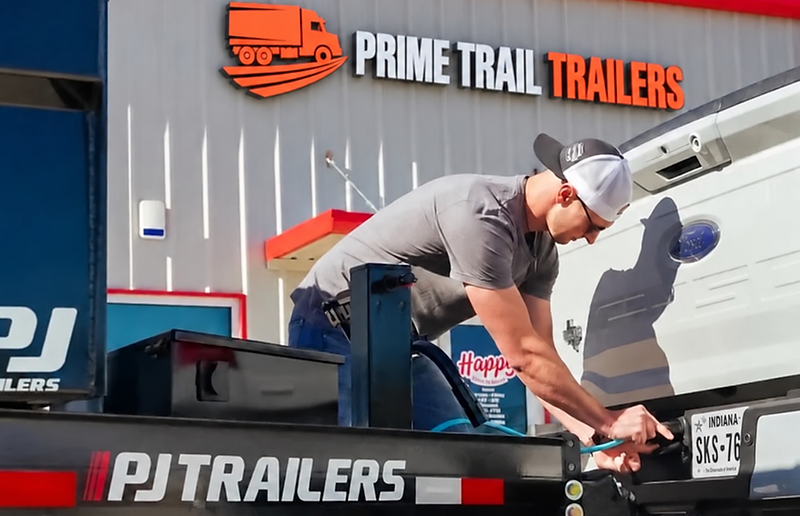
Buyer's Guide
How to Choose the Right Trailer
Buying a trailer is an investment in your work. This guide walks through the specs, decisions and trade-offs that separate a trailer that fits your job from one that just fits your budget — so you buy right the first time.
The Process
Six Steps to the Right Trailer
Follow this sequence and every later decision gets easier — each step narrows the field toward the trailer that fits your work.
Define Your Hauling Needs
List everything you plan to carry — equipment, materials, vehicles — and their combined weight. The load dictates every other decision.
Know Your Capacities
Compare GVWR, dry weight and payload capacity. Payload is what the trailer can safely carry; never spec a trailer to its absolute limit.
Match Your Tow Vehicle
Check your truck's tow rating, hitch class and payload. The trailer's GVWR must sit comfortably below what your vehicle is rated to pull.
Choose the Right Type
Utility, dump, enclosed, equipment, car hauler, gooseneck — each is built for a job. Match the trailer style to how you actually work.
Inspect Build Quality
Frame gauge, axle rating, suspension, brakes and floor material tell you how the trailer will hold up over years of use.
Compare Value, Not Just Price
A well-equipped trailer saves money on upgrades and repairs. Weigh features, warranty and dealer support against the sticker.
Spec Essentials
Understand Weights & Capacities
Three numbers define a trailer. A common mistake is buying a trailer whose GVWR barely covers the load, leaving no margin for ramp weight, fuel or gear. Aim for a payload capacity at least 10–15% above your heaviest expected load.
Axle count and axle rating add up to carrying ability, but the GVWR is the legal ceiling — you can't exceed it by adding more axles. Brakes, tires and suspension are all sized to the GVWR, so staying within it protects every component.
GVWR
Gross Vehicle Weight Rating — the maximum a fully loaded trailer can legally weigh, set by the manufacturer. This is the ceiling for trailer plus cargo combined.
Dry Weight
The weight of the empty trailer with no cargo, fuel or gear. Lower dry weight means more of your GVWR is available for actual payload.
Payload Capacity
GVWR minus dry weight — the real cargo you can carry. Always leave a 10–15% safety margin for gear, fluids and ramp weight.
Tow Vehicle
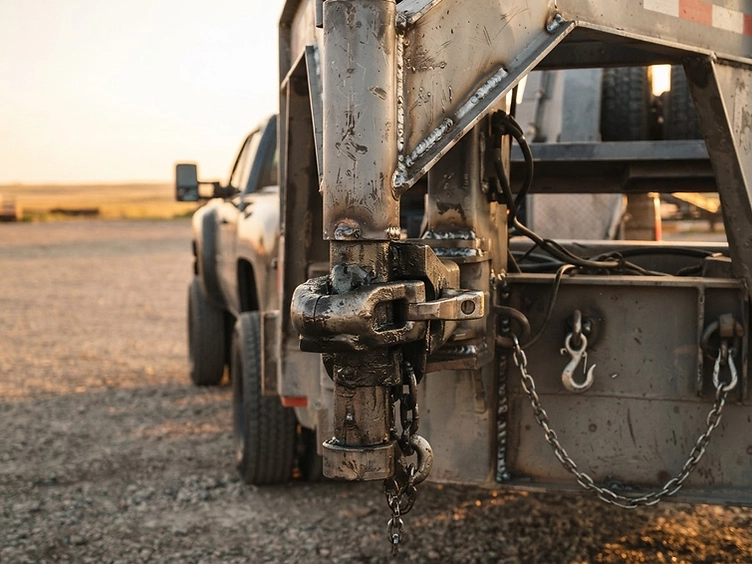
Match Your Tow Vehicle
Your truck's tow rating is the starting point, not the only number that matters. Tongue weight (typically 10–15% of the loaded trailer weight for bumper-pulls) counts against your truck's payload capacity, and the hitch receiver has its own rating.
Always tow with a margin. A trailer you can comfortably control is safer and lasts longer.

Trailer Types
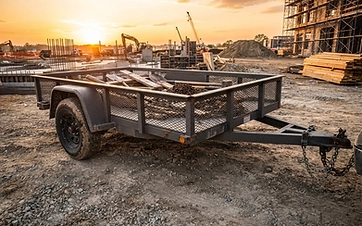
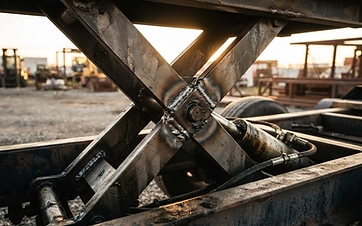
Match the Trailer to the Job
Each trailer type is engineered for a specific way of working. Pick the style that matches how you load, unload and haul day to day.



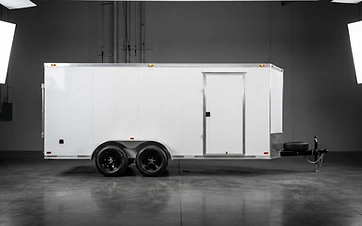

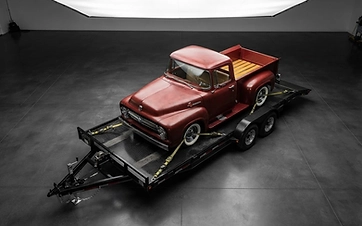

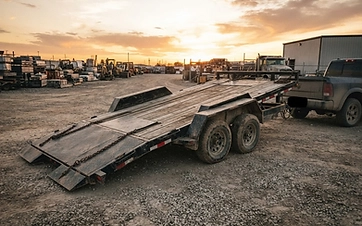

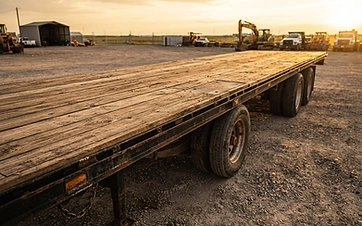
The Decision
New vs. Used
Both have a place. The right call depends on how hard the trailer works, your budget, and how much uncertainty you want to absorb.
Buy New
- Latest features and configurations
- Full manufacturer warranty
- No hidden wear or repair surprises
- Ideal for daily or commercial use
Buy Used
- Lower upfront cost
- Slower depreciation curve
- Inspect tires, brakes, floor and wiring
- Best for lighter or occasional use
Build Quality
Features That Matter
The details that separate a trailer that lasts from one that loosens up after a season.
Frame & Construction
Thicker steel gauge and closer cross-member spacing add rigidity and distribute load better under heavy use.
Brakes & Breakaway
Electric brakes with a breakaway kit are essential on larger trailers and legally required in most states.
Floor Material
Treated wood, aluminum or steel each trade weight, grip and durability — match it to your cargo.
Ramps & Tie-Downs
Ramp length, capacity and storage affect how easily you load equipment and secure it for transport.
Suspension
Leaf spring vs. torsion axle changes ride quality, load rating, ground clearance and maintenance.
Lighting & Wiring
Sealed LED lighting and weather-protected wiring prevent corrosion and roadside failures.
Avoid These
Common Mistakes to Avoid
Most trailer regret comes from a handful of repeatable errors. Run your shortlist against this list before you buy.
Pre-Purchase Inspection Checklist
Take this to the lot. Every item should check out before money changes hands.
Budgeting
Budget for the Whole Package
The sticker price is the start, not the total. A well-equipped trailer saves money on upgrades and repairs down the road. Factor in the hitch and brake controller, registration and taxes, delivery, and a reserve for tires and brakes within the first few years.
We accept credit and debit cards (Visa, Mastercard, Amex, Discover), wire transfer, and ACH for all orders. If you plan to finance through your bank or credit union, we are happy to provide the purchase details you need for your loan application.
Hitch & brake controller
Delivery to your ZIP
Tires & brake reserve
Buyer's Guide FAQ
What size trailer do I need?
Size your trailer to your largest typical load plus a safety margin. Measure the longest and widest item you'll carry, allow room for tie-downs and loading ramps, and choose a deck length and width that accommodates that load without overhang.
What is the difference between GVWR and payload capacity?
GVWR (Gross Vehicle Weight Rating) is the maximum a fully loaded trailer can weigh — trailer plus cargo. Dry weight is the empty trailer. Payload capacity is GVWR minus dry weight: the actual weight of cargo the trailer can safely carry.
Do I need a brake controller?
Most states require trailer brakes on trailers over a certain weight (commonly 1,500–3,000 lbs of GVWR). If your trailer has electric brakes, your tow vehicle needs a compatible brake controller installed and adjusted.
Should I buy a new or used trailer?
New trailers offer the latest features, manufacturer warranty and no hidden wear. Used trailers cost less upfront but may need tires, brakes or floor work. We inspect every used unit and can help you weigh condition against savings.
What hitch does my truck need?
Bumper-pull trailers use a ball mount on a receiver hitch rated for the trailer's tongue weight. Gooseneck and fifth-wheel trailers need a hitch mounted in the truck bed. Match the hitch class and rating to your loaded tongue weight.
How much trailer can my truck tow?
Check your vehicle's tow rating and payload capacity. The loaded trailer's GVWR should sit comfortably below the tow rating, and tongue weight must fit within your truck's payload. Always tow with a margin for safety and control.
Do you help me choose the right trailer?
Yes. Tell us what you haul, your tow vehicle and your budget, and we'll match you to the right type, size and configuration. Reach out through our contact page or visit the lot.
What should I check before buying a used trailer?
Inspect tires (including the DOT date code), brakes and breakaway battery, floor integrity, frame welds, suspension, lighting and wiring, ramp operation and the title/VIN. Our pre-purchase inspection checklist above covers every point.
Ready to Find Your Trailer?
Put this guide to work. Browse our inspected inventory or let our team match you to the right rig.