Scissor Hoist vs. Telescopic Cylinder Dump Trailers: Lifting Mechanisms Explained
Compare scissor hoists, telescopic cylinders, and direct push dump trailer lifting mechanisms to find the right hydraulic system for your hauling needs.
Prime Trail Trailers Published 2026-09-27Updated 2026-09-27T07:03:00.730000
Choosing the right hydraulic hoist determines your dump trailer's lifting power and stability.
<p>When investing in a dump trailer, the hydraulic lifting mechanism is the heartbeat of your operation. Choosing between a scissor hoist, a telescopic cylinder, or a direct push system dictates your trailer's lifting capacity, stability on uneven ground, and long-term maintenance costs. This guide breaks down the engineering behind each system so you can make an informed decision for your commercial or residential hauling needs.</p><h2>Understanding Dump Trailer Lifting Mechanisms</h2><p>Dump trailers rely on hydraulic pressure to raise the bed and discharge heavy loads like gravel, dirt, or construction debris. The <a href="https://primetrailtrailers.com/guides/dump-trailer-hydraulic-fluid-guide/">hydraulic fluid</a> is pumped into a cylinder, extending the ram and lifting the box. However, the geometry of how that cylinder pushes against the trailer frame varies significantly between designs.</p>
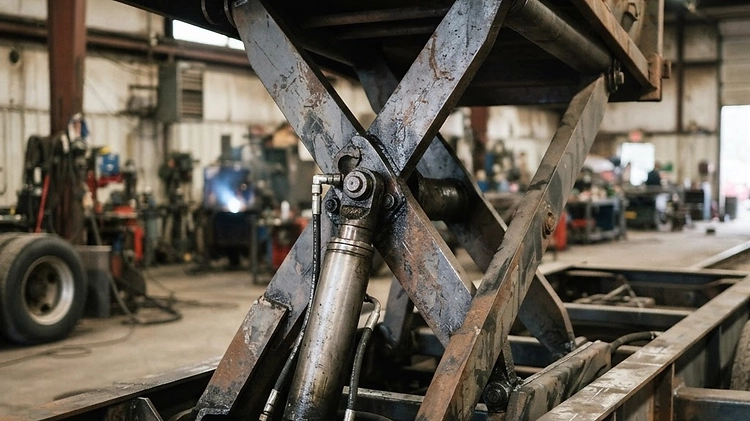
Scissor hoists provide excellent leverage and stability for uneven loads.
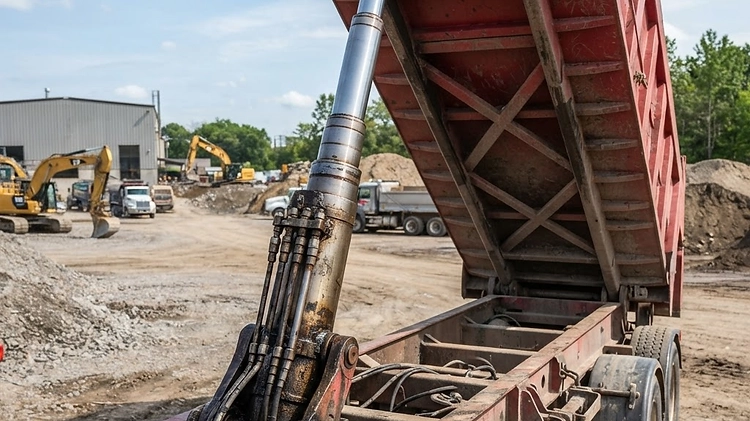
<h2>The Scissor Hoist System: Pros, Cons, and Best Uses</h2><p>A scissor hoist uses a single hydraulic cylinder mounted horizontally or at a slight angle, pushing against a scissor-like steel mechanism. As the cylinder extends, the scissor arms open, forcing the trailer bed upward. This design provides maximum leverage at the beginning of the lift, which is crucial when the load is flat and at its heaviest.</p><p><strong>Pros:</strong> Scissor hoists offer exceptional stability, reducing the risk of the trailer bed twisting or racking if the load is unevenly distributed. They are highly durable and provide a smooth, consistent lifting arc. <strong>Cons:</strong> They add significant weight to the trailer, slightly reducing your overall payload capacity. They also require more vertical clearance under the bed.</p><h2>Telescopic Cylinders: Pros, Cons, and Best Uses</h2><p>Telescopic cylinders, often mounted at the front center of the trailer bed, feature multiple nested stages that extend one after the other. This design allows for a very long stroke from a compact retracted position.</p>
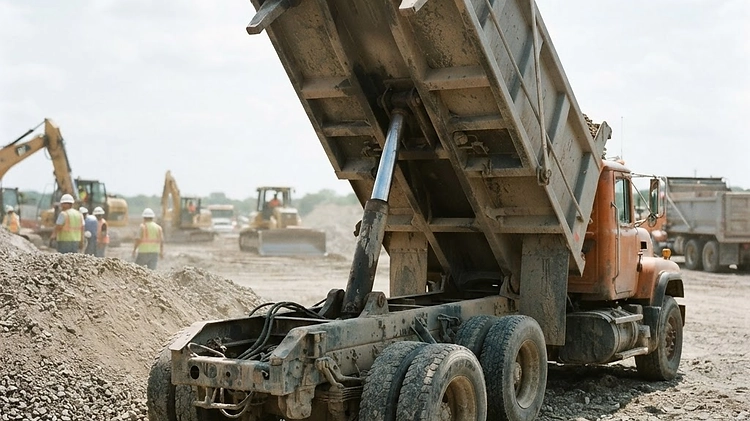
Telescopic cylinders offer a long lifting stroke and maximize payload capacity.
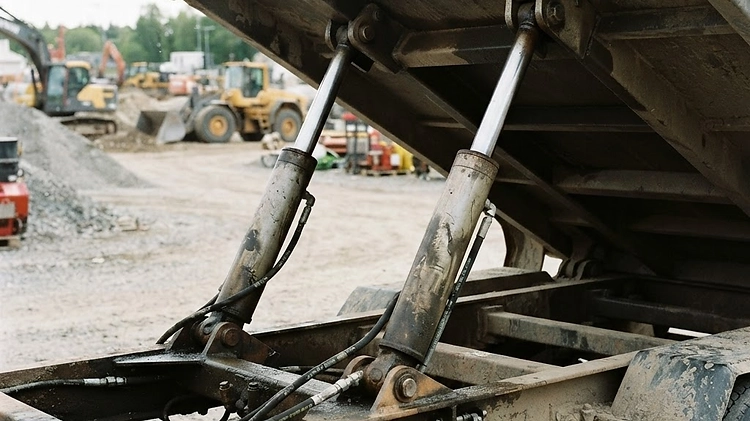
<p><strong>Pros:</strong> Telescopic systems are lighter than scissor hoists, maximizing your payload capacity. They also push directly upward on the front of the box, which is highly efficient for lifting massive loads. <strong>Cons:</strong> Because they extend so high, they are more susceptible to side-loading and bending if the trailer is parked on uneven ground. <a href="https://primetrailtrailers.com/guides/dump-trailer-hydraulic-cylinder-maintenance-guide/">Mis-staging</a> can also occur if the system is operated above recommended RPMs, potentially damaging the cylinder.</p><h2>Direct Push (Dual Cylinder) Systems</h2><p>Direct push systems use two smaller hydraulic cylinders mounted on either side of the trailer frame, pushing directly against the bottom of the bed. This is common on smaller or entry-level <a href="https://primetrailtrailers.com/trailers/dump-trailers/">dump trailers</a>.</p><p><strong>Pros:</strong> Simple design, easy to access for maintenance, and cost-effective. <strong>Cons:</strong> If one cylinder lifts slightly faster than the other (due to uneven load or hydraulic flow issues), it can cause the bed to twist, potentially damaging the frame. They also offer less initial lifting leverage compared to a scissor hoist.</p>
Direct push systems use two cylinders to lift the bed, common on smaller trailers.
<h2>Key Specifications to Compare</h2><ul><li><strong>Lifting Capacity:</strong> Ensure the hoist is rated for the trailer's GVWR.</li><li><strong>Cycle Time:</strong> Telescopic cylinders often require more fluid and may have slower cycle times depending on the pump.</li><li><strong>Stability:</strong> Scissor hoists win on uneven terrain.</li></ul><h2>Maintenance Differences: Keeping Your Hoist Running</h2><p>Regardless of the system, regular maintenance is non-negotiable. You must regularly check your <a href="https://primetrailtrailers.com/guides/dump-trailer-battery-charging-system-guide/">battery charging system</a>, as a weak battery is the leading cause of a slow or clicking motor. For scissor hoists, grease all pivot points monthly. For telescopic cylinders, inspect the seals between stages for leaks and ensure the fluid is free of air to prevent jerky movements. If you are operating <a href="https://primetrailtrailers.com/locations/trailers-for-sale-in-texas/">trailers for sale in Texas</a> or other hot climates, ensure you are using the correct viscosity hydraulic oil.</p><h2>Bottom Line</h2><p>If you prioritize stability and frequently dump on uneven jobsites, a scissor hoist is your best bet. If you need to maximize payload and haul massive, centered loads, a front-mount telescopic cylinder is ideal. For smaller, budget-friendly residential tasks, a direct push system will get the job done. Ready to upgrade? Explore our inventory of <a href="https://primetrailtrailers.com/trailers/equipment-trailers/">equipment trailers</a> and <a href="https://primetrailtrailers.com/shop/2026-iron-bull-iron-bull-7x14-14-yard-rb-roll-off-dumpster-bin-gray-rb14ib-gry/">roll-off bins</a>, or visit our <a href="https://primetrailtrailers.com/guides/">guides hub</a> for more expert advice. Check out our <a href="https://primetrailtrailers.com/guides/tilt-trailer-vs-ramps-equipment-hauling/">tilt trailer vs ramps guide</a> for more equipment hauling comparisons.</p>
FAQ
Have Questions? We're Here to Help
Still unsure which trailer fits your needs, or need specs, pricing or delivery advice? The Prime Trail Trailers team is ready to answer your questions and help you find the right rig.