
Trailer Breakaway Systems: Maintenance, Battery Testing & DOT Compliance Guide
Learn how to maintain, test, and troubleshoot your trailer breakaway system to ensure DOT compliance and maximum towing safety.
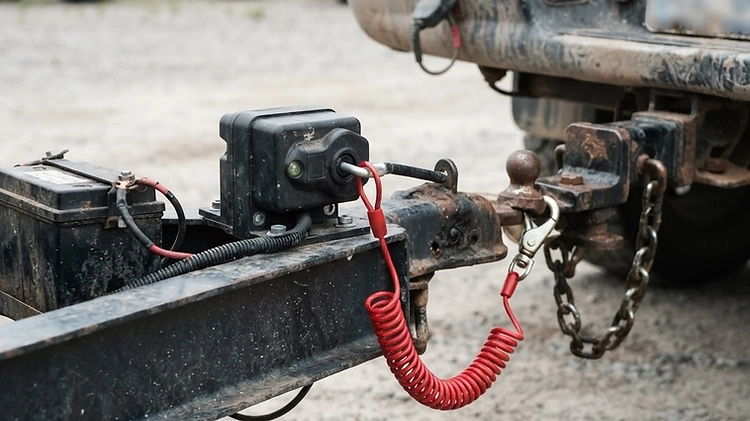
A functional trailer breakaway system is your last line of defense if your trailer disconnects from the tow vehicle at highway speeds. Federal DOT regulations and state laws strictly mandate these emergency braking systems for most trailers over 3,000 lbs GVWR, making regular maintenance essential for both safety and legal compliance.
Understanding Trailer Breakaway Systems and DOT Regulations
Under Federal Motor Carrier Safety Administration (FMCSA) regulation 49 CFR 393.43, every trailer required to have brakes must be equipped with a breakaway system that applies automatically and immediately upon separation from the towing vehicle. This system consists of a battery, a switch with a pull pin, and a lanyard attached to the tow vehicle. When the pin is pulled, the battery sends a full 12-volt charge directly to the trailer's electric brakes, bringing the runaway trailer to a safe stop.
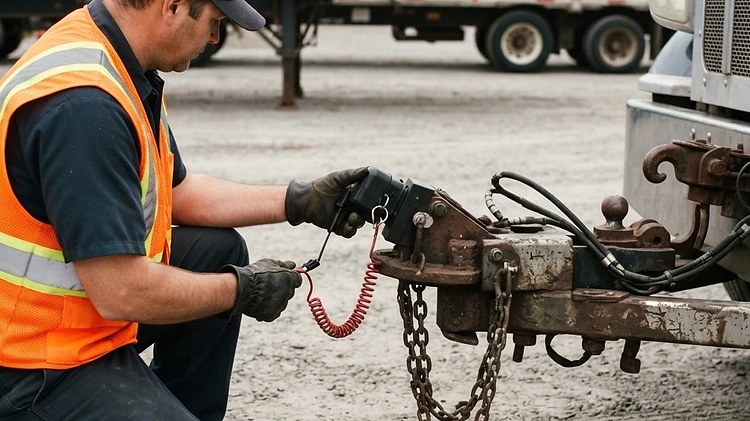
Compliance isn't just a federal issue; state laws vary significantly. For instance, if you are looking for trailers for sale in California, you must ensure the breakaway system is rated for the trailer's GVWR and functions perfectly to avoid steep fines and impoundment. Similarly, commercial operators running trailers for sale in Texas face strict enforcement during roadside DOT inspections. For a complete overview of maintenance best practices, visit our guides hub.
Key Specifications: What to Look For in a Breakaway Kit
When inspecting or upgrading your breakaway system, several key components determine its reliability and compliance. Whether you are hauling a heavy-duty 2027 PJ T6 7x20 Gooseneck Gravity Tilt Equipment Trailer or a standard utility model, the breakaway kit must meet specific standards.
- Battery Capacity: Must be a 12-volt sealed lead-acid battery capable of holding the brakes applied for at least 15 minutes.
- Integrated Charger: Look for systems that charge the breakaway battery via the 7-way plug's auxiliary power line while towing.
- Switch Durability: Weather-resistant nylon or reinforced plastic switches prevent internal corrosion.
- Lanyard Cable: Coiled steel cables are vastly superior to straight nylon lanyards, as they prevent dragging and accidental pin pulls.
Step-by-Step Breakaway Battery Testing and Maintenance
Routine testing is the only way to guarantee your emergency brakes will deploy when needed. This should be part of your comprehensive maintenance routine, alongside checking your trailer tire load range and PSI and performing trailer suspension maintenance.

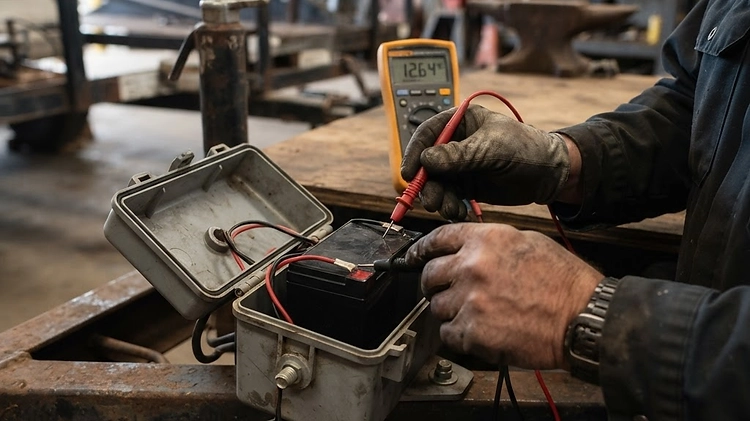
First, disconnect the trailer's 7-way plug from the tow vehicle to isolate the breakaway battery. Next, pull the breakaway pin completely out of the switch. You should immediately hear the electric brake magnets hum and click against the armature plates. Attempt to pull the trailer forward slightly with the tow vehicle; the trailer wheels should lock up and drag. Finally, use a multimeter to test the battery voltage—it should read at least 12.4 volts. If it drops significantly under load, the battery must be replaced.
Common Breakaway System Failures and Troubleshooting
The most frequent cause of breakaway failure is a dead or degraded battery. Because these small 12V batteries sit idle for long periods, they are prone to sulfation. If your trailer lacks an integrated charger, you must manually charge the battery periodically.
Another common issue is a corroded switch. Moisture can penetrate the switch housing, causing the internal contacts to rust and fail to close the circuit when the pin is pulled. Inspect the wiring for pinches or frays, particularly where the wires route through the trailer frame. Proper trailer rust prevention and frame maintenance can help protect these vital electrical connections.
State and Federal Compliance for Commercial Hauling
For commercial hotshot drivers and heavy equipment haulers, a non-functional breakaway system is an automatic out-of-service violation. If you are operating equipment trailers or dump trailers, inspectors will routinely pull the breakaway pin during Level 1 inspections.

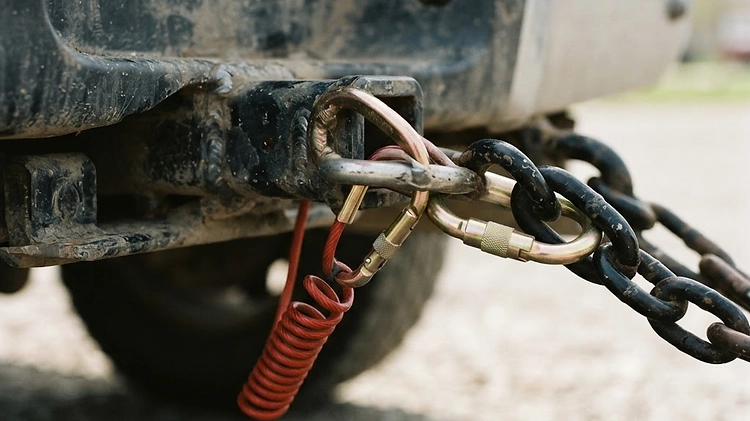
Ensure your lanyard is attached to a structural component of the tow vehicle—such as the hitch receiver frame or a dedicated loop on a 2026 BEDBOSS Dually ArmorBed Flatbed Truck Bed—and never to the removable ball mount or safety chains.
Bottom Line
Maintaining your trailer's breakaway system is a non-negotiable aspect of towing safety and DOT compliance. A simple monthly pull-test and voltage check can prevent catastrophic accidents and costly fines. For more high-quality trailers equipped with premium safety features, browse our complete shop inventory today.
FAQ
Have Questions? We're Here to Help
Still unsure which trailer fits your needs, or need specs, pricing or delivery advice? The Prime Trail Trailers team is ready to answer your questions and help you find the right rig.