
 PRIME TRAIL TRAILERS
New
Dump Trailers2025
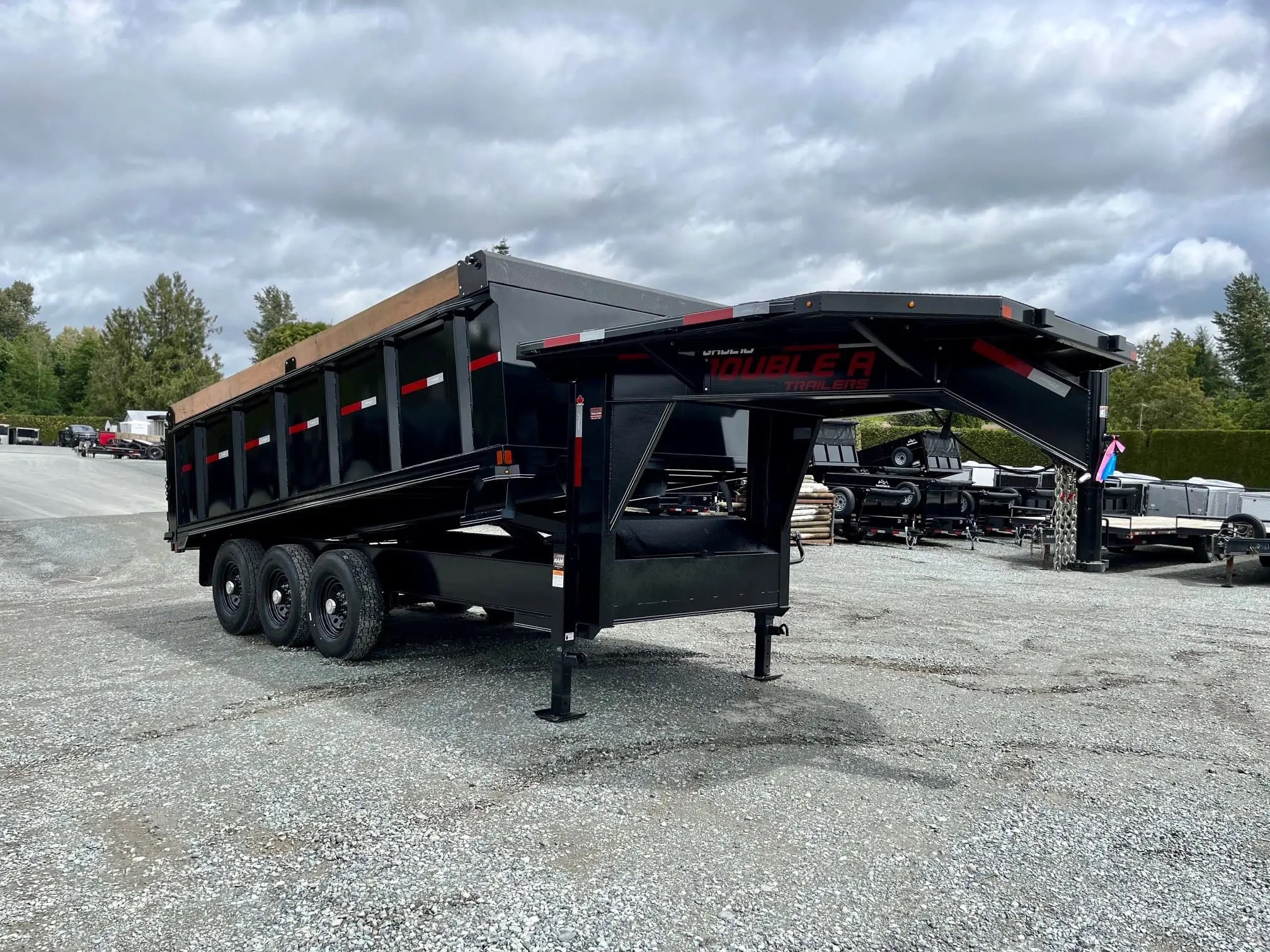
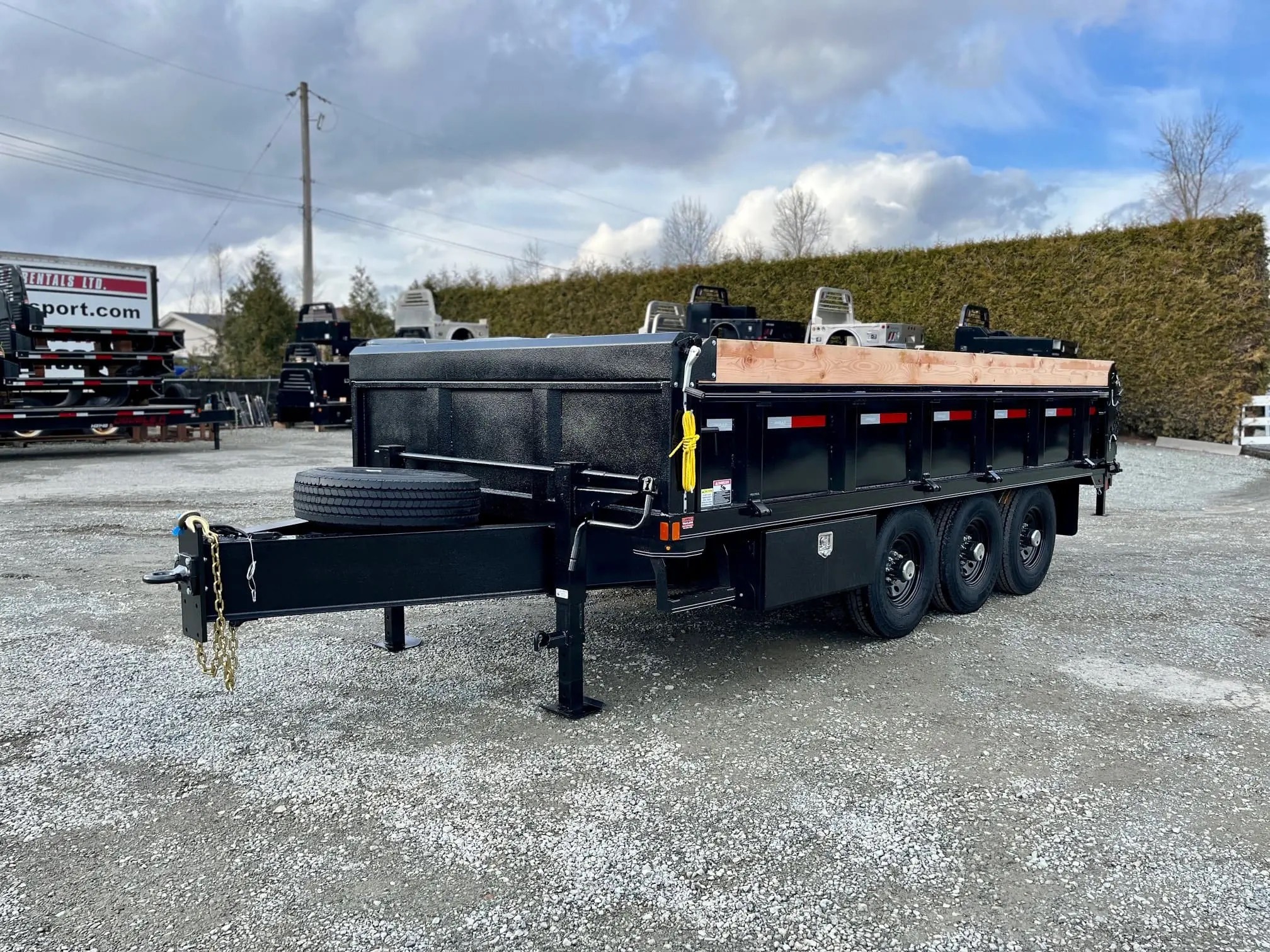
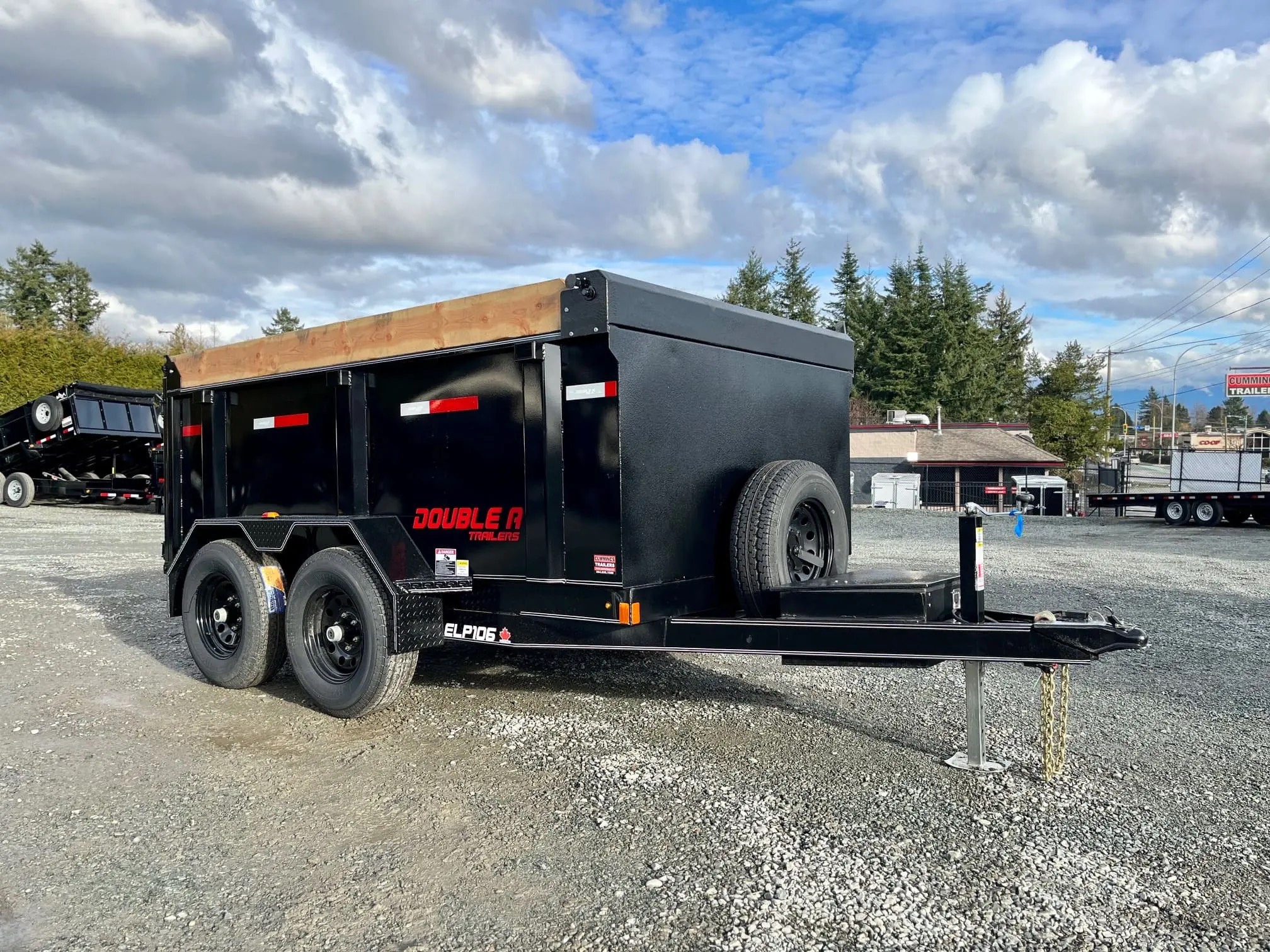
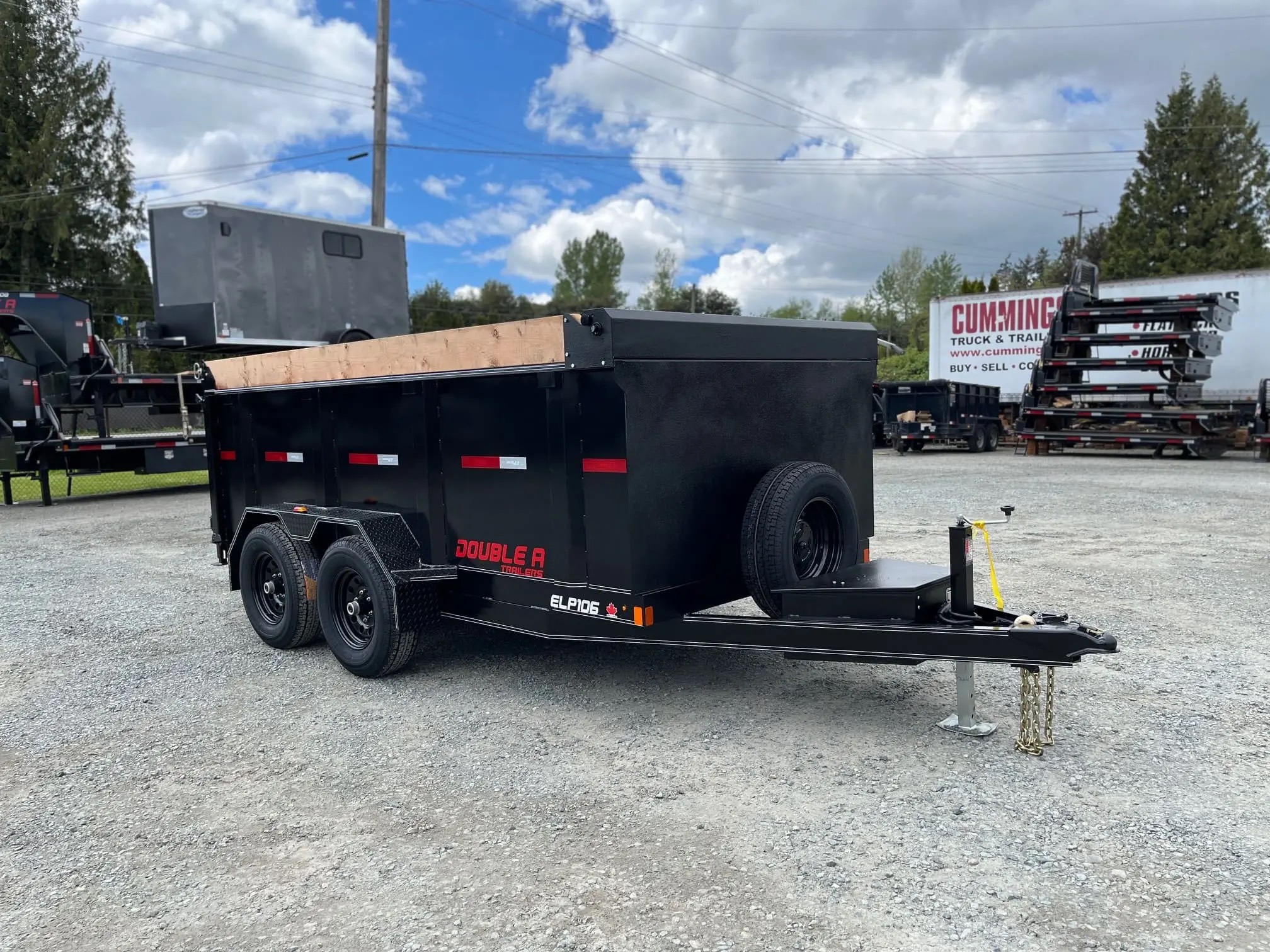
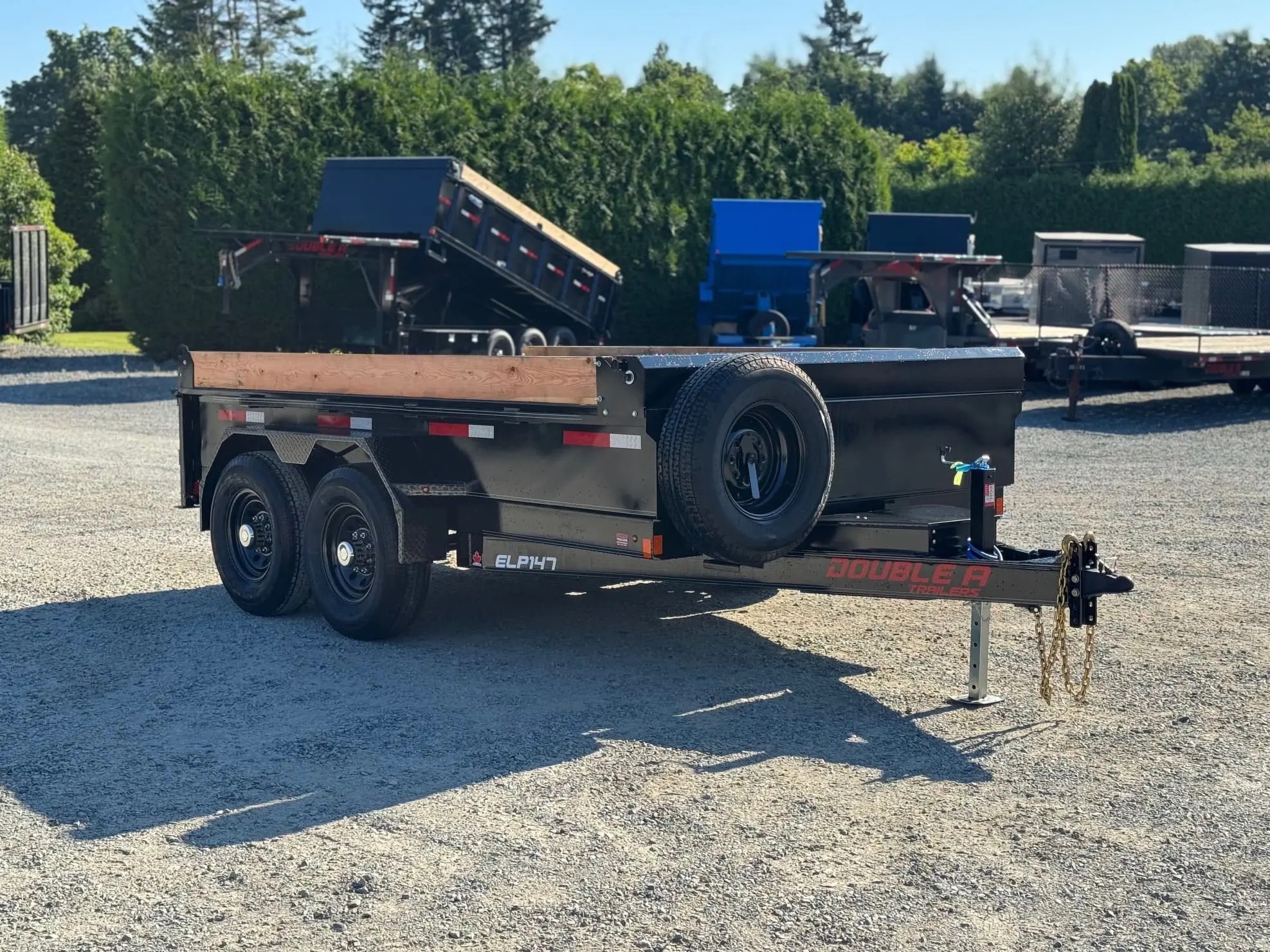
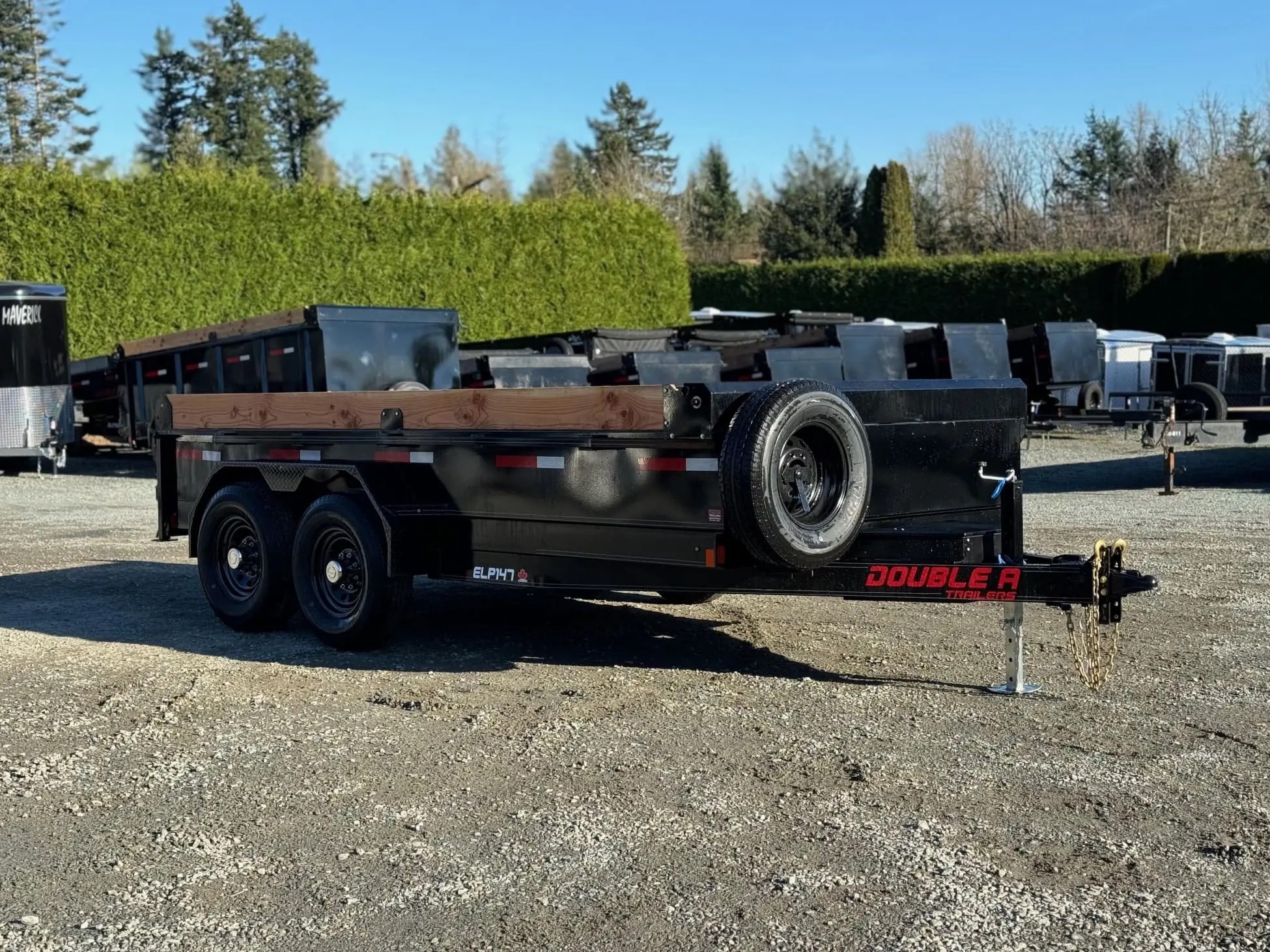
Double-A Double-A 8′ X 16′ Deck-Over Gooseneck Dump Trailer w/ High Sides, Upper Deck (23,000LBS GVW – 36″ Sides)
- Length:
- 16′
- GVWR:
- 23,000 lb
- Axles:
- 3
$20,000
In Stock
Trailer Type
Dump trailers use a hydraulic cylinder to tilt the bed and dump loose material — gravel, dirt, mulch, demolition debris, asphalt — in seconds instead of shoveling. Available in bumper-pull and gooseneck configurations from 5,000 to 20,000+ lb GVWR, they're the most efficient way to move bulk loads for landscapers, contractors, farmers and property owners.
15 trailers
15 trailers available
PRIME TRAIL TRAILERS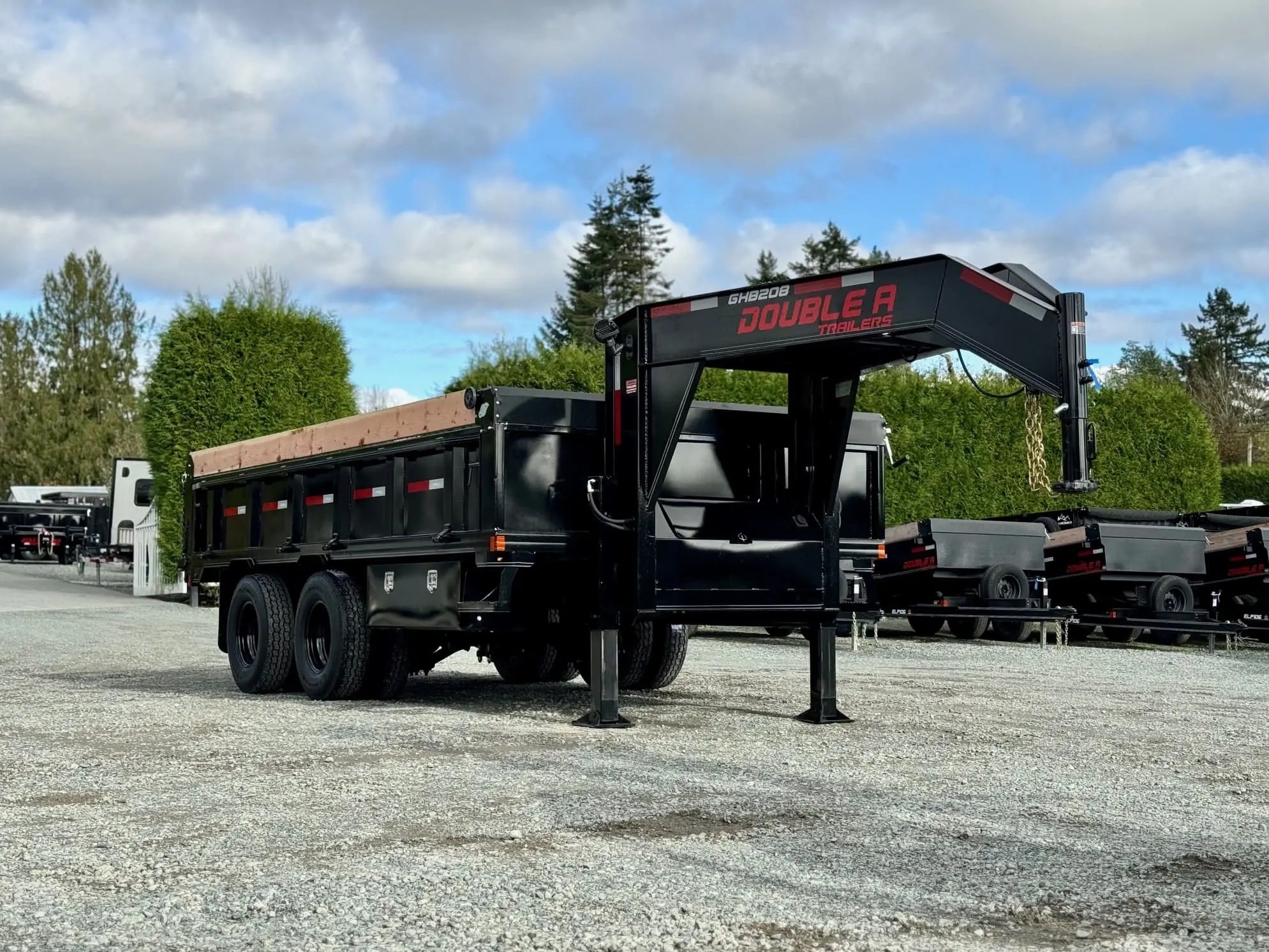 PRIME TRAIL TRAILERS
 PRIME TRAIL TRAILERS
 PRIME TRAIL TRAILERS
 PRIME TRAIL TRAILERS
 PRIME TRAIL TRAILERS
 PRIME TRAIL TRAILERS
 PRIME TRAIL TRAILERS
 PRIME TRAIL TRAILERS
 PRIME TRAIL TRAILERS
 PRIME TRAIL TRAILERS
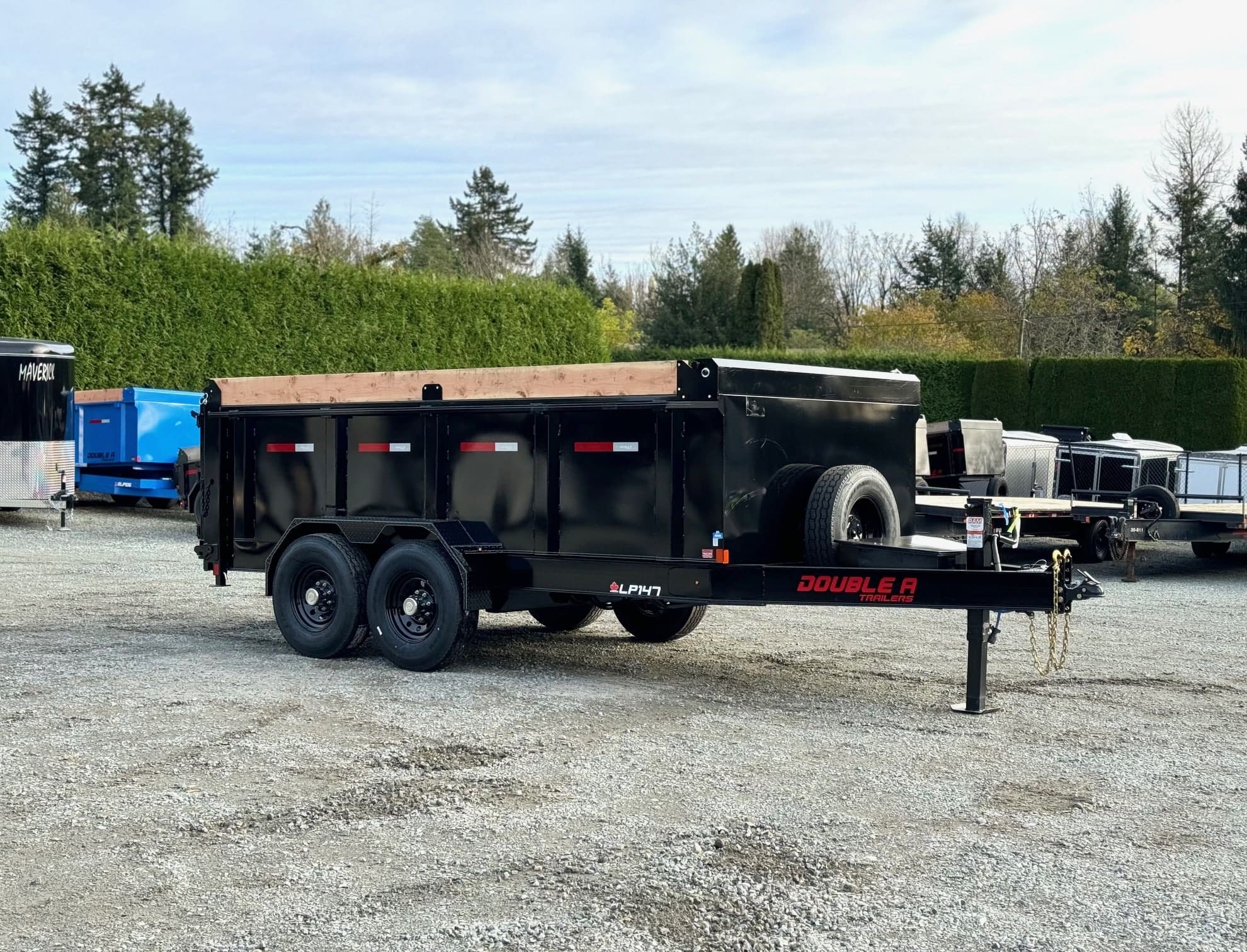 PRIME TRAIL TRAILERS
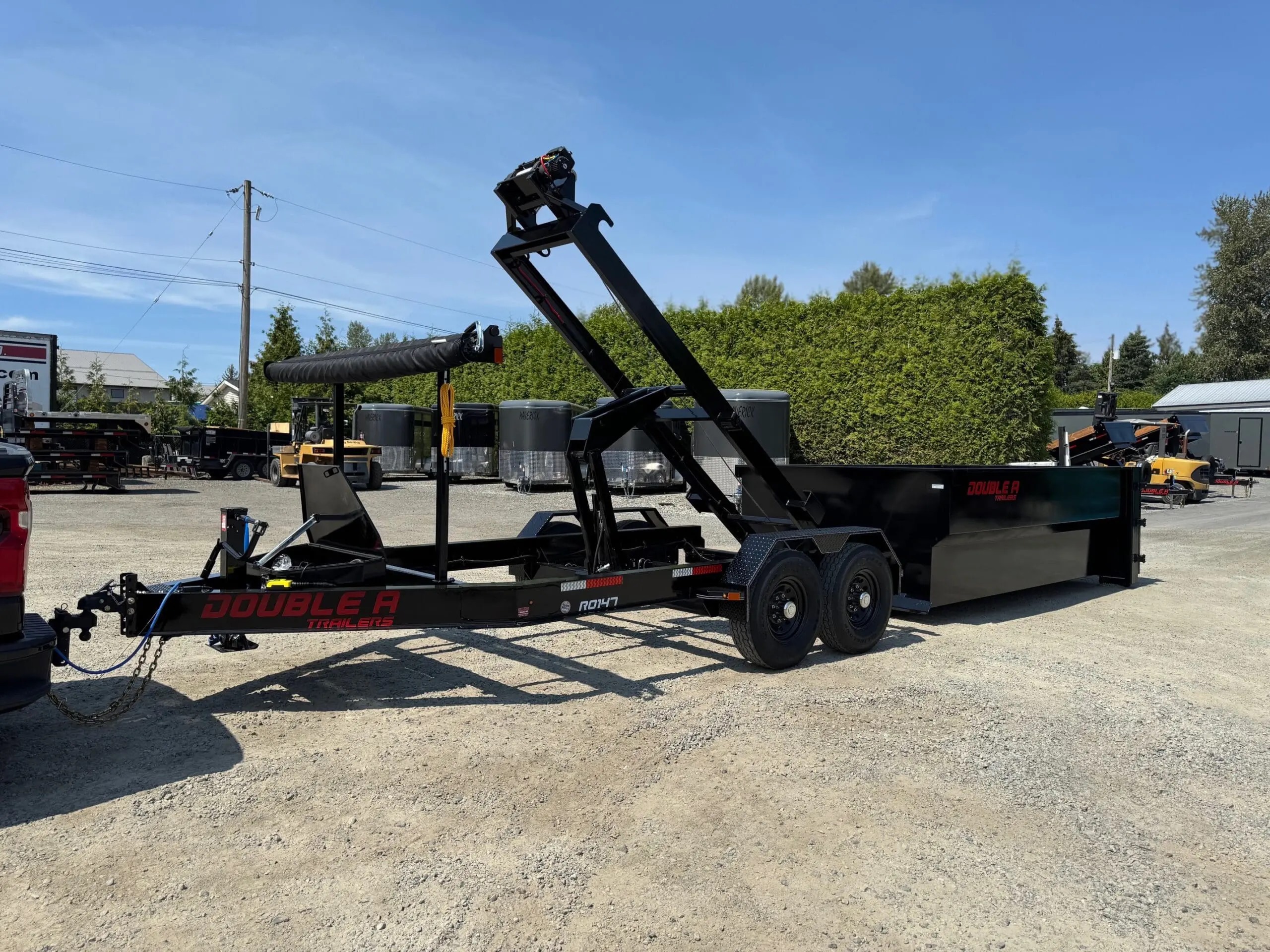 PRIME TRAIL TRAILERS
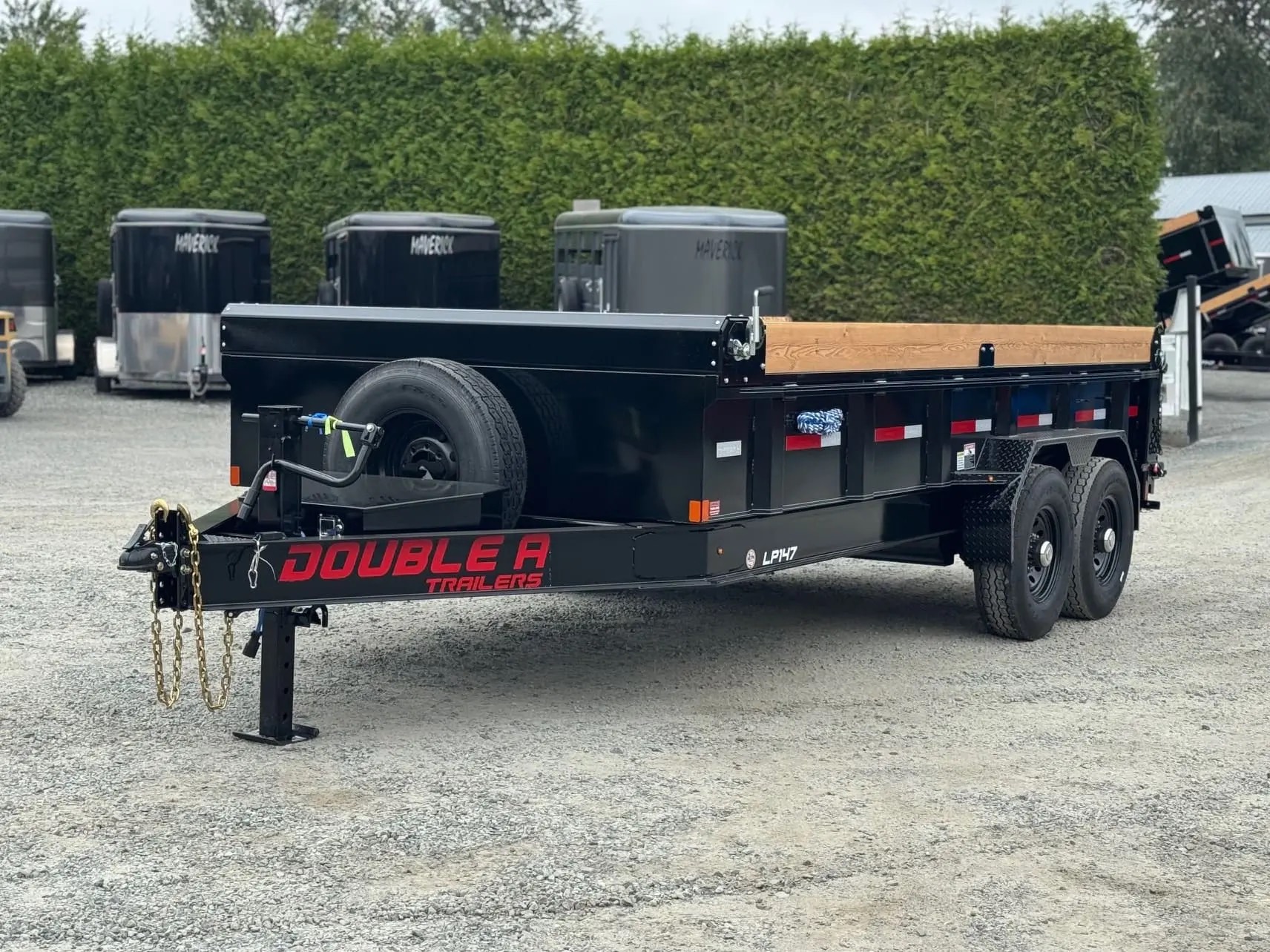 PRIME TRAIL TRAILERS
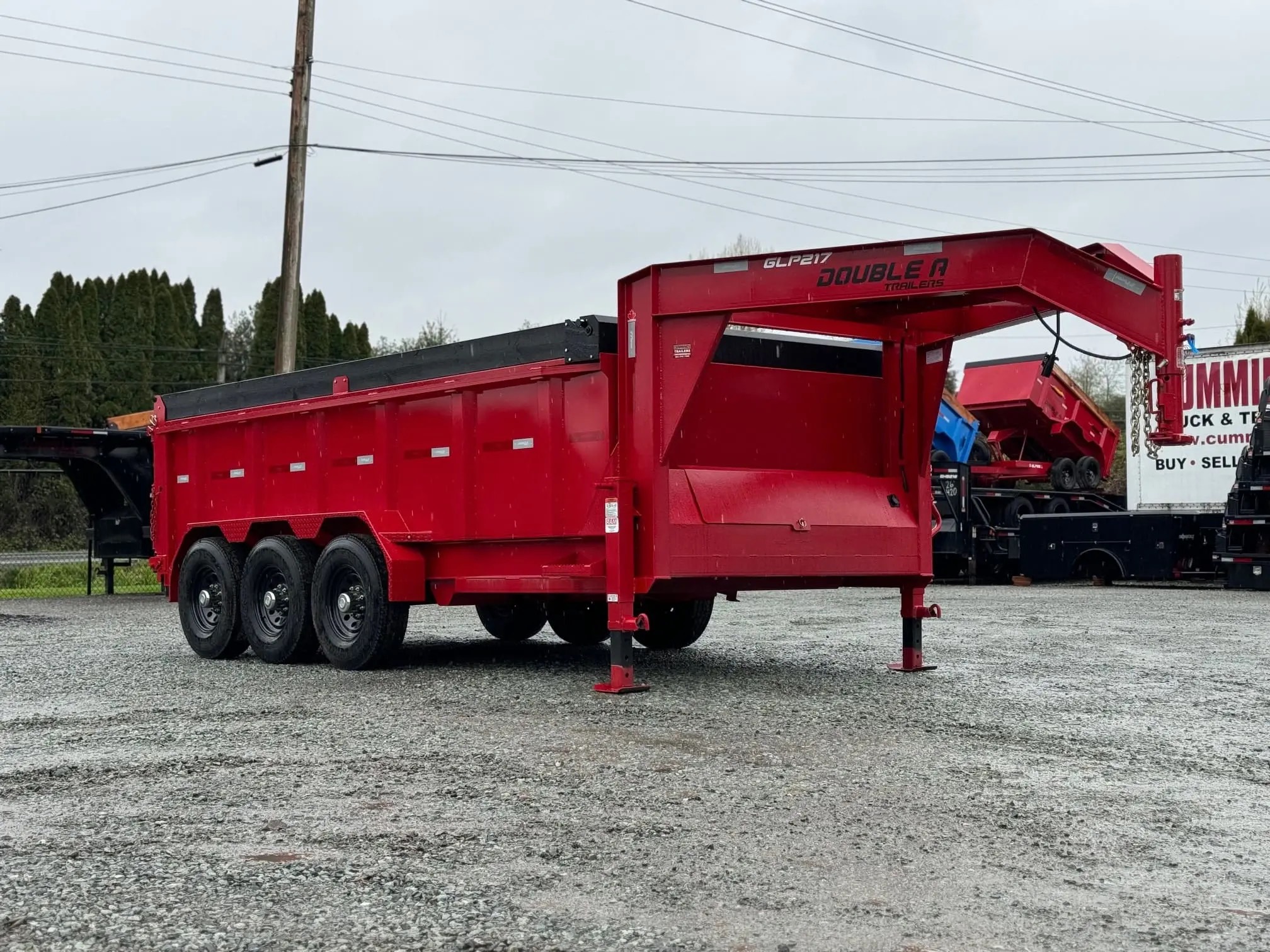 PRIME TRAIL TRAILERS
A hydraulic cylinder powered by an onboard battery and pump lifts the front of the bed, tilting the load out the rear through a tailgate that opens top-and-bottom or barn-door style. The scissor-lift geometry on heavier units provides more lifting force at lower angles, while single-cylinder designs are simpler and lighter for smaller trailers.
Estimate by cubic yards: a 5x8 dump holds about 2.5 yards, a 6x10 about 4 yards, and a 7x14 about 7 yards. A full cubic yard of gravel weighs roughly 2,800 lb, so a 7x14 loaded with gravel can approach 10 tons — make sure your tow vehicle and the trailer's GVWR can handle it.
Bumper-pull dumps up to about 14,000 lb GVWR are easy to hitch and work well behind a pickup. Gooseneck dumps carry more (often 14,000–25,000 lb GVWR), distribute weight better over the truck's rear axle, and are more stable at highway speeds — the right call for commercial haulers and farms moving big loads.