
 PRIME TRAIL TRAILERS
New
Gooseneck Trailers2025
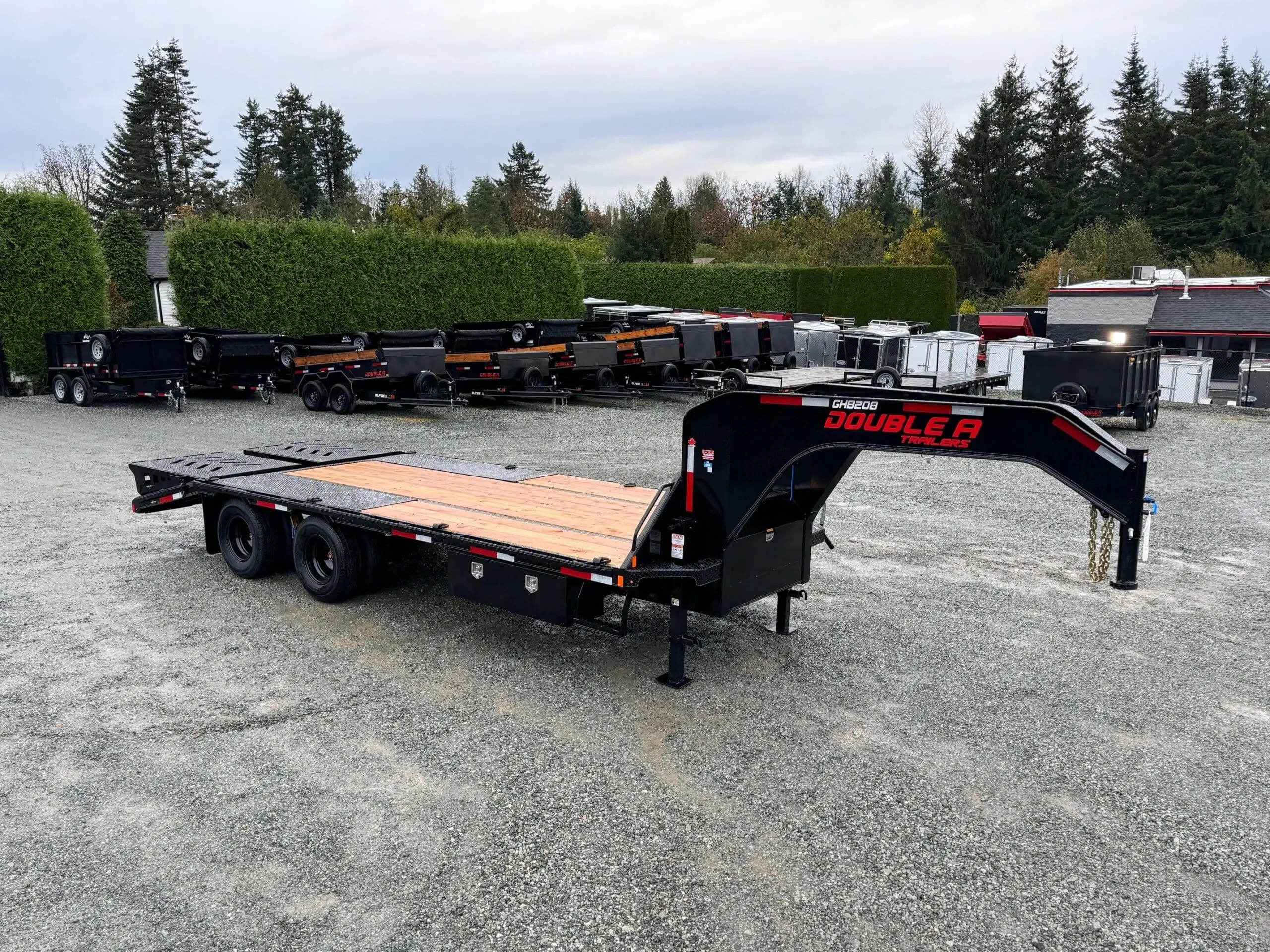
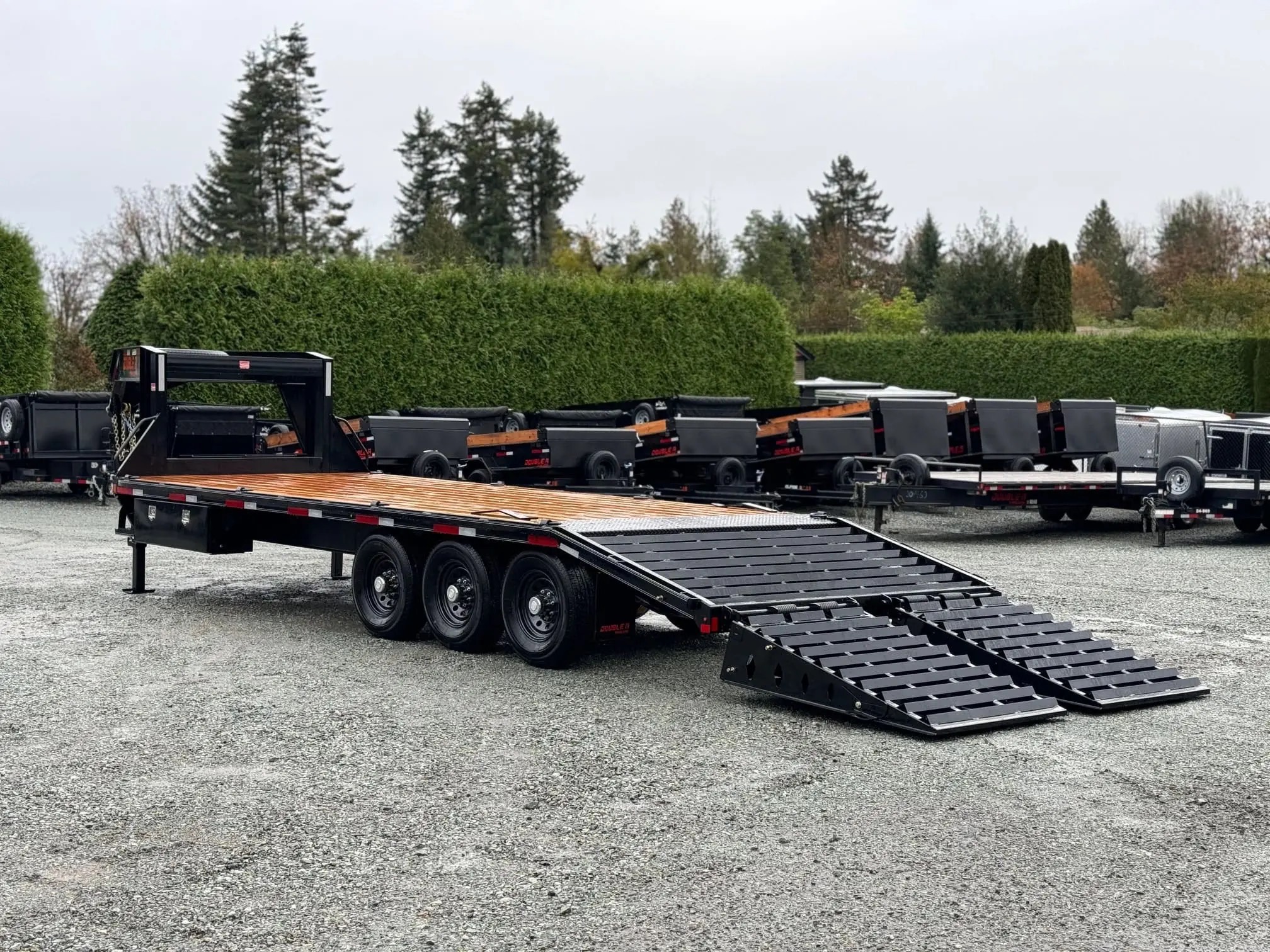
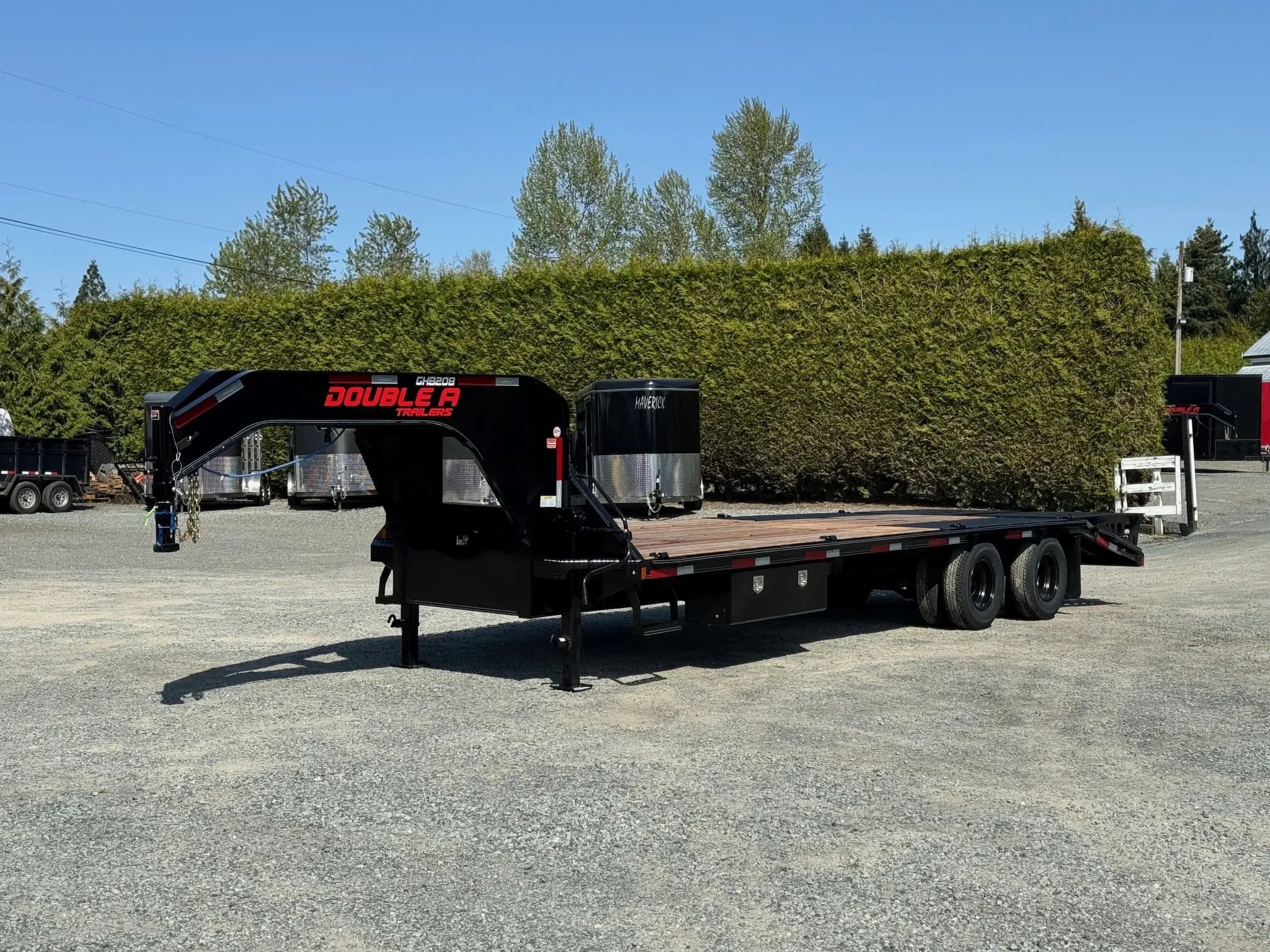
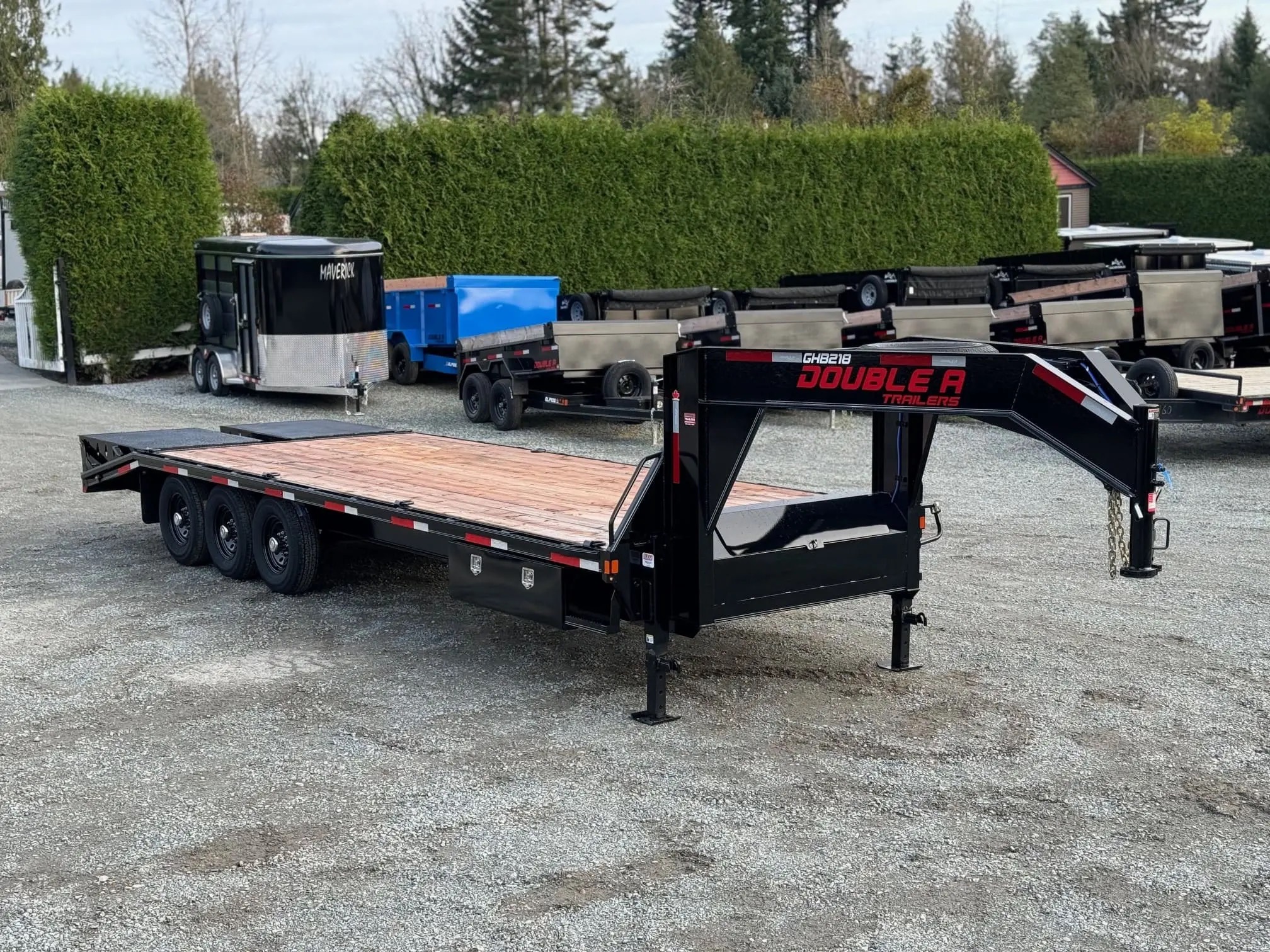
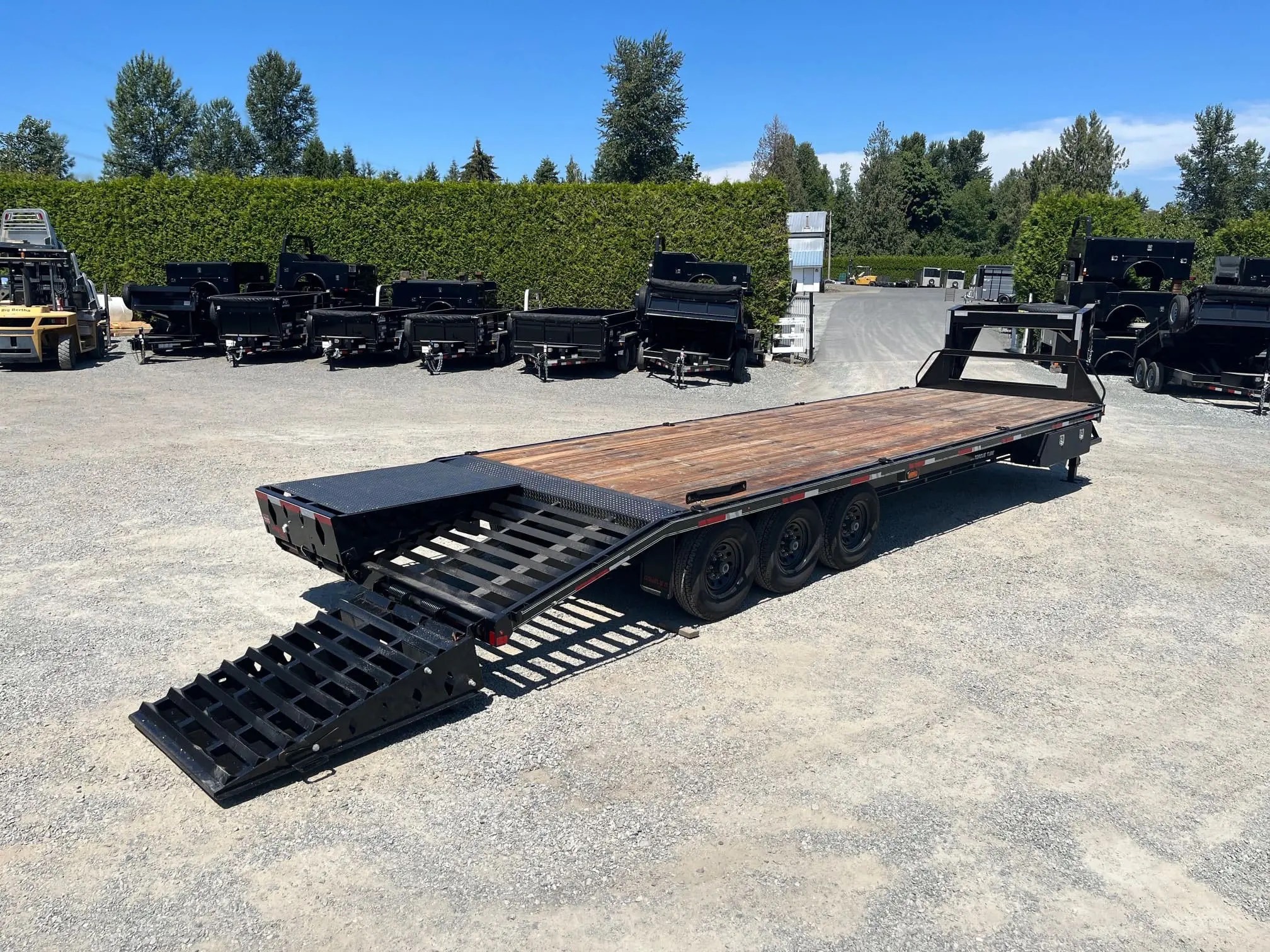
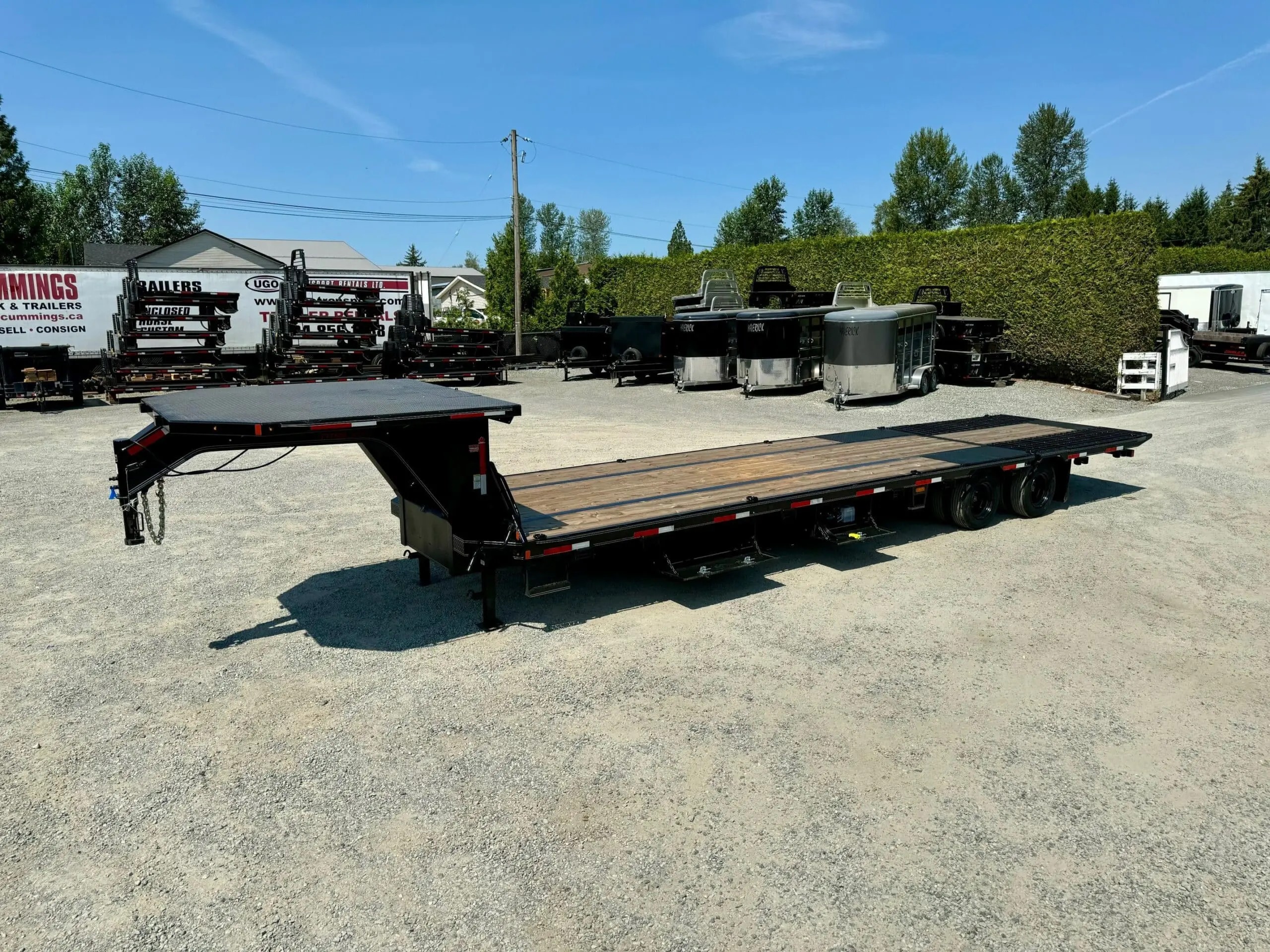
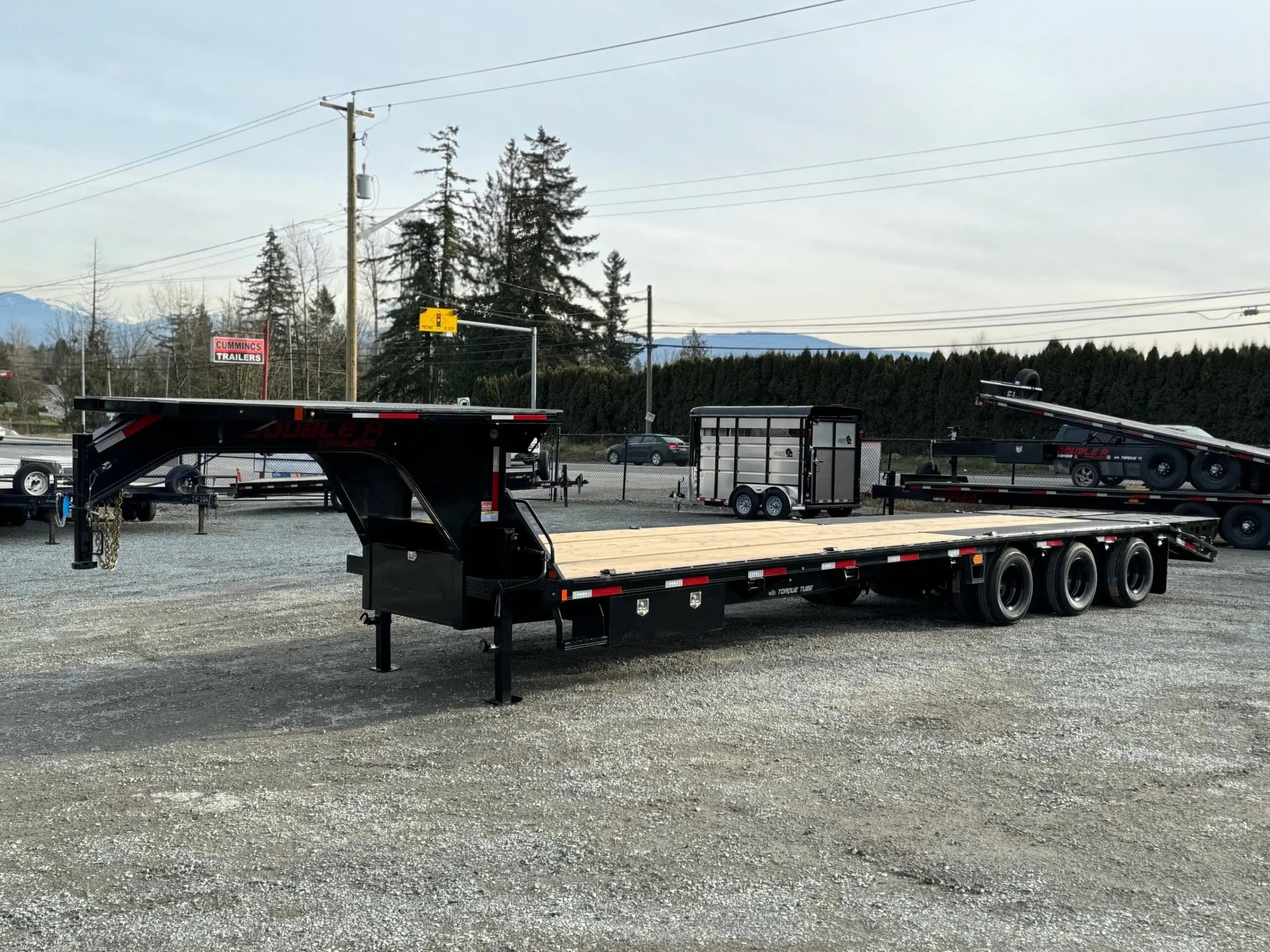
Double-A 22′ Double-A Tandem Dually Gooseneck (25,000LBS GVW – 2:10K Axles)
- Length:
- 22′ (17′ Flat + 5′ Tail)
- GVWR:
- 25,000 lb
- Axles:
- 2
$16,400
In Stock
Trailer Type
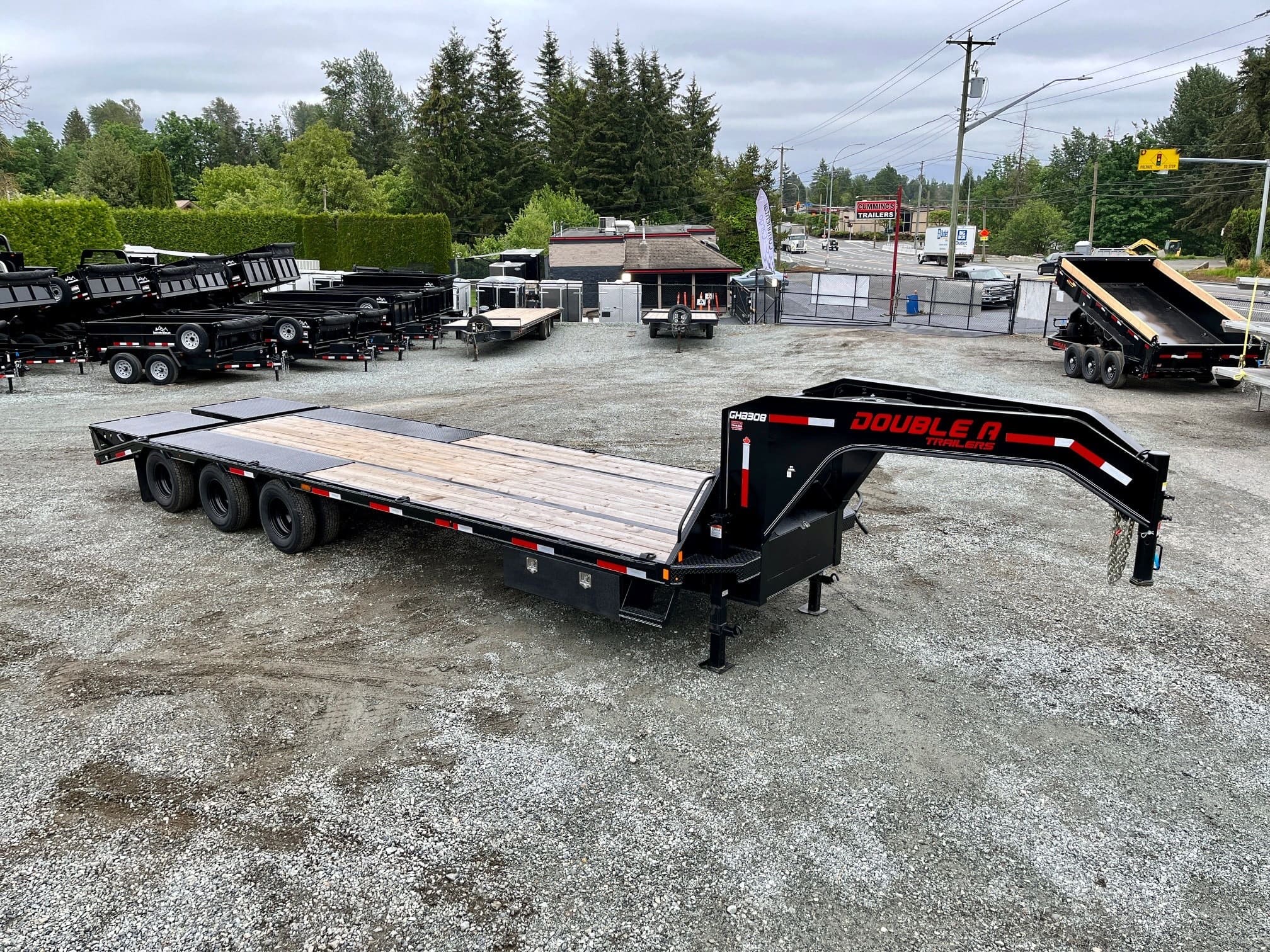
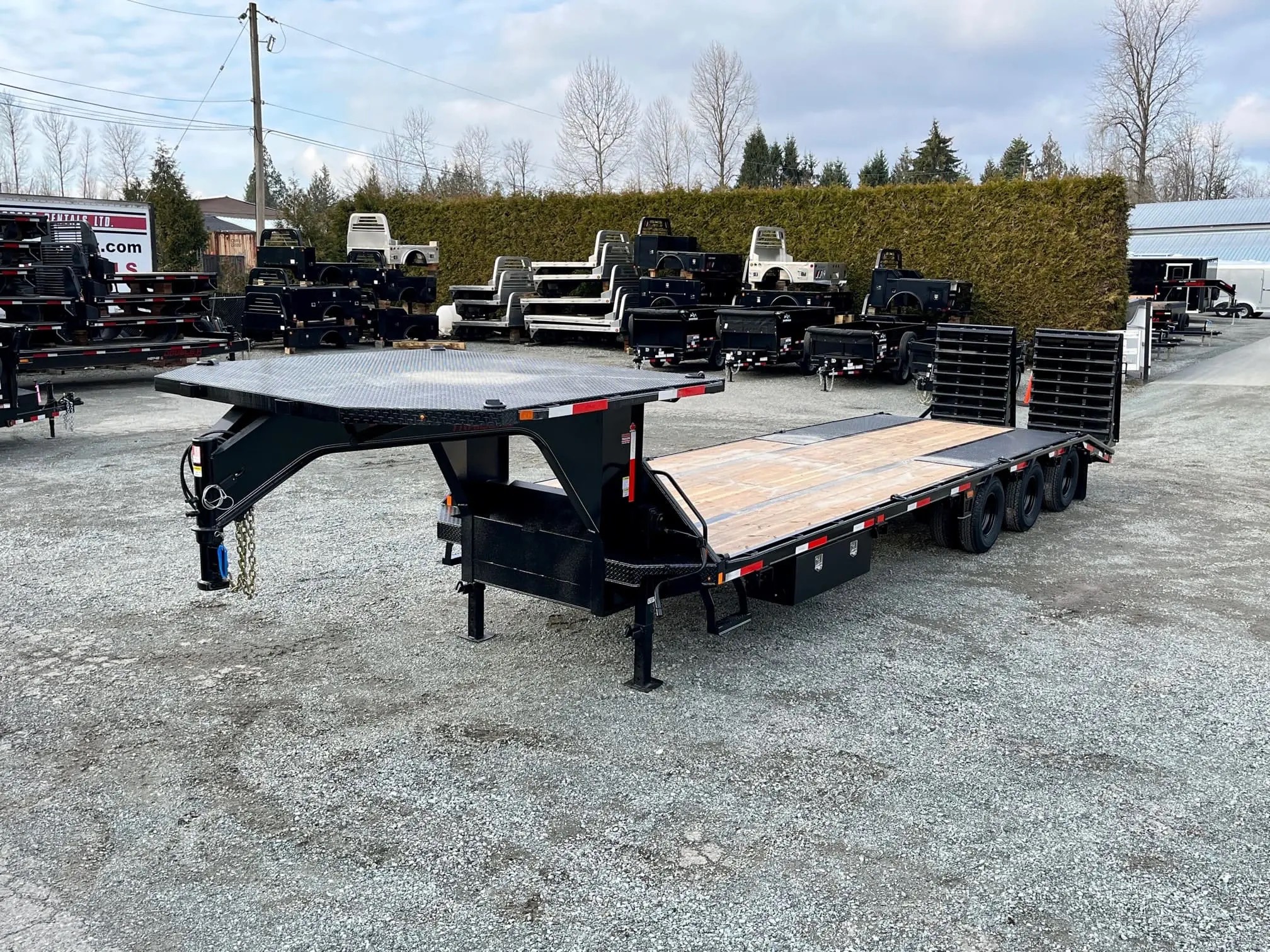
Gooseneck trailers couple to a ball in the bed of a pickup, placing the tongue weight over the truck's rear axle instead of behind it. That means higher payload capacity, better stability, and a tighter turning radius than a bumper pull — the configuration of choice for heavy equipment, livestock and large flatbed loads.
10 trailers
10 trailers available
PRIME TRAIL TRAILERS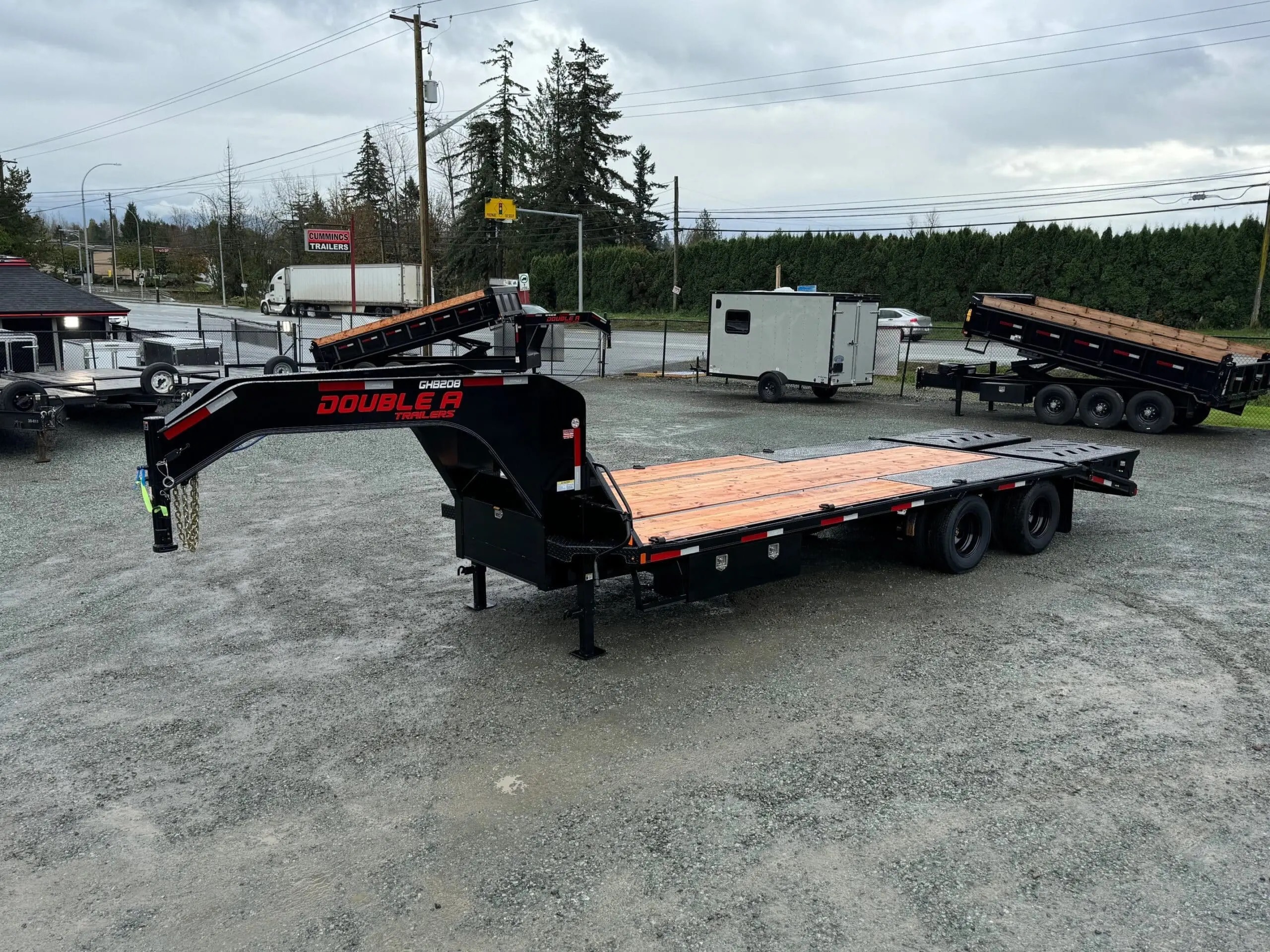 PRIME TRAIL TRAILERS
 PRIME TRAIL TRAILERS
 PRIME TRAIL TRAILERS
 PRIME TRAIL TRAILERS
 PRIME TRAIL TRAILERS
 PRIME TRAIL TRAILERS
 PRIME TRAIL TRAILERS
 PRIME TRAIL TRAILERS
 PRIME TRAIL TRAILERS
By hitching in the truck bed, a gooseneck puts the tongue weight directly over the rear axle rather than hanging off the bumper. This carries more weight, reduces sway, improves braking control, and allows a tighter turn because the hitch point is ahead of the rear axle. You'll need a pickup truck with a gooseneck hitch installed in the bed.
Goosenecks commonly range from 10,000 to 30,000+ lb GVWR. The over-the-axle coupling handles much higher tongue weights than a bumper pull — often 2,500–4,000 lb — so make sure your truck's payload and rear-axle rating can accept it. A dually or one-ton truck is typical for the upper end.
A gooseneck hitch receiver installed in your truck bed (commonly a 2-5/16" ball), a truck with sufficient payload and towing capacity, and a brake controller. Many goosenecks also offer a removable neck that flips over to become a ramp for loading low equipment.