
How to Choose a Trailer Dealer You Can Trust
Choosing the right trailer dealer affects safety, pricing and long-term support. Use this checklist to compare specs, paperwork, inspections, delivery details and after-sale help before you buy.
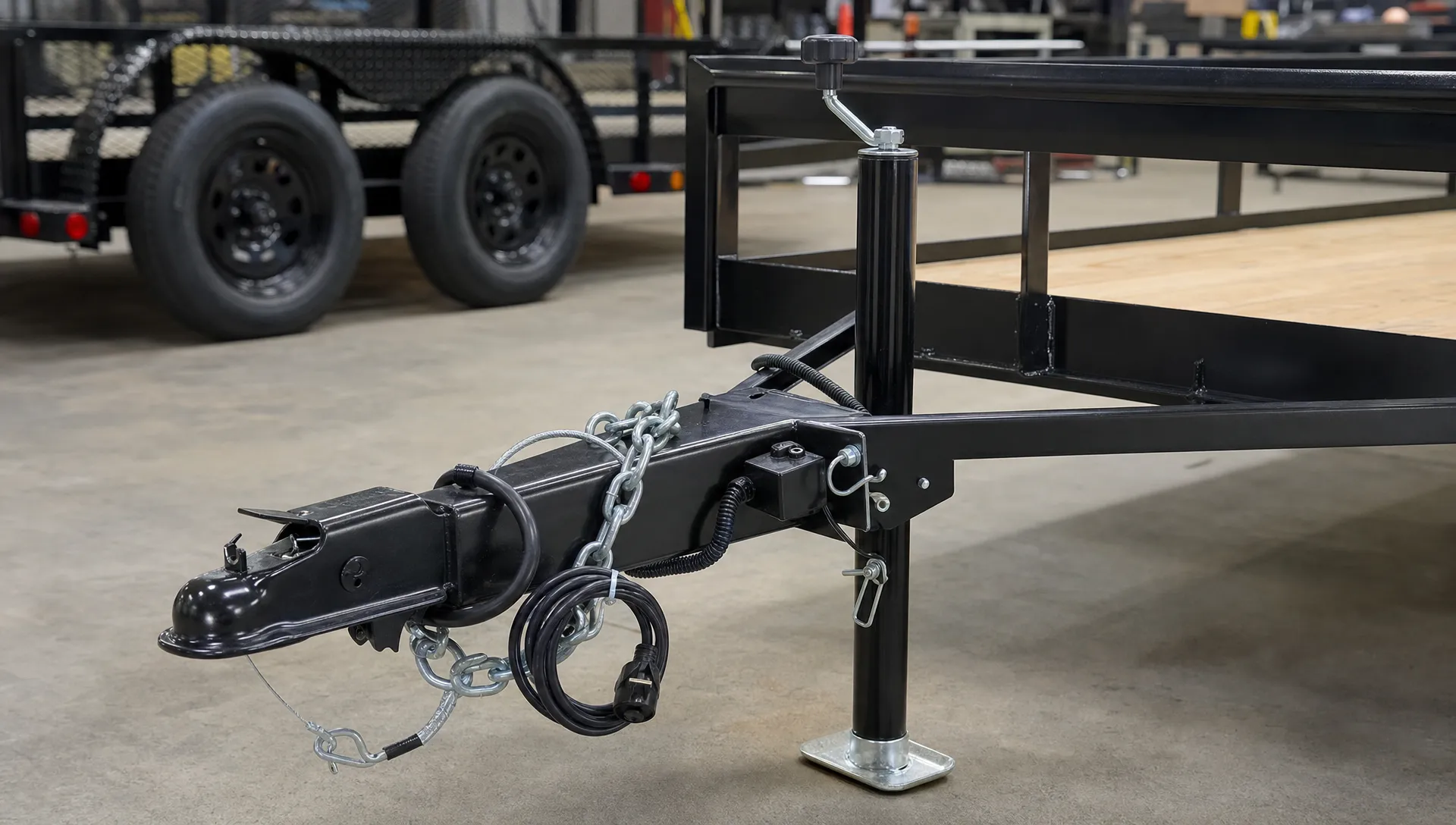
Buying a trailer from a trailer dealer is part equipment decision, part trust decision. You are not just choosing steel, axles and tires. You are choosing the people who will help you confirm capacity, explain paperwork, prepare the trailer for pickup or delivery and answer questions after the sale.
A reliable trailer dealer makes that process clearer. A questionable one makes you chase basic information, pushes the cheapest option without asking what you haul or hides fees until the end. Whether you need a utility trailer for weekend projects, an enclosed cargo trailer for tools or an equipment trailer for commercial work, the dealer you choose can affect safety, cost and long-term satisfaction.
Use the checklist below to evaluate a dealership before you reserve, finance or haul anything home.
Start with how well they match trailers to real use
The first sign of a trustworthy dealer is that they ask about your use case before talking price. A trailer that is perfect for one buyer can be frustrating or unsafe for another if the size, payload rating, deck height, brake setup or ramp style does not match the job.
A good conversation should include what you plan to haul, how often you tow, what your tow vehicle is rated for, where you drive and whether you need room for future capacity. For example, a homeowner hauling mulch twice a year has different needs from a contractor loading compact equipment every week.
If you are still working through the basics, Prime Trail Trailers’ trailer buyer’s guide walks through trailer types, GVWR, payload, tow vehicle limits and build considerations in more depth. A trustworthy trailer dealer should be able to discuss those same details in plain language, not just point you toward whatever is sitting closest to the front gate.
Look for transparent specifications before you call
Strong inventory pages save buyers time. You should be able to review the trailer type, dimensions, GVWR, payload details when available, axle configuration, brake setup, coupler type, flooring, ramp or gate design and other key features before you speak with a salesperson.
This matters because trailer names can sound similar while the actual specifications vary a lot. Two 14-foot utility trailers may differ in axle rating, side rail height, tire size, gate construction and usable payload. Those differences affect towing behavior, loading convenience and value.
When a trailer dealer lists detailed specs, it signals that the business expects buyers to compare carefully. When specs are vague, inconsistent or missing, you may need to slow down and ask for written confirmation.
| What to verify | Why it matters | What a trustworthy dealer provides | |---|---|---| | GVWR and payload | Confirms whether the trailer can legally and safely handle your load | Clear rating information and help matching capacity to your cargo | | Axle and brake setup | Affects control, stopping performance and maintenance needs | Axle count, brake details and guidance based on towing use | | Deck or box dimensions | Determines whether your cargo actually fits | Interior or usable dimensions, not just a broad category label | | Coupler and hitch requirements | Prevents hookup mismatches | Ball size, coupler type and connection requirements | | Title or origin documents | Needed for registration in many cases | Clear explanation of paperwork provided at sale |
The goal is not to memorize every spec. The goal is to buy from a seller who makes verification easy.
Check reputation with context, not just stars
Online reviews help, but star ratings alone do not tell the whole story. Read the actual comments. Look for repeated mentions of honest communication, accurate listings, clean paperwork, timely delivery and helpful service after purchase. Also look for patterns in complaints. One misunderstanding is different from repeated issues about hidden fees or unavailable inventory.
Pay attention to how the business responds. A professional response to a legitimate complaint can tell you more than a perfect rating with no detail. The best dealers resolve problems in writing, explain next steps and do not blame customers for reasonable questions.
Also verify that the business has a real presence. A physical location, direct phone number, clear business name, consistent website information and reachable support team all matter. If you are shopping online, this step is even more important because scammers often rely on urgency, unusually low prices and limited contact options.
Ask how inventory is inspected and prepared
New trailers and used trailers both deserve inspection before sale. New does not always mean ready without a check. Used trailers require a closer look because wear can show up in tires, wiring, brakes, floors, ramps, couplers, jacks and hydraulic systems.
A trustworthy trailer dealer should be comfortable explaining what gets checked before pickup or delivery. For used inventory, ask whether the trailer has been inspected for structural condition, lighting function, tire condition, brake operation when equipped, breakaway system function, coupler condition and visible frame or floor issues.
For towing safety, the National Highway Traffic Safety Administration recommends checking items such as tires, lights, safety chains and hitch connections before travel. Their trailer safety guidance is a useful reference for the kinds of details responsible sellers and buyers should both care about.
If you operate commercially, also keep cargo securement in mind. The Federal Motor Carrier Safety Administration provides cargo securement rules for regulated carriers, and even non-commercial buyers can learn from the emphasis on load stability and proper restraint.
Make sure pricing is clear before you reserve
Price transparency is one of the simplest ways to judge a dealership. Before you commit, ask for the full price in writing, including the trailer price, documentation fees, taxes if applicable, delivery charges, preparation fees and any optional add-ons.
A low advertised price can become less attractive if required fees appear later. That does not mean every fee is unfair. Some costs are legitimate, especially for delivery, documentation or added equipment. The issue is whether the seller is direct about them early enough for you to compare options honestly.
A good trailer dealer will not pressure you to skip written details. They should be willing to send a quote, explain what is included and clarify whether a deposit is refundable, transferable or applied to the final purchase. If you reserve online, confirm that the payment method is secure and that the business name matches the dealership you are buying from.
Compare dealer support against private seller risk
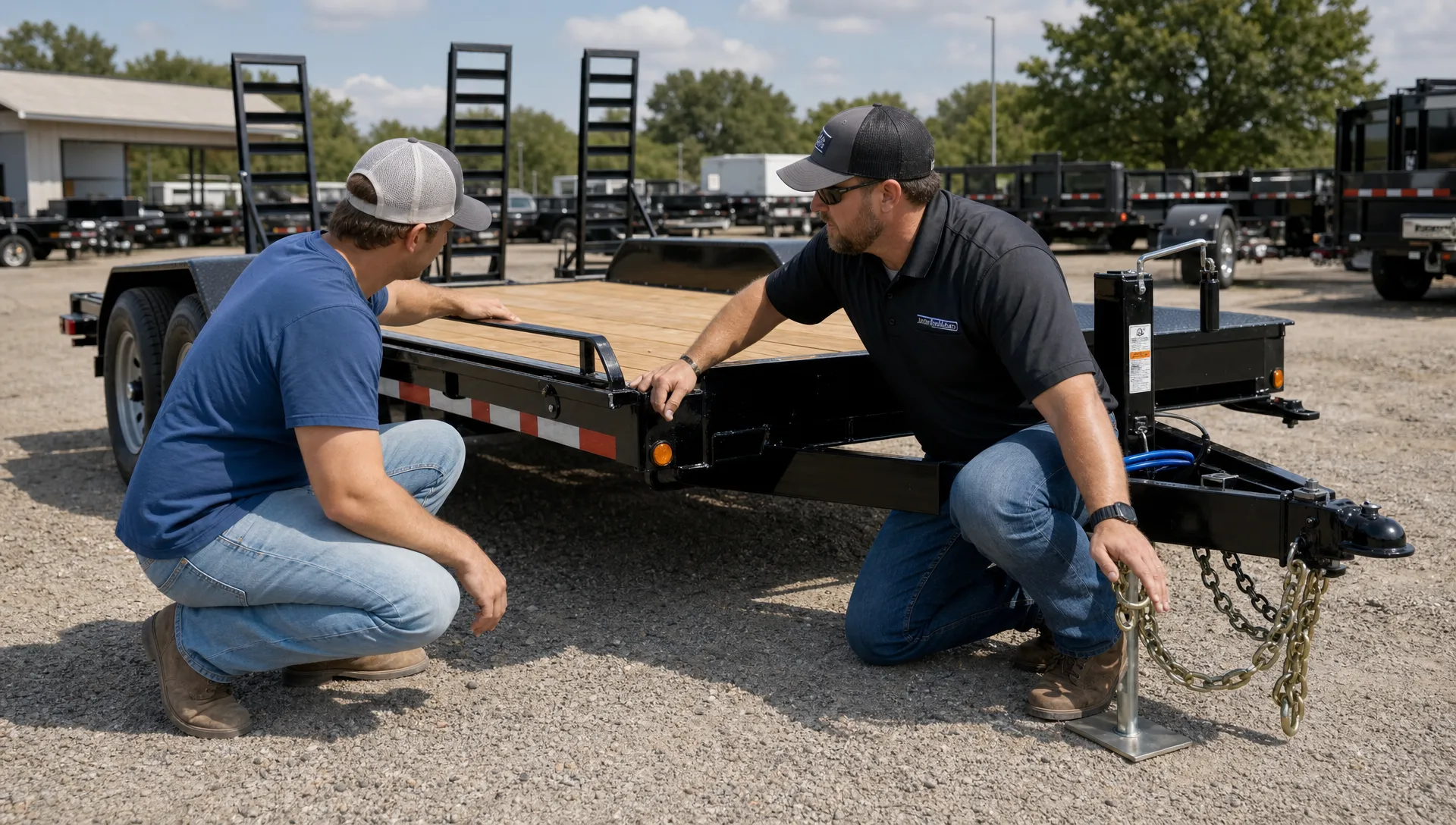
Private sales can work for experienced buyers, especially when the trailer is simple and the price is right. But dealership support can be valuable if you want clearer documentation, better inventory selection, help comparing models or access to parts and service.
The decision often comes down to risk tolerance. A used trailer from a private seller may come with limited history and little recourse if you discover a problem later. A reputable dealership should be more structured about paperwork, inspection and communication.
| Buying factor | Reputable dealership | Private seller | |---|---|---| | Inventory choice | Multiple trailer types, sizes and configurations may be available | Usually one trailer at a time | | Documentation | More formal sales paperwork and title support | Varies by seller and state requirements | | Condition information | Inspection process may be explained before purchase | Buyer often has to verify everything independently | | After-sale help | May offer parts, service or support contacts | Usually ends when the sale is complete | | Online purchase options | May support deposits, quotes or delivery coordination | Less standardized and higher scam risk if remote |
If you are comparing trailer types before contacting anyone, you can review available categories on the Prime Trail Trailers inventory page, including utility, dump, enclosed, equipment, car hauler, gooseneck and tilt trailers.
Evaluate communication before you need a solution
The best time to test communication is before money changes hands. Ask a few specific questions and notice the quality of the answers. Do they respond directly? Do they explain limitations? Do they put important details in writing? Do they admit when they need to confirm something?
A trustworthy dealership does not need to sound flashy. It needs to be accurate, responsive and consistent. If one person tells you the trailer has brakes and another says it does not, pause until you receive a written spec sheet or photo confirmation.
You should also ask who to contact after the purchase. If the dealer offers parts and service, find out what support looks like, how to schedule service and whether they can help source common replacement items. For buyers using trailers for work, downtime has real cost, so after-sale support is not a small detail.
Confirm delivery and pickup expectations
Nationwide delivery can make trailer shopping more convenient, especially if the exact size or configuration you need is not available locally. Still, delivery should be handled with the same transparency as pricing.
Ask how delivery is quoted, whether the trailer arrives assembled and road-ready, what documents come with the trailer and how the handoff is confirmed. If you are picking up in person, ask what you need to bring, including hitch size, electrical connector, payment confirmation, insurance documents if required and registration-related paperwork based on your state.
A reliable trailer dealer will not treat logistics as an afterthought. The sale is not complete just because the invoice is signed. The trailer still needs to get to you safely, with the correct documents and the right expectations.
Watch for red flags that should slow you down
Some warning signs are obvious, such as a seller who refuses to provide a VIN, pressures you to wire money to an individual account or claims paperwork is unnecessary. Others are subtler.
Be cautious if the listing photos do not match the stated trailer, if the dealer cannot explain basic specs, if the price is dramatically lower than comparable inventory or if you are pushed to make a deposit before seeing a written quote. A legitimate dealer may have limited-time inventory, but urgency should not replace verification.
It is also worth being careful with unclear used trailer histories. Surface rust, worn tires or cosmetic damage may be manageable at the right price, but structural damage, missing title documents, faulty brakes or questionable VIN plates can create expensive problems.
Questions to ask before choosing a trailer dealer
Use these questions to compare dealerships in a practical way:
- What is the trailer’s GVWR, payload capacity and axle configuration?
- Is this trailer new or used, and what inspection has been completed?
- What documents come with the sale for registration or titling?
- Are there any required fees beyond the advertised price?
- What payment methods are accepted, and is online ordering secure?
- Can you provide current photos or a walkaround if I am buying remotely?
- What are the pickup or delivery timelines and costs?
- Who should I contact for parts, service or warranty-related questions after purchase?
The answers do not need to be complicated. They need to be clear.
Trust is built through details
Choosing a dealer is not about finding the most polished ad. It is about finding a business that treats trailer buying as a practical, safety-related purchase. The more specific the information, the easier it is to make a confident decision.
A dependable trailer dealer helps you compare options, confirms specs, explains pricing, prepares paperwork and supports the transaction after the initial sale. That level of structure is especially helpful when you are buying online, arranging delivery or choosing a trailer for work where the wrong setup can cost time and money.
If you want to keep researching before you buy, the Prime Trail Trailers guide library includes additional advice on buying, towing, maintenance, capacity and trailer comparisons.
Frequently Asked Questions
What should I look for in a trailer dealer? Look for detailed specs, clear pricing, written quotes, real contact information, strong customer reviews, inspection-ready inventory and support after the sale. A dealer should help you match the trailer to your load, tow vehicle and intended use.
Is it better to buy from a dealer or a private seller? A private seller may offer a lower price, but a dealer often provides more inventory choice, structured paperwork, inspection information and post-sale support. The better option depends on your experience, risk tolerance and how critical the trailer is to your work or daily use.
How do I know if a used trailer is in good condition? Check the frame, welds, flooring, tires, lights, brakes, coupler, jack, suspension, ramps, doors and VIN documentation. If you are not experienced, ask the dealer what inspection was performed and request current photos or an in-person walkthrough.
What paperwork should come with a trailer purchase? Paperwork varies by state and trailer type, but buyers commonly need a bill of sale, title or manufacturer’s certificate of origin for new trailers and any registration-related documents required locally. Ask the dealer to explain what is included before you pay.
Can I buy a trailer online safely? Yes, if you verify the business, review detailed specs, get pricing in writing, use secure payment methods and confirm pickup or delivery details. Avoid sellers who demand unusual payment methods or refuse to provide documentation.
Find a trailer with the right support behind it
Prime Trail Trailers helps buyers compare new and used trailers for work, hauling and everyday transport with detailed inventory listings, expert support, online reservations and nationwide delivery options.
When you are ready to compare specs or request a quote, start with the current trailers for sale at Prime Trail Trailers and choose the setup that fits the way you actually haul.
Shop Related Trailers
FAQ
Have Questions? We're Here to Help
Still unsure which trailer fits your needs, or need specs, pricing or delivery advice? The Prime Trail Trailers team is ready to answer your questions and help you find the right rig.