
What Size Utility Trailer Do I Need? 2026 Dimensions & Capacity Guide
Discover the perfect utility trailer size for your hauling needs with our comprehensive 2026 dimensions, payload capacity, and towing guide.
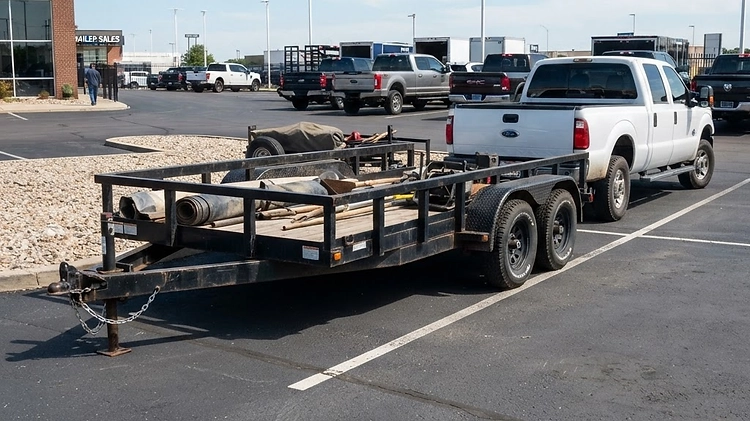
Choosing the right utility trailer size is one of the most critical decisions you will make when upgrading your hauling capabilities. Whether you are a weekend warrior tackling home improvement projects or a professional landscaper moving heavy equipment daily, selecting the proper dimensions ensures safe towing, optimal payload capacity, and long-term value.
In this comprehensive guide, we will break down the most common utility trailer sizes, their ideal applications, and the key specifications you need to consider before making a purchase. By understanding how width, length, and axle configurations impact your hauling potential, you can confidently select a trailer that perfectly matches your tow vehicle and cargo requirements.
Why Utility Trailer Dimensions Matter
When evaluating utility trailers, size is about much more than just square footage. The dimensions of your trailer directly dictate its gross vehicle weight rating (GVWR), maneuverability, and the types of loads you can safely secure.

A trailer that is too small will force you to make multiple trips or risk dangerous overloading, while a trailer that is excessively large may be difficult to navigate through tight job sites or residential streets. Furthermore, larger trailers require a more capable tow vehicle. If you are pulling with a mid-size SUV, a compact 5x8 trailer might be your limit, whereas a heavy-duty pickup truck can easily handle a 7x16 tandem axle model. For those operating in busy urban environments like Dallas, TX, maneuverability often takes precedence over maximum deck space.
Standard Utility Trailer Sizes and Their Best Uses
Utility trailers come in a wide variety of configurations. Below is a breakdown of the most popular sizes and what they are typically used to haul.
4x8 and 5x8 Utility Trailers
These compact trailers are the go-to choice for homeowners and hobbyists. They are lightweight, easy to store in a standard garage, and can be towed by most SUVs and light trucks.
- Best for: Push mowers, small ATVs, yard waste, and light furniture moving.
- Pros: Highly maneuverable, affordable, and easy to store.
6x10 and 6x12 Utility Trailers
The 6x12 is arguably the most popular utility trailer size on the market. It offers a perfect balance of cargo space and ease of towing, making it a favorite among small landscaping crews and powersports enthusiasts.
- Best for: Zero-turn mowers, side-by-sides (UTVs), building materials, and small tractors.
- Pros: Fits standard construction materials (like 4x8 plywood) with room to spare.
7x14 and 7x16 Utility Trailers
When you step up to the 7-foot width, you are entering commercial territory. These trailers almost always feature tandem axles and are built for heavy-duty daily use.
- Best for: Multiple commercial mowers, heavy landscaping equipment, skid steers, and large construction loads.
- Pros: Massive payload capacity and superior stability at highway speeds.
Utility Trailer Dimensions Comparison
| Trailer Size | Axle Type | Typical GVWR | Best Application | | :--- | :--- | :--- | :--- | | 5' x 8' | Single | 2,000 - 2,990 lbs | Homeowner / Light Utility | | 6' x 12' | Single / Tandem | 2,990 - 7,000 lbs | Landscaping / UTVs | | 7' x 14' | Tandem | 7,000 - 10,000 lbs | Commercial / Multi-Mower | | 7' x 16' | Tandem | 7,000 - 14,000 lbs | Heavy Equipment / Construction |
Key Specifications: Payload Capacity vs. Dimensions
It is a common misconception that a larger trailer automatically means you can haul more weight. While larger trailers generally have higher GVWRs, the weight of the trailer itself (curb weight) also increases, which eats into your payload capacity.

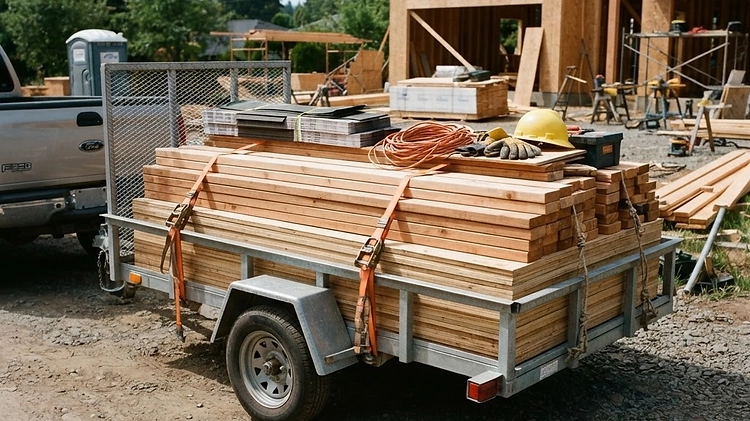
For example, a heavy-duty 7x16 steel trailer might weigh 2,000 lbs empty. If its GVWR is 7,000 lbs, your maximum payload is 5,000 lbs. Always calculate your required payload before settling on a size. If you are hauling dense materials like gravel or concrete, you might actually be better off with a smaller, heavy-duty dump trailer rather than a large utility trailer. For more insights on sizing for specific cargo, check out our guide on What Size Livestock Trailer Do I Need?.
Single Axle vs. Tandem Axle Utility Trailers
As you increase the length of your utility trailer, you will need to choose between a single axle and a tandem (dual) axle configuration.
- Single Axle: Typically found on trailers up to 12 feet in length. They are lighter, easier to maneuver by hand, and cost less to maintain (fewer tires and brakes). However, they have lower weight capacities and can be less stable if a tire blows out.
- Tandem Axle: Standard on trailers 14 feet and longer. They provide superior straight-line stability, higher payload capacities, and safer towing in the event of a flat tire. If you are hauling heavy equipment across trailers for sale in Texas, a tandem axle is highly recommended for highway safety.
What to Look For When Sizing Your Trailer
Beyond the basic width and length, consider these crucial features when finalizing your utility trailer size:

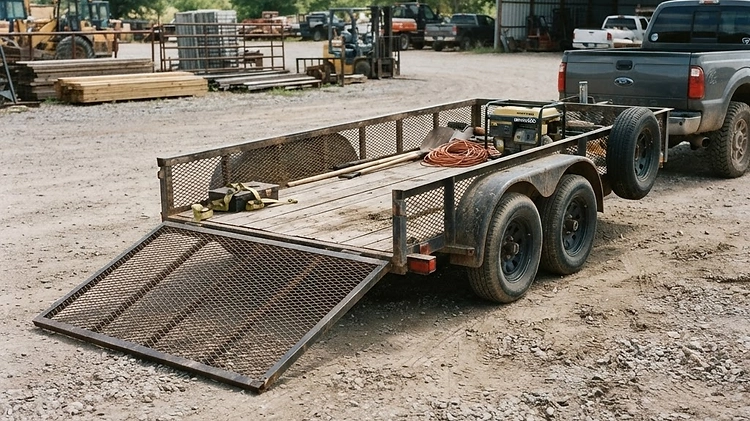
- Gate/Ramp Length: A longer trailer often allows for a longer, less steep ramp, which is essential for loading low-clearance mowers or equipment.
- Side Rail Height: If you haul loose materials or tall items, taller side rails provide better load securement.
- Deck Material: Wood decks are standard and easy to replace, while steel or aluminum decks offer different weight and durability profiles.
- Tow Vehicle Compatibility: Never buy a trailer that exceeds your vehicle's towing capacity when fully loaded. Always check your truck's door sticker.
If you are outfitting a commercial truck to pull your new trailer, consider upgrading your tow rig with a 2026 Wil-Ro Utility Truck Bed 8'6" X 96" or a 2026 Wil-Ro Utility Truck Bed 9'4" X 96" for maximum utility and tool storage.
Bottom Line
Selecting the right utility trailer size comes down to accurately assessing your current cargo, anticipating future needs, and understanding the limits of your tow vehicle. A 6x12 trailer is the sweet spot for most general users, while commercial operators should look toward 7x14 or 7x16 tandem axle models for maximum efficiency.
Ready to find the perfect fit? Explore our complete inventory of landscape trailers and utility models in our shop inventory, or browse our comprehensive guides hub for more expert advice on trailer selection and maintenance.
FAQ
Have Questions? We're Here to Help
Still unsure which trailer fits your needs, or need specs, pricing or delivery advice? The Prime Trail Trailers team is ready to answer your questions and help you find the right rig.