
Dump Trailer Battery Charging Systems: Wiring, Upgrades & Troubleshooting
Learn how to properly charge, maintain, and upgrade your dump trailer battery system to prevent dead batteries and hydraulic pump failures on the job site.
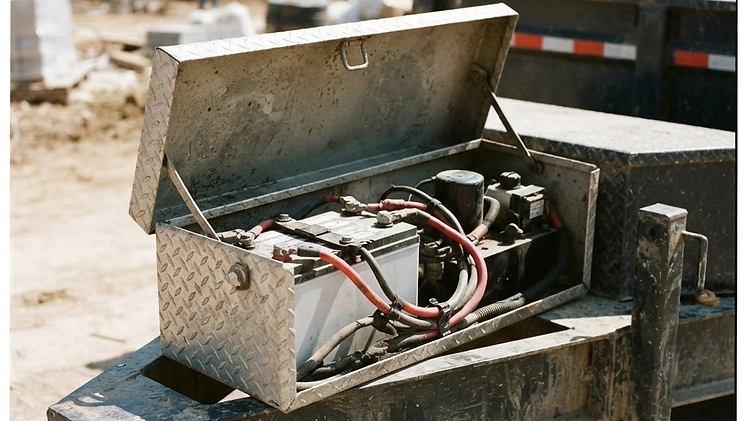
A dead dump trailer battery is one of the most frustrating delays you can face on a job site. When your hydraulic pump clicks but won't lift a heavy load of gravel or debris, the culprit is almost always a lack of adequate voltage.
Understanding how to properly charge, maintain, and upgrade your dump trailer battery system is essential for keeping your equipment running smoothly. In this comprehensive guide, we will break down how your charging system works, the limitations of factory wiring, and the best ways to ensure your trailer is always ready to lift.
Why Dump Trailer Batteries Fail (and How to Prevent It)
Dump trailers rely on a 12-volt DC hydraulic pump to raise and lower the bed. These pumps draw a massive amount of amperage—often between 150 and 250 amps under a heavy load. If your battery is not fully charged, the voltage drops, causing the pump motor to work harder, overheat, and potentially fail.

The most common reasons for dump trailer battery failure include:
- Relying Solely on the 7-Way Plug: Many owners assume their truck's 7-way plug will fully recharge the trailer battery between dumps. In reality, the factory charge wire only provides a trickle charge (usually 3 to 5 amps), which is not enough to replenish the battery after multiple heavy lifts.
- Parasitic Draw: Even when not in use, small electrical components or a slightly grounded wire can slowly drain the battery.
- Using the Wrong Battery Type: Standard automotive starting batteries are not designed for the deep discharge cycles required by a dump trailer.
- Corroded Connections: Dirt, moisture, and battery acid can corrode terminals, creating resistance that prevents the battery from receiving a charge or delivering full power to the pump.
To prevent these issues, you need a proactive approach to Trailer Maintenance. Regularly inspecting your battery box, cleaning terminals, and using a dedicated charging solution will extend the life of both your battery and your hydraulic pump.
How the 7-Way Plug Charges Your Dump Trailer (and Its Limits)
Your tow vehicle's 7-way trailer plug includes a 12-volt auxiliary power wire designed to provide a charge to the trailer battery while driving. However, it is crucial to understand the limitations of this system.
When you are towing a heavy load in Texas, the long run of wire from your truck's alternator to the rear bumper creates a voltage drop. By the time the current reaches the trailer battery, it is often reduced to a mere trickle. If you dump a load and immediately drive 10 minutes to pick up another, the 7-way plug will not have had enough time to recharge the battery.

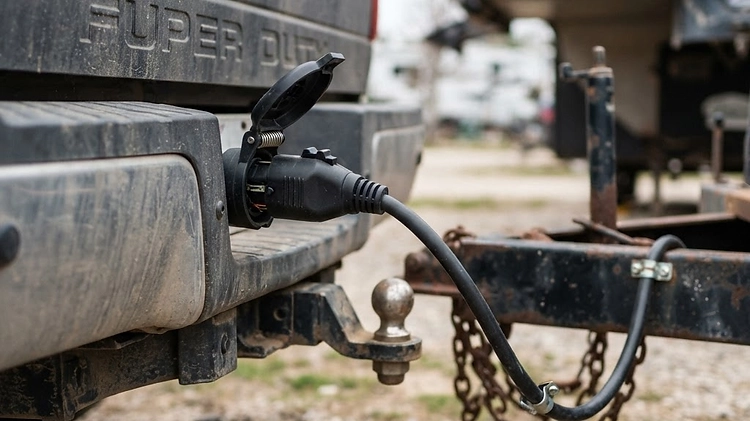
Furthermore, it is highly recommended to unplug the 7-way connector from your truck before operating the dump feature. If the trailer remains plugged in while dumping, the massive amperage draw from the hydraulic pump can pull current through the truck's wiring, potentially blowing the factory charge circuit fuse. If you frequently blow this fuse, consider replacing it with a 30-amp thermal circuit breaker that will reset itself if overloaded, as noted in our Trailer Wiring and Electrical Troubleshooting: Fixing Dead Lights and Bad Grounds guide.
Upgrading Your Dump Trailer Battery Charging System
If you use your dump trailer commercially or make multiple dumps per day, upgrading your charging system is a necessity. Here are the most effective ways to ensure your battery stays charged:
1. Onboard Battery Chargers (110V)
An onboard AC-to-DC battery charger is the most reliable way to maintain your battery. These smart chargers are permanently mounted inside the battery box. At the end of the day, you simply plug an extension cord into the external port. The charger will safely bring the battery to 100% and maintain it without overcharging. A fully charged battery should read between 12.8 and 13.0 DC volts on a voltmeter.
2. DC-to-DC Chargers
For hotshot drivers and commercial haulers who are constantly on the road, a DC-to-DC charger is a game-changer. This system uses a heavier gauge wire run directly from the truck's battery to the trailer, passing through a smart charger that boosts the voltage. This allows the truck's alternator to push 20 to 40 amps to the trailer battery, recharging it rapidly between jobs. This is especially useful for heavy-duty applications like our dump trailers and roll-off bins.
3. Solar Charging Kits
A 10-watt to 20-watt solar panel mounted on the lid of the battery box can provide a steady trickle charge to combat parasitic draw and keep the battery topped off while the trailer is parked in the sun. While not powerful enough to recharge a dead battery quickly, solar is excellent for maintaining battery health over time.
Deep Cycle vs. Standard Batteries for Dump Trailers
Not all 12-volt batteries are created equal. When replacing your dump trailer battery, you must choose the right type for the job.
| Battery Type | Best For | Pros | Cons | | :--- | :--- | :--- | :--- | | Standard Starting Battery | Cars and trucks | High burst of cranking amps | Cannot handle deep discharges; will fail quickly in a dump trailer. | | Marine Deep Cycle (Lead-Acid) | Most dump trailers | Designed to be discharged and recharged repeatedly; affordable. | Requires occasional maintenance (checking water levels); heavy. | | AGM (Absorbent Glass Mat) | Commercial use | Maintenance-free; vibration resistant; charges faster than standard lead-acid. | More expensive than standard deep cycle batteries. | | Lithium Iron Phosphate (LiFePO4) | High-end commercial | Extremely lightweight; provides consistent voltage until empty; lasts 10+ years. | Very expensive; requires a specific lithium-compatible charger. |
For most users, a high-quality Group 24 or Group 27 Marine Deep Cycle battery is the best balance of performance and cost. If you are running a commercial operation in Houston, upgrading to an AGM battery is highly recommended for its durability and vibration resistance.
Step-by-Step Dump Trailer Battery Troubleshooting
If your dump trailer won't lift, follow this diagnostic process before assuming the hydraulic pump is dead. This aligns with our Dump Trailer Maintenance Checklist: Hydraulic, Electrical & Structural Inspection Guide.

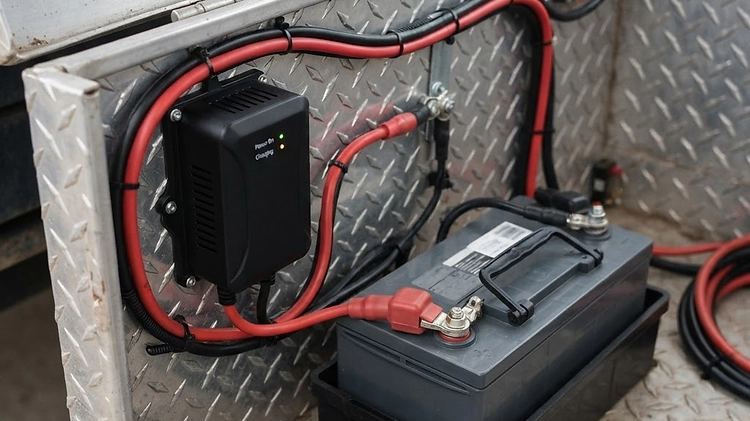
- Check the Voltage: Use a multimeter to test the battery voltage across the terminals. A fully charged battery should read 12.6V or higher. If it reads below 12.0V, the battery is dead and needs to be charged.
- Load Test the Battery: A battery can show 12.6V at rest but drop to 9V under load. Connect the multimeter, then press the "UP" button on your remote. If the voltage plummets below 10.5V, the battery has a dead cell and must be replaced.
- Inspect Connections: Check the heavy gauge cables connecting the battery to the hydraulic pump solenoid. Ensure the nuts are tight and free of corrosion. A loose ground wire is a common cause of intermittent failure.
- Test the Solenoid: If the battery is fully charged but the pump only clicks, the starter solenoid may be faulty. You can carefully bypass the solenoid with a heavy jumper wire to see if the pump motor engages. If it does, replace the solenoid.
- Check the Remote Pendant: Inspect the wiring on your remote control pendant. The small wires can easily get pinched or broken in the trailer door.
For more advanced diagnostics, including fluid checks and cylinder inspections, refer to our guide on Why Your Dump Trailer Won't Lift: Hydraulic & Electrical Troubleshooting Guide.
Bottom Line
Your dump trailer's hydraulic system is only as reliable as the battery powering it. By understanding the limitations of the 7-way plug, investing in an onboard charger, and performing regular electrical inspections as part of your Complete Annual Trailer Inspection Checklist, you can eliminate downtime and keep your jobs moving.
Ready to upgrade your hauling capabilities? Browse our full inventory of heavy-duty utility trailers and roll-off flatbeds at Prime Trail Trailers today.
FAQ
Have Questions? We're Here to Help
Still unsure which trailer fits your needs, or need specs, pricing or delivery advice? The Prime Trail Trailers team is ready to answer your questions and help you find the right rig.