
The Complete Annual Trailer Inspection Checklist: Structural, Electrical, and Suspension Maintenance
Prevent costly breakdowns and ensure road safety with our comprehensive annual trailer inspection checklist, covering frame, suspension, and electrical systems.
Quick Summary
Prevent costly breakdowns and ensure road safety with our comprehensive annual trailer inspection checklist, covering frame, suspension, and electrical systems.
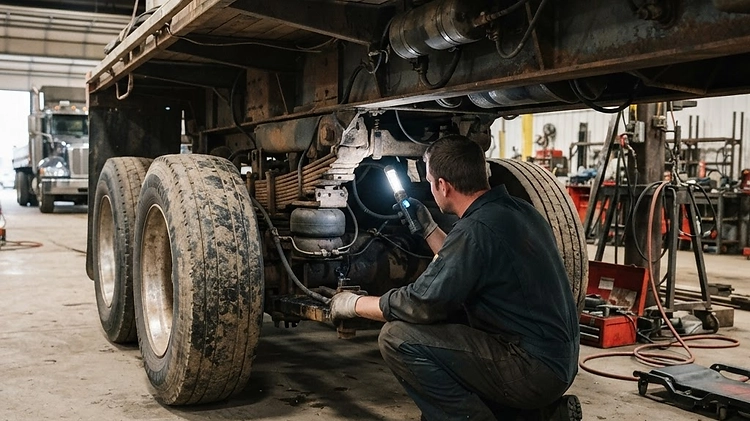
A well-maintained trailer is a safe trailer, and sticking to a strict maintenance schedule is the difference between years of reliable hauling and a catastrophic roadside breakdown. Whether you are pulling a heavy-duty equipment hauler or a standard utility trailer, an annual deep-dive inspection is critical to catch structural fatigue, electrical faults, and suspension wear before they escalate into expensive repairs.
In this comprehensive guide, we will walk you through the ultimate annual trailer inspection checklist. By systematically evaluating your trailer's frame, running gear, electrical systems, and decking, you can protect your investment and ensure compliance with safety regulations. For more resources on keeping your fleet in top condition, visit our trailer guides hub.
Why an Annual Trailer Inspection is Non-Negotiable
Routine pre-trip inspections are essential for checking tire pressure and basic lighting, but they rarely uncover the hidden wear and tear that accumulates over thousands of miles. An annual inspection requires getting under the trailer, testing components under load, and looking for micro-fractures in high-stress areas.

For commercial operators, a documented annual inspection is often required by the FMCSA to maintain compliance. Even for recreational users, the peace of mind that comes from knowing your suspension and brakes are fully operational is invaluable. Neglecting this annual ritual often leads to seized bearings, blown tires, or worse—a detached load at highway speeds. If you are operating in harsh climates, such as the high humidity of the Gulf Coast, rust and corrosion can accelerate rapidly. Buyers looking for trailers for sale in Texas or specifically navigating the heavy traffic of Houston, TX know that extreme heat and humidity demand rigorous maintenance.
Frame and Structural Integrity Inspection
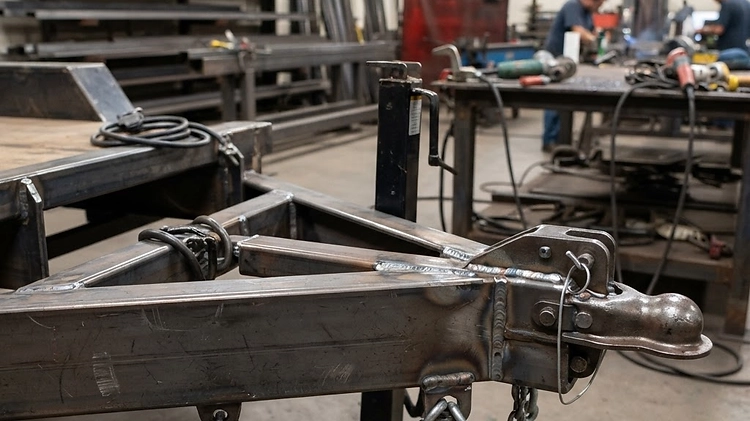
The foundation of your trailer is its frame. Over time, the constant flexing and bouncing of heavy loads can compromise welds and structural steel.

Start your annual inspection by thoroughly washing the trailer to remove dirt, grease, and corrosive road salts. Once clean, inspect the main frame rails, cross members, and the tongue/A-frame assembly. Look for:
- Cracked Welds: Pay special attention to the areas where the tongue meets the main frame and where the spring hangers are welded to the chassis.
- Rust and Corrosion: Surface rust can be sanded and repainted with a rust inhibitor, but deep pitting or flaking steel indicates structural weakness that may require professional fabrication.
- Bent Cross Members: Overloading or dropping heavy equipment can bend the cross members supporting the deck.
If you are inspecting specialized equipment, such as a hydraulic dump trailer, ensure you also review our Dump Trailer Maintenance Checklist: Hydraulic, Electrical & Structural Inspection Guide and troubleshoot any lifting issues with our guide on Why Your Dump Trailer Won't Lift.
Suspension and Running Gear Maintenance
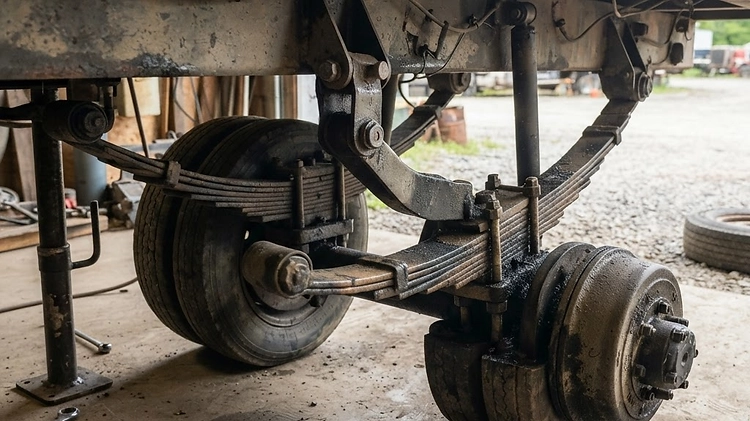
Your trailer's suspension takes the brunt of the abuse on rough roads. A failure here almost always results in a breakdown.

Jack up the trailer and support it safely on jack stands to inspect the running gear:
- Leaf Springs: Check for cracked, broken, or flattened leaves. If the springs have lost their arch, they need to be replaced.
- Equalizers and Bushings: The equalizers between tandem axles should pivot freely. Worn nylon or bronze bushings are a common source of suspension clunking and uneven tire wear.
- U-Bolts: Ensure the U-bolts securing the axles to the springs are torqued to the manufacturer's specifications. Loose U-bolts can cause the axle to shift out of alignment.
While you are inspecting the running gear, this is the perfect time to service your hubs. For a deep dive into bearing maintenance, refer to our Trailer Wheel Bearing & Axle Maintenance Guide: 2026 Service Intervals & Repacking.
Electrical Systems and Lighting Check
Electrical gremlins are the most common frustration for trailer owners. An annual inspection should go beyond just checking if the lights turn on.
Inspect the 7-way plug for corrosion and ensure the prongs are clean and tight. Trace the wiring harness along the frame, looking for chafed insulation, exposed copper, or loose ground connections. A poor ground is the leading cause of flickering lights and weak trailer brakes.
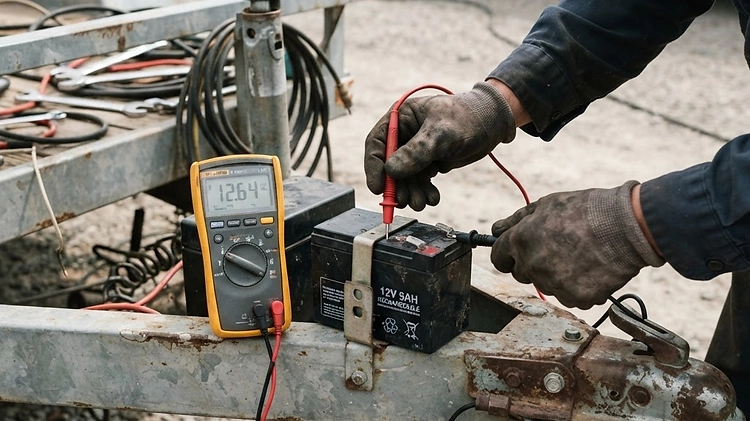
Crucially, test the breakaway system. Pull the breakaway pin and attempt to pull the trailer forward; the brakes should lock up immediately. If they don't, test the breakaway battery voltage. These small batteries typically only last 1-2 years and should be replaced proactively.
Flooring, Decking, and Enclosure Upkeep
The condition of your trailer's deck directly impacts cargo safety. For open trailers, inspect wood decking for rot, soft spots, or severe splintering. Treat treated pine or oak decks with a high-quality water sealant annually to extend their lifespan. If you are hauling livestock, the corrosive nature of animal waste requires special attention; consult our Ultimate Livestock Trailer Sanitation & Maintenance Guide for best practices.
For those utilizing enclosed trailers, water intrusion is the primary enemy. Inspect the roof seams, corner trims, and door seals for cracked caulking. Reseal any suspect areas with a self-leveling RV sealant to prevent water from rotting the interior plywood walls and floor. If you are in the market for an upgrade, consider a model with superior weather resistance, such as the 2025 Universal Trailers 7' X 14' Continental Cargo - ALL ALUMINUM.
Wheels, Tires, and Brakes
Finally, evaluate the components that actually touch the road. Trailer tires age out before they wear out. Check the DOT date code on the sidewall; any tire older than five years should be replaced, regardless of tread depth, due to the risk of dry rot and blowout.
Inspect the brake shoes and magnets on electric brake axles. The magnets should have a smooth surface; if you can see the copper coils or if the surface is deeply scored, they must be replaced. Ensure the brake shoes have adequate friction material and that the drums are not warped or excessively grooved.
Bottom Line
An annual trailer inspection is a small investment of time that yields massive returns in safety, reliability, and longevity. By systematically checking your frame, suspension, electrical systems, and decking, you can catch minor issues before they become major liabilities.
If your current trailer has reached the end of its usable life, or if the cost of repairs outweighs its value, it might be time to explore new options. Browse our extensive inventory of utility trailers, including durable options like the 2025 Universal Trailers Stronghaul 6' X 12' All Aluminum Tandem-Axle Utility Trailer, or visit our main shop inventory to find the perfect replacement for your hauling needs.
FAQ
Have Questions? We're Here to Help
Still unsure which trailer fits your needs, or need specs, pricing or delivery advice? The Prime Trail Trailers team is ready to answer your questions and help you find the right rig.
Prime Trail Trailers
Prime Trail Trailers is a family-owned trailer dealer in Markle, Indiana, stocking utility, dump, enclosed, equipment, car hauler and gooseneck trailers with nationwide delivery. This guide is based on what our customers ask us most and the trailers we sell every day.
More about Prime Trail Trailers