
Trailer Tire Cupping and Feathering: Diagnosing Suspension Failures Through Tread Wear
Diagnose underlying trailer suspension and alignment issues by analyzing tire wear patterns like cupping, feathering, and edge wear.
Quick Summary
Diagnose underlying trailer suspension and alignment issues by analyzing tire wear patterns like cupping, feathering, and edge wear.
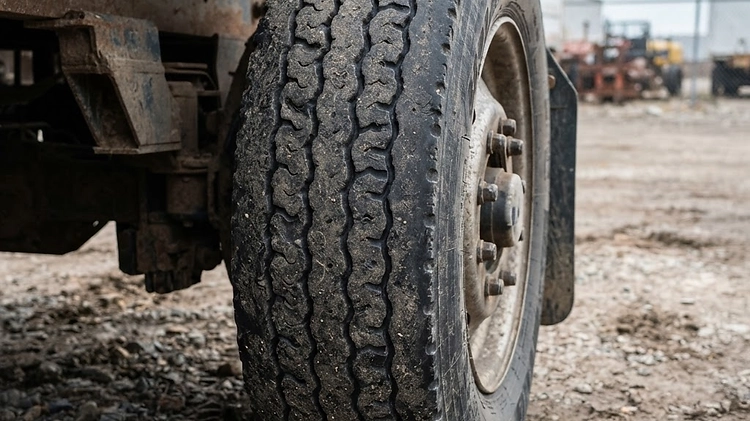
Your trailer's tires are the ultimate diagnostic tool for your entire running gear system. Long before a leaf spring snaps or a wheel bearing seizes, the tread on your tires will tell a story of misalignment, overloading, or suspension fatigue. By learning to read specific wear patterns like cupping, feathering, and edge wear, you can catch minor mechanical issues before they escalate into catastrophic blowouts on the highway.
The Link Between Trailer Suspension and Tire Wear
Trailer suspension systems endure immense stress, especially when hauling heavy loads across uneven terrain. When components like bushings, shackles, or leaf springs begin to wear out, the geometry of your axles changes. This shift forces the tires to scrub, drag, or bounce against the pavement rather than rolling smoothly.
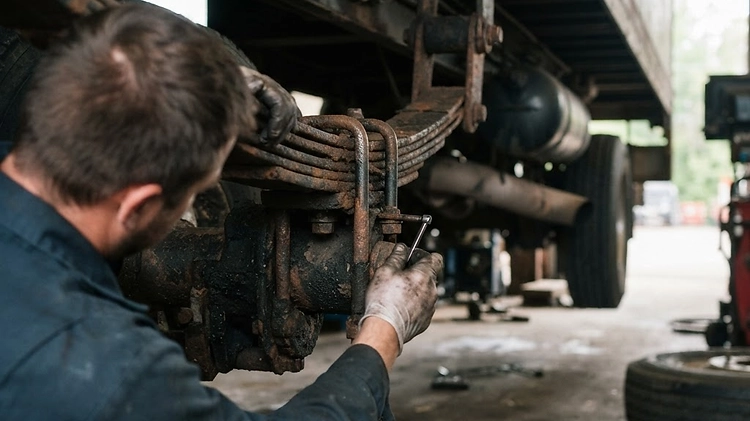
According to industry experts, minor changes in handling or ride quality often go unnoticed until tire wear becomes severe. For example, worn suspension bushings can allow excess movement that accelerates shackle wear, while a fatigued leaf spring can alter ride height and axle alignment. If you only replace the damaged tire without addressing the underlying suspension geometry, the new tire will quickly suffer the exact same fate. Whether you are pulling equipment trailers to a job site or hauling materials with dump trailers, maintaining proper suspension alignment is critical for maximizing tire lifespan.
Diagnosing Trailer Tire Cupping and Scalloping
Cupping, also known as scalloping or dipping, manifests as a series of localized depressions or "cups" around the circumference of the tire tread. This pattern is a clear indicator that the tire is bouncing up and down as it travels down the road, rather than maintaining consistent contact with the pavement.
The most common causes of trailer tire cupping include:
- Worn Suspension Components: Degraded leaf springs, failing torsion axles, or worn shock absorbers (if equipped) fail to dampen road impacts, causing the tire to bounce.
- Loose Wheel Bearings: Excessive play in the hub assembly allows the wheel to wobble, leading to erratic tread wear.
- Out-of-Balance Wheels: An unbalanced tire and wheel assembly will naturally hop at highway speeds, creating a rhythmic cupping pattern.
If you spot cupping, immediately inspect your wheel bearings for play and check your suspension components for excessive wear. For a deeper dive into bearing maintenance, refer to our Trailer Wheel Bearing & Axle Maintenance Guide.
Feathering and Edge Wear: Alignment and Axle Issues
Feathering occurs when the tread ribs wear smoother on one side and sharper on the other, creating a sawtooth profile that you can feel by running your hand across the tread. This is almost always a symptom of axle misalignment or excessive toe-in/toe-out.

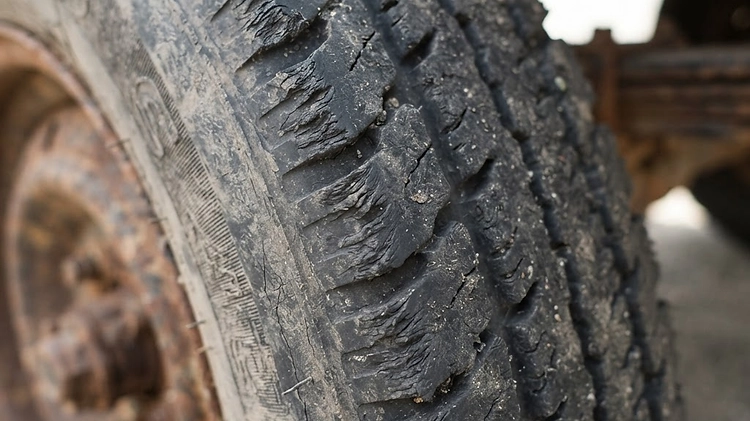
When an axle is misaligned, the tires are forced to scrub laterally against the road surface. This can happen if the trailer hits a severe pothole, if the U-bolts shift, or if the axle itself becomes bent from overloading. If you frequently haul heavy loads in demanding environments—such as oilfield hotshot runs requiring trailers for sale in Texas or heavy construction in Houston, TX—regular alignment checks are mandatory.
Edge wear, where only the inside or outside shoulder of the tire wears down rapidly, points to camber issues or overloading. A bent axle that has lost its natural upward bow (positive camber) will cause the tires to lean inward under load, rapidly scrubbing away the inner tread. For more details on measuring and correcting these angles, see our Trailer Axle Alignment Procedure Guide and our Trailer Axle Camber Explained resource.
Center Wear vs. Shoulder Wear: The Inflation Factor
While suspension issues cause erratic wear patterns, uniform but premature wear is typically an inflation problem.
- Center Wear: When a tire is overinflated, the center of the tread bulges outward and bears the brunt of the load. This reduces the contact patch, compromising traction and causing the center ribs to wear out long before the shoulders.
- Shoulder Wear (Both Edges): Underinflation causes the tire to sag, placing excessive pressure on the outer shoulders while the center lifts slightly off the road. Underinflation also generates massive amounts of heat, which is the leading cause of trailer tire blowouts.
Maintaining the correct tire pressure is the easiest way to prevent these issues. Consider upgrading to an automated monitoring system; our Trailer TPMS vs. ATIS Guide and Trailer TPMS Installation Buying Guide can help you choose the right setup for your rig.
What to Look For: A Step-by-Step Tire Inspection Routine
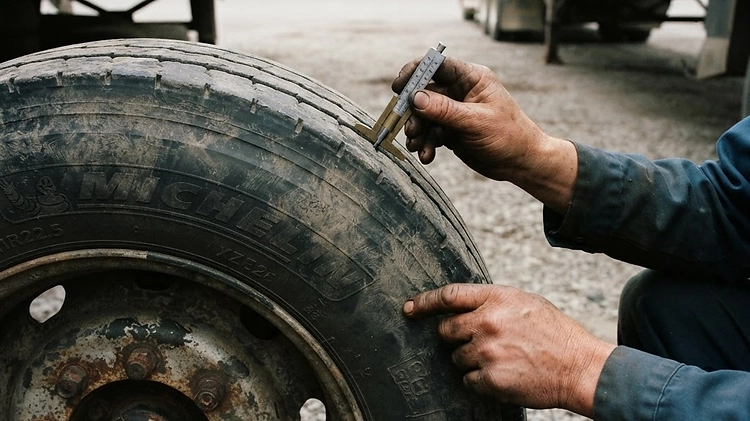
To catch suspension and alignment issues early, implement a strict pre-trip and monthly inspection routine.

Key Specifications for Tire Inspections
| Wear Pattern | Visual/Tactile Cue | Primary Suspect | Required Action | | :--- | :--- | :--- | :--- | | Cupping | Dips or scallops around the tread | Worn suspension, loose bearings, out-of-balance | Inspect bearings, balance wheels, check suspension | | Feathering | Sawtooth feel across the tread ribs | Axle misalignment (Toe issues) | Perform axle alignment check | | One-Sided Edge Wear | Smooth wear on inside or outside shoulder | Bent axle, loss of camber, overloading | Check axle camber and payload limits | | Center Wear | Bald strip down the middle | Overinflation | Adjust to manufacturer recommended PSI | | Dual Shoulder Wear | Both outer edges worn down | Underinflation | Inflate to max cold PSI for the load |
Run your bare hand gently across the tread blocks to feel for feathering or cupping that might not be immediately visible. Check the sidewalls for weather cracking, and always ensure your trailer is loaded evenly side-to-side. If you are upgrading your fleet to handle heavier payloads without bending axles, consider robust options like the 2027 PJ T6 7x20 Gooseneck Gravity Tilt Equipment Trailer or a heavy-duty 2026 BEDBOSS Dually ArmorBed Flatbed Truck Bed.
Bottom Line
Your trailer tires are the canary in the coal mine for your suspension system. By paying close attention to wear patterns like cupping, feathering, and edge wear, you can diagnose failing bushings, loose bearings, and misaligned axles before they leave you stranded. Make tire inspections a non-negotiable part of your maintenance routine, and always address the root mechanical cause rather than just slapping on a new set of rubber.
For more expert advice on maintaining your hauling equipment, explore our comprehensive Guides Hub. If you're dealing with chronic suspension failures and it's time to upgrade your rig, browse our nationwide Shop Inventory or check out our trailers for sale in Florida and beyond to find a heavy-duty solution built to last. Be sure to also review our Electric Trailer Brake Adjustment and Maintenance Guide and Commercial Trailer Suspension Alignment Guide to keep your entire running gear in top shape.
FAQ
Have Questions? We're Here to Help
Still unsure which trailer fits your needs, or need specs, pricing or delivery advice? The Prime Trail Trailers team is ready to answer your questions and help you find the right rig.
Prime Trail Trailers
Prime Trail Trailers is a family-owned trailer dealer in Markle, Indiana, stocking utility, dump, enclosed, equipment, car hauler and gooseneck trailers with nationwide delivery. This guide is based on what our customers ask us most and the trailers we sell every day.
More about Prime Trail Trailers