
Trailer Axle Alignment and Tire Wear: 2026 Maintenance Guide
Learn how to diagnose trailer axle alignment issues, measure toe and camber, and prevent uneven tire wear with our comprehensive 2026 maintenance guide.
Quick Summary
Learn how to diagnose trailer axle alignment issues, measure toe and camber, and prevent uneven tire wear with our comprehensive 2026 maintenance guide.
Proper trailer axle alignment is critical for safe towing, optimal fuel economy, and maximizing the lifespan of your trailer tires. Unlike tow vehicles, trailer wheels do not steer, which makes their alignment geometry simpler but often overlooked. When an axle is out of alignment, the trailer may "dog track" (pull to one side), increase rolling resistance, and cause rapid, uneven tire wear. This guide covers the essential measurements, common symptoms of misalignment, and how to maintain proper axle geometry.
Understanding Trailer Axle Alignment Geometry
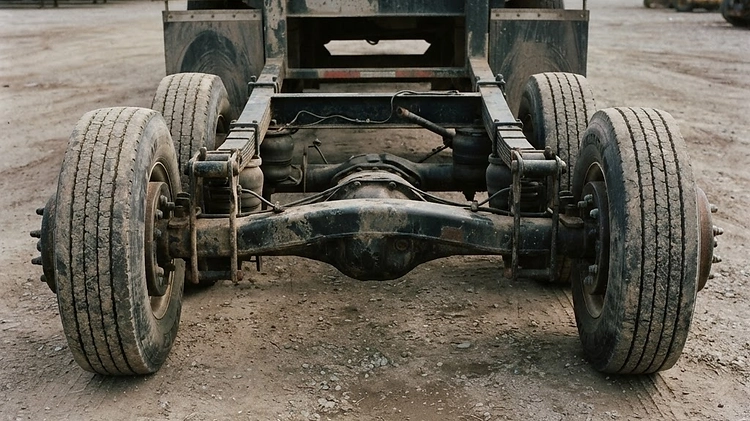
Trailer axle alignment relies on three primary measurements: toe, camber, and squareness (thrust angle). Keeping these angles within the manufacturer's tolerance range ensures the trailer tracks straight behind the tow vehicle.
Toe Angle
Toe refers to whether the front of the wheels point inward (toe-in) or outward (toe-out) compared to the back. Trailers require zero toe, meaning the wheels should be perfectly parallel to the trailer's centerline. Even a slight toe error can cause the tires to scrub against the pavement, leading to severe feathered wear across the tread.
Camber Angle
Camber is the vertical tilt of the wheel. Most trailer axles are manufactured with a slight positive camber (an upward bow in the center of the axle tube). When the trailer is loaded to its capacity, the axle flexes downward, bringing the wheels into a neutral, flat position on the road. If the axle is bent or overloaded, it can result in negative camber, causing the inside shoulder of the tire to wear prematurely.
Thrust Angle and Squareness
The thrust angle measures how square the axles are to the trailer's centerline (typically measured from the kingpin or coupler). The axles must be perfectly perpendicular to the direction of travel. The industry standard tolerance for thrust angle is typically ± 0.1 degrees. If the axle is skewed, the trailer will dog track, meaning it travels at an angle rather than directly behind the tow vehicle.

Common Symptoms of Axle Misalignment
Identifying alignment issues early can save you from replacing expensive trailer tires or experiencing a blowout on the highway. Look for these common warning signs:
- Uneven Tire Wear: Feathered tread, cupping, or excessive wear on one shoulder of the tire are classic signs of incorrect toe or camber.
- Dog Tracking: If you can see the side of your trailer in your tow vehicle's mirrors while driving straight, the axles are likely out of square.
- Vibration or Pulling: A trailer that pulls to one side or vibrates excessively at highway speeds may have alignment or suspension issues.
- Visible Leaning: If the wheels appear to lean inward at the top when the trailer is unloaded, the axle may have lost its positive camber.
How to Check Trailer Axle Alignment
While professional laser alignment is recommended for precise adjustments, you can perform a basic alignment check at home using a tape measure and a straightedge.
Measuring Squareness
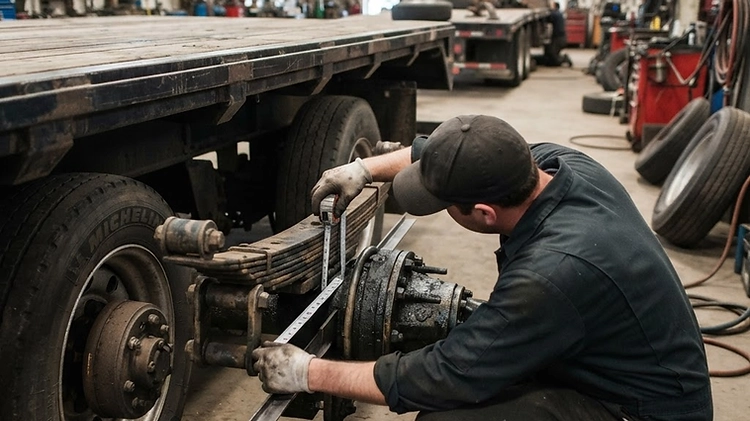
To check if the axle is square to the trailer, measure the distance from the center of the coupler to the center of the front axle hub on both sides. The measurements should be identical. For tandem axles, measure the distance between the front and rear hubs on both sides to ensure the axles are parallel.
Checking Toe with a Straightedge
Place a long, perfectly straight piece of material (like a straight 2x4 or angle iron) against the sidewall of the tires at hub height. The straightedge should touch the front and rear sidewall bulges of all tires on that side evenly. If there is a gap, the toe angle is off.


Causes of Trailer Axle Misalignment
Trailers rarely lose their alignment without an external cause. Understanding what causes misalignment can help you prevent it:
- Overloading: Exceeding the trailer's Gross Vehicle Weight Rating (GVWR) or axle capacity can permanently bend the axle tube, destroying the factory camber.
- Impact Damage: Hitting deep potholes, curbs, or debris at highway speeds can bend the spindle or shift the axle on its suspension mounts.
- Worn Suspension Components: Degraded leaf spring bushings, broken equalizers, or loose U-bolts allow the axle to shift out of square during braking and cornering.
- Improper Loading: Consistently loading heavy cargo on one side of the trailer can cause uneven suspension wear and alter the alignment.
Professional Alignment and Maintenance
If your home measurements indicate an issue, or if you are experiencing severe tire wear, it's time for a professional alignment. Reputable trailer shops use laser alignment tools to measure toe, camber, and thrust angle down to fractions of a degree.
What to Expect from a Professional Alignment
A proper alignment service should include a thorough inspection of the suspension system. Worn bushings, cracked springs, or loose hardware must be replaced before the alignment is adjusted. On leaf spring suspensions, alignment is often corrected by adjusting the position of the axle on the springs or replacing worn components. If the axle tube itself is bent, replacement is usually the safest and most cost-effective solution.


Bottom Line
Routine alignment checks are a crucial part of trailer maintenance. By monitoring your tire wear and performing basic measurements, you can catch alignment issues before they lead to costly repairs or dangerous blowouts. If you suspect your trailer is out of alignment, schedule a professional inspection to ensure your equipment is safe and ready for the road. Explore our Trailer Maintenance guides for more tips, or visit our Shop to find high-quality replacement parts and new trailers.
FAQ
Have Questions? We're Here to Help
Still unsure which trailer fits your needs, or need specs, pricing or delivery advice? The Prime Trail Trailers team is ready to answer your questions and help you find the right rig.
Prime Trail Trailers
Prime Trail Trailers is a family-owned trailer dealer in Markle, Indiana, stocking utility, dump, enclosed, equipment, car hauler and gooseneck trailers with nationwide delivery. This guide is based on what our customers ask us most and the trailers we sell every day.
More about Prime Trail Trailers