
Electric Trailer Brake Adjustment and Maintenance Guide
Learn how to properly adjust, inspect, and maintain your electric trailer brakes to ensure safe towing, optimal stopping power, and DOT compliance.
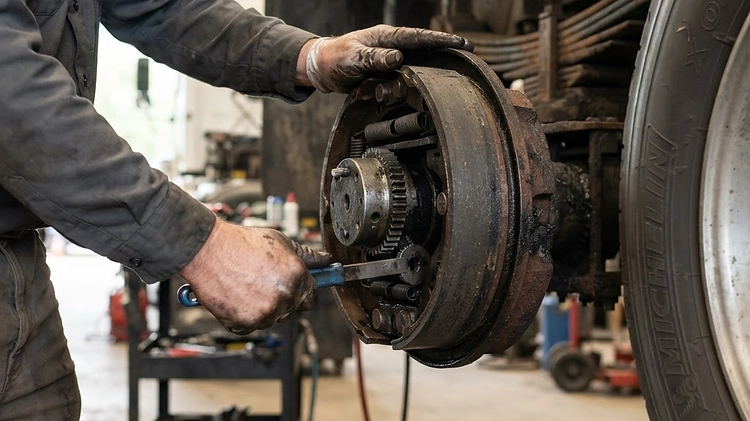
Quick Summary
Learn how to properly adjust, inspect, and maintain your electric trailer brakes to ensure safe towing, optimal stopping power, and DOT compliance.
Properly functioning electric trailer brakes are the unsung heroes of safe towing, especially when hauling heavy loads across state lines. Whether you are pulling a loaded dump trailer to a job site or transporting vehicles, neglecting your trailer brakes can lead to increased stopping distances, premature wear on your tow vehicle, and dangerous sway conditions. This comprehensive guide covers everything you need to know about electric trailer brake adjustment, magnet inspection, and shoe replacement to keep your rig stopping safely.
Understanding Electric Trailer Brakes
Electric trailer brakes operate using an electromagnet that is actuated by your tow vehicle's brake controller. When you apply the brakes, electricity flows to the magnet, which is attracted to the rotating armature surface of the brake drum. This friction causes the actuating arm to move, pushing the brake shoes against the inside of the drum to stop the trailer. Understanding this mechanism is crucial for effective trailer maintenance.
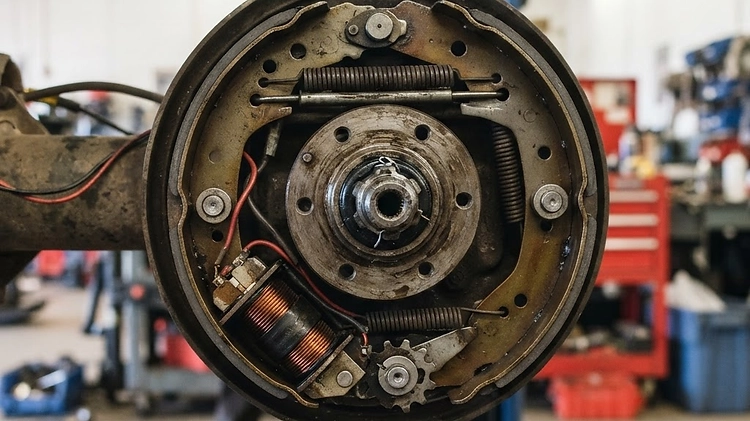
Unlike hydraulic surge brakes, electric brakes give the driver more control, allowing for manual actuation in sway situations. However, because the brake shoes wear down over time, the distance between the shoes and the drum increases. If this gap becomes too large, the electromagnet cannot push the shoes far enough to engage the drum effectively, resulting in weak or non-existent braking power. Regular adjustment is required to maintain the optimal gap and ensure your equipment trailers or dump trailers stop reliably.
Signs Your Trailer Brakes Need Adjustment or Replacement
Catching brake issues early can save you from costly repairs and dangerous situations on the road. If you frequently haul heavy loads, such as construction equipment in Houston, TX, or navigate steep grades, your brakes will require more frequent attention.
Here are the most common signs that your electric trailer brakes need adjustment or replacement:
- Weak Braking Power: The trailer feels like it is pushing the tow vehicle when stopping.
- Uneven Braking: The trailer pulls to one side during braking, which could indicate a brake out of adjustment or a wiring issue.
- Locking Up: Brakes grab aggressively even at low controller settings, often caused by grease on the brake shoes or a faulty magnet.
- Squealing or Grinding Noises: Metal-on-metal sounds indicate that the brake shoes are completely worn down, and the backing plate or rivets are scoring the drum.
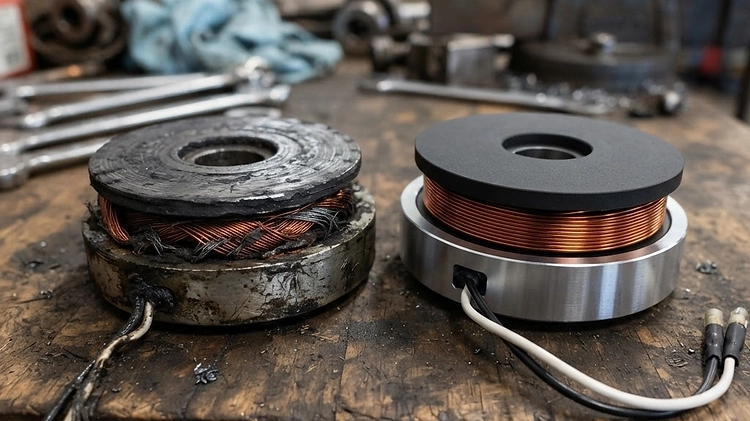
- Excessive Magnet Wear: If the magnet's friction surface is worn down to the copper coils, it must be replaced immediately.
If you notice any of these symptoms, it is time to inspect your brakes. For those looking to upgrade their hauling setup, check out our shop inventory for reliable options like the 2027 PJ T6 7x20 Gooseneck Gravity Tilt Equipment Trailer.
How to Adjust Electric Trailer Brakes (Step-by-Step)
Adjusting your electric trailer brakes is a straightforward process that should be performed every 3,000 miles or at the beginning of every hauling season. Proper adjustment ensures that the brake shoes are close enough to the drum to engage quickly without dragging.

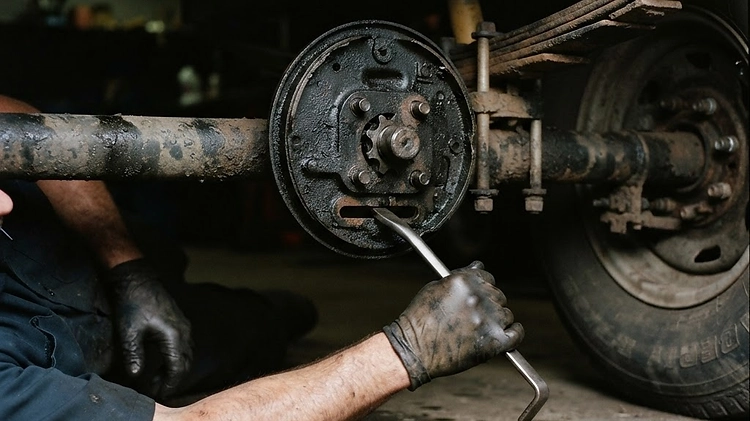
Step 1: Safely Jack Up the Trailer Park your trailer on a level surface, chock the wheels, and use a heavy-duty jack to lift the axle until the tire spins freely. Always support the trailer with appropriately rated jack stands. Never rely solely on a hydraulic jack when working under a trailer.
Step 2: Locate the Adjustment Port Look at the back of the brake backing plate. You will see one or two small rubber plugs at the bottom. Remove these plugs to access the star wheel adjuster inside the brake assembly.
Step 3: Adjust the Star Wheel Using a brake adjustment spoon or a flathead screwdriver, turn the star wheel to expand the brake shoes. Spin the tire by hand as you adjust. Continue expanding the shoes until you feel a heavy drag on the tire, making it difficult to spin.
Step 4: Back Off the Adjuster Once the shoes are tight against the drum, back the star wheel off (usually 7 to 10 clicks) until the tire spins freely with only a slight, intermittent scraping sound. This indicates the shoes are properly positioned just off the drum surface.
Step 5: Repeat and Test Repeat this process for all wheels. Once complete, test the brakes using your tow vehicle's brake controller at a low speed to ensure even braking. For more insights on maintaining your trailer's running gear, read our guide on Trailer Axle Camber Explained and Commercial Trailer Suspension Alignment.
Trailer Brake Shoe Replacement and Magnet Inspection
Even with regular adjustment, brake shoes and magnets will eventually wear out. When inspecting your brakes, you must evaluate both components to ensure safe operation, especially if you are hauling across states like Texas or Florida.
| Component | Good Condition | Needs Replacement | | :--- | :--- | :--- | | Brake Shoes | Minimum 1/16" of friction material remaining above the rivets. | Material worn below 1/16", cracked, or contaminated with grease. | | Electromagnet | Smooth surface, four visible wear indicator holes. | Wear holes no longer visible, copper coils exposed, or uneven wear. | | Brake Drum | Smooth armature surface, no deep scoring or heat checking. | Deep grooves, excessive rust, or armature surface worn beyond spec. | | Hardware | Springs are tight and free of excessive rust. | Broken, stretched, or heavily rusted springs and retaining clips. |
When replacing brake shoes, it is highly recommended to replace the entire backing plate assembly (which includes new shoes, magnets, springs, and hardware). This is often more cost-effective and ensures all components are fresh and functioning correctly. If you are running a heavy-duty setup like the 2026 Horizon 8.5x20 16K Tilt Deck Equipment Trailer, reliable brakes are non-negotiable.
Key Specifications: What to Look For in Replacement Brakes
When sourcing replacement brakes, you must match the specifications of your existing axles. Installing the wrong size or capacity brakes can lead to catastrophic failure.

Axle Capacity: Brakes are rated to match the axle capacity (e.g., 3,500 lb, 5,200 lb, 7,000 lb, or 10,000 lb axles). Never install brakes rated for a lower capacity than your axle.
Brake Dimensions: Measure the diameter of the brake drum and the width of the brake shoe. Common sizes include 10" x 2.25" (for 3,500 lb axles) and 12" x 2" (for 5,200-7,000 lb axles).
Mounting Flange: Ensure the new backing plate matches the bolt pattern on your axle's mounting flange (typically 4-bolt or 5-bolt patterns).
Self-Adjusting vs. Manual: Consider upgrading to forward self-adjusting (FSA) brakes. These automatically adjust the shoe gap as you drive, reducing maintenance frequency. For more maintenance tips, check out our Trailer Axle Alignment and Tire Wear Guide and our Trailer Breakaway System Maintenance Guide.
Bottom Line
Maintaining your electric trailer brakes is a critical aspect of safe towing. Regular adjustments, thorough inspections, and timely replacements of worn components will ensure your trailer stops reliably, protecting your cargo, your tow vehicle, and other drivers on the road. Don't wait until you hear grinding noises to check your brakes.
If you are looking for a new, reliable trailer with top-tier braking systems, explore our extensive inventory at Prime Trail Trailers. Browse our shop today to find the perfect trailer for your hauling needs, and ensure your setup is always road-ready. Also, consider reading our Trailer TPMS Installation Guide for additional safety upgrades.
FAQ
Have Questions? We're Here to Help
Still unsure which trailer fits your needs, or need specs, pricing or delivery advice? The Prime Trail Trailers team is ready to answer your questions and help you find the right rig.
Prime Trail Trailers
Prime Trail Trailers is a family-owned trailer dealer in Markle, Indiana, stocking utility, dump, enclosed, equipment, car hauler and gooseneck trailers with nationwide delivery. This guide is based on what our customers ask us most and the trailers we sell every day.
More about Prime Trail Trailers