Trailer TPMS Guide: How to Choose and Install Tire Pressure Monitoring Systems
Prevent blowouts and extend tire life with our 2026 guide to Trailer Tire Pressure Monitoring Systems (TPMS). Learn how to choose, install, and maintain them.
Prime Trail Trailers Published 2026-10-20Updated 2026-10-20T09:05:50.544000
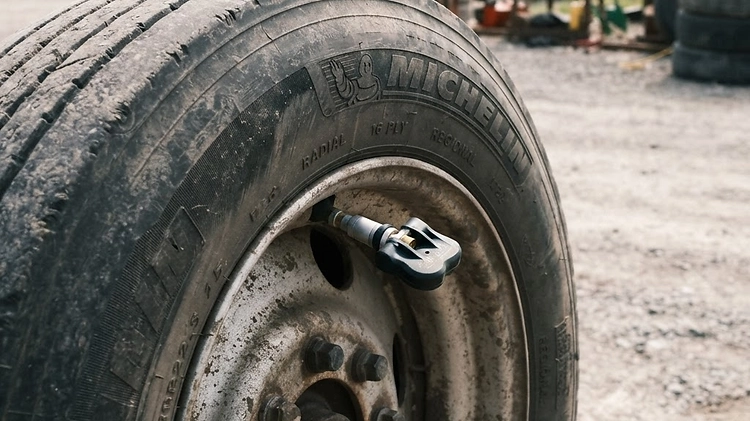
A flow-through TPMS sensor allows for real-time pressure monitoring and easy inflation without removing the cap.
Quick Summary
Prevent blowouts and extend tire life with our 2026 guide to Trailer Tire Pressure Monitoring Systems (TPMS). Learn how to choose, install, and maintain them.
<p>Towing a heavy load without knowing your trailer's tire pressure is a gamble that often ends in catastrophic blowouts, damaged axles, and dangerous roadside emergencies. A Trailer Tire Pressure Monitoring System (TPMS) is no longer a luxury; it is a critical safety component for anyone hauling equipment, livestock, or commercial freight. By providing real-time data on tire pressure and internal temperatures, a TPMS allows you to detect slow leaks and overheating bearings before they destroy your tires or cause an accident.</p><h2>Why Every Trailer Needs a TPMS in 2026</h2><p>Unlike your tow vehicle, which likely has a factory-installed TPMS, your trailer's tires are completely blind to the driver. When a trailer tire loses pressure, the sidewall flexes excessively, generating massive amounts of heat. Within miles, the tire can disintegrate. A dedicated trailer TPMS bridges this gap, transmitting live data directly to your cab.</p>
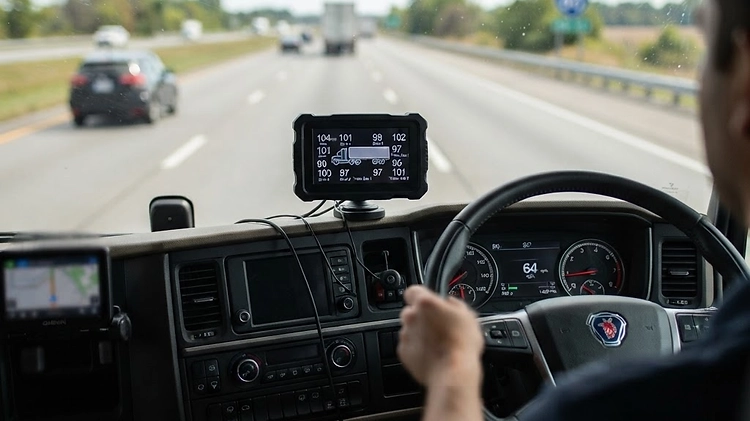
Dedicated TPMS monitors provide real-time alerts for pressure drops and temperature spikes while towing.
<p>Commercial operators and hotshot truckers understand that downtime is the enemy of profitability. According to recent fleet maintenance data, underinflated tires are the leading cause of trailer tire failure. When you are hauling a <a href="https://primetrailtrailers.com/shop/2027-horizon-het-85x20-gravity-tilt-equipment-trailer-21k-gvwr-10k-super-singles-16-tilt-deck-drive-/">2027 Horizon HET 8.5x20 Gravity Tilt Equipment Trailer</a> loaded with heavy machinery, a blowout at highway speeds can be disastrous. A TPMS alerts you the moment pressure drops below your set threshold, giving you time to pull over safely. For more on maintaining your tires, check out our <a href="https://primetrailtrailers.com/guides/trailer-tire-load-range-psi-guide/">Trailer Tire Load Range and PSI Guide</a>.</p><h2>Cap Sensors vs. Flow-Through Sensors: Which is Best?</h2><p>When shopping for a trailer TPMS, you will primarily choose between two types of valve stem sensors: cap sensors and flow-through sensors. Understanding the difference is key to selecting the right system for your hauling needs.</p>
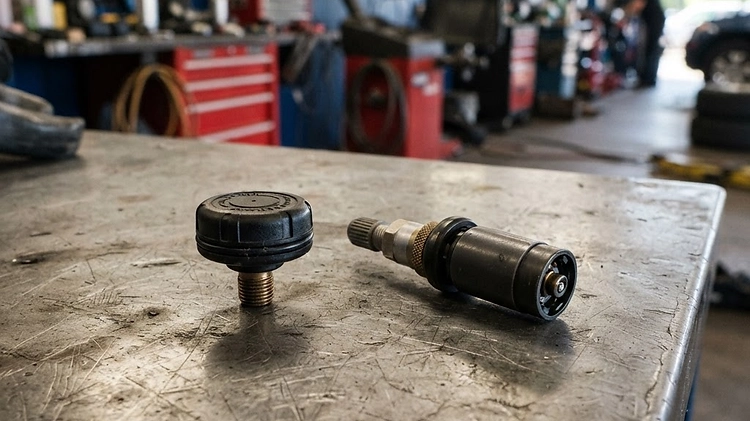
Choosing between cap sensors and flow-through sensors depends on your trailer type and maintenance routine.
<p><strong>Cap Sensors:</strong> These replace your standard valve stem caps. They are lightweight, easy to install, and feature anti-theft locking nuts. However, you must remove them every time you need to add air to the tire. They are ideal for standard <a href="https://primetrailtrailers.com/trailers/enclosed-trailers/">enclosed trailers</a> and utility setups.</p><p><strong>Flow-Through Sensors:</strong> These screw onto the valve stem but feature their own valve, allowing you to inflate or deflate the tire without removing the sensor. They are slightly longer and heavier, meaning they require metal valve stems to prevent flexing at high speeds. Flow-through sensors are the preferred choice for heavy-duty <a href="https://primetrailtrailers.com/trailers/equipment-trailers/">equipment trailers</a> and commercial rigs where frequent pressure adjustments are necessary.</p><h2>Key Specifications to Look For in a Trailer TPMS</h2><p>Not all TPMS kits are created equal. When outfitting a heavy-duty rig, such as a <a href="https://primetrailtrailers.com/shop/2026-pj-trailers-l6-85x24-10k-deckover-straight-deck-pull-out-ramps-f10k824p/">2026 PJ Trailers L6 8.5X24 10k Deckover</a>, you need a system robust enough to handle the distance and interference.</p>
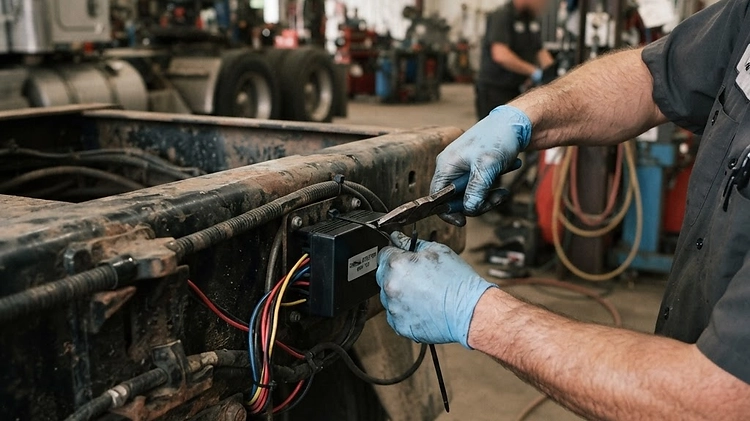
Long trailers require a signal booster to ensure the TPMS monitor receives uninterrupted data from the rear axles.
<ul><li><strong>Signal Range and Boosters:</strong> A standard TPMS might struggle to send a signal from the rear axles of a 40-foot trailer to the cab. Look for systems that include a signal booster (repeater) to ensure uninterrupted data transmission.</li><li><strong>Temperature Monitoring:</strong> Heat is the silent killer of trailer tires and wheel bearings. A quality TPMS will monitor internal air temperature, alerting you if a dragging brake or failing bearing is causing the wheel end to overheat (typically triggering an alarm around 158°F).</li><li><strong>Customizable Alerts:</strong> You should be able to set high-pressure, low-pressure, and high-temperature thresholds specific to your tire's load range.</li><li><strong>Display Options:</strong> Choose between a dedicated dashboard monitor or a smartphone-integrated system via Bluetooth. Dedicated monitors are often preferred for commercial hauling as they free up your phone and provide constant visibility.</li></ul><h2>How to Install and Calibrate Your Trailer TPMS</h2><p>Installing a TPMS is a straightforward process that can be completed in under an hour. Start by turning on the monitor and programming your baseline tire pressures according to the tire sidewall specifications. Next, install the signal booster. The booster should be wired to a 12V power source on the trailer or tow vehicle, ideally positioned halfway between the monitor and the furthest sensor.</p><p>Once the monitor and booster are active, screw the sensors onto the corresponding valve stems one by one, waiting for the monitor to register each tire's pressure and temperature. Ensure you use the provided anti-theft nuts if parking your trailer in unsecured areas. If you are operating <a href="https://primetrailtrailers.com/locations/trailers-for-sale-in-texas/">trailers for sale in Texas</a> or other high-heat regions, proper calibration is essential, as ambient temperatures will naturally increase tire pressure during transit.</p><h2>Integrating TPMS with Routine Trailer Maintenance</h2><p>A TPMS is a monitoring tool, not a replacement for physical inspections. You must still perform regular visual checks of your tire tread depth (minimum 1/32" for trailers per FMCSA regulations) and sidewall condition. Furthermore, a high-temperature alert from your TPMS often points to a mechanical issue rather than just a tire problem. It could indicate a failing wheel bearing or a locked brake shoe. Always integrate your TPMS data with a comprehensive maintenance schedule. Review our <a href="https://primetrailtrailers.com/guides/trailer-suspension-maintenance-guide/">Ultimate Trailer Suspension Maintenance Guide</a> and our <a href="https://primetrailtrailers.com/guides/trailer-breakaway-system-maintenance-dot-compliance/">Trailer Breakaway Systems Maintenance Guide</a> to ensure your entire undercarriage is road-ready.</p><h2>Bottom Line</h2><p>Investing in a high-quality Trailer TPMS is one of the most cost-effective ways to protect your cargo, your equipment, and your life on the road. Whether you are hauling construction materials through <a href="https://primetrailtrailers.com/locations/houston-tx/">Houston, TX</a> or transporting livestock across the country, real-time tire data provides invaluable peace of mind. Ready to upgrade your hauling setup? Explore our extensive inventory of heavy-duty trailers at the Prime Trail Trailers <a href="https://primetrailtrailers.com/shop/">shop</a> or visit our <a href="https://primetrailtrailers.com/guides/">guides hub</a> for more expert advice.</p>
FAQ
Have Questions? We're Here to Help
Still unsure which trailer fits your needs, or need specs, pricing or delivery advice? The Prime Trail Trailers team is ready to answer your questions and help you find the right rig.
Prime Trail Trailers is a family-owned trailer dealer in Markle, Indiana, stocking utility, dump, enclosed, equipment, car hauler and gooseneck trailers with nationwide delivery. This guide is based on what our customers ask us most and the trailers we sell every day.