
Trailer TPMS vs. ATIS: 2026 Guide to Automatic Tire Inflation and Monitoring Systems
Discover the differences between Trailer TPMS and Automatic Tire Inflation Systems (ATIS). Learn how to monitor pressure, prevent blowouts, and extend tire life.
Quick Summary
Discover the differences between Trailer TPMS and Automatic Tire Inflation Systems (ATIS). Learn how to monitor pressure, prevent blowouts, and extend tire life.
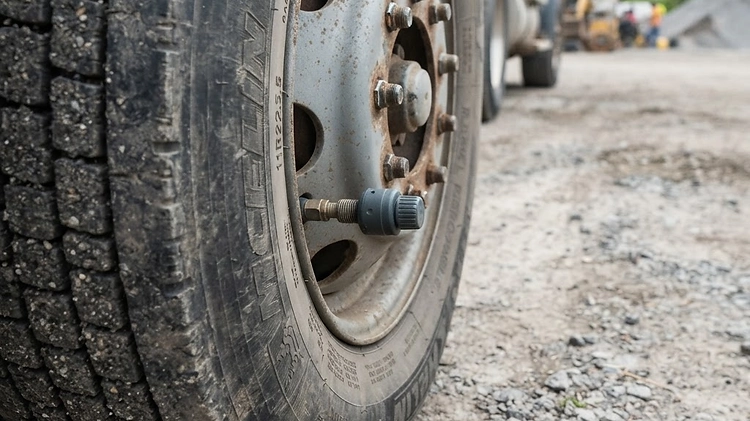
Maintaining proper tire pressure is the single most critical factor in preventing trailer blowouts, extending tread life, and maximizing fuel economy. Yet, manual gauge checks are often neglected, leaving heavy loads vulnerable to slow leaks and sudden failures. Modern technology bridges this gap with two distinct solutions: Tire Pressure Monitoring Systems (TPMS) and Automatic Tire Inflation Systems (ATIS). This guide breaks down how these systems work, their key differences, and which setup is right for your hauling needs.\n\n## The High Cost of Trailer Tire Neglect\n\nRunning underinflated tires on a heavy-duty trailer generates excessive heat, which degrades the rubber compound and inevitably leads to catastrophic blowouts. Whether you are hauling a skid steer on an equipment trailer or transporting goods across the country, tire failure means costly downtime, potential cargo damage, and serious safety risks.\n\n

\n\nWhile manual pressure checks before every trip are essential, they cannot detect a puncture that occurs while you are rolling down the highway. A slow leak from a nail can easily go unnoticed until the tire disintegrates. This is where active monitoring and inflation systems become invaluable, providing real-time data and automated corrections to keep your trailer safely on the road. For commercial operators looking for trailers for sale in Texas, investing in these systems is a proven way to reduce operating costs.\n\n## How Trailer TPMS (Tire Pressure Monitoring Systems) Work\n\nA Trailer TPMS uses wireless sensors mounted on each wheel to continuously measure tire pressure and temperature. This data is transmitted to a display monitor in the tow vehicle's cab, alerting the driver instantly if a tire falls outside the safe operating range.\n\nMost aftermarket systems use external cap-style sensors that screw onto the valve stems, making them easy to install on everything from enclosed trailers to heavy-duty goosenecks. Advanced systems can monitor up to 20 tires, making them ideal for multi-axle setups. By catching a slow leak early or detecting a dragging brake through a sudden temperature spike, a TPMS allows you to pull over safely before a blowout occurs. For more on axle health, see our Trailer Axle Alignment and Tire Wear Guide.\n\n## Understanding ATIS (Automatic Tire Inflation Systems)\n\nWhile a TPMS tells you there is a problem, an Automatic Tire Inflation System (ATIS) actually fixes it. ATIS is predominantly used on commercial air-brake trailers and draws from the trailer's air supply to automatically inflate any tire that drops below the target pressure.\n\n

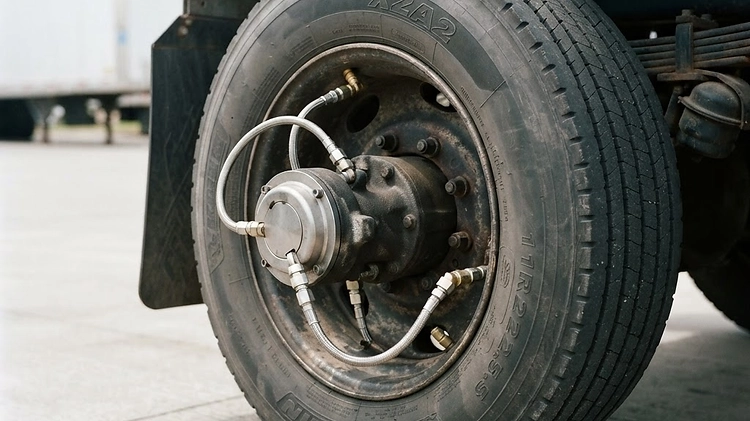
\n\nIf a tire picks up a nail and develops a slow leak, the ATIS will continuously feed air into that tire to maintain the correct pressure while you drive. This self-correcting capability overcomes roughly 97% of common tire leaks, allowing drivers to safely reach a service center instead of changing a tire on the shoulder of a busy highway. For fleets operating out of hubs like Houston, TX, ATIS significantly reduces roadside service calls and delivery delays.\n\n## TPMS vs. ATIS: Which System Does Your Trailer Need?\n\nChoosing between TPMS and ATIS depends on your trailer type, budget, and hauling frequency. Here is a quick comparison:\n\n* Function: TPMS monitors and alerts; ATIS automatically maintains pressure.\n* Application: TPMS works on any trailer (electric or air brakes); ATIS requires an onboard air supply, making it standard for commercial semi-trailers but rare on light-duty utility trailers.\n* Installation: TPMS is a simple DIY upgrade; ATIS requires professional installation involving the trailer's axles and air system.\n* Cost: TPMS is highly affordable (typically $200-$500); ATIS is a larger capital investment but offers a rapid ROI for commercial fleets.\n\nMany commercial operators use a hybrid approach, running TPMS on the tractor and ATIS on the trailer. If you are upgrading your setup, consider pairing these systems with a reliable equipment trailer or a premium 2027 Horizon HET 8.5x20 Gravity Tilt Equipment Trailer.\n\n## Installation and Maintenance Best Practices\n\nInstalling a cap-style TPMS takes less than an hour. Simply thread the sensors onto metal valve stems (rubber stems can flex and fail under the weight of the sensor at highway speeds), pair them to the monitor, and set your baseline pressures based on the tire manufacturer's load/inflation tables. Never use the maximum pressure listed on the sidewall as your default target.\n\n

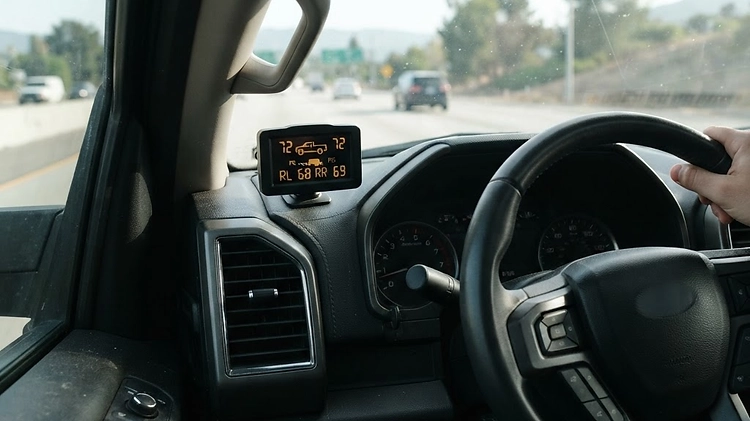
\n\nFor long trailers, you may need to install a signal booster to ensure a reliable connection between the rear sensors and the cab monitor. Regular maintenance involves checking sensor batteries annually and verifying readings with a calibrated manual gauge. Proper tire care goes hand-in-hand with brake maintenance; learn more in our Electric Trailer Brake Adjustment and Maintenance Guide.\n\n## Bottom Line\n\nWhether you choose the real-time alerts of a TPMS or the self-correcting power of an ATIS, active tire management is a non-negotiable upgrade for serious haulers. These systems pay for themselves by preventing a single blowout. Ready to upgrade your hauling capabilities? Explore our full inventory of heavy-duty trailers, including the 2026 BEDBOSS Dually ArmorBed Flatbed Truck Bed, or visit our Guides Hub for more expert advice on trailer maintenance, including our Trailer Axle Camber Explained and Commercial Trailer Suspension Alignment Guide.
FAQ
Have Questions? We're Here to Help
Still unsure which trailer fits your needs, or need specs, pricing or delivery advice? The Prime Trail Trailers team is ready to answer your questions and help you find the right rig.
Prime Trail Trailers
Prime Trail Trailers is a family-owned trailer dealer in Markle, Indiana, stocking utility, dump, enclosed, equipment, car hauler and gooseneck trailers with nationwide delivery. This guide is based on what our customers ask us most and the trailers we sell every day.
More about Prime Trail Trailers