
The Ultimate Livestock Trailer Sanitation & Maintenance Guide
Learn how to properly clean and sanitize your livestock trailer to prevent disease, protect your animals, and extend the life of your trailer's flooring.
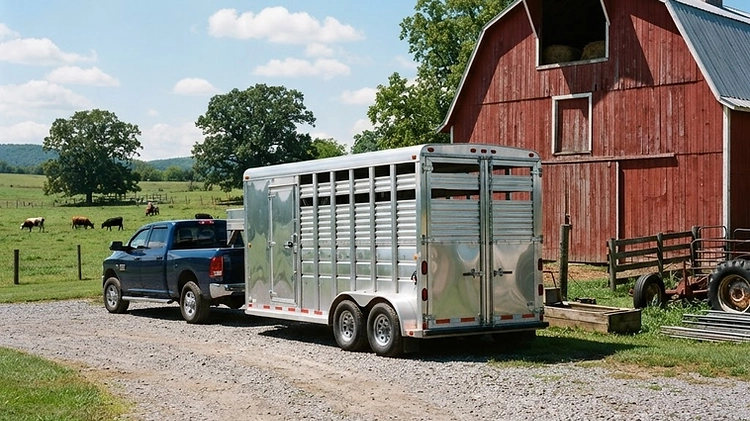
Transporting cattle, horses, or swine comes with a unique set of biosecurity and equipment challenges. A dirty livestock trailer isn't just an eyesore; it is a breeding ground for respiratory, gastrointestinal, and skin diseases that can devastate a herd. Proper sanitation and routine maintenance are critical to protecting your animals' health and preserving the structural integrity of your trailer.
The Hidden Costs of Poor Livestock Trailer Sanitation
Failing to properly clean your trailer after every haul can lead to severe consequences for both your livestock and your equipment. Cross-contamination between loads is one of the leading causes of disease spread in the agricultural sector. When organic matter like manure, urine, and soiled bedding is left to sit, it creates a toxic environment.
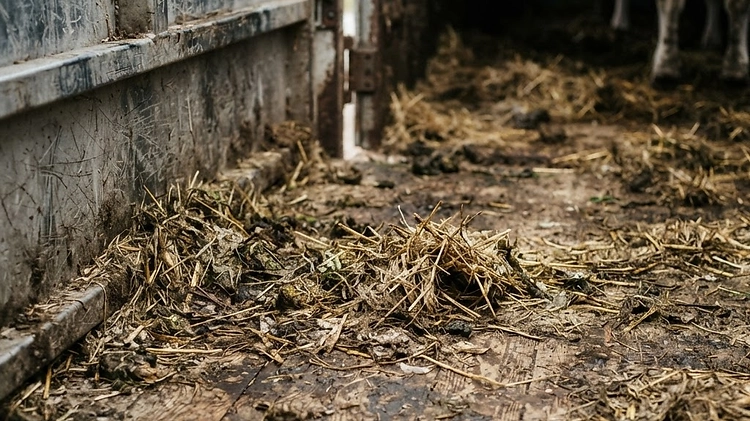
Ammonia buildup from urine not only causes respiratory stress in animals but also accelerates corrosion on your trailer's frame and decking. Even high-quality aluminum trailers can suffer from pitting and degradation if exposed to acidic animal waste for prolonged periods. For commercial haulers and farmers looking for trailers for sale in Texas, where heat can bake organic matter onto surfaces, immediate and thorough cleaning is non-negotiable. Maintaining your trailer is just as important as knowing why your dump trailer won't lift or following a strict dump trailer maintenance checklist.
Step-by-Step Livestock Trailer Washout Guidelines
Achieving a truly sanitized trailer requires more than just a quick rinse with a garden hose. You must follow a systematic approach to break down biofilms and eliminate pathogens.

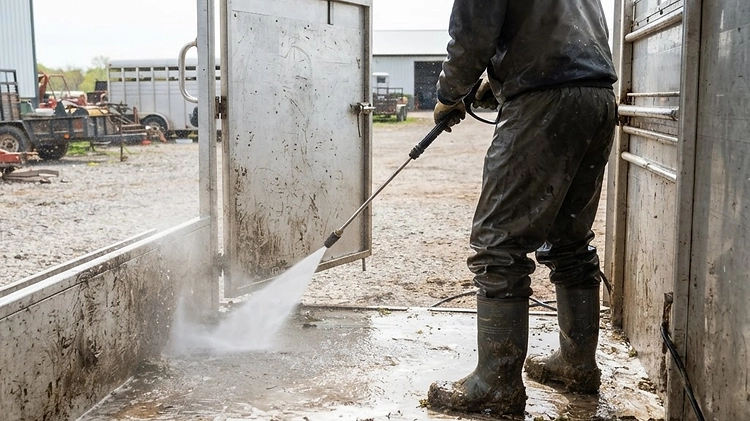
- Remove All Organic Material: Before water ever touches the trailer, use shovels, scrapers, and stiff brooms to remove all manure, soiled bedding, and loose dirt. Organic matter neutralizes most disinfectants, rendering them useless if not removed first.
- Pre-Rinse: Use a high-pressure washer to blast away remaining debris from the floors, walls, gates, and hinges. Pay special attention to the washout gaps and corners where waste tends to accumulate.
- Apply Detergent: Wash the interior with a heavy-duty, livestock-safe detergent and hot water. Scrub the walls and floors with a stiff brush to break down grease and stubborn biofilms.
- Rinse and Disinfect: Rinse the detergent completely. Once the trailer is clean, apply a commercial-grade disinfectant approved for livestock environments.
- Dry Completely: Allow the trailer to air dry completely before adding fresh bedding or loading animals. Moisture breeds bacteria, so drying is a critical final step.
Choosing the Right Disinfectants for Aluminum and Steel
Not all cleaning chemicals are safe for your trailer's construction materials. Using the wrong product can cause irreversible damage to the metal.

For aluminum livestock trailers, such as the 2023 EBY Maverick 20' Aluminum Gooseneck Livestock Trailer, you must avoid harsh chemicals like bleach. Bleach is highly corrosive to aluminum and will cause rapid oxidation and pitting. Instead, use products like Chlorhexidine or Synbiont Ag Wash, which are highly effective against pathogens but gentle on aluminum surfaces. Steel trailers with powder-coated finishes are slightly more resilient, but mild, non-corrosive disinfectants are still recommended to protect the paint and prevent rust.
Floor Mat and Decking Maintenance
Your trailer's floor takes the brunt of the abuse during transport. Whether you have treated wood, extruded aluminum, or rubber flooring, routine inspection and deep cleaning are vital.
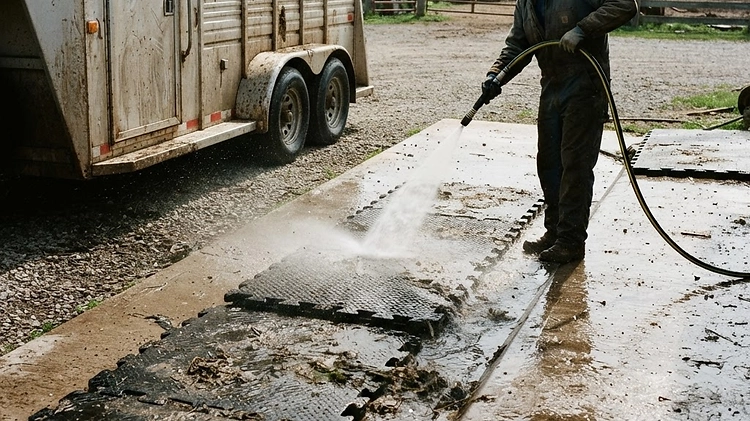
At least every three months—or more frequently during heavy hauling seasons—you must completely remove the rubber floor mats. Wash both sides of the mats with soap and water, and thoroughly scrub the decking underneath. Inspect the floor for any signs of rot, soft spots, or severe corrosion. If you are hauling heavy cattle in trailers for sale in Indiana, a compromised floor is a massive safety hazard. Ensure the floor and mats are 100% dry before reinstalling them to prevent trapped moisture.
Key Specifications: What to Look For in an Easy-to-Clean Trailer
When browsing the shop inventory for a new trailer, consider features that make sanitation easier and more effective.
| Feature | Benefit for Sanitation & Maintenance | | :--- | :--- | | Extruded Aluminum Flooring | Resists rot and corrosion better than wood; easier to pressure wash. | | Washout Gaps | Allows water and waste to easily flow out of the trailer during cleaning. | | Cleated Rubber Mats | Provides traction for animals while being removable for deep cleaning. | | Slam Latches | Fewer moving parts and crevices for manure to get packed into. | | Vented Sides | Improves airflow to dry the trailer faster after washing. |
Models like the 2025 Big Bend 6'8"X24' Stock / Stock Combo Trailer are designed with heavy-duty use and ease of maintenance in mind.
Bottom Line
Proper sanitation of your livestock trailer is a critical component of animal husbandry and equipment maintenance. By establishing a strict washout routine, using the correct cleaning agents, and regularly inspecting your flooring, you protect your herd from disease and extend the lifespan of your investment. For more expert advice on maintaining your hauling equipment, explore our comprehensive guides hub. If you're in the market for an upgrade, check out our full lineup of equipment trailers and livestock haulers today.
Shop Related Trailers
FAQ
Have Questions? We're Here to Help
Still unsure which trailer fits your needs, or need specs, pricing or delivery advice? The Prime Trail Trailers team is ready to answer your questions and help you find the right rig.