
Standard Flatbed and Deckover Trailer Dimensions: 2026 Sizing & Legal Limits Guide
Discover the standard dimensions, weight capacities, and legal limits for flatbed, deckover, and step deck trailers in our comprehensive 2026 sizing guide.
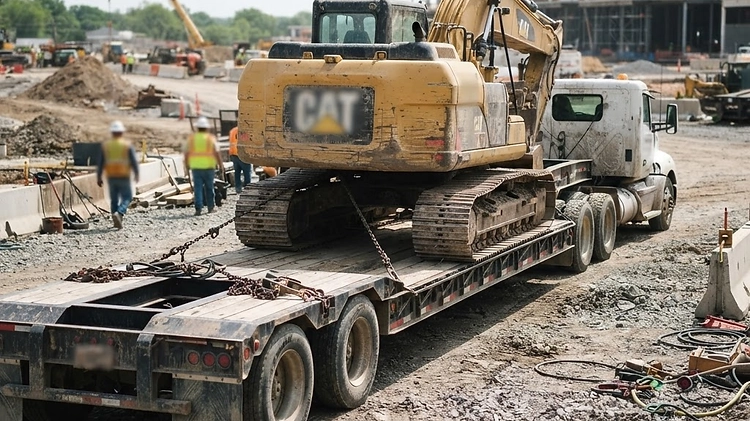
Whether you are hauling heavy construction machinery, oversized agricultural equipment, or bulk building materials, choosing the right trailer size is the foundation of a safe and profitable haul. Flatbed and deckover trailers offer unparalleled versatility for loading and unloading, but their dimensions dictate exactly what you can legally transport. Understanding the precise measurements, deck heights, and federal versus state regulations is critical for owner-operators and commercial fleets alike.
In this comprehensive 2026 guide, we break down the standard dimensions for flatbed, deckover, and step deck trailers. We will also explore how these measurements impact your payload capacity and help you navigate the complex web of legal height and width limits across different states.
Standard Flatbed Trailer Dimensions & Capacities
A standard flatbed trailer is the workhorse of the commercial hauling industry, designed to transport cargo that doesn't require an enclosed space or simply won't fit inside standard dry vans.

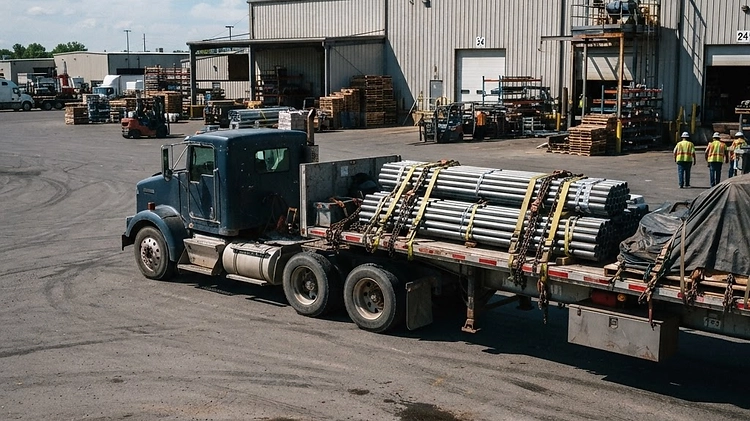
Typically, standard flatbed trailers range from 48 to 53 feet in length. The legal maximum width for a commercial flatbed is 102 inches (8 feet, 6 inches), which accommodates standard palletized freight and most heavy machinery. The deck height on a standard flatbed usually sits around 60 inches (5 feet) off the ground. This deck height is crucial because it directly impacts the maximum height of the cargo you can load without exceeding state height restrictions.
When it comes to weight, a standard 48-foot or 53-foot flatbed can typically handle a payload capacity of up to 48,000 pounds, depending on the axle configuration and the trailer's tare weight. If you are looking for reliable options, browsing flatbed trailers can give you a sense of the heavy-duty steel and aluminum builds available today. For those outfitting a tow vehicle, a robust bed like the 2026 BEDBOSS Dually ArmorBed Flatbed Truck Bed provides the necessary foundation for heavy gooseneck towing.
Deckover Trailer Dimensions: Maximizing Usable Width
While standard flatbeds have their place, deckover trailers offer a distinct advantage for specific types of wide cargo. On a standard utility or equipment trailer, the deck sits between the wheel wells, limiting the usable width. A deckover trailer, as the name implies, features a deck that rests entirely above the wheels.


This design provides a completely flat, unobstructed surface that spans the full 102-inch legal width limit. Deckover trailers are typically available in lengths ranging from 16 to 40 feet. Because the deck sits above the tires, the deck height is generally higher than a standard equipment trailer, often measuring between 32 and 36 inches off the ground. This makes them ideal for side-loading with forklifts or hauling wide equipment like tractors and skid steers.
For heavy-duty applications, models like the 2026 PJ Trailers L6 8.5X24 10k Deckover offer the perfect balance of length and unobstructed width. You can explore more configurations in our deckover trailers inventory. If you are expanding your fleet in high-demand areas, finding the right trailers for sale in Texas or specifically Houston trailer delivery can streamline your operations.
Step Deck and Drop Deck Trailers: Height Clearance Solutions
When your cargo is exceptionally tall, a standard flatbed's 60-inch deck height might push your total height over legal limits. This is where step deck (or drop deck) trailers come into play.


A step deck trailer features a two-level design: an upper deck that clears the tractor's fifth wheel, and a lower rear deck that drops down to sit closer to the ground. The lower deck typically sits about 39 to 40 inches off the ground. This 20-inch difference compared to a standard flatbed allows you to haul taller equipment—up to 10 feet tall in many states—without requiring an oversize permit.
Step decks usually measure 48 to 53 feet in total length, with the upper deck taking up about 10 to 11 feet and the lower deck providing 37 to 42 feet of usable space. They maintain the standard 102-inch width and generally weigh between 10,000 and 11,000 pounds empty, leaving ample room for heavy payloads within the 80,000-pound gross vehicle weight limit.
2026 Legal Limits: Width, Height, and Weight Regulations
Navigating the legal dimensions for commercial hauling requires understanding both federal and state regulations.
- Width: The federal standard for commercial motor vehicles is 102 inches (8.5 feet). Anything wider requires an oversize permit and potentially escort vehicles, depending on state laws.
- Height: A common misconception is that there is a federal height limit. In reality, there is no federal vehicle height limit in the United States. States set their own height restrictions, which typically range from 13 feet 6 inches (common in eastern states) to 14 feet (common in western states). Always calculate your total height (deck height + cargo height) and check the specific regulations for every state on your route.
- Weight: The federal gross vehicle weight (GVW) limit is 80,000 pounds (tractor, trailer, and cargo combined).
For more insights on sizing your equipment properly, check out our other guides in the Trailer Sizes cluster, such as What Size Utility Trailer Do I Need? and What Size Livestock Trailer Do I Need?.
Key Specifications to Look For
When comparing flatbed and deckover trailers, keep these key specifications in mind:
| Feature | Standard Flatbed | Deckover Trailer | Step Deck Trailer | | :--- | :--- | :--- | :--- | | Typical Length | 48' - 53' | 16' - 40' | 48' - 53' | | Usable Width | 102 inches | 102 inches | 102 inches | | Deck Height | ~60 inches | 32" - 36" | ~40" (lower deck) | | Best For | Standard freight, long materials | Wide equipment, side-loading | Tall machinery, oversized height |
Bottom Line
Choosing between a standard flatbed, a deckover, or a step deck trailer comes down to the specific dimensions of the cargo you haul most frequently. By understanding deck heights, usable widths, and state-level legal limits, you can maximize your payload capacity while avoiding costly oversize permits and fines. Ready to upgrade your hauling capabilities? Browse our complete inventory at the Prime Trail Trailers shop to find the perfect fit for your next job.
FAQ
Have Questions? We're Here to Help
Still unsure which trailer fits your needs, or need specs, pricing or delivery advice? The Prime Trail Trailers team is ready to answer your questions and help you find the right rig.