Trailer Width Codes Explained: 80, 96, and 102-Inch Dimensions
Understand the differences between 80, 96, and 102-inch trailer width codes to ensure legal compliance, safe towing, and the right fit for your cargo.
Prime Trail Trailers Published 2026-10-25Updated 2026-10-25T09:04:42.538000
Understanding trailer width codes is essential for safe and legal hauling across state lines.
Quick Summary
Understand the differences between 80, 96, and 102-inch trailer width codes to ensure legal compliance, safe towing, and the right fit for your cargo.
<p>When shopping for a new trailer, length and payload capacity often dominate the conversation, but trailer width is just as critical for safe and legal hauling. Understanding standard trailer width codes—specifically 80, 96, and 102 inches—ensures your equipment fits, your load remains stable, and you comply with Department of Transportation (DOT) regulations.</p><h2>Why Trailer Width Matters More Than Length</h2><p>Trailer width dictates what you can haul and where you can legally tow it. While a longer trailer gives you more deck space, the width determines whether a side-by-side UTV, a wide-track skid steer, or palletized cargo will physically fit between the fenders or on the deck. Furthermore, federal and state laws strictly regulate maximum trailer widths to ensure highway safety.</p>
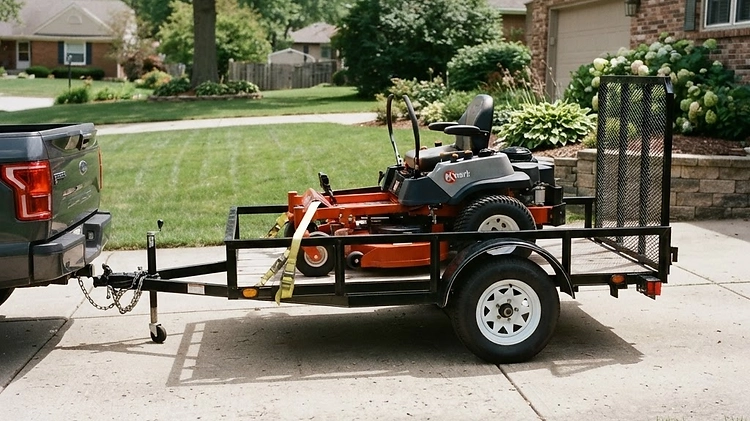
An 80-inch width is perfect for navigating tight residential streets and standard gates.
<h2>The 80-Inch Width: Standard Utility and Landscape Trailers</h2><p>The 80-inch width (often nominalized in the 6.5-foot to 7-foot range) is the standard for most light-to-medium duty utility and landscape trailers. This width is ideal for navigating residential streets, fitting through standard gates, and towing behind half-ton pickups or SUVs without requiring extended tow mirrors.</p><p>If you are looking at <a href="https://primetrailtrailers.com/trailers/utility-trailers/">utility trailers</a> for hauling a single ATV, a zero-turn mower, or general yard waste, an 80-inch width provides ample space while keeping the trailer's footprint manageable. For example, a standard 6x12 utility trailer typically features a usable deck width of around 72 inches, with the fenders bringing the total exterior width closer to 80 inches.</p><h2>The 96-Inch Width: The Workhorse Standard</h2><p>A 96-inch (8-foot) width is the traditional standard for commercial hauling, enclosed cargo trailers, and older flatbed configurations. This width perfectly accommodates standard construction materials, such as 4x8 sheets of plywood or drywall, allowing them to lie flat on the deck.</p>
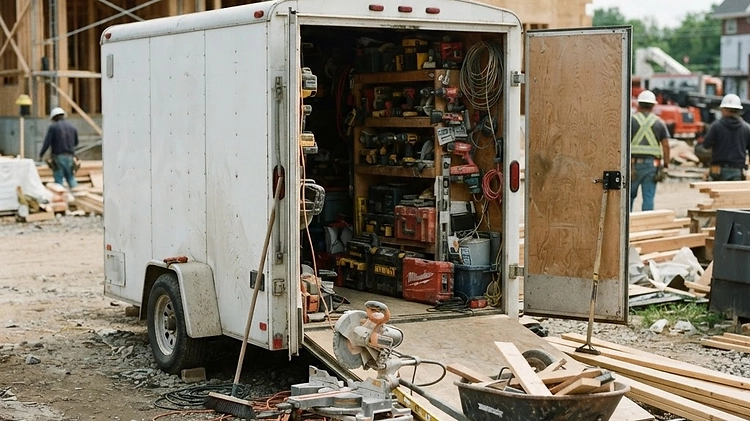
The 96-inch width is the traditional standard for enclosed cargo trailers and commercial work.
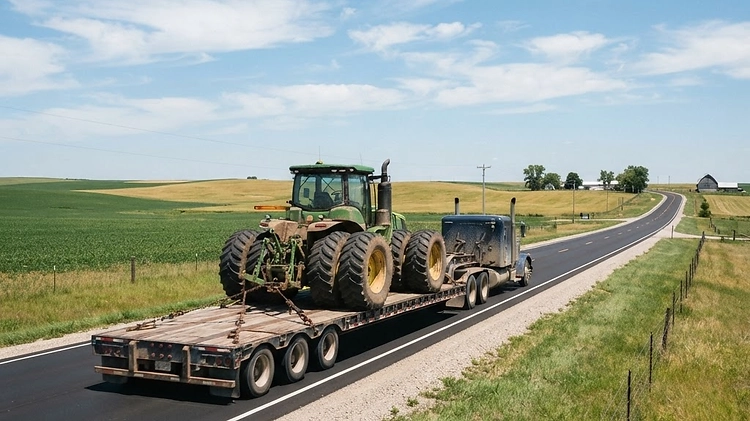
<p>Many <a href="https://primetrailtrailers.com/trailers/enclosed-trailers/">enclosed trailers</a> utilize the 96-inch exterior width to maximize interior cargo space while remaining easy to tow. However, it is crucial to remember that a 96-inch exterior width does not equal a 96-inch interior width. Wall thickness and framing typically reduce the usable interior width by 4 to 6 inches. If you need a reliable workhorse, consider checking out our <a href="https://primetrailtrailers.com/shop/2026-pj-trailers-l6-85x16-10k-deckover-straight-deck-pull-out-ramps-f10k816sp/">2026 PJ Trailers L6 8.5X16 10k Deckover</a>, which offers excellent deck space for demanding jobs.</p><h2>The 102-Inch Width: Maximum Legal Limit for Heavy Hauling</h2><p>For heavy equipment, wide-track vehicles, and maximum freight capacity, the 102-inch (8.5-foot) width is the ultimate solution. Under federal DOT regulations, 102 inches is the maximum legal width for commercial vehicles and trailers on the National Network of highways without requiring an oversize load permit.</p><p>This width is standard on most modern <a href="https://primetrailtrailers.com/trailers/deckover-trailers/">deckover trailers</a> and heavy-duty equipment haulers. By building the deck over the wheels, manufacturers can utilize the full 102-inch width for cargo. This is essential when hauling wide loads like dually trucks, large tractors, or side-by-side UTVs. For instance, the <a href="https://primetrailtrailers.com/shop/2027-maxx-d-ydx-85x32-225k-gooseneck-hydraulic-dovetail-dual-10k-dexter-axles-hydraulic-jacks-wirele/">2027 MAXX-D YDX 8.5x32 22.5K Gooseneck</a> maximizes this legal limit to provide a massive, stable platform for heavy hauling across states like <a href="https://primetrailtrailers.com/locations/trailers-for-sale-in-texas/">Texas</a> and <a href="https://primetrailtrailers.com/locations/trailers-for-sale-in-florida/">Florida</a>.</p>
Deckover trailers utilize the full 102-inch legal limit to provide maximum flat deck space.
<h2>Nominal vs. Real Interior Widths (Enclosed Trailers)</h2><p>When buying an enclosed trailer, the advertised width is almost always the exterior measurement. A nominal 8.5-wide (102-inch) trailer will typically have a rear door opening width of around 90 to 94 inches, depending on the ramp spring assist and door frame design. Always measure the narrowest point of entry—usually the rear door cables or the space between interior wheel wells—before assuming your vehicle or equipment will fit.</p><h2>Key Specifications: How to Measure Your Trailer Width</h2><ul><li><strong>Exterior Width:</strong> Measured from the outermost point on one side to the outermost point on the other (usually the fenders or rub rails). Must not exceed 102 inches for standard towing.</li><li><strong>Deck Width:</strong> The usable flat surface for cargo. On a deckover, this matches the exterior width. On a standard equipment trailer, it is the space between the fenders (typically 82 inches).</li><li><strong>Interior Width:</strong> For enclosed trailers, measured wall-to-wall inside the box.</li></ul><p>For more detailed sizing information, visit our <a href="https://primetrailtrailers.com/guides/">guides hub</a> and read our comprehensive <a href="https://primetrailtrailers.com/guides/what-size-enclosed-trailer-do-i-need-dimensions-guide/">What Size Enclosed Trailer Do I Need? 2026 Dimensions Guide</a> and <a href="https://primetrailtrailers.com/guides/maximum-legal-trailer-width-and-length-limits-2026-dot-state-regulations-guide/">Maximum Legal Trailer Width and Length Limits: 2026 DOT & State Regulations Guide</a>.</p><h2>Bottom Line</h2><p>Choosing between an 80, 96, or 102-inch trailer width comes down to your specific cargo, your tow vehicle, and your typical routes. While 102-inch trailers offer maximum capacity, they require more towing experience and wider mirrors. Assess your largest typical load, factor in the real usable deck space, and select the width that provides the best balance of capacity and maneuverability. Ready to find the perfect fit? Browse our complete inventory at <a href="https://primetrailtrailers.com/shop/">Prime Trail Trailers</a> today.</p>
FAQ
Have Questions? We're Here to Help
Still unsure which trailer fits your needs, or need specs, pricing or delivery advice? The Prime Trail Trailers team is ready to answer your questions and help you find the right rig.
Prime Trail Trailers is a family-owned trailer dealer in Markle, Indiana, stocking utility, dump, enclosed, equipment, car hauler and gooseneck trailers with nationwide delivery. This guide is based on what our customers ask us most and the trailers we sell every day.