
Box Trailer Uses, Sizes, and Features to Compare
Choosing an enclosed cargo trailer comes down to how you haul, what you protect and what your tow vehicle can handle. This guide breaks down practical uses, common sizes, must-check features and buying questions for commercial and personal buyers.
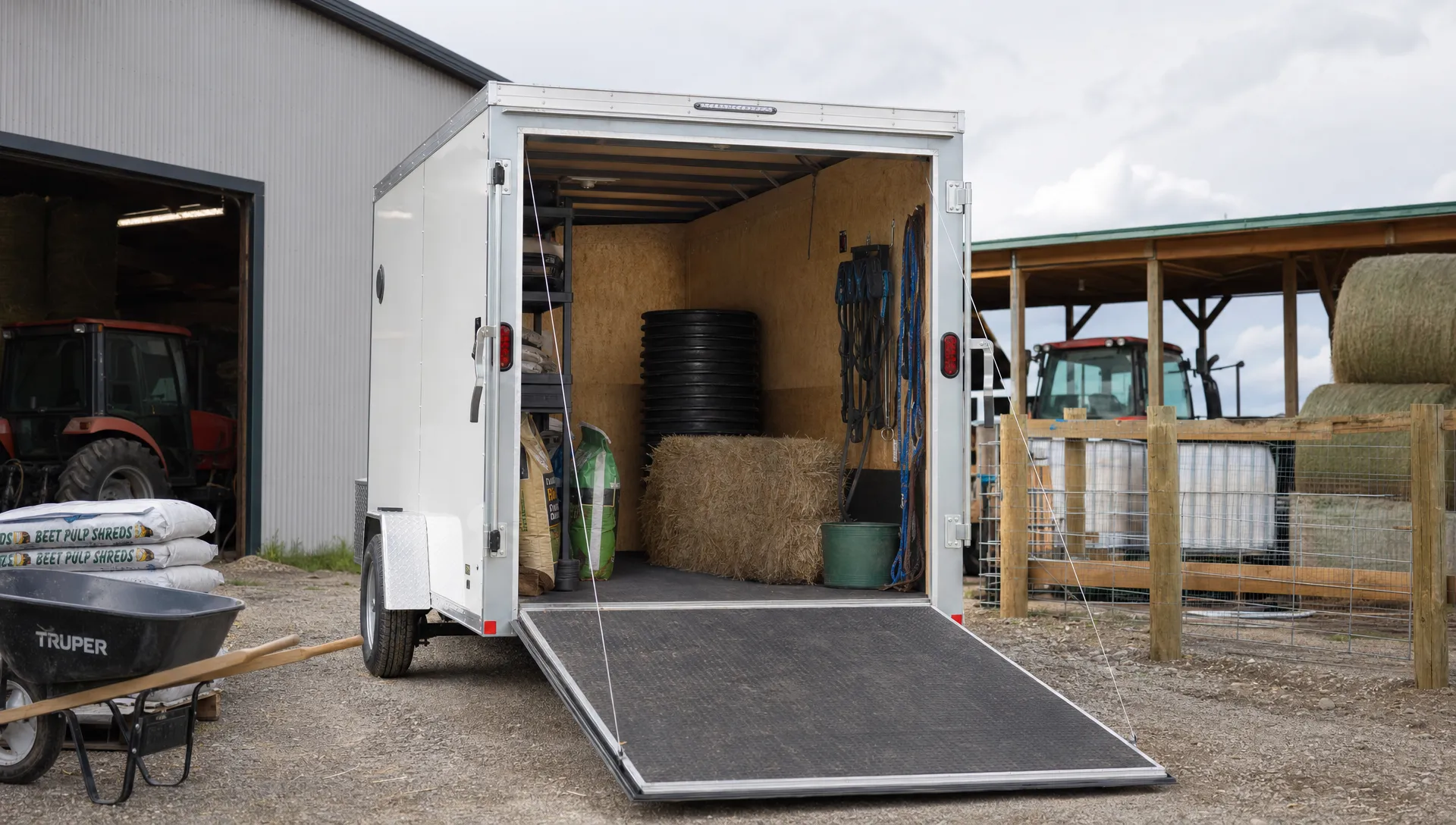
When contractors, small businesses and homeowners compare enclosed cargo options, a box trailer is usually on the shortlist because it combines protected storage with towable flexibility. Unlike an open utility trailer, its enclosed shell helps keep tools, inventory, furniture, materials and recreational gear covered while you move between jobs, farms, properties or storage locations.
For buyers searching for trailers for sale, the challenge is not deciding whether enclosed space is useful. It is choosing the right size, door style, weight rating and feature package for the work you actually do. This guide breaks down practical uses, common sizes and comparison points so you can shop with a clearer plan.
What Is a Box Trailer?
In the U.S. trailer market, the term usually overlaps with enclosed cargo trailer, enclosed trailer and covered trailer. The design is simple: an enclosed rectangular body mounted on a trailer frame, with cargo access through rear doors, a ramp door or side entry doors depending on configuration.
A box trailer makes the most sense when cargo protection, organization and security visibility matter more than having an open deck. It is often chosen for tools, packaged goods, moving supplies, landscaping equipment, event materials, powersports gear and farm or ranch supplies that should not be left exposed to rain, road debris or casual theft.
It is not the right answer for every haul. If you regularly move loose aggregates, heavy machinery, oversized pallets or vehicles, an equipment trailer, flatbed trailer, dump trailer or car hauler may be a better match. For a deeper look at enclosed load protection, Prime Trail Trailers also covers how a covered trailer protects valuable loads.
Common Uses for Enclosed Cargo Hauling
For many trade crews, a box trailer becomes a mobile tool room that can be loaded once, locked after the job and moved to the next site. That is especially useful for contractors, builders, roofers, remodelers, electricians, landscapers and other tradespeople who need repeatable organization instead of reloading a truck bed every morning.
Businesses also use enclosed trailers for delivery routes, event setup, mobile service work, inventory overflow and seasonal operations. Personal buyers often use them for moving, storage, camping gear, motorcycles, ATVs, hobby equipment or home projects.
| Buyer type | Common loads | Why enclosed space helps | |---|---|---| | Contractors and builders | Power tools, fasteners, saws, compressors, jobsite supplies | Keeps gear organized and protected between jobs | | Roofers and exterior crews | Ladders, underlayment, hand tools, safety gear | Reduces exposure to weather and jobsite clutter | | Landscapers | Trimmers, blowers, sprayers, hand tools, small equipment | Helps secure equipment overnight and during stops | | Retail and event teams | Displays, boxes, signage, tents, merchandise | Protects finished goods from rain and road grime | | Farms and ranches | Bagged feed, fencing supplies, parts, general supplies | Useful for mixed loads that should stay dry | | Household and recreation buyers | Furniture, boxes, camping gear, powersports accessories | Works for moving, storage and weekend projects |
The main limitation is loading height and interior space. Tall equipment, wide attachments and dense materials can push the limits faster than expected, so size and weight ratings matter just as much as the enclosed body.
Common Enclosed Trailer Sizes and How to Choose
A box trailer used mostly for hand tools can stay compact, while one used for jobsite materials, rolling equipment or business inventory usually needs more length, width and payload. Start with your largest regular load, not the smallest or most convenient one, then leave room for securement, walk space and future gear.
Trailer dimensions are only part of the decision. GVWR, payload capacity, axle setup, interior height, door opening size and tow vehicle rating all affect whether a trailer will work safely. Always compare the trailer specifications with the actual weight and shape of what you haul.
| Size class | Typical fit | Best for | What to check | |---|---|---|---| | 5' x 8' to 5' x 10' | Compact enclosed hauling | Small tools, light household loads, hobby gear | Interior height, axle rating, door opening | | 6' x 10' to 6' x 12' | Versatile light commercial use | Contractors with moderate tools, small business delivery, moving | Payload, rear door style, tie-down options | | 7' x 14' | More room for trade crews | Larger tool loadouts, jobsite supplies, organized shelving layouts | GVWR, brakes, ramp or barn doors, tow vehicle fit | | 8.5' wide and 16' or longer | Higher volume hauling | Business inventory, event equipment, larger recreational loads | Overall length, turning clearance, loaded weight |
Do not buy by floor length alone. A trailer that looks roomy may still have limited payload, and a compact trailer may be easier to tow but frustrating if your equipment grows.
Comparing 6' x 12' and 7' x 14' Options
For buyers who want a compact enclosed cargo trailer for tools, equipment or small loads, the 6' X 12' Continental Cargo Trailer - Tailwind Model w/ Barn Doors is a relevant option to compare because it is described as compact, lightweight and built with barn doors.
A contractor choosing a box trailer for secure interior storage plus exterior hauling capacity may want to compare a larger contractor-oriented configuration. The 7' X 14' Continental Cargo Trailer - Contractor Edition w/ Walk-On Roof, Racks is designed for professionals who need enclosed storage along with walk-on roof and rack features.
Those two sizes show a common buying decision. A 6' x 12' trailer can be easier to manage for lighter daily use, while a 7' x 14' format gives crews more room to organize equipment and materials. The right choice depends on what you haul every week, not only on what fits on one ideal day.
Features to Compare Before You Buy
The best enclosed trailer for daily work is the one that matches your load, route, tow vehicle and storage habits. Compare the build and layout details carefully before you focus on color or cosmetic preferences.
| Feature | Why it matters | Questions to ask | |---|---|---| | GVWR and payload | Determines how much the trailer can safely carry when loaded | What is the loaded weight of my typical cargo? | | Axle setup | Affects capacity, stability and maintenance needs | Do I need a single axle or tandem axle configuration? | | Rear door style | Changes loading speed and cargo access | Is a ramp door or barn door better for my work? | | Side door | Helps access tools without unloading the rear | Will I need quick access during the day? | | Interior height | Affects standing room and tall cargo clearance | Can I load my tallest equipment comfortably? | | Tie-down points | Keeps cargo from shifting during travel | Are there enough securement points for my loads? | | Roof and wall construction | Impacts durability and weather protection | How will the trailer be stored and used? | | Lighting and electrical | Improves visibility and legal road operation | Are all lights easy to inspect and service? | | Flooring | Handles wear from tools, carts and equipment | Will the floor handle my load type over time? | | Security features | Helps protect valuable cargo | How will I lock and monitor the trailer when parked? |
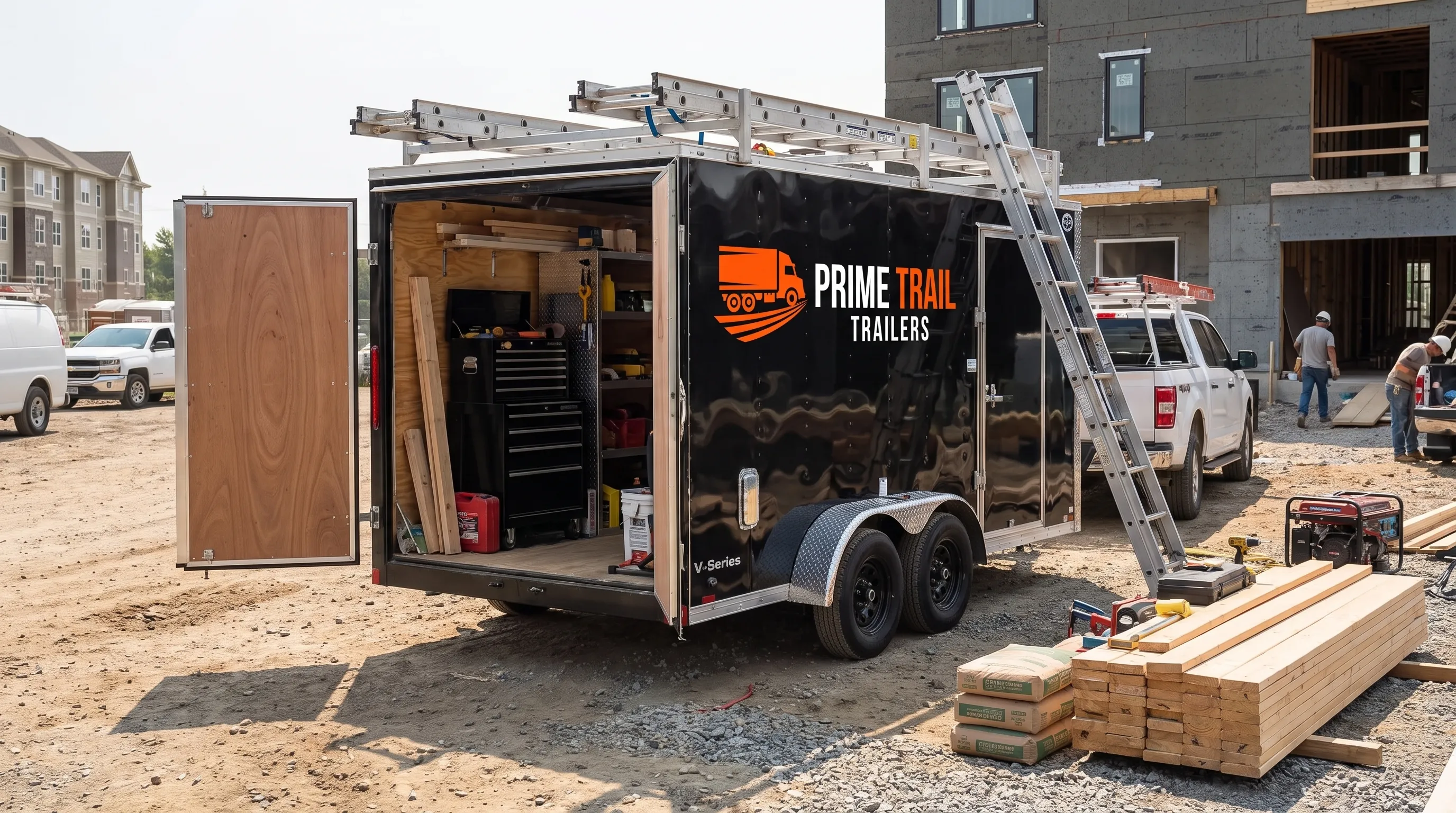
Door style deserves special attention. Barn doors can be useful when you load by hand, work in tight spaces or want the doors out of the way. A ramp door is often more convenient for wheeled equipment, carts or rolling toolboxes. If you routinely load with a forklift, compare door opening width, floor strength and overall access before buying.
Towing, Weight Ratings and Tow Vehicle Fit
Before buying a box trailer, confirm that your tow vehicle, hitch, ball mount, tires and brake controller are appropriate for the trailer when fully loaded. Empty trailer weight is not enough to make a safe decision because your tools, materials, shelving and spare equipment all add up quickly.
GVWR is the maximum rated loaded weight of the trailer. Payload is the amount of cargo the trailer can carry after accounting for the trailer itself. Tongue weight, hitch rating and tow vehicle capacity also matter, especially for contractors who carry dense materials or add permanent storage inside.
The National Highway Traffic Safety Administration advises trailer owners to pay close attention to loaded weight, tires, lights, brakes and securement before towing. For a broader decision framework, Prime Trail Trailers' trailer buyer's guide explains how to evaluate hauling needs, GVWR, payload, tow vehicle limits and trailer type.
Payload Can Run Out Before Space
This is a common mistake with enclosed trailers. Boxes, shelves and hand tools may look manageable, but roofing materials, tile, equipment, generators and bulk supplies can become heavy fast. If your work involves dense loads, compare payload capacity before you compare interior volume.
New vs Used Enclosed Trailers
If you are considering a used box trailer, inspect it like work equipment rather than a simple storage container. A lower purchase price can make sense when the trailer is structurally sound, properly titled and suitable for your towing setup, but hidden wear can erase the savings.
Check these areas before buying used:
- Frame condition, including rust, cracks, bends and previous repairs
- Axles, suspension, tires and wheel bearings
- Floor condition, especially soft spots, water damage and heavy gouges
- Roof seams, wall panels, door seals and signs of leaks
- Rear door or ramp operation, hinges, latches and cables if equipped
- Lights, wiring, breakaway system and brakes where applicable
- VIN plate, title status and any required registration documents
- Interior modifications that may add weight or reduce usable space
New trailers may appeal to buyers who want unused components, current configurations and a clean starting point for shelving or business branding. Used trailers can be a practical option when condition, capacity and documentation are verified. In both cases, compare actual specifications rather than relying only on photos.
When an Open Trailer Might Be Better
Enclosed cargo hauling is not always the most efficient choice. If you haul skid steers, compact tractors, pipe, lumber, pallets or vehicles, an open equipment trailer, flatbed trailer or car hauler may load faster and handle awkward cargo more easily. If you haul mulch, gravel, debris or demolition material, a dump trailer may save major unloading time.
Buyers who regularly carry oversized or side-loaded materials should also compare open deck options. Prime Trail Trailers has a separate guide to flatbed utility trailer features that covers payload, deck size, ramps, tie-down points, axles, brakes and lighting for daily work.
Questions to Ask Before Requesting Pricing
The best box trailer purchase starts with clear answers about your work, not just a size preference. Before you request availability or compare trailers for sale, write down how you plan to use the trailer over the next several years.
Ask these questions before you buy:
- What is the heaviest load I will carry in a normal week?
- Do I need barn doors, a ramp door or both rear and side access?
- Will I install shelving, racks or tool storage that adds permanent weight?
- How often will I tow on highways, rural roads, jobsites or tight neighborhoods?
- Can my current tow vehicle safely handle the loaded trailer?
- Do I need compact maneuverability or room to grow?
- Am I better served by an enclosed cargo trailer, utility trailer, dump trailer or equipment trailer?
Clear answers make it much easier for a trailer dealer to recommend a practical match instead of an oversized or undersized trailer.
Frequently Asked Questions
What is a box trailer used for? It is used for enclosed hauling when cargo needs protection from weather, road debris and easy visibility. Common uses include tools, equipment, business inventory, household moving, event supplies, farm supplies and recreational gear.
What size enclosed trailer should I buy? Choose the smallest trailer that safely fits your regular load with room for securement and future needs. Many buyers compare compact 5' x 8' or 6' x 12' options for light loads and larger 7' x 14' or wider trailers for trade and business use.
Are barn doors or a ramp door better? Barn doors are useful for hand loading, tight parking areas and quick access. Ramp doors are better for wheeled equipment, carts and rolling toolboxes. Your loading method should drive the choice.
Is an enclosed trailer better than an open utility trailer? It is better when cargo protection, organization and security matter. An open utility trailer may be better for oversized cargo, dirty materials, side loading or loads that do not need weather protection.
Do enclosed cargo trailers need brakes? Brake requirements depend on trailer weight rating, loaded weight and state rules. Many heavier trailers use electric brakes, but buyers should check the specific trailer specifications, local requirements and tow vehicle setup.
Should I buy a new or used enclosed trailer? New may be better if you want unused components and a clean setup for business use. Used may be a good value if the frame, floor, roof, doors, wiring, brakes, title and overall condition check out.
Compare Enclosed Trailers With Prime Trail Trailers
If you are ready to compare enclosed cargo trailers, utility trailers, dump trailers, equipment trailers or other hauling options, browse the current trailer inventory at Prime Trail Trailers. You can review available trailer types, compare specifications and request help choosing a trailer that fits your work, tow vehicle and hauling plans.
Prime Trail Trailers serves commercial, agricultural and personal buyers with new and used trailer options, transparent specifications, competitive pricing and nationwide delivery options. Request current pricing or availability when you find a trailer that matches your needs.
Have Questions? We're Here to Help
Still unsure which trailer fits your needs, or need specs, pricing or delivery advice? The Prime Trail Trailers team is ready to answer your questions and help you find the right rig.