
Gooseneck Enclosed Trailer Benefits for Secure Heavy Hauling
A gooseneck enclosed setup can make heavy hauling more secure, stable and organized. This guide explains where it fits, how it compares with other trailer types and what U.S. buyers should verify before purchase.
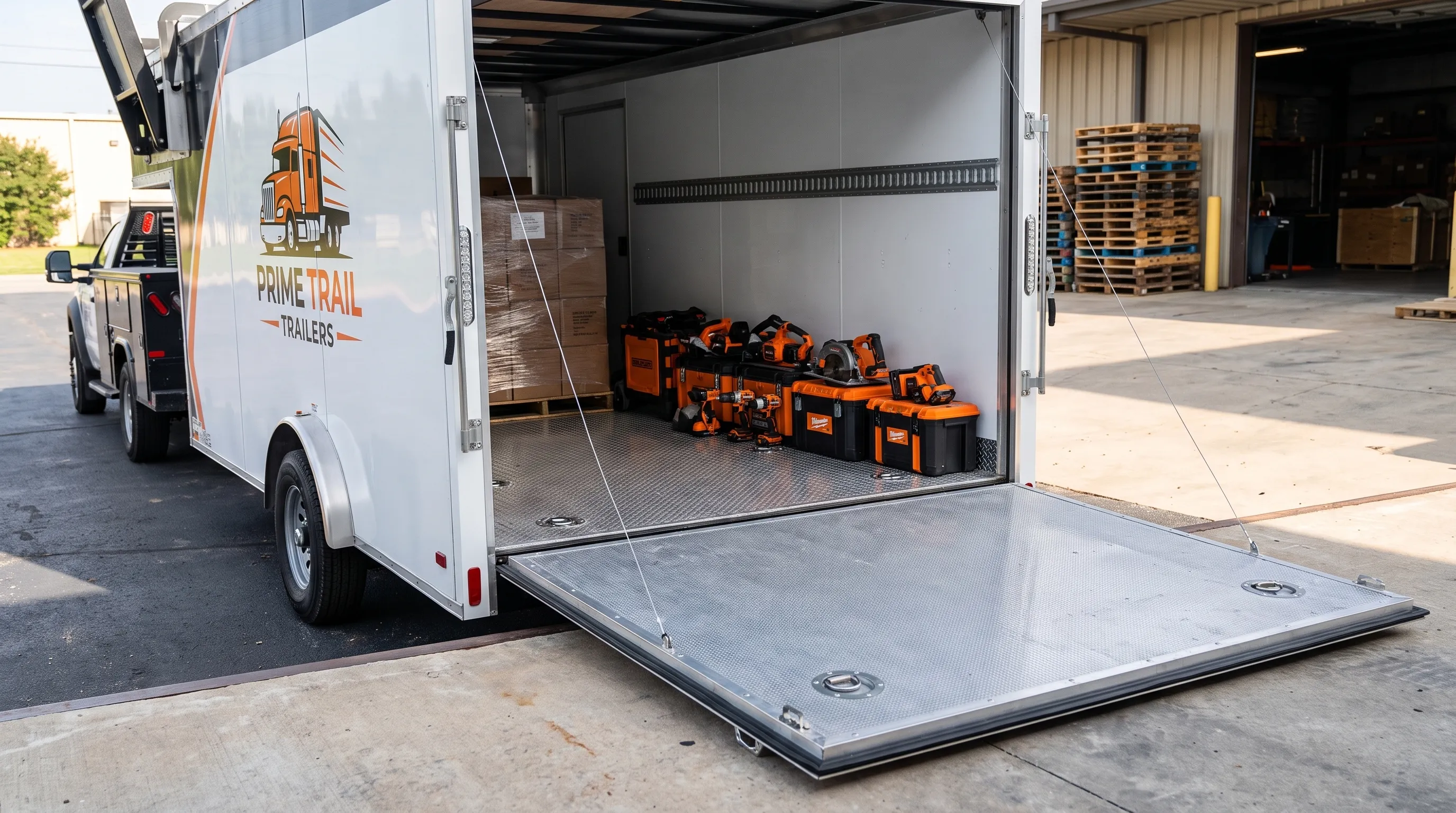
If you haul expensive tools, compact equipment, vehicles or jobsite materials, a gooseneck enclosed trailer can solve two problems at once: it gives you the towing stability associated with a gooseneck connection and the protection of a locked, covered cargo space. For contractors, farmers, fleet operators and vehicle haulers, that combination can make daily transport safer, cleaner and easier to manage.
This guide breaks down the practical benefits, where this trailer type fits best and what to verify before you buy. It is written for U.S. buyers comparing enclosed trailers, cargo trailers, equipment trailers and heavy hauling options before making a purchase.
Why a gooseneck enclosed trailer works for secure heavy hauling
A gooseneck hitch connects inside the pickup bed rather than behind the rear bumper. That position places tongue weight closer to the truck's rear axle, which can improve stability and reduce the loose, tail-heavy feeling some drivers experience with longer bumper-pull trailers.
The enclosed body adds a second layer of value. It helps protect cargo from rain, snow, road debris, sun exposure and casual theft visibility. If your business depends on tools, machines or parts arriving in usable condition, the trailer is more than a box on wheels. It is mobile storage, jobsite support and transportation in one setup.
This is why many buyers compare a gooseneck enclosed trailer against open gooseneck deckovers, bumper-pull enclosed cargo trailers and traditional equipment trailers before choosing a final configuration.
Key benefits for contractors, farmers and vehicle haulers
More stable towing for larger enclosed loads
Enclosed trailers catch more wind than open flatbeds because they have full-height walls and a roof. A gooseneck connection can help manage that larger trailer profile by improving weight placement over the tow vehicle. It also tends to track smoothly during turns, lane changes and backing maneuvers when paired with a properly rated truck.
That does not mean every heavy load is automatically safe. You still need to match the trailer's GVWR, payload capacity, axle ratings, tire ratings, hitch rating and the truck's towing limits. The NHTSA trailer safety guidance is a useful reminder that safe towing depends on the full system, not just the trailer.
Better security for valuable tools and equipment
A gooseneck enclosed trailer is especially useful when cargo value matters as much as cargo weight. Roofers, builders, landscapers and mobile service businesses often carry tools, saws, compressors, generators, spare parts, ladders and packaged materials that should not sit exposed overnight.
An enclosed trailer cannot eliminate theft risk, but it can reduce visibility and create a more controlled storage environment. Compared with an open trailer, cargo is not sitting in plain view at a jobsite, hotel parking lot, farm entrance or roadside stop. For more on the protective value of enclosed hauling, Prime Trail Trailers also covers how a covered trailer protects valuable loads.
Protection from weather and road debris
Open trailers are excellent for oversized machines and materials that tolerate exposure. They are less ideal for finished goods, packaged building supplies, motorcycles, tools, furniture, race cars or equipment with electronics.
An enclosed body helps keep road spray, mud, gravel, salt and direct rain away from the load. That matters in construction, agriculture and vehicle transport, where damaged cargo can cost more than the fuel used to haul it.
Gooseneck enclosed vs other trailer types
A gooseneck enclosed trailer is not automatically the right answer for every buyer. It shines when you need protected cargo space, higher towing confidence and a truck that is already set up for a bed-mounted gooseneck hitch. Other trailer types may be better for lighter use, lower deck height needs or machines that exceed enclosed interior dimensions.
| Trailer type | Best fit | Main advantage | Watch for | |---|---|---|---| | Enclosed gooseneck | Heavy protected cargo, tools, vehicles and mobile business use | Stability plus weather and theft visibility protection | Requires compatible pickup and hitch setup | | Bumper-pull enclosed cargo | Tools, motorcycles, moving and lighter commercial hauling | Easier setup for many tow vehicles | Lower capacity range compared with many gooseneck options | | Open gooseneck deckover | Heavy equipment, tractors, pallets and wide machinery | Strong platform for oversized loads | Cargo is exposed to weather and visibility | | Equipment trailer | Skid steers, compact tractors and jobsite machines | Practical loading and tie-down access | Less protection for cargo and tools |
If you are primarily moving machines that are too tall or wide for an enclosed body, an open deckover may make more sense. Prime Trail Trailers has a dedicated guide on choosing a gooseneck equipment trailer for heavy loads if your priority is equipment capacity rather than covered cargo space.
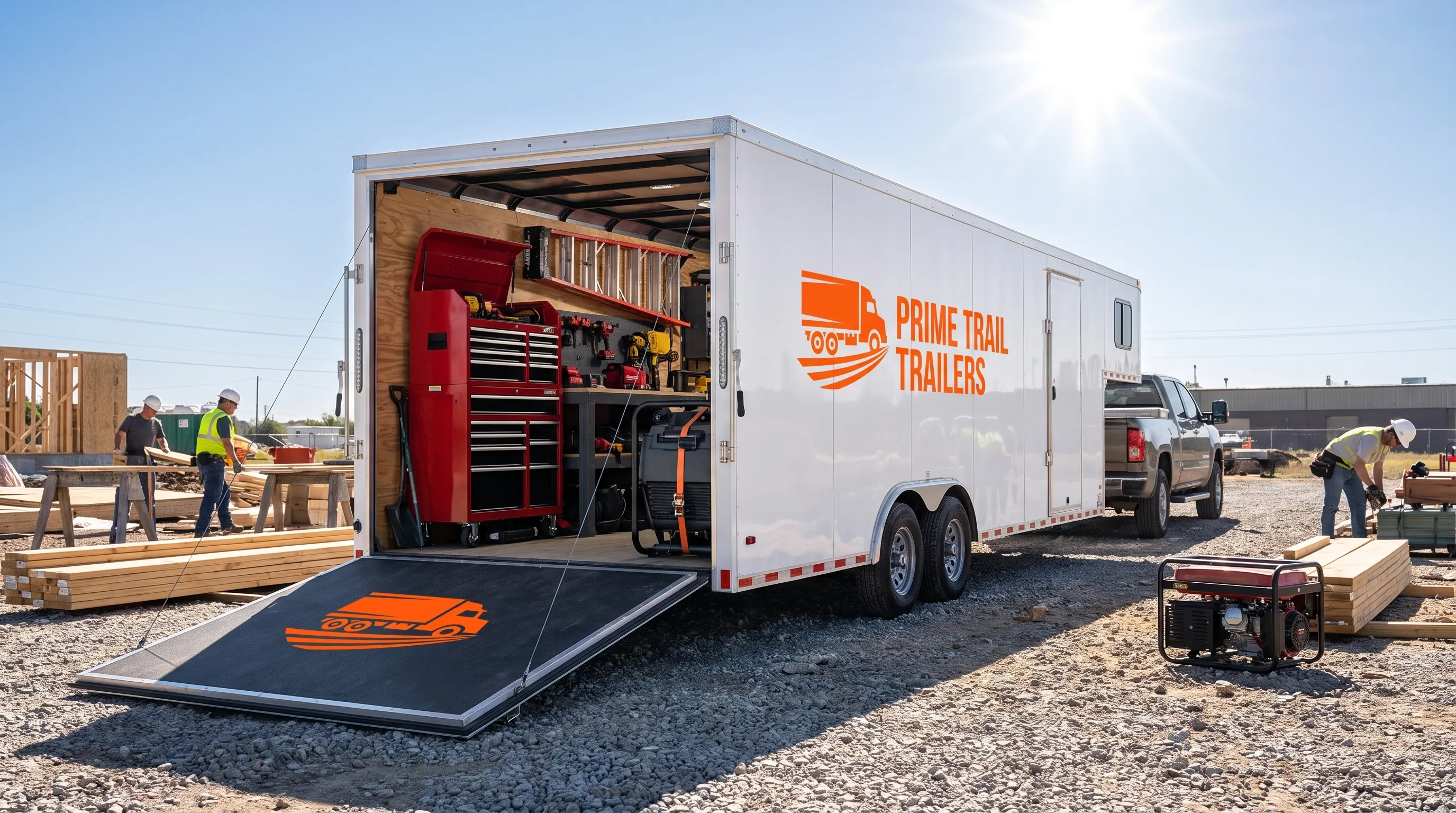
What to check before you buy
The best gooseneck enclosed trailer for heavy hauling is the one that matches your load, truck and work routine. Do not start with length alone. Start with what you haul, how often you haul it and where the trailer will be used.
Capacity and tow vehicle compatibility
Confirm GVWR, payload capacity and empty weight before committing to a trailer. Payload is what remains after the trailer's own weight is subtracted from its GVWR. If you plan to add shelving, cabinets, spare tires, winches or workbenches, those additions also reduce available payload.
You should also check the truck's owner's manual or door sticker for towing limits, gross combined weight rating, rear axle rating and tire capacity. A strong trailer cannot compensate for an undersized tow vehicle.
Interior dimensions and loading access
Interior height, width and usable floor length matter more in an enclosed trailer than in an open deckover. Measure the widest, tallest and longest items you plan to haul, then allow room for tie-down angles, ramps, doors, cabinets and walk-around access.
For vehicle transport, check ramp angle, door opening height and clearance around mirrors, fenders and roof-mounted equipment. For contractors, think about whether you need side-door access to tools without unloading the entire trailer.
Tie-downs, brakes and cargo control
Secure hauling depends on proper restraint. The FMCSA cargo securement rules are aimed at commercial motor carriers, but the principles are useful for anyone hauling heavy equipment: cargo should be restrained against forward, rearward, lateral and vertical movement.
Look for tie-down placement that fits your load pattern. Consider how equipment will be chained or strapped, where toolboxes will sit and whether the floor can handle concentrated loads.
When a 16 foot enclosed cargo trailer may be enough
Not every buyer needs the size, hitch requirements or cost profile of a full gooseneck setup. If your hauling needs center on tools, motorcycles, compact equipment or general enclosed transport, a smaller enclosed cargo trailer may be the smarter purchase.
For example, the Universal Trailers 8'6" X 16' Continental Cargo - V-Series w/ Ramp Door gives buyers a protected 16 foot cargo option with a ramp door for loading equipment, tools or vehicles. Prime Trail Trailers lists it with a white exterior, 2,800 lb empty weight and enclosed V-Series cargo design, making it relevant for buyers who want security and weather protection without moving into a larger gooseneck category.
This is also a good reminder to buy for the work you actually do. A gooseneck enclosed trailer can be a strong investment for daily commercial heavy hauling, but a well-matched enclosed cargo trailer may be easier to store, tow and justify for smaller loads.
Buying guidance for secure heavy hauling
Before buying a gooseneck enclosed trailer, build a simple load profile. Write down your heaviest typical cargo, your maximum occasional cargo, the equipment dimensions and how often you need to haul. Then compare trailers based on fit, payload, access and towing requirements rather than choosing only by overall length.
Commercial buyers should also think about jobsite realities. Will the trailer need to sit loaded overnight? Will employees access tools throughout the day? Will the trailer travel on highways, gravel roads, farms or tight residential streets? These details affect ramp style, interior layout, door placement, axle configuration and storage needs.
If you operate across state lines or use the trailer for business, check registration, insurance and any DOT requirements that may apply to your vehicle combination. Rules can depend on weight rating, use case and location, so confirm with the appropriate authority before purchase.
Frequently Asked Questions
Is a gooseneck enclosed trailer better than a bumper-pull enclosed trailer? It can be better for heavier enclosed loads, long-distance towing and buyers who want a more stable connection in the pickup bed. A bumper-pull enclosed trailer may still be better for lighter cargo, occasional use or tow vehicles that are not set up for a gooseneck hitch.
What size truck do I need for an enclosed gooseneck trailer? The right truck depends on the trailer's GVWR, loaded weight, tongue weight, hitch rating and the truck's published towing limits. Always verify the truck's ratings before buying, and do not assume a pickup can tow a trailer safely just because it can move it.
Can I haul vehicles in an enclosed gooseneck trailer? Many enclosed gooseneck configurations are used for cars, race vehicles and powersports equipment, but you need to verify interior length, width, height, ramp capacity, floor capacity and tie-down locations. Vehicle clearance is just as important as total weight.
Does an enclosed trailer replace the need for tie-downs? No. Enclosed walls protect cargo from weather and visibility, but they do not secure the load. Heavy equipment, vehicles and stacked materials still need proper straps, chains or other restraints rated for the cargo.
When should I choose an open gooseneck instead? Choose an open gooseneck when you haul tall, wide or dirty equipment that does not need weather protection, such as tractors, skid steers, attachments or construction materials. Open decks often make loading and side access easier for oversized equipment.
Find the right trailer for your hauling work
A gooseneck enclosed trailer is a strong option when you need secure storage, covered transport and stable heavy hauling in one package. The right choice depends on your payload, tow vehicle, cargo dimensions and daily workflow.
Prime Trail Trailers helps buyers compare new and used trailers for commercial, construction, agricultural and personal hauling applications. Browse available trailers at Prime Trail Trailers, compare specifications or request help choosing the setup that fits your load before you buy.
Have Questions? We're Here to Help
Still unsure which trailer fits your needs, or need specs, pricing or delivery advice? The Prime Trail Trailers team is ready to answer your questions and help you find the right rig.