
How a Covered Trailer Protects Valuable Loads
A covered trailer does more than hide cargo from rain. Learn how enclosed protection helps contractors, businesses and personal buyers reduce damage, improve organization and choose the right trailer for valuable loads.
Quick Summary
A covered trailer does more than hide cargo from rain. Learn how enclosed protection helps contractors, businesses and personal buyers reduce damage, improve organization and choose the right trailer for valuable loads.
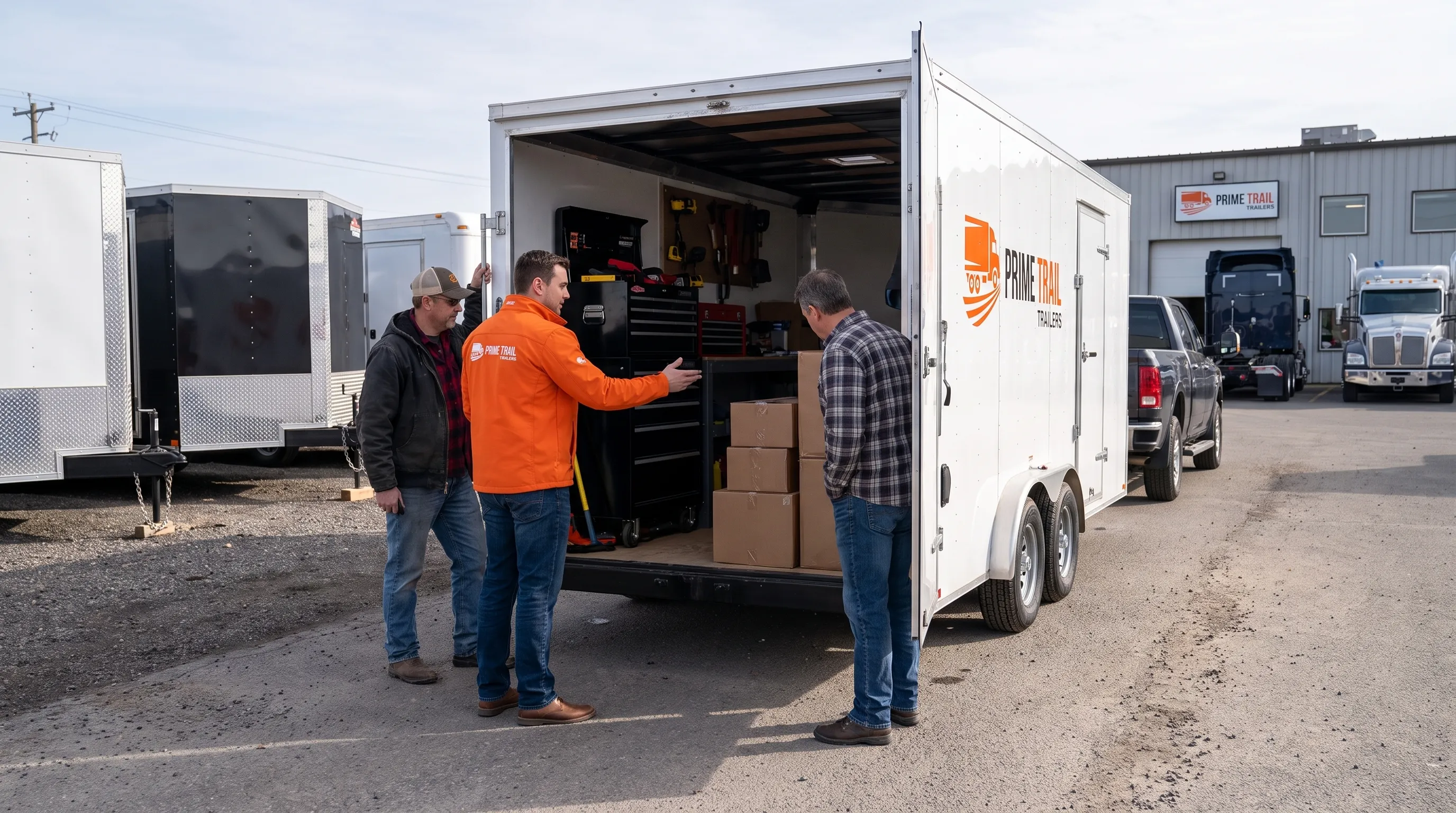
Valuable cargo rarely gets damaged when everything goes according to plan. The problem is the miles in between: rain, gravel spray, shifting tools, jobsite dust, parking-lot theft risk and the simple wear that comes from hauling exposed loads day after day. If you are comparing a covered trailer for sale, the real question is not just “Will it fit?” It is “How much protection does this trailer add to the equipment, materials or inventory I cannot afford to lose?”
Why the Cover Is More Than a Roof
An open utility trailer is practical for many jobs, especially when you need fast loading from the side or you are moving bulky materials that can tolerate weather. But once the load includes tools, packaged goods, electronics, cabinetry, landscaping equipment, event supplies or customer property, exposure becomes a business risk.
A covered trailer gives the load a defined cargo space with a roof, sidewalls and doors. That enclosure helps keep cargo out of direct rain and sun, reduces road debris contact and limits what passersby can see. For contractors and small businesses, that can mean fewer damaged materials, less cleanup and better control over gear between stops.
Weather Exposure Can Ruin More Than Packaging
Rain is the obvious concern, but moisture damage is only one part of the picture. Wind-driven grit can scratch finishes, road salt can accelerate corrosion and UV exposure can fade or weaken certain materials over time. A covered trailer for sale is often worth considering when the cargo would lose value if it arrived wet, dirty or scuffed.
This matters for tradespeople hauling power tools, trim, cabinets, flooring, paint supplies or fasteners. It also matters for personal buyers moving furniture, motorcycles, camping gear or household items. Even short trips can expose a load to sudden weather, and a covered cargo space gives you more control than a tarp stretched over an open deck.
Road Debris and Jobsite Contamination
A trailer can pick up more than weather on the road. Gravel, mud, grass clippings, concrete dust and construction-site debris can all find their way onto an exposed load. If you deliver finished goods or keep tools organized for daily work, the time spent cleaning and re-sorting after each haul adds up.
A covered trailer helps keep the cargo area cleaner. It can also reduce the chance of small items bouncing out, provided the load is properly secured inside. The cover does not replace good tie-down habits, but it creates a more controlled environment for equipment and materials.
Theft Deterrence and Controlled Access
No trailer is theft-proof, and high-value tools should still be secured with appropriate locks, jobsite procedures and common sense. That said, an enclosed cargo area can reduce opportunity. When tools are hidden from view and access is limited to doors instead of an open deck, casual theft becomes harder.
For businesses, controlled access is also about organization. A covered trailer can function as a mobile storage space, helping crews keep tools, parts and supplies in one place instead of loading and unloading a truck bed every day.
What Protection Features Should Buyers Compare?
When comparing a covered trailer for sale, look beyond overall length and width. Protection comes from the full trailer setup: enclosure quality, door style, floor condition, tie-down options and how well the trailer matches the load you plan to carry.
| Protection factor | Why it matters | What to look at before buying | |-------------------|----------------|-------------------------------| | Roof and sidewalls | Help shield cargo from rain, sun, wind and road spray | Inspect seams, trim, panels and signs of previous leaks | | Rear access | Affects how safely and quickly you load cargo | Compare barn doors, ramp doors and opening height | | Interior floor | Supports the load and takes daily wear | Check condition, surface grip and compatibility with your cargo | | Tie-down points | Keep cargo from shifting during braking or turns | Confirm there are secure points for your equipment and materials | | Ventilation | Helps reduce stale air and moisture buildup | Consider cargo type, climate and how long items stay inside | | Exterior carrying options | Adds capacity for ladders or long items on some models | Confirm racks or exterior features match the work you do |
No feature replaces regular inspection. Door seals, roof seams, hinges and flooring should be checked periodically, especially on trailers used in construction, landscaping or agricultural work where dirt and moisture are part of the job.
Choosing a Covered Trailer for Sale Around Real Load Risk
Start with what you haul most often, then work backward. A remodeler transporting finished trim has different protection needs than a landscaper hauling blowers, trimmers and fuel containers. A small retailer moving inventory needs a cleaner interior than a crew carrying rough tools.
Think about the damage mode you are trying to prevent. Is the load sensitive to water? Does it scratch easily? Is theft visibility the main concern? Do you need to keep items sorted by customer, crew or route? Those answers will narrow the trailer size, door type and interior setup faster than simply shopping by price.
Common Applications for Covered Trailers
Covered trailers are popular because they serve both daily commercial use and occasional personal hauling. The best setup depends on cargo size, loading method, tow vehicle capacity and how often the trailer will be used.
Contractors, Roofers and Service Trades
Contractors often need secure storage during the week and flexible hauling capacity when the job changes. For roofers, remodelers, electricians, plumbers and general service crews, a covered cargo trailer can help protect power tools, compressors, boxes of fasteners, extension cords and jobsite supplies from weather and theft visibility.
For professionals who need enclosed storage plus exterior hauling capability, the 7' X 14' Continental Cargo Trailer - Contractor Edition w/ Walk-On Roof, Racks is a relevant option to review. It is designed for professional use with an enclosed cargo body, a walk-on roof and racks, making it worth comparing if your work requires both protected interior space and room for exterior jobsite gear.
Small Business, Personal Moves and Compact Loads
Not every buyer needs a large trailer. A compact enclosed trailer can be easier to tow, store and maneuver in residential driveways or tight commercial lots. This can be a good fit for mobile service businesses, small equipment transport, weekend projects, events and household moves.
For buyers looking at a lighter, compact enclosed option, the 6' X 12' Continental Cargo Trailer - Tailwind Model w/ Barn Doors is built for transporting tools, equipment or smaller loads. Its enclosed design helps protect cargo from weather and theft visibility, and the barn doors may appeal to buyers who prefer that access style for loading boxed or organized cargo.
Loading and Securing Loads Inside an Enclosed Trailer
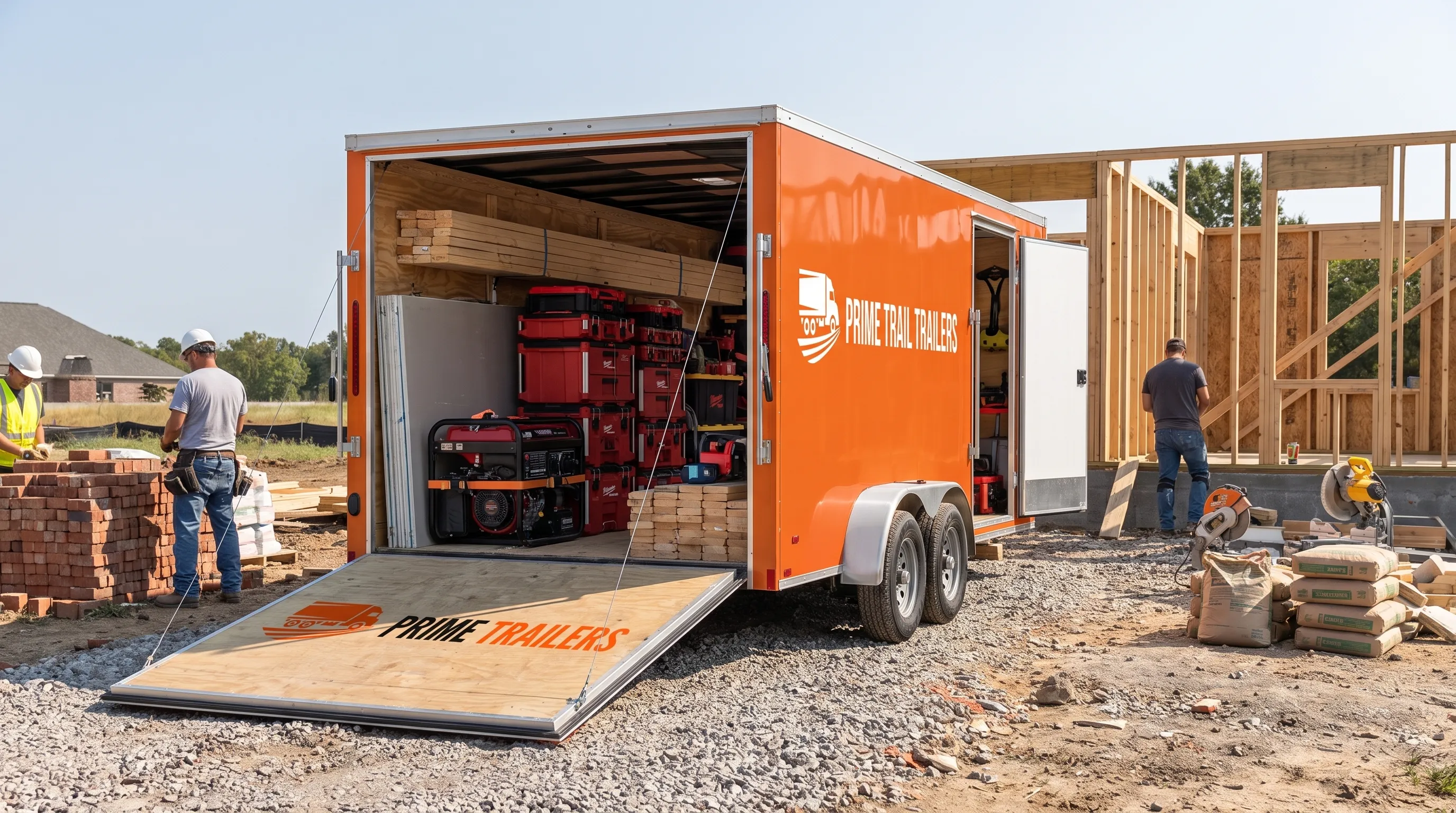
Walls and a roof reduce exposure, but they do not stop cargo from moving inside the trailer. Load securement still matters, especially with heavy tools, machines, cabinets or stacked boxes. The National Highway Traffic Safety Administration advises drivers to understand trailer weight, loading and towing setup before hauling, and commercial operators should also be aware of applicable FMCSA cargo securement rules.
A covered trailer for sale should still be evaluated for safe loading, not just protection from weather. The best trailer is one that lets you secure cargo at the right points, keep weight balanced and access the load without climbing over loose equipment.
Practical loading habits include:
- Place heavier items low and near the front half of the cargo area without overloading the tongue.
- Secure tools, machines and tall items so they cannot tip during braking or turns.
- Keep frequently used gear near the door to reduce unnecessary unloading.
- Use bins, shelving or dividers only when they are properly mounted and do not exceed weight limits.
- Recheck straps and cargo after the first few miles, especially when hauling a new type of load.
If you are setting up a larger enclosed trailer for work, Prime Trail Trailers also offers guidance on making the most of an enclosed 16 foot trailer, including layout, loading and storage considerations.
Covered vs Open Trailers: When the Extra Protection Pays Off
Open trailers still make sense for many jobs. They are often easier to load with a forklift, better for oversized debris and practical for materials that do not require weather protection. The tradeoff is exposure. If cargo value, finish quality or theft visibility are major concerns, an enclosed option can be the better long-term choice.
| Trailer style | Best suited for | Main protection tradeoff | |---------------|-----------------|--------------------------| | Open utility trailer | Landscaping debris, bulky materials, equipment that can tolerate exposure | Cargo is exposed to weather, road debris and visibility | | Covered or enclosed trailer | Tools, boxed goods, furniture, contractor supplies and sensitive equipment | Interior dimensions, weight and access style must be matched carefully | | Dump trailer | Loose material such as dirt, gravel, mulch and debris | Built for dumping, not for protecting finished cargo | | Equipment trailer | Machinery, skid steers, tractors and heavy equipment | Strong loading capability, but many loads remain exposed |
For many buyers, a covered trailer for sale makes sense when the cost of one damaged load, stolen tool set or weather-delayed job would be more painful than choosing a more protective trailer from the start.
How to Inspect Covered Trailers Before Purchase
Before committing to a covered trailer for sale, inspect it like a working asset rather than a storage box on wheels. The goal is to confirm that the trailer protects the load, matches your tow vehicle and supports the way you work.
Enclosure, Seams and Doors
Look closely at roof edges, wall panels, trim, door frames, hinges and seals. Water stains, soft flooring or musty smells can indicate moisture issues. Open and close the doors several times, then check whether latches align cleanly and whether the rear opening works for the cargo you plan to load.
If you haul in wet regions or store the trailer outside, these details matter even more. A trailer that looks clean in photos still deserves a careful inspection before purchase or reservation.
Interior Layout and Tie-Down Planning
Measure the cargo you actually haul, including height, width and length with accessories attached. A mower with a roll bar, a cabinet on a dolly or a motorcycle with mirrors may need more usable space than expected.
Tie-down planning is just as important. The best interior layout gives you secure anchor points, usable walking space and a repeatable loading pattern. If you are new to trailer shopping, the Prime Trail Trailers trailer buyer's guide explains how GVWR, payload, tow vehicle limits and trailer type work together.
Tow Vehicle Match and Daily Usability
A protective trailer still has to tow safely. Check your vehicle’s tow rating, hitch rating, brake controller needs and loaded trailer weight before buying. Also consider turning space, parking, storage location and how often you will load in tight areas.
Buyers who are still comparing categories can browse all trailer types available through Prime Trail Trailers, including utility, dump, enclosed, equipment, car hauler and gooseneck trailers.
Frequently Asked Questions
Is a covered trailer the same as an enclosed trailer? In many shopping contexts, “covered trailer” refers to an enclosed cargo trailer with a roof, sidewalls and rear doors. Some buyers may also use the term for an open trailer with a tarp or cover, so always confirm the trailer design before comparing options.
Does a covered trailer prevent theft? It can help deter theft by hiding cargo from view and limiting access through doors, but it does not guarantee security. Use quality locks, park carefully and follow jobsite security practices for high-value tools or equipment.
What size covered trailer should a contractor buy? The right size depends on tools, materials, equipment height, payload needs and tow vehicle limits. A compact 6x12 may work for small service loads, while larger contractor setups may need more floor space and exterior carrying options.
Should I buy a new or used covered trailer? Both can be good choices. New trailers may appeal to buyers who want current condition and fewer unknowns, while used trailers can offer value if the structure, floor, doors and running gear inspect well. When comparing a covered trailer for sale, focus on condition, fit and total usefulness for your hauling needs.
Find the Right Covered Trailer for Your Load
A covered trailer protects valuable loads by reducing exposure, improving organization and helping limit theft visibility. The right choice depends on what you haul, how often you haul it and how much damage or downtime would cost your business.
Prime Trail Trailers helps buyers compare new and used trailers for commercial, agricultural and personal use. If you are ready to choose a trailer that fits your work, browse current trailer inventory or contact Prime Trail Trailers for help comparing available options, pricing and nationwide delivery possibilities.
Have Questions? We're Here to Help
Still unsure which trailer fits your needs, or need specs, pricing or delivery advice? The Prime Trail Trailers team is ready to answer your questions and help you find the right rig.
Prime Trail Trailers
Prime Trail Trailers is a family-owned trailer dealer in Markle, Indiana, stocking utility, dump, enclosed, equipment, car hauler and gooseneck trailers with nationwide delivery. This guide is based on what our customers ask us most and the trailers we sell every day.
More about Prime Trail Trailers