
How to Make the Most of an Enclosed 16 Foot Trailer
Use your trailer smarter with practical ideas for setup, loading, storage and routine upkeep. This guide helps contractors, movers and personal buyers turn a 16-foot enclosed cargo trailer into a more efficient hauling tool.
Quick Summary
Use your trailer smarter with practical ideas for setup, loading, storage and routine upkeep. This guide helps contractors, movers and personal buyers turn a 16-foot enclosed cargo trailer into a more efficient hauling tool.
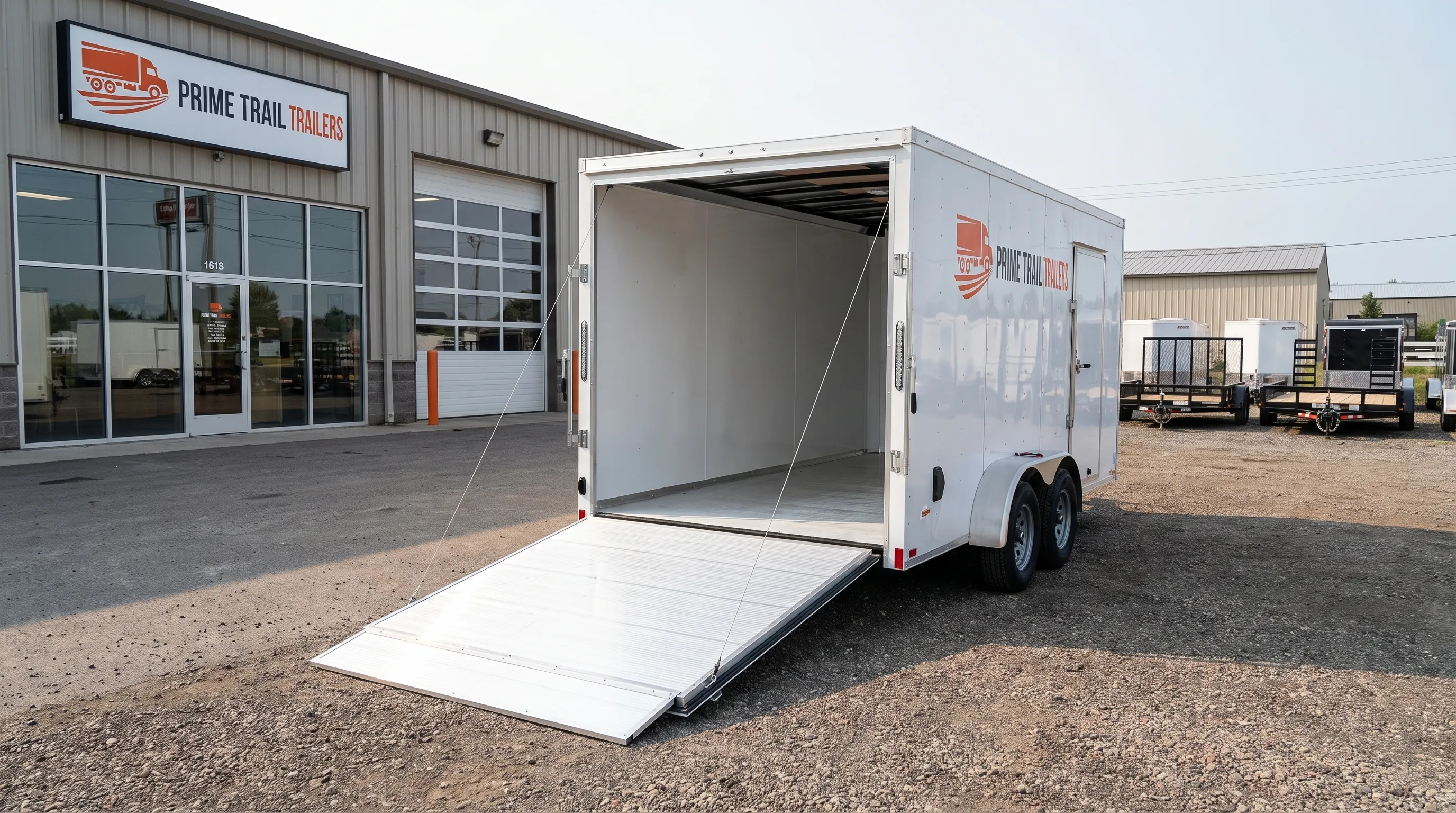
An enclosed 16 foot trailer can be one of the most versatile hauling tools you can own. It is large enough for tools, materials, lawn equipment, motorcycles, moving boxes or small business inventory, yet still manageable for many truck and SUV owners when properly matched to the tow vehicle and trailer rating.
The key is to treat the trailer as more than an empty box on wheels. With the right layout, loading habits, security setup and maintenance routine, you can get more usable space, protect your cargo better and make each trip faster and safer. That matters whether you are a contractor moving between jobs, a landscaper hauling mowers or a homeowner preparing for a move.
Start with the jobs you need the trailer to handle
Before adding shelves, racks or accessories, define what the trailer needs to do most often. A roofer may need space for ladders, compressors, nailers and materials. A landscaper may need a clear center aisle for a mower, plus wall storage for trimmers and fuel cans. A small business owner may care more about clean, protected cargo space and quick access at delivery stops.
For many buyers, an enclosed 16 foot trailer sits in a useful middle ground because it can handle daily work without becoming difficult to store or maneuver. Still, the best setup depends on your most common loads, not just the trailer length.
Ask yourself what you haul weekly, what you haul occasionally and what cargo must stay protected from weather or theft. That simple distinction helps you avoid filling the trailer with permanent fixtures that get in the way later.
Why an enclosed 16 foot trailer is such a practical size
A 16-foot enclosed cargo trailer is popular because it offers meaningful interior length while staying more compact than larger commercial trailers. Exact dimensions, GVWR, payload, ramp style and axle configuration vary by manufacturer, so always compare the trailer’s label and specifications before buying or loading.
In real use, the size works well for tradespeople, mobile service businesses, motorcycle owners, event vendors, moving projects and general property maintenance. If you are still comparing trailer styles, Prime Trail Trailers’ trailer buyer’s guide can help you think through trailer type, tow vehicle limits, payload needs and overall value.
Here is a practical way to think about where this trailer size fits:
| Use case | Why this size works | Setup priority | |----------|--------------------|----------------| | Contractors and builders | Carries tools, fasteners, compressors and jobsite supplies | Shelving, tie-downs and tool organization | | Landscapers | Fits many walk-behind mowers, trimmers and hand tools | Ramp door, floor protection and wall racks | | Moving and storage | Protects boxes, furniture and household goods from weather | E-track, moving blankets and balanced loading | | Motorsports and recreation | Can haul motorcycles, ATVs or gear depending on trailer specs | Wheel chocks, tie-down points and interior lighting | | Small businesses | Works as a mobile inventory or delivery trailer | Secure storage, labeling and easy access |
Match the trailer to your tow vehicle and payload
Before you customize an enclosed 16 foot trailer, confirm that your tow vehicle, hitch, ball mount, brake controller and trailer are all rated for the loaded weight. The number that matters is not the empty trailer weight alone. It is the loaded trailer weight after you add tools, shelves, parts, fuel, equipment and cargo.
Focus on these ratings and measurements:
- GVWR: The maximum loaded weight the trailer is rated to carry.
- Payload capacity: The amount of cargo the trailer can carry after subtracting trailer weight.
- Tongue weight: The downward force on the hitch, which affects stability and tow vehicle handling.
- GAWR: The maximum weight each axle is rated to support.
- Tow vehicle rating: The maximum trailer weight your truck or SUV can tow as equipped.
Do not rely on guesswork. A few heavy toolboxes, pallets or machines can use up payload faster than expected. If you regularly haul dense materials, heavy equipment or skid steer attachments, you may need to compare equipment trailers, flatbed trailers or other heavy-duty options instead of assuming an enclosed cargo trailer is the right fit.
Build an interior layout that saves time
A good enclosed 16 foot trailer layout should reduce the time you spend searching for tools, moving cargo out of the way or reloading the same items every morning. Start with a clean floor plan and decide what must remain accessible at every stop.
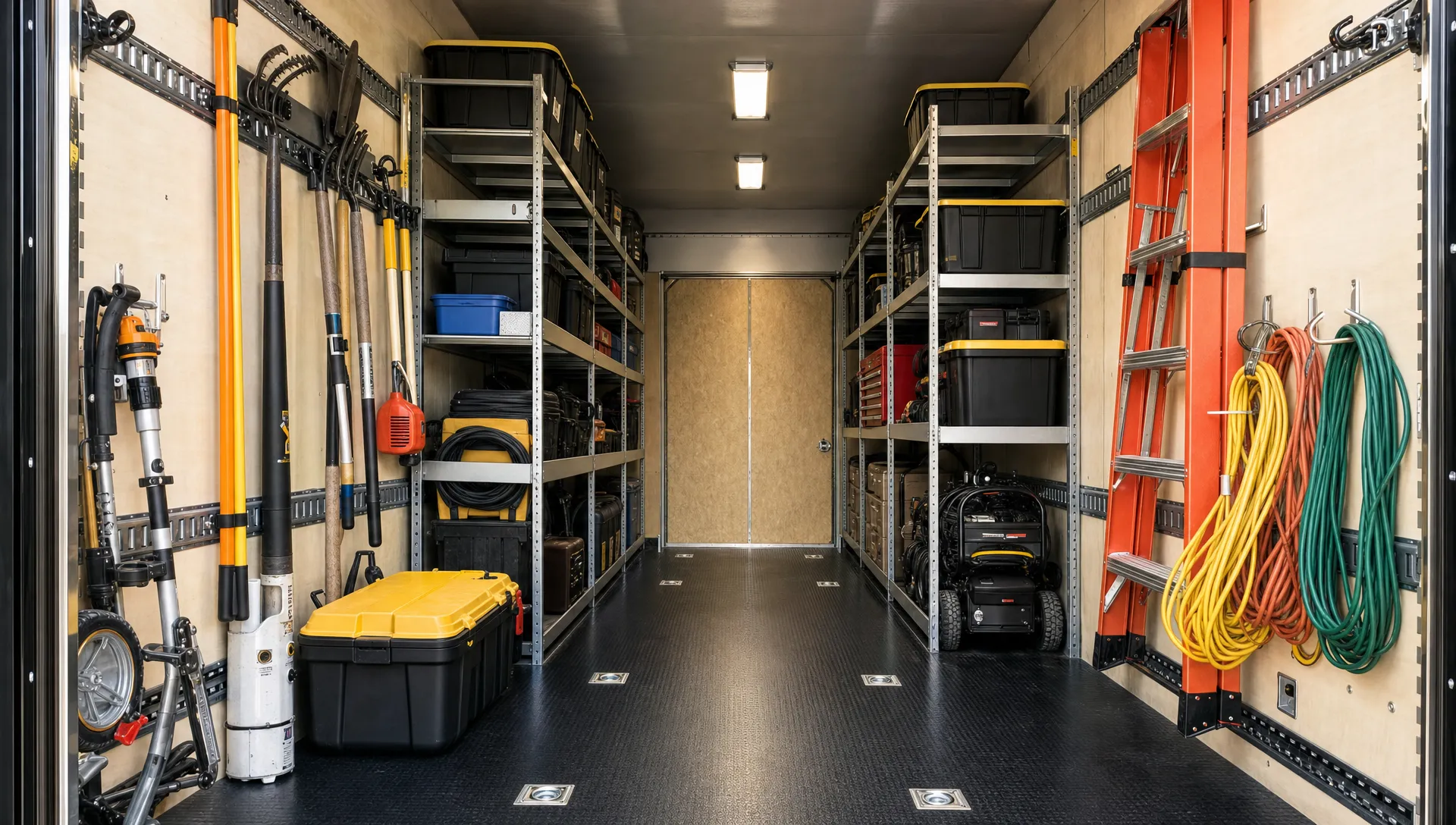
For trade use, wall-mounted shelving often works better than deep floor cabinets because it keeps the center aisle open. Open shelves can hold labeled bins for fasteners, fittings, safety gear and small tools. Closed cabinets can protect valuable items, but they add weight and may make it harder to see inventory quickly.
Tie-down systems are just as important as storage. E-track, D-rings, wheel chocks and cargo bars can help keep loads from shifting, but they must be installed correctly and used within their ratings. Place tie-down points where your real cargo sits, not where they happen to look symmetrical.
Interior lighting is another upgrade that pays off quickly. If you load before sunrise, unload after dark or work out of the trailer during the day, bright lighting near doors, shelves and work areas can reduce frustration and mistakes.
Load for balance, not just for space
It is tempting to pack a trailer like a storage unit, using every open inch from front to back. That can create handling problems if the weight is poorly distributed. A safer approach is to keep heavier cargo low, secure it against movement and maintain appropriate tongue weight for your trailer and tow vehicle setup.
If your enclosed 16 foot trailer carries mixed cargo, load the heaviest items first and position them so the trailer remains stable. Avoid placing too much weight behind the axle area, since that can contribute to sway. At the same time, do not overload the tongue or rear suspension of the tow vehicle.
For contractors and delivery businesses, loading order matters too. Items needed first should be near the side door or rear opening. Daily-use tools should not be buried behind occasional materials. If multiple employees use the same trailer, labels and consistent storage locations help keep the system from falling apart after a busy week.
Businesses that move freight through multiple handoffs can also borrow ideas from larger logistics operations. For example, this guide to transloading and cross docking for faster inland turnaround shows how pre-planning, cleaner handoffs and outbound timing can reduce delays. The same thinking applies on a smaller scale when you stage cargo by route, job sequence or delivery priority.
Protect tools, cargo and the trailer itself
One reason buyers choose enclosed trailers over open utility trailers is protection. Weather, road debris and casual theft are all easier to manage when cargo is inside a locked trailer. Even so, the trailer still needs a deliberate security and protection plan.
Use quality locks on doors and couplers, and avoid leaving high-value tools visible when doors are open in public areas. If your trailer stays on jobsites overnight, consider where it is parked, how it is secured and whether the location has lighting or surveillance.
Inside the trailer, protect the floor and walls from daily abuse. Rubber mats, floor coatings, plywood reinforcement or wall panels may make sense depending on cargo type. Lawn equipment, construction tools, motorcycles and moving loads all create different wear patterns.
Ventilation also matters. Fuel-powered equipment, wet landscaping tools, damp moving blankets and temperature-sensitive goods can create moisture and odor inside an enclosed space. Roof vents or side vents may help, depending on trailer design and cargo requirements.
Choose upgrades that match your work
The best accessories are the ones that solve a real hauling problem. A well equipped enclosed cargo trailer does not need every add-on available. It needs the right combination of access, storage, safety and cargo control.
Common upgrades to consider include:
- Ramp door or rear barn doors: Choose based on whether you roll equipment in or hand-load cargo.
- Side door: Helpful when you need quick access without opening the rear.
- E-track or extra D-rings: Useful for frequent cargo changes.
- Shelving and cabinets: Good for tools, parts and organized service work.
- Spare tire and mount: Valuable for long trips and daily commercial use.
- Interior lighting: Useful for early, late or low-light loading.
If you are shopping for enclosed trailers for sale, compare how each unit is already configured before assuming you will add everything later. Factory options and aftermarket upgrades can both be useful, but the right choice depends on your budget, timeline and how the trailer will be used.
Keep maintenance simple and consistent
Maintenance is where an enclosed 16 foot trailer stays dependable instead of slowly becoming a jobsite headache. A trailer used every day should be inspected often, especially if it carries valuable equipment or travels long distances.
Before each trip, check tire condition, tire pressure, lights, coupler engagement, safety chains and breakaway cable placement. Look for loose cargo, unsecured doors and anything that could shift in transit. These checks take only a few minutes, but they prevent many of the problems that lead to roadside delays.
On a regular schedule, inspect wheel bearings, brakes if equipped, suspension components, roof seams, door seals, flooring and tie-down hardware. Water intrusion is especially important on enclosed trailers because small leaks can damage cargo, flooring and interior fixtures over time.
If you want more practical towing and trailer ownership advice, Prime Trail Trailers keeps related resources in its trailer guides, including buying, towing, capacity and maintenance topics.
Know when a different trailer may be better
A 16-foot enclosed trailer is versatile, but it is not the right answer for every job. If your cargo is frequently oversized, extremely heavy or loaded by forklift, a flatbed or equipment trailer may serve you better. If you haul bulk debris, gravel, mulch or demolition waste, a dump trailer may be a stronger fit. If you need to transport vehicles, a car hauler may offer the right deck and tie-down arrangement.
The point is not to force every job into one trailer. The point is to choose the trailer that matches your work. Prime Trail Trailers offers multiple categories, and you can browse available trailers to compare enclosed, utility, dump, equipment, car hauler, gooseneck and other trailer options in one place.
For many owners, an enclosed 16 foot trailer is the best everyday choice, especially when cargo protection and organization matter. For heavier commercial, agricultural or construction use, comparing trailer types before buying can save money and prevent frustration.
Frequently Asked Questions
What can fit in a 16-foot enclosed trailer? A 16-foot enclosed trailer can often carry tools, boxes, lawn equipment, motorcycles, small business inventory or household goods, depending on interior dimensions, door opening, GVWR and payload rating. Always measure your cargo and confirm the trailer’s specifications before loading.
Is an enclosed 16 foot trailer good for contractors? Yes, an enclosed 16 foot trailer can be a strong choice for contractors who need secure, weather-protected storage for tools, compressors, fasteners and jobsite supplies. The best setup usually includes shelving, tie-downs, lighting and a clear loading plan.
Should I choose a ramp door or barn doors? A ramp door is usually better if you roll in mowers, motorcycles, carts or equipment. Barn doors can be better for dock-style loading, pallet access or hand-loaded cargo where a ramp is not needed.
How do I prevent trailer sway? Stay within all weight ratings, keep heavier cargo low and properly secured, avoid overloading the rear of the trailer and make sure tongue weight is appropriate for your setup. Your tow vehicle, hitch and trailer should all be matched correctly.
Can I use an enclosed trailer for business deliveries? Yes. Many small businesses use enclosed cargo trailers for deliveries, events, mobile service work and inventory transport. Organization, route-based loading and dependable tie-downs make the trailer more efficient.
Ready to get more from your trailer?
The right trailer becomes more valuable when it is set up around your real work. Plan the layout, respect the weight ratings, secure the cargo, keep up with maintenance and choose upgrades that make each trip easier.
If you are comparing enclosed trailers, cargo trailers or other trailers for sale, Prime Trail Trailers can help you review available options and match a trailer to your hauling needs. Browse current inventory, compare trailer types and request pricing or availability when you are ready to move forward.
Have Questions? We're Here to Help
Still unsure which trailer fits your needs, or need specs, pricing or delivery advice? The Prime Trail Trailers team is ready to answer your questions and help you find the right rig.
Prime Trail Trailers
Prime Trail Trailers is a family-owned trailer dealer in Markle, Indiana, stocking utility, dump, enclosed, equipment, car hauler and gooseneck trailers with nationwide delivery. This guide is based on what our customers ask us most and the trailers we sell every day.
More about Prime Trail Trailers