
How to Choose the Best Utility Trailer for ATV and UTV Hauling
Discover how to choose the perfect utility trailer for hauling ATVs and UTVs, including sizing, weight capacity, ramp options, and essential tie-down features.

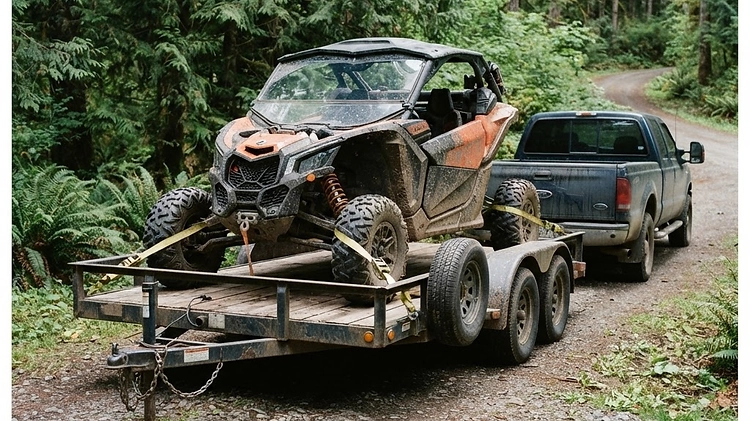
Whether you are heading to the trails for a weekend adventure or transporting your side-by-side to a job site, having the right utility trailer is essential for safe and efficient hauling. ATVs and UTVs have grown significantly in size and weight over the last decade, meaning that a standard lightweight trailer may no longer cut it. This guide will walk you through everything you need to know to select the perfect utility trailer for your powersports vehicles.
Why You Need a Dedicated Utility Trailer for Off-Road Vehicles
While some riders attempt to squeeze their four-wheelers into the bed of a pickup truck, a dedicated utility trailer offers unmatched safety, convenience, and versatility.

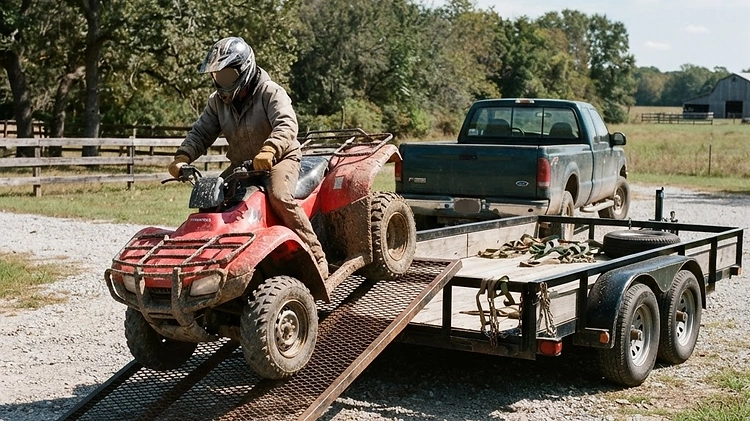
Using a proper trailer lowers the loading angle, reducing the risk of accidents when driving your machine up the ramps. Furthermore, modern UTVs (side-by-sides) are often too wide and too long to fit in a standard truck bed, making a trailer an absolute necessity. By investing in a quality trailer from our utility trailers inventory, you also free up your truck bed for gear, fuel, and supplies. If you are looking for trailers for sale in Colorado for mountain trail riding, having a dedicated setup is a game-changer.
Sizing Your Utility Trailer for ATVs and Side-by-Sides (UTVs)
The most critical factor in choosing a trailer is getting the dimensions right. You must account for the length, width, and wheelbase of your specific machines.
For a single standard ATV, a 5x8 or 6x10 trailer is usually sufficient. However, if you are hauling a modern UTV, you will likely need a minimum of a 6x12 trailer, and often a 7x14 to accommodate the wider stance and longer wheelbase of four-seat models. For example, the 2025 Universal Trailers Stronghaul 6′ X 12′ All Aluminum Tandem-Axle Utility Trailer is an excellent choice for a two-seat UTV. If you plan to haul multiple ATVs, you might need to load them sideways, which requires a trailer wide enough (typically 7 feet or more) and long enough to fit them side-by-side. Always measure your vehicles from the outermost edges of the tires and the furthest points of the bumpers before visiting the shop inventory hub.
Weight Capacity and Axle Configurations
Understanding your payload capacity is vital for safe towing. You must calculate the total weight of your ATVs/UTVs, plus any extra gear, and ensure it falls well within the trailer's payload capacity.

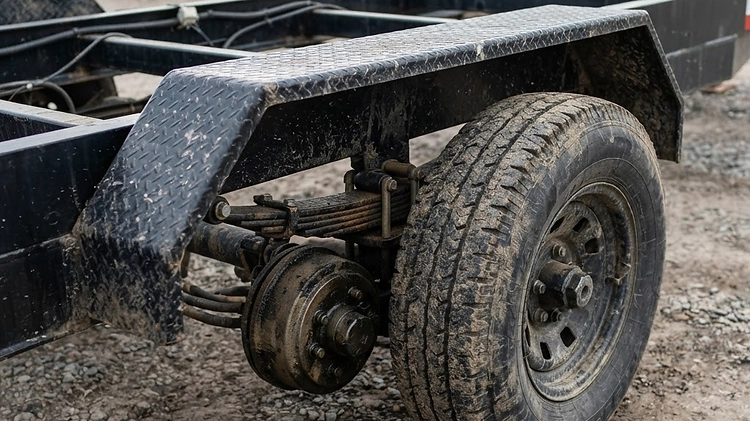
Single axle trailers are generally fine for one or two lightweight ATVs. However, UTVs can weigh anywhere from 1,200 to over 2,000 pounds. When you add the weight of the trailer itself, you can quickly approach the limits of a standard 3,500-pound single axle. For heavier side-by-sides or multiple machines, a tandem axle trailer is highly recommended. A tandem setup, like the 2023 Double-A 7′ X 14′ Double-A Quad-Sport Utility Flatdeck Trailer, provides better weight distribution, improved tracking on the highway, and the safety of a backup tire in case of a blowout. For more insights on sizing, check out our guide on How to Choose the Right 6x12 Trailer for Work and Home.
Essential Features for Powersports Hauling
Beyond size and weight, the specific features of your utility trailer will dictate how easy it is to use on a daily basis.
Ramps and Gates: A heavy-duty rear ramp gate is standard on most utility trailers and makes loading a breeze. Look for spring-assisted gates to save your back. If you are loading ATVs sideways, you will need side-loading ramps. Tie-Down Points: Your trailer must have robust, strategically placed D-rings or stake pockets. Do not rely on flimsy rail hooks. Flooring: Treated wood decking is durable and provides good traction, but aluminum or steel mesh can also work depending on your climate. For a deeper dive into utility features, read our article on Flatbed Utility Trailer Features That Matter for Daily Work.
Towing Safely: Weight Distribution and Tongue Weight
Proper loading is critical to prevent trailer sway and ensure safe handling, especially if you are navigating winding roads near Denver, CO.

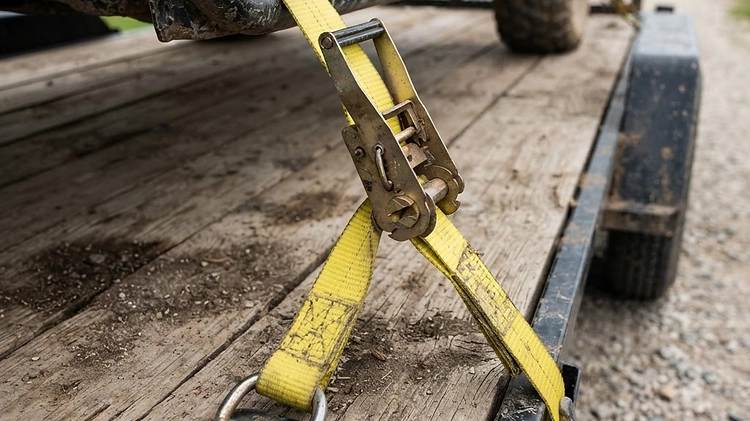
When loading your ATV or UTV, position the heaviest part of the machine (usually the engine) slightly forward of the trailer axles. You want approximately 10% to 15% of the total loaded trailer weight resting on the hitch ball (tongue weight). If the load is too far back, the trailer will sway dangerously; if it's too far forward, it will overload your tow vehicle's rear suspension. Always use heavy-duty ratchet straps to secure the vehicle by its frame or designated tie-down points, compressing the suspension slightly to prevent bouncing.
Bottom Line
Choosing the right utility trailer for your ATV or UTV comes down to accurate measurements, understanding your weight requirements, and selecting the right features for your hauling style. Whether you need a nimble single-axle for a four-wheeler or a robust tandem-axle for a four-seat side-by-side, Prime Trail Trailers has you covered. Explore our complete guides hub for more expert advice, or browse our selection of equipment trailers to find the perfect fit for your next adventure.
Shop Related Trailers
FAQ
Have Questions? We're Here to Help
Still unsure which trailer fits your needs, or need specs, pricing or delivery advice? The Prime Trail Trailers team is ready to answer your questions and help you find the right rig.