
Open vs. Enclosed Landscape Trailers: 2026 Commercial Buying Guide
Discover the pros, cons, and key specifications of open vs. enclosed landscape trailers to maximize your crew's efficiency and protect your equipment.

Choosing the right landscape trailer is one of the most critical decisions for any growing lawn care or hardscaping business. Whether you are hauling zero-turn mowers, heavy pallets of sod, or delicate power tools, the debate between open and enclosed landscape trailers ultimately comes down to your daily operational needs, security requirements, and budget. This comprehensive guide breaks down the advantages of each trailer type to help you build the most efficient fleet for the 2026 season.
The Role of Landscape Trailers in Commercial Operations
For professional landscapers, a trailer is more than just a way to move equipment from point A to point B; it is a mobile workshop and the backbone of daily operations. The efficiency of your crew directly correlates with how easily they can load, unload, and access their tools. When expanding your business into year-round services or taking on larger commercial contracts, upgrading your hauling setup becomes mandatory.
If you are operating in regions with year-round growing seasons, such as looking for trailers for sale in Florida, your trailer will see relentless daily use. This makes durability, payload capacity, and ease of access paramount. Before diving into specific models, it is essential to evaluate your primary cargo, typical job site conditions, and overnight storage capabilities. For a broader look at all our resources, visit our trailer guides hub.
Open Landscape Trailers: Pros, Cons, and Best Use Cases
Open landscape trailers, often built on a utility trailer chassis, are the industry standard for a reason. They offer unmatched accessibility, allowing crews to load equipment from the rear ramp or side gates quickly.

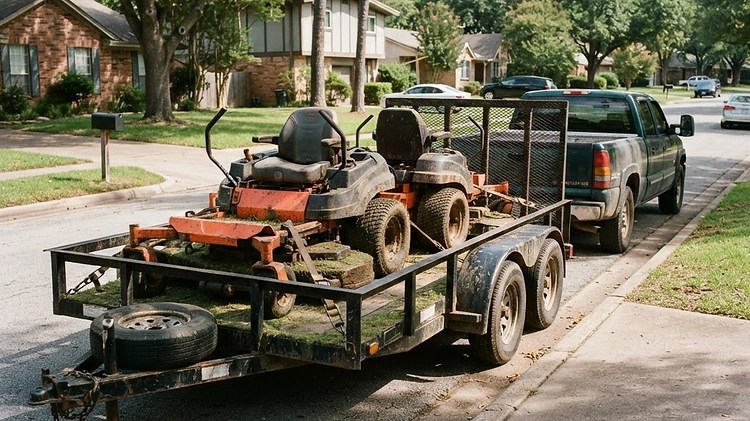
The primary advantage of an open trailer is its lightweight design, which maximizes your available payload capacity and improves fuel efficiency for your tow vehicle. Landscapers hauling bulky, dirty materials like mulch, brush, or debris will find open trailers far easier to clean and maintain. Additionally, open trailers generally have a lower upfront cost, making them an attractive option for new businesses or those looking to expand their fleet rapidly. You can explore our full inventory of landscape trailers to see the variety of open configurations available.
However, open trailers offer zero protection from the elements and leave your expensive equipment vulnerable to theft. If you do not have a secure yard or garage to park the trailer overnight, you will spend valuable time unloading and reloading equipment every single day. For crews that need a versatile open option, the 2025 Double-A 7′ X 14′ Tandem Axle Utility Trailer w/ Ramp Gate provides an excellent balance of deck space and heavy-duty hauling capability.
Enclosed Landscape Trailers: Security and Storage Benefits
Enclosed landscape trailers act as a secure, rolling garage. For businesses carrying high-value equipment like commercial stand-on mowers, blowers, trimmers, and hand tools, the security provided by an enclosed trailer is often worth the premium price tag.

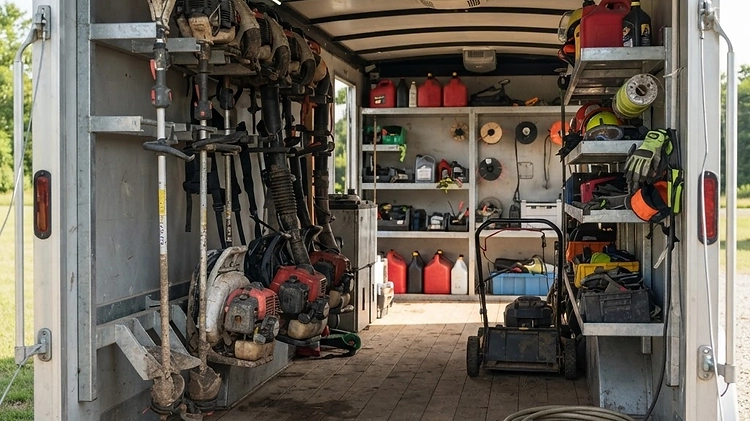
Beyond security, enclosed trailers protect your gear from rain, snow, and UV damage, significantly extending the lifespan of your equipment. They also offer the ability to customize the interior with shelving, racks, and hooks, creating a highly organized mobile workspace. This organization can save crews hours of wasted time searching for tools each week. Furthermore, the exterior of an enclosed trailer serves as a massive rolling billboard, offering excellent branding opportunities as you drive through neighborhoods or park at job sites in busy metro areas like Atlanta, GA.
The downsides include a higher initial purchase price, increased weight (which reduces overall payload capacity), and a larger profile that can be more challenging to maneuver in tight residential cul-de-sacs. If you decide an enclosed setup is right for you, models like the 2025 Double-A 7′ X 14′ Ruger Series w/ Ramp Door offer the durability and security required for daily commercial use.
Key Specifications: What to Look For in a Landscape Trailer
Regardless of whether you choose an open or enclosed model, certain specifications dictate how well the trailer will perform under the stress of commercial landscaping.

When evaluating your options, pay close attention to the following components:
- Axle Capacity: Tandem axles are highly recommended for commercial use. They provide better stability, higher payload capacities, and safer towing if a tire blows out.
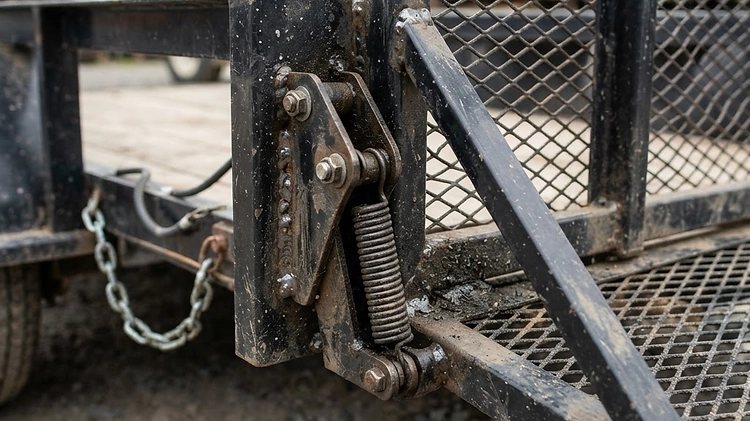
- Ramp Design: Look for heavy-duty, spring-assisted ramps. A reinforced ramp gate is crucial for loading heavy zero-turn mowers without bending the mesh.
- Frame Construction: Tube steel frames offer superior rigidity compared to angle iron, reducing flex and extending the trailer's life.
- Tie-Down Points: Ensure the trailer has ample, strategically placed D-rings or E-track systems to secure equipment properly.
- Flooring: Treated wood is standard, but extruded aluminum or specialized composite flooring can offer better longevity against moisture and heavy machinery.
For more detailed sizing information, be sure to read our guide on What Size Landscape Trailer Do I Need? and learn How to Choose the Right 6x12 Trailer for Work and Home.
Open vs. Enclosed Landscape Trailers (Comparison Table)
To help you make a quick, informed decision, here is a side-by-side comparison of the two primary landscape trailer types:
| Feature | Open Landscape Trailer | Enclosed Landscape Trailer | | :--- | :--- | :--- | | Initial Cost | Lower | Higher | | Equipment Security | Low (requires daily unloading or heavy chains) | High (lockable doors, out of sight) | | Weather Protection | None | Excellent | | Payload Capacity | Higher (lighter trailer weight) | Lower (heavier trailer weight) | | Fuel Efficiency | Better (less wind resistance) | Lower (larger aerodynamic drag) | | Customization | Limited (weed eater racks, tool boxes) | Extensive (shelving, E-track, workbenches) | | Branding Potential | Minimal | High (large flat surfaces for vinyl wraps) |
Sizing and Payload Capacity Considerations
Selecting the right size is just as important as choosing the trailer style. A 6x12 trailer might be perfect for a solo operator with a single mower, but a growing crew will quickly outgrow it. A 7x14 or 7x16 tandem axle trailer is generally the sweet spot for a standard two-to-three-man landscaping crew, providing enough deck space for two commercial mowers and all necessary hand tools.
Always calculate your required payload by adding the weight of your heaviest equipment, fuel, and any materials you plan to haul, then ensure it falls well below the trailer's GVWR (Gross Vehicle Weight Rating) minus the trailer's empty weight. If you are also hauling loose materials like dirt or mulch, you might want to supplement your fleet with a dedicated dump trailer. You can browse our utility trailers to find the perfect open deck configuration for your specific payload needs.
Bottom Line
The choice between an open and enclosed landscape trailer depends entirely on your business model. If you prioritize maximum payload, easy loading of bulky debris, and lower upfront costs, an open utility trailer is the way to go. If security, weather protection, and professional branding are your top concerns, investing in an enclosed cargo trailer will pay dividends over time.
Ready to upgrade your landscaping fleet for the upcoming season? Browse our complete inventory in the Prime Trail Trailers Shop to find the perfect heavy-duty trailer to keep your crews moving efficiently.
Shop Related Trailers
FAQ
Have Questions? We're Here to Help
Still unsure which trailer fits your needs, or need specs, pricing or delivery advice? The Prime Trail Trailers team is ready to answer your questions and help you find the right rig.