
Flatbed Utility Trailer Features That Matter for Daily Work
Daily hauling exposes weak trailers fast. This guide shows contractors, landscapers and property owners which flatbed features affect payload, loading, tie downs, safety and long term value before they buy.
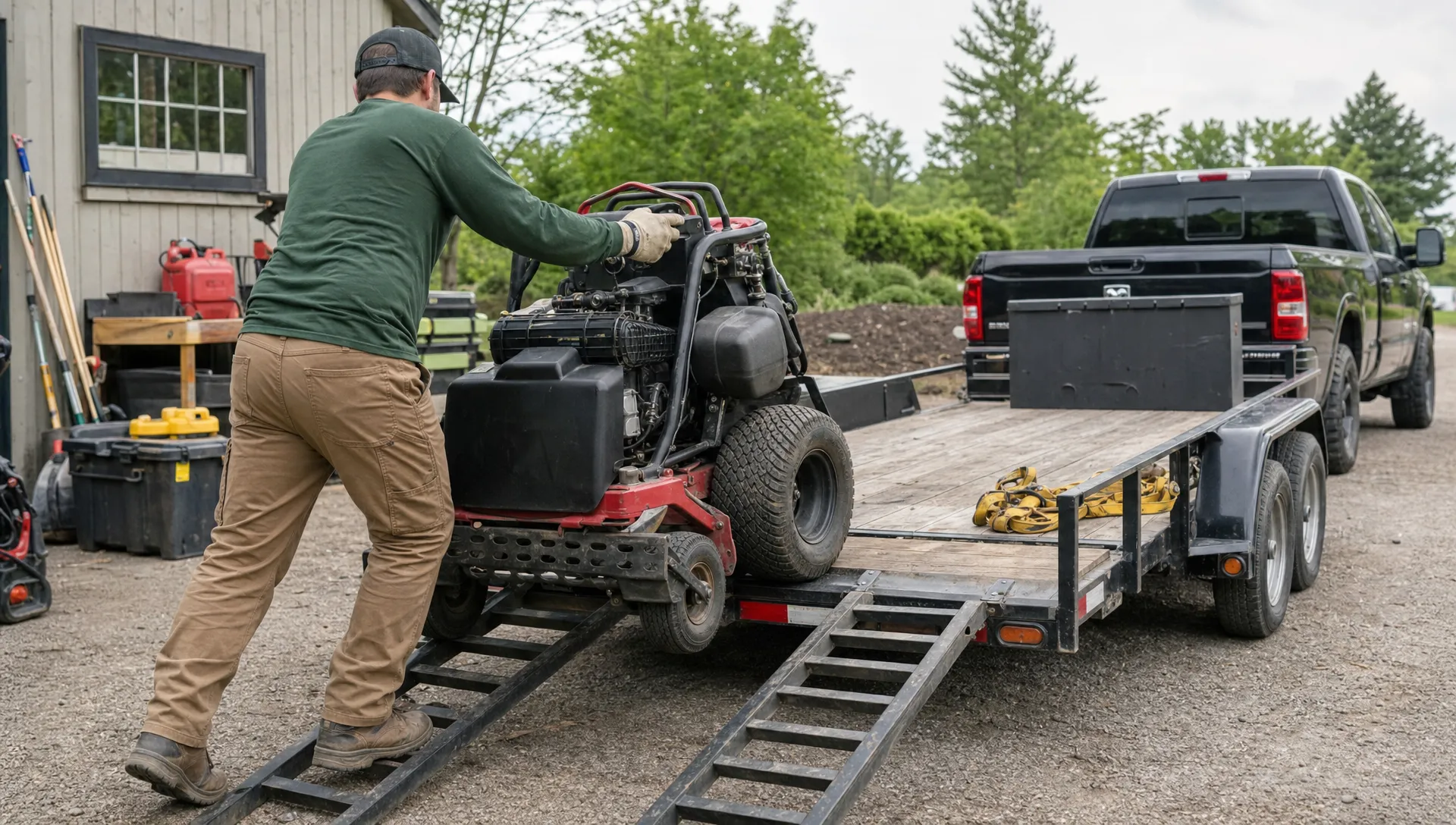
For crews that haul mowers, compact equipment, lumber, pipe, pallets or jobsite debris, a flatbed utility trailer is not just a convenience. It is part of the workday. The right setup saves loading time, protects your tow vehicle, keeps materials secured and reduces the small frustrations that turn into expensive downtime.
What Makes a Flatbed Utility Trailer Work-Ready?
A work-ready trailer starts with the load you move most often, not the trailer that looks biggest on a lot. Contractors, landscapers, farmers and property owners all use open-deck trailers differently, so the best choice depends on cargo dimensions, loading method, surface conditions and towing distance.
The key advantage is access. An open flatbed can be loaded from the rear, sides or overhead with a forklift, depending on the trailer design. That flexibility matters when you haul pallets one day, a skid steer attachment the next and bulky materials after that.
A flatbed utility trailer should match your normal work instead of forcing you to change how you load, strap and unload. If a trailer is too narrow, too low-rated or missing the right tie-down points, you will feel those compromises every day.
Start With Payload, GVWR and Tow Vehicle Limits
Capacity is the first feature to verify because every other decision depends on it. GVWR, or Gross Vehicle Weight Rating, is the maximum loaded weight the trailer is rated to carry. Payload is the amount of cargo it can carry after subtracting the trailer’s empty weight.
For daily commercial use, payload should be based on your heaviest realistic load, plus a margin. A mower package, fuel cans, trimmers, spare blades and toolboxes can weigh more than expected. Construction materials can vary even more, especially lumber, block, shingles and wet soil.
A flatbed utility trailer also needs to stay within the tow rating, hitch rating and tongue weight limits of the truck pulling it. Overloading any one part of the towing setup can create braking, steering and tire problems even if the trailer itself looks stable.
Use the trailer’s certification label, your truck owner’s manual and the hitch rating together. If those numbers do not align, choose a different trailer or tow vehicle combination before buying.
| Capacity term | What it means | Why it matters | |---|---|---| | GVWR | Maximum loaded trailer weight | Sets the safe upper limit for trailer plus cargo | | Empty weight | Trailer weight without cargo | Helps determine usable payload | | Payload capacity | Cargo weight the trailer can carry | Must match equipment, materials and tools | | Tongue weight | Downward force on the hitch | Affects handling, braking and tow vehicle squat | | Tow rating | Maximum weight your vehicle can tow | Must exceed the loaded trailer weight |
Deck Size, Width and Load Access
Deck dimensions affect far more than how much cargo fits. Width determines whether equipment rolls on cleanly without rubbing fenders or rails. Length determines whether you can balance the load over the axle area instead of forcing too much weight onto the tongue or rear of the trailer.
A shorter open-deck trailer may be easy to store and maneuver, but it can become limiting if your business grows or your equipment changes. A longer deck can handle more mixed loads, though it requires more parking space, more turning room and a tow vehicle suited for the extra size.
When comparing a flatbed utility trailer, check usable deck width and usable deck length, not just the advertised overall dimensions. Side rails, fenders, dovetails, ramp storage and front toolboxes can reduce the practical loading area.
Deck material and surface grip
Wood decks are common on utility and equipment trailers because they provide useful traction and can be serviceable over time. Steel decks can be durable and easier to clean in certain hauling environments, but they may become slick when wet unless designed with traction in mind.
The right surface depends on what you load. Wheeled equipment needs grip and ramp alignment. Pallets need a deck that tolerates forklift contact and concentrated weight. Landscape and farm use may call for a surface that handles dirt, moisture and frequent sweeping.
Ramp, Gate and Loading Features That Save Time
A trailer can have the right capacity and still be frustrating if the loading setup does not match the job. Landscapers often prefer ramp gates for mowers and compact equipment. Contractors may prefer removable ramps or a low deck angle for equipment with limited ground clearance.
Ramp strength is critical. The ramp or gate should be rated for the equipment you load, not just the total trailer payload. A trailer that can carry the machine is not automatically equipped with ramps that can safely support that machine during loading.
A flatbed utility trailer used every day should make loading predictable. Look at the ramp angle, ramp width, hinge quality, spring assist, storage method and whether one person can realistically operate the system during a normal workday.
Rear gates can create wind drag and add weight, but they are convenient for lawn and landscape crews. Slide-in ramps reduce drag and can suit heavier equipment, though they take more time to position. Tilt trailers may be worth considering when frequent equipment loading is the main job.
Frame, Axles, Suspension and Tires
The frame is where long-term durability starts. Crossmember spacing, main frame construction, tongue design and weld quality influence how well a trailer tolerates rough jobsites, uneven farm lanes and repeated heavy loads.
Single-axle trailers can work well for lighter hauling, personal projects and smaller landscape setups. Tandem-axle trailers generally provide more stability and capacity for heavier commercial use. They also spread weight across more tires, which can improve confidence when hauling equipment or dense materials.
Tire rating is easy to overlook, but it directly affects safe capacity. Trailer tires should match the trailer’s rated use, be inflated to the proper pressure and be inspected regularly for age, damage and uneven wear. A strong frame cannot compensate for tires that are undersized or poorly maintained.
If you are still narrowing down trailer type, Prime Trail Trailers’ Trailer Buyer’s Guide offers a broader framework for comparing GVWR, payload, tow vehicle limits and common trailer categories.
Tie-Downs, Stake Pockets and Cargo Control
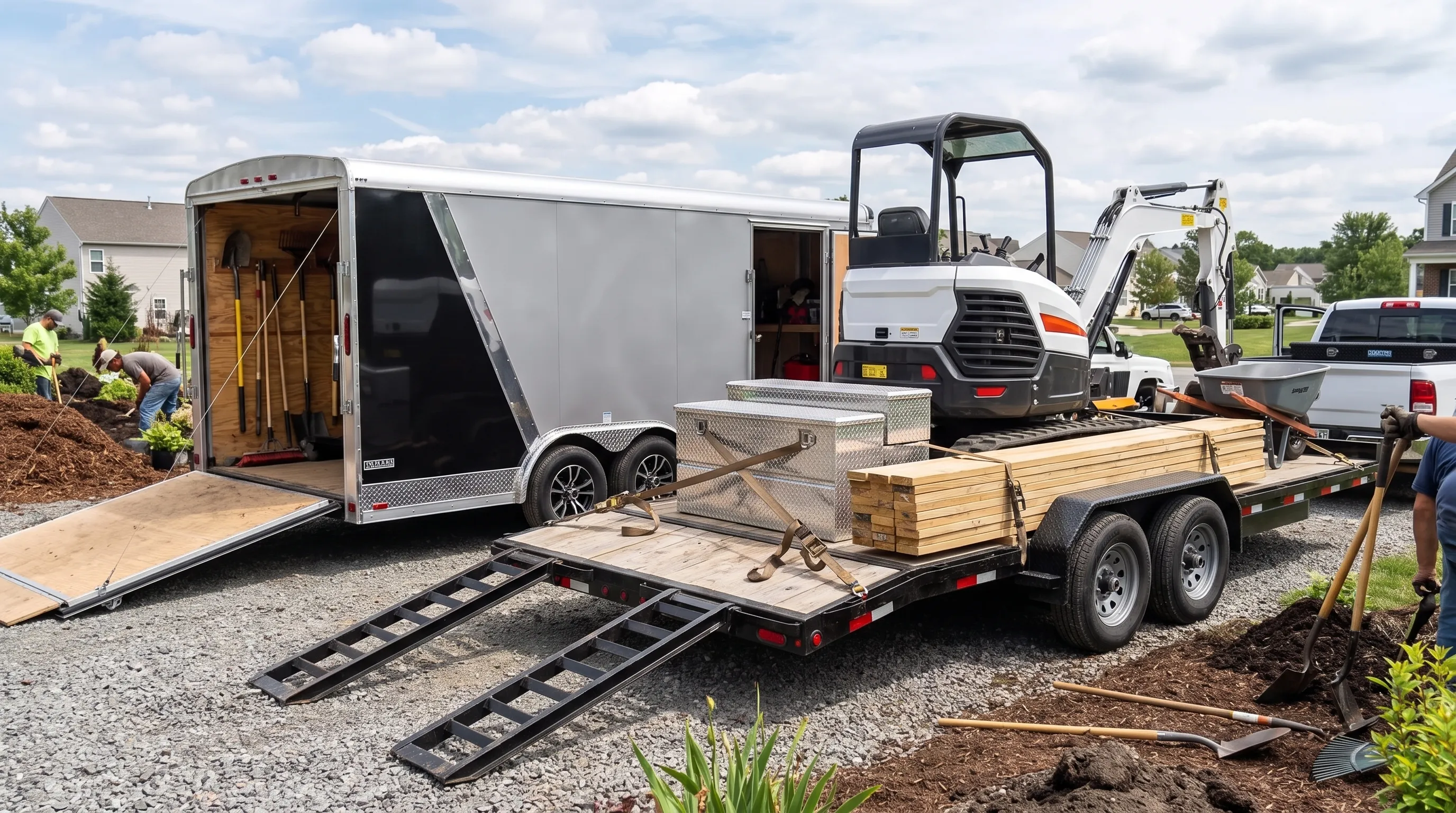
Tie-down placement is one of the most important daily-use features. A trailer with limited anchor points may technically carry your load, but it can force awkward strap angles and make securement slower. Good cargo control reduces shifting, protects equipment and helps keep the load legal.
For equipment hauling, look for tie-down locations that line up with your machines’ proper securement points. For material hauling, stake pockets, rub rails and side options can help contain bulky loads or support temporary sides when needed.
A flatbed utility trailer that handles varied work should give you more than one way to secure cargo. D-rings, stake pockets, rub rails and compatible side kits all add flexibility, but the trailer’s ratings and manufacturer guidance should always control how they are used.
The Federal Motor Carrier Safety Administration publishes cargo securement rules for commercial motor carriers, including working load limit principles and commodity-specific requirements. Even non-commercial users can benefit from understanding those basics, especially when hauling equipment on public roads.
Brakes, Lights and Road Safety Features
Daily trailers spend a lot of time on public roads, so safety features are not optional details. Brakes, breakaway systems, lighting, reflectors, safety chains, couplers and jacks all affect how confidently a trailer performs between jobs.
Brake requirements vary by state and loaded weight, but many heavier utility, equipment and flatbed trailers use electric brakes. If the trailer has electric brakes, the tow vehicle needs a compatible brake controller and properly wired connector.
Lighting should be bright, protected and easy to inspect. Work trailers often see mud, gravel, brush and jobsite debris, so vulnerable wiring can become a recurring maintenance problem. Before buying, look under the trailer and see how the wiring is routed and protected.
A strong jack also matters more than many buyers expect. If you connect and disconnect often, a flimsy or hard-to-operate jack wastes time. For heavier trailers, the coupler style, jack rating and tongue setup should all fit your truck and work routine.
Open Flatbed or Enclosed Trailer?
An open trailer is usually the practical choice for oversized materials, equipment that can tolerate weather and loads that benefit from side access. It is also easier to load with a forklift or crane when the deck design allows it. That is why many contractors and landscapers choose open utility and flatbed models for daily hauling.
An enclosed trailer makes more sense when weather protection, theft visibility, finished storage or cleaner transport matters. If your cargo includes tools, specialty gear or a vehicle that needs covered transport, compare the cost and convenience of open hauling against the protection of an enclosed design.
A flatbed utility trailer is ideal for many outdoor work tasks, but it is not the only solution. For secure vehicle transport and professional hauling, Prime Trail Trailers also lists enclosed options such as the Universal Trailers 8'6" X 18' Continental Cargo Auto-Plus Car-Hauler w/ Ramp, Finished Interior, which is described with a ramp door, finished interior, silver color and 3,510 lb empty weight.
If you are weighing open versus covered hauling, this guide to how a covered trailer protects valuable loads explains when enclosed protection is worth considering.
Buying New vs Used for Daily Work
New trailers can be appealing when you want the latest configuration, clean condition and a predictable starting point. Used trailers may fit buyers who want value and are comfortable inspecting condition closely. Either way, the trailer should match your workload before the price makes the decision for you.
For used trailers, inspect the frame, decking, tires, axle condition, brakes, lights, coupler, jack, wiring and title status. Uneven tire wear may point to alignment, axle or loading problems. Soft deck boards, heavy rust or damaged ramps can turn a lower purchase price into repair costs.
A flatbed utility trailer bought for commercial use should be evaluated as a work asset. If a cheaper trailer slows down loading, limits payload or needs frequent repairs, the savings may disappear quickly.
Prime Trail Trailers offers new and used trailers across multiple categories, including utility, cargo, dump, equipment, car hauler, gooseneck and heavy-duty options. You can compare available models through the current trailers for sale inventory and request help if you need guidance.
Practical Buyer Checklist
Before you reserve or purchase, review the trailer against your real workday. A few minutes of planning can prevent years of compromise.
- Confirm your heaviest normal load and required payload capacity.
- Check GVWR, empty weight, axle ratings, tire ratings and tow vehicle limits.
- Measure your widest and longest equipment, including attachments.
- Decide whether you need a ramp gate, slide-in ramps, removable ramps or tilt loading.
- Inspect tie-down locations, stake pockets, rub rails and side options.
- Verify brakes, breakaway system, lights, coupler, jack and wiring condition.
- Consider where the trailer will be parked, turned around and stored.
- Compare open-deck hauling against enclosed protection for valuable cargo.
The best flatbed utility trailer is the one that fits your repeated jobs, not just your biggest occasional project. If you haul heavy or awkward cargo only a few times per year, renting a specialty trailer for those rare loads may make more sense than oversizing your daily trailer.
Frequently Asked Questions
What size flatbed utility trailer do I need for landscaping work? The right size depends on your mower width, number of machines, fuel storage, hand tools and whether you haul materials. Measure your equipment and allow enough deck space for safe load balance and secure tie-down angles.
Is a tandem-axle trailer better than a single-axle trailer? Tandem axles are often better for heavier commercial hauling because they provide higher capacity and improved stability. Single-axle trailers can still be practical for lighter loads, easier maneuvering and smaller tow vehicles.
Should I choose a ramp gate or slide-in ramps? A ramp gate is convenient for frequent mower and small equipment loading. Slide-in ramps may be better for certain heavier equipment and can reduce wind drag, but they usually take more time to set up.
Can I use an open trailer for tools and materials? Yes, but valuable tools and weather-sensitive materials may need lockable boxes, tarps or an enclosed trailer. If security visibility and weather protection are priorities, compare open and enclosed options before buying.
How do I avoid overloading my trailer? Use the trailer’s GVWR, empty weight and payload rating, then compare the loaded trailer weight with your tow vehicle and hitch ratings. Do not rely on appearance alone, because a load can be unsafe before it looks excessive.
Find the Right Trailer for the Way You Work
Daily hauling rewards the details: capacity that matches the load, a deck that fits your equipment, ramps that make loading safe and tie-downs that speed up securement. When those features line up, your trailer becomes easier to use, safer to tow and better suited to commercial or personal work.
Browse available trailers at Prime Trail Trailers to compare utility, flatbed, equipment, cargo, dump, enclosed, car hauler and gooseneck options. If you are not sure which configuration fits your workload, contact Prime Trail Trailers for help choosing the right trailer and request pricing or availability today.
Have Questions? We're Here to Help
Still unsure which trailer fits your needs, or need specs, pricing or delivery advice? The Prime Trail Trailers team is ready to answer your questions and help you find the right rig.