
Cargo Utility Trailers for Contractors, Landscapers, and More
The right trailer depends on what you haul, where you load and what your truck can safely tow. Compare open and enclosed options, then narrow your choice by payload, access and daily operating needs.
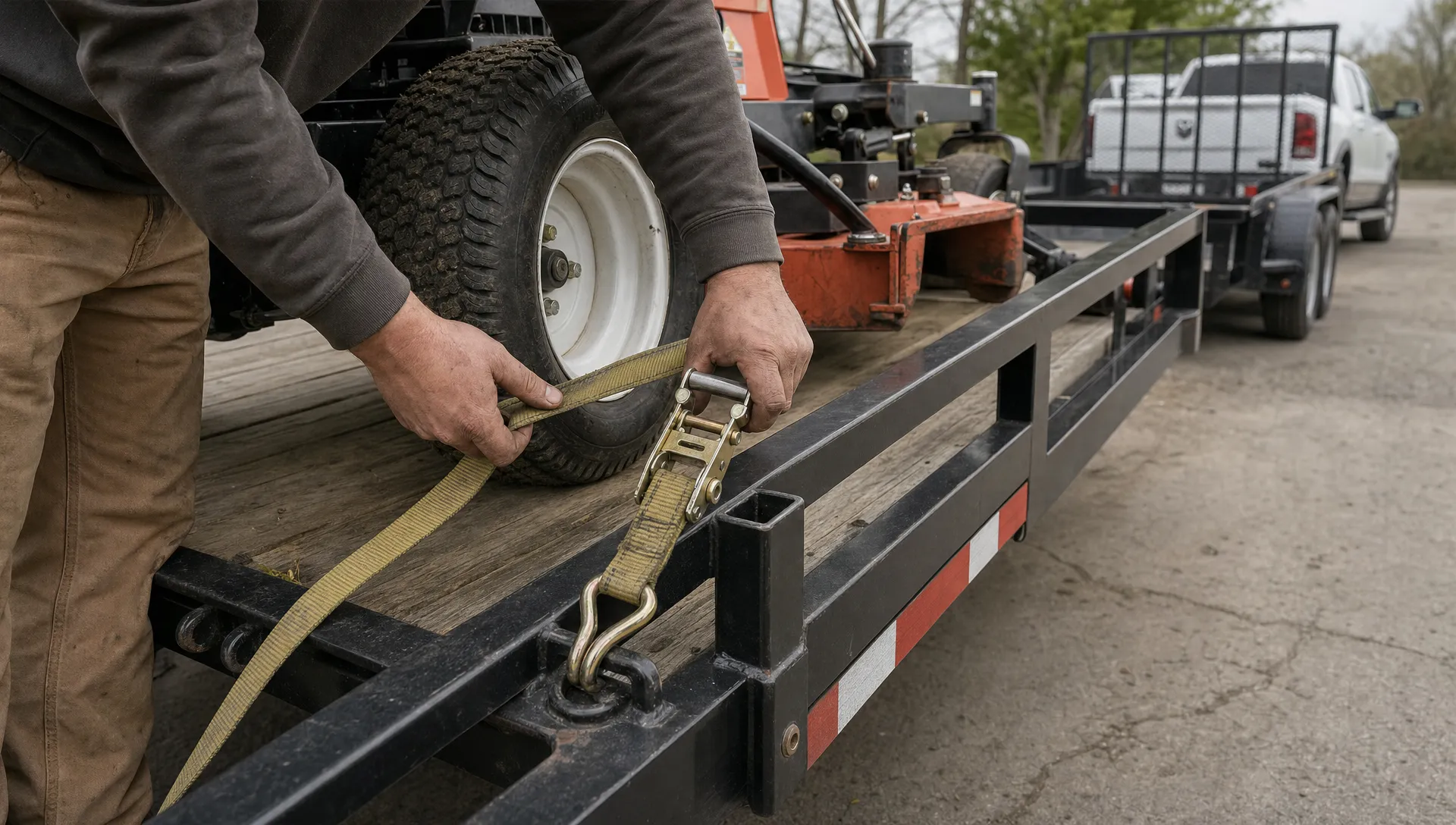
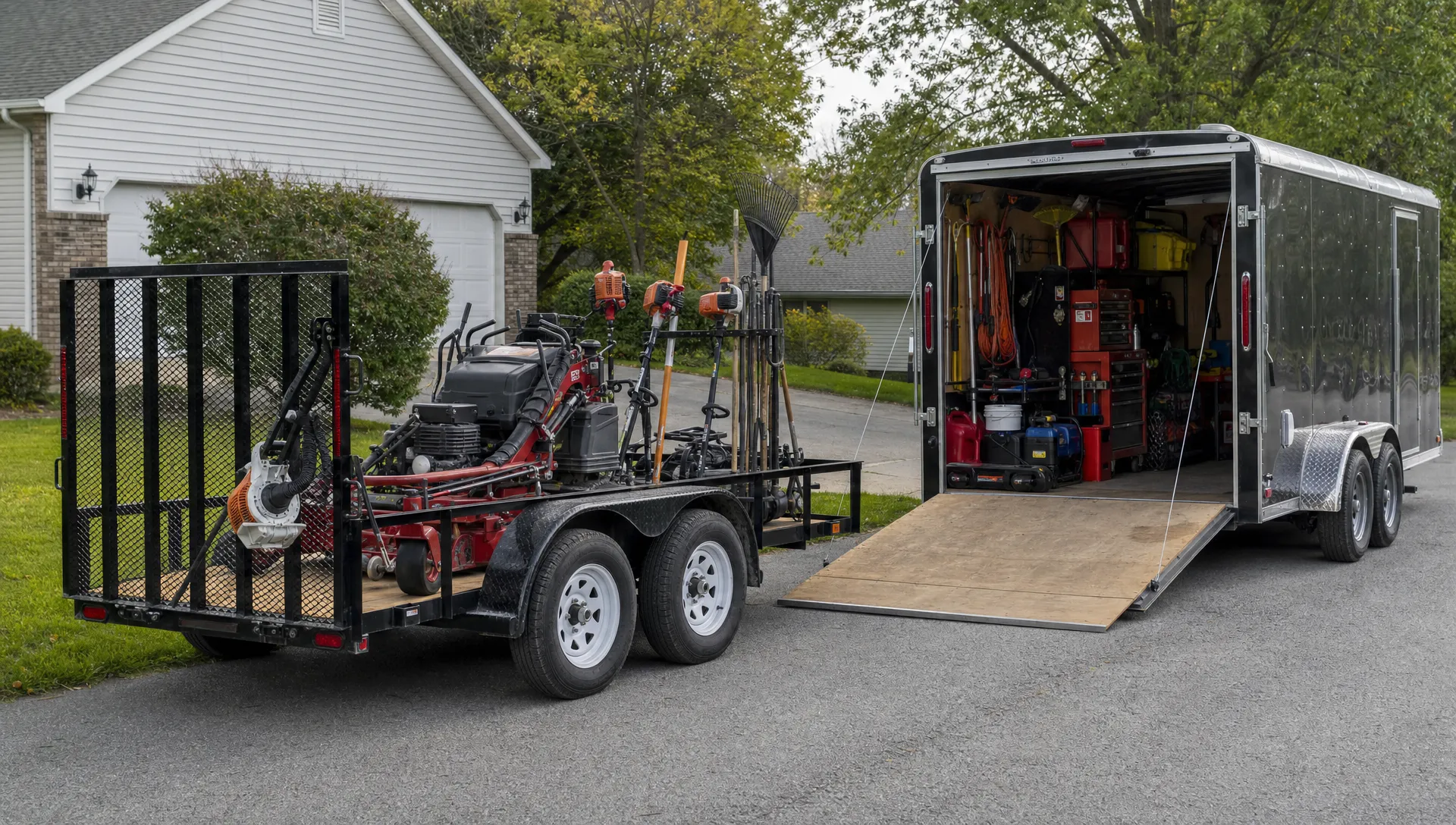
Shopping for cargo utility trailers usually comes down to a practical choice: an open trailer for accessible loading or an enclosed trailer for protected storage and transport. A landscaper moving mowers has different needs from a remodeling contractor carrying power tools, ladders and finish materials. The right purchase matches those loads to a usable layout, adequate payload and a compatible tow vehicle.
Start with your normal workday, then account for the occasional heavier job. Buying more floor space without checking weight capacity, loading access and towing limits can leave you with a trailer that still cannot do the work.
Start With Your Actual Loads
Before comparing trailers for sale, write down what travels together on your busiest routine day. Include equipment, attachments, fuel containers, tools and materials rather than just your largest machine.
Measure equipment in its transport configuration. A mower’s discharge chute, a tractor attachment or a rolling tool cabinet can change the space required. Check whether those items can share the deck without blocking doors, ramps or tie-down points.
Also consider your destinations. Narrow residential driveways favor maneuverability, while active construction sites may require loading from more than one direction. If the trailer will remain loaded overnight, weather exposure and security become purchasing factors rather than optional conveniences.
Which cargo utility trailers fit your work?
“Cargo trailer” commonly refers to an enclosed trailer, while “utility trailer” generally describes an open deck with rails or sides. Listings vary, so compare the actual configuration rather than relying on the category name alone.
| Work requirement | Open utility trailer | Enclosed cargo trailer | |------------------|----------------------|------------------------| | Frequent mower or equipment loading | Open access can simplify positioning and unloading | Requires checking ramp rating, door clearance and interior space | | Transporting weather-sensitive tools | Requires appropriate protection from exposure | Provides an enclosed space during transport | | Carrying tall or irregular loads | No fixed roof limits cargo height, although road and securement limits still apply | Limited by interior height and door openings | | Keeping tools organized between jobs | Often needs secure boxes or purpose-built storage | Can accommodate an organized interior if payload allows | | Loading from the side | Possible on suitable designs | Depends on side-door size and configuration |
Neither design is automatically the better commercial trailer. The deciding factor is whether its layout supports your loading routine without exceeding any component rating.
Contractors: Protect Tools Without Losing Loading Efficiency
For remodeling crews, electricians and service contractors, cargo utility trailers should be evaluated as part of the daily jobsite setup. An enclosed model can keep tools and supplies together, reduce repeated loading into the truck and protect cargo from direct rain exposure during transport.
Interior organization still needs planning. Shelving, cabinets and racks consume payload and can narrow the path to the rear door. Secure stored items for travel rather than assuming shelves will hold them in place.
For a concrete comparison, review the 7-foot by 14-foot contractor-edition enclosed trailer with racks. Check the listing’s specifications against your ladder lengths, tool-storage plans and loading needs, then confirm current details with the sales team.
Builders carrying palletized materials or oversized supplies may prefer an open design. If forklift loading is part of the job, confirm access and the trailer’s suitability before purchasing.
Landscapers: Plan Around the Entire Route
A landscaping trailer needs to carry more than a mower. Trimmers, blowers, fuel, hand tools and collected material can add weight and compete for deck space. Lay out the complete route-day load before selecting dimensions.
For landscaping crews comparing cargo utility trailers, unloading order matters almost as much as floor area. Equipment used at every stop should remain accessible without moving other machines first.
The 7-foot by 14-foot tandem-axle utility trailer with a ramp gate and side ramps provides a specific configuration to evaluate when side access would help your workflow. Confirm ramp ratings, usable loading widths and equipment clearance rather than assuming every machine will fit.
An enclosed trailer can also serve a landscaping business, especially when protected tool storage is a priority. Account for wet equipment, debris cleanup and ventilation needs before choosing it over an open deck.
Farms and Personal Projects: Check Attachments and Cleanup Needs
For farm hauling, the equipment’s operating weight is only part of the calculation. Loaders, buckets, implements and carried supplies can change both total weight and balance. A compact tractor that fits physically may still require an equipment trailer rather than a general-purpose utility model.
For homeowners, an open trailer can suit yard cleanup, building materials and bulky outdoor items. An enclosed model may better match moving furniture or transporting recreational gear. If loose material or debris becomes a frequent load, compare a dump trailer rather than assuming a utility trailer will provide the same unloading convenience.
Choose Dimensions Around Access, Not Just Floor Area
A listed size such as 6 by 12 feet or 7 by 14 feet is a starting point, not proof of fit. Verify usable deck or interior measurements, door openings and any space lost to wheel wells, racks or storage.
When sizing cargo utility trailers, leave room to reach tie-down points and move safely around the load. A machine that barely clears the walls can be difficult to secure and may leave no space for the tools needed on the same trip.
For enclosed models, distinguish interior height from rear-door opening height. Tall cabinets or equipment may fit inside but fail to pass through the entrance. For open models, check clearance between rails, fenders and the loading path.
Ramp angle also matters. Low-clearance equipment can contact the ramp transition even when its overall dimensions fit. Ask about ramp length and loading geometry, then compare those details with your machine.
A larger trailer can reduce trips, but it also needs more parking space and room to turn. Measure your storage location and consider the tightest jobsite you regularly visit.
Verify Payload and the Complete Towing Setup
Calculate What the Trailer Can Actually Carry
Gross vehicle weight rating, or GVWR, is the maximum rated weight of the loaded trailer. Payload is the weight available for cargo after accounting for the trailer itself.
Payload = GVWR minus the trailer’s empty weight. Use the weight of the trailer in its actual configuration, including installed accessories.
Consider this hypothetical example, not a specification for a Prime Trail Trailers unit:
| Weight item | Example | |-------------|---------| | Trailer GVWR | 7,000 lb | | Empty trailer weight before added equipment | 2,200 lb | | Initial calculated payload | 4,800 lb | | Added racks, cabinets and other equipment | 600 lb | | Remaining cargo allowance | 4,200 lb |
Comparing cargo utility trailers by GVWR alone can be misleading because different empty weights leave different amounts available for equipment and materials. Obtain the relevant specifications and weigh the loaded combination when necessary to verify your calculations.
Axle count is not a substitute for this check. Two axles do not automatically establish a particular payload or make a trailer suitable for every machine that fits.
Check Truck, Hitch and Component Limits
The towing setup must stay within all applicable ratings. Check the tow vehicle’s towing capacity, payload, axle ratings and gross combination weight rating, along with the receiver, hitch ball, coupler, tires and trailer ratings.
Tongue weight uses part of the truck’s available payload, alongside passengers, tools and bed cargo. Follow the vehicle and trailer manufacturers’ loading guidance rather than estimating balance from appearance.
If the trailer uses electric brakes, confirm that the tow vehicle has the required compatible brake-control setup. Check brake, breakaway-system and registration requirements for the states where you operate.
Look for Features That Save Time Every Day
A suitable layout can matter more than an accessory package. Position tie-downs where they can restrain your actual equipment, check whether the jack is convenient to operate and make sure the spare tire can be reached when the trailer is loaded.
Evaluate ramps by their documented capacity and intended use. A ramp that works for rolling toolboxes may not be suitable for a mower or compact machine. Concentrated wheel loads and loading technique matter, so follow the manufacturer’s instructions.
For businesses using cargo utility trailers every day, securement should be part of the purchase plan. Confirm that anchor points and securing equipment are appropriate for the load. Walls, side rails and a closed door are not substitutes for proper restraint.
The FMCSA cargo securement rules explain requirements for covered interstate commercial motor vehicle operations. Whether those rules apply to your business depends on your operation, and state requirements may also matter.
Finally, inspect practical details such as lighting protection, floor condition, door operation and access for maintenance. These are easy to overlook during a quick size-and-price comparison.
Compare New and Used Trailers by Total Cost
Purchase price is only one part of ownership. Tires, bearings, brakes, floor repairs, storage and added tool organization can change the overall cost of a trailer that initially looks less expensive.
For a used unit, inspect the frame, welds, coupler, suspension, tires, wiring and deck or floor. On an enclosed trailer, look for water intrusion around roof seams and openings, soft flooring and doors that bind. Verify identifying information and ownership paperwork under your state’s requirements.
When evaluating new and used cargo utility trailers, compare units with similar usable dimensions, payload and loading equipment. A lower-priced trailer is not an equivalent alternative if it needs repairs or cannot carry your routine load.
Ask for an itemized quote that distinguishes the trailer price from applicable taxes, registration expenses, requested accessories and delivery charges. Prime Trail Trailers offers new and used trailers, sales assistance and nationwide delivery options. Confirm the terms and availability for the specific unit before making plans around it.
Frequently Asked Questions
Is an enclosed cargo trailer better than an open utility trailer? An enclosed trailer better suits loads that need protection from direct weather exposure and an organized interior. An open utility trailer can provide easier access for outdoor equipment and irregular loads. Choose around the cargo, loading routine and required capacity rather than assuming one design is universally better.
What size trailer does a landscaping business need? Measure every machine and accessory carried together, then allow space for securement and unloading. A nominal size alone is not enough. Verify usable width, ramp clearance and payload, and consider whether the trailer can maneuver through your regular customers’ driveways.
Do tandem axles always mean more payload? No. Axle count alone does not establish payload. Check GVWR, actual empty weight and component ratings. An enclosed tandem-axle trailer may carry less cargo than another trailer with the same GVWR because its body and installed equipment weigh more.
Can cargo utility trailers haul compact tractors? Some can, but suitability depends on the tractor’s loaded transport weight, attachments, ramp capacity, deck construction and securement provisions. Confirm every relevant rating. An equipment trailer may be the more appropriate choice for machinery that exceeds a utility trailer’s intended capability.
Does an enclosed trailer make tools theft-proof? No. An enclosure limits visibility and access, but locks and doors do not guarantee security. Consider where you park, how tools are secured and whether your insurance covers equipment while stored or transported.
Find a Trailer That Matches Your Work
Bring your equipment measurements, estimated loaded weight, tow vehicle details and preferred loading method to the buying conversation. Those details make it easier to narrow the options without paying for space or features that do not help your business.
Browse Prime Trail Trailers’ trailer categories and available listings to compare cargo utility trailers with other hauling options. Contact the sales team for help choosing a suitable configuration, requesting current pricing and availability or discussing delivery for the unit you are considering.
Have Questions? We're Here to Help
Still unsure which trailer fits your needs, or need specs, pricing or delivery advice? The Prime Trail Trailers team is ready to answer your questions and help you find the right rig.