
Flatbed Trailer Decking Materials: Treated Wood, Steel, and Aluminum Compared
Compare flatbed trailer decking materials including treated pine, rough oak, steel, and aluminum to find the best option for your commercial hauling needs.
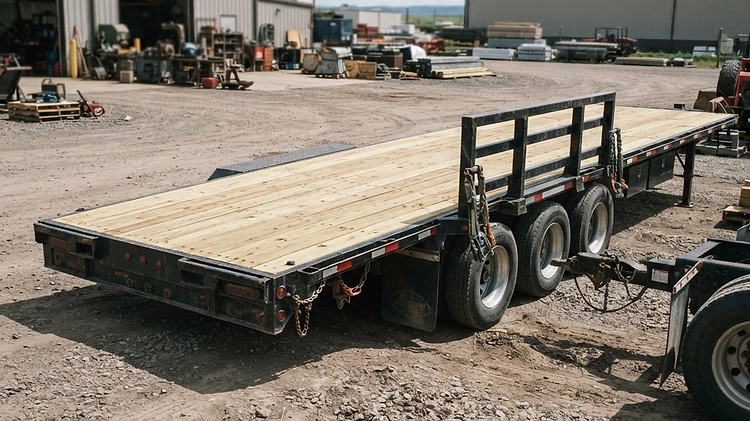
Choosing the right decking material for your flatbed trailer is one of the most critical decisions you will make when purchasing a new rig. The floor of your trailer takes the brunt of the abuse from heavy equipment, chained loads, and harsh weather, meaning your choice directly impacts the trailer's lifespan and payload capacity. In this guide, we compare the most common flatbed trailer decking materials to help you make an informed decision.
Why Flatbed Trailer Decking Matters
Your trailer's decking is the foundation of your hauling operation. Whether you are transporting construction materials, heavy machinery, or palletized freight, the deck must withstand immense pressure, friction, and environmental exposure.
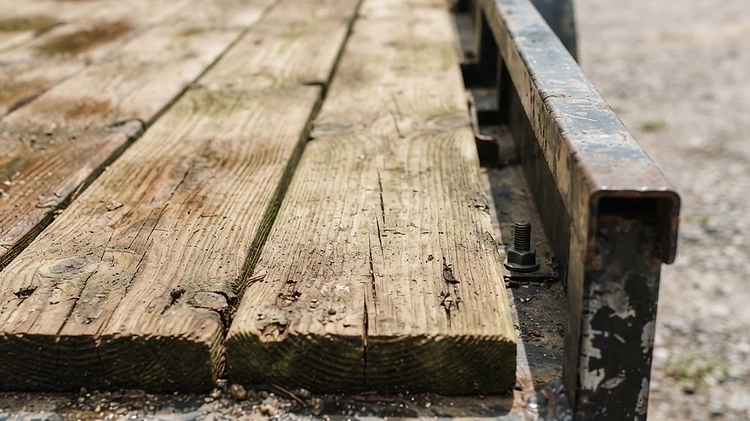
Selecting the wrong material can lead to premature wear, rotting, or structural failure, which ultimately costs you time and money. When evaluating flatbed trailers, you must balance durability, weight, traction, and replacement costs. For those operating in harsh climates or demanding industries like oilfield hotshotting in Texas, finding the right balance is even more crucial. If you are looking for trailers for sale in Texas, understanding these materials will ensure your investment lasts.
Treated Pine: The Industry Standard
Treated pine is the most common decking material found on standard utility and flatbed trailers. It is cost-effective, relatively lightweight, and easy to replace when damaged. The pressure-treatment process helps the wood resist rot, decay, and insect damage, making it suitable for general-purpose hauling.
However, pine is a softwood. It is susceptible to gouging from heavy equipment tracks and can warp or splinter over time if exposed to extreme weather without proper maintenance. For light to medium-duty hauling, treated pine offers an excellent balance of affordability and performance.
Rough Oak: Heavy-Duty Durability
For heavy equipment haulers, rough oak is a significant upgrade over treated pine. Oak is a dense hardwood that provides exceptional strength and resistance to impact and abrasion.

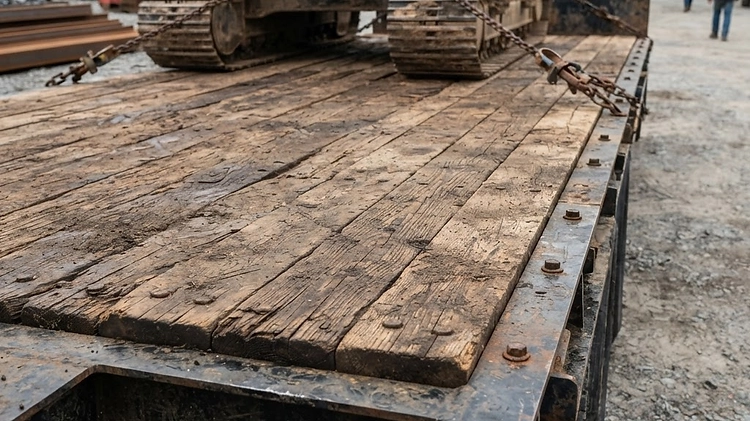
When loading skid steers, tractors, or tracked machinery onto deckover trailers, oak decking resists the tearing and crushing forces that would quickly destroy softer woods. While oak is heavier and more expensive than pine, its longevity makes it a preferred choice for commercial operators. It also provides excellent natural traction, even when wet, which is vital for safe loading and unloading.
Steel Decking: Maximum Strength and Longevity
Steel decking offers unparalleled strength and durability. It will not rot, splinter, or warp like wood, making it ideal for the most punishing hauling environments. Steel decks are commonly found on heavy-duty equipment trailers and specialized commercial rigs.
The primary drawbacks of steel are its weight and lack of traction. A steel deck adds significant weight to the trailer, which reduces your overall payload capacity. Additionally, bare steel can be incredibly slippery when wet or covered in mud. To mitigate this, many manufacturers apply textured powder coating or weld traction bars onto the deck. If you are considering a 2026 Wil-Ro Patriot Flatbed, you will appreciate the rugged durability that metal components provide.
Aluminum Decking: Lightweight and Corrosion-Resistant
Aluminum decking is the premium choice for haulers who need to maximize payload capacity while maintaining excellent durability. Aluminum is significantly lighter than steel and wood, allowing you to haul heavier loads without exceeding your Gross Vehicle Weight Rating (GVWR).

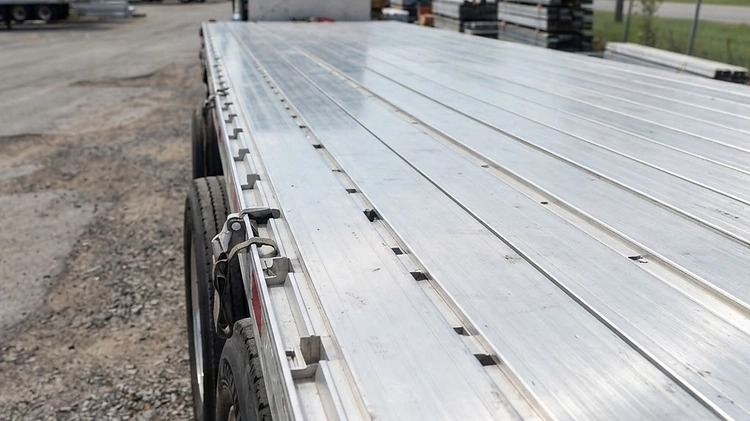
Furthermore, aluminum is naturally corrosion-resistant, meaning it will not rust like steel or rot like wood. This makes it an excellent long-term investment, particularly for operators in coastal areas or regions that use heavy road salt. While the upfront cost of an aluminum deck is higher, the fuel savings from the reduced weight and the lack of maintenance often offset the initial price. Models like the 2026 BEDBOSS Dually ArmorBed Flatbed showcase how advanced materials can enhance hauling efficiency.
Key Specifications to Consider
When comparing decking materials, consider the following factors:
- Weight: Aluminum is the lightest, followed by pine, oak, and steel.
- Durability: Steel and oak offer the highest impact resistance.
- Traction: Rough oak provides the best natural traction; steel requires added texture.
- Maintenance: Aluminum requires the least maintenance; wood requires periodic sealing.
- Cost: Pine is the most affordable; aluminum is the most expensive.
For more insights on trailer configurations, explore our comprehensive guides, including our detailed breakdown of Flatbed vs. Deckover Trailers: Key Differences and Buying Guide and the Standard Flatbed and Deckover Trailer Dimensions: 2026 Sizing & Legal Limits Guide.
Bottom Line
The best flatbed trailer decking material depends entirely on your specific hauling requirements. If you are on a budget and hauling general cargo, treated pine is sufficient. For heavy equipment, rough oak or steel are necessary for longevity. If maximizing payload and minimizing maintenance are your top priorities, aluminum is the ultimate choice.
Ready to find the perfect trailer for your business? Whether you need delivery in Houston, TX or anywhere nationwide, browse our complete shop inventory to see our latest models and configurations.
FAQ
Have Questions? We're Here to Help
Still unsure which trailer fits your needs, or need specs, pricing or delivery advice? The Prime Trail Trailers team is ready to answer your questions and help you find the right rig.