
Gross Combined Weight Rating (GCWR) vs. GVWR: The Ultimate Towing Math Guide
Learn the critical differences between GCWR and GVWR, how to calculate your maximum safe towing capacity, and why these weight ratings matter for legal hauling.
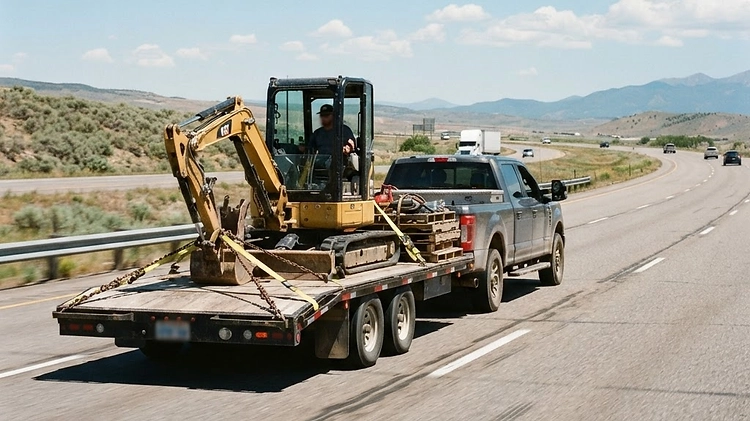
Understanding the alphabet soup of trailer weight ratings is the most critical step before you ever hitch up a load. Whether you are hauling heavy equipment to a job site or transporting vehicles across state lines, knowing the difference between Gross Combined Weight Rating (GCWR) and Gross Vehicle Weight Rating (GVWR) ensures you stay safe, legal, and in control. This comprehensive guide breaks down the exact math behind safe towing so you can hit the road with confidence.
What is Gross Vehicle Weight Rating (GVWR)?
The Gross Vehicle Weight Rating (GVWR) is the absolute maximum operating weight of a vehicle or trailer as specified by the manufacturer. This rating includes the vehicle's chassis, body, engine, engine fluids, fuel, accessories, driver, passengers, and cargo, but excludes the weight of any trailers.

For trailers, the GVWR represents the maximum allowable weight of the trailer itself plus its entire payload. If you are looking at flatbed trailers, for example, a trailer with a 14,000 lb GVWR that weighs 4,000 lbs empty has a maximum payload capacity of 10,000 lbs. Exceeding the GVWR puts immense stress on the axles, suspension, and brakes, leading to catastrophic failures and voided warranties.
How to Find Your GVWR
You can typically find the GVWR on the manufacturer's VIN plate or safety compliance certification label, usually located on the driver's side door frame of a truck or the front driver-side frame of a trailer. Always verify this number before loading, especially if you are operating trailers for sale in Texas where highway speeds and heavy loads demand strict compliance.
What is Gross Combined Weight Rating (GCWR)?
The Gross Combined Weight Rating (GCWR) is the maximum allowable combined mass of your tow vehicle, the passengers and cargo in the tow vehicle, plus the mass of the trailer and the cargo in the trailer. Essentially, it is the total weight your truck's engine, transmission, and brakes can safely handle moving down the road.

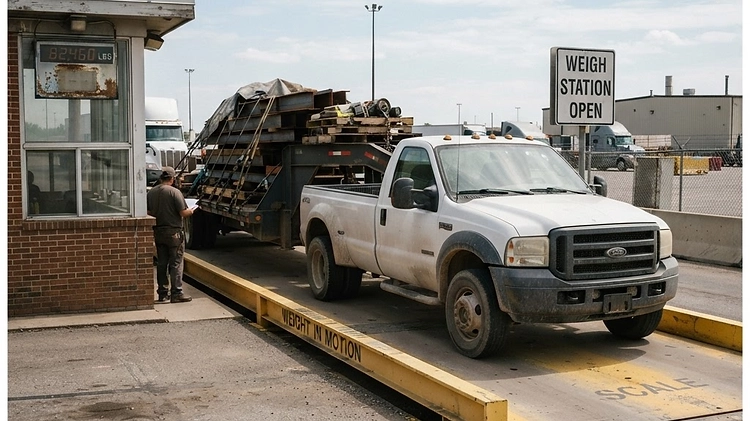
While GVWR applies to individual units (the truck or the trailer), GCWR applies to the entire rig as a single moving entity. If you are hauling a heavy load on a 2027 MAXX-D YDX 8.5x32 22.5K Gooseneck Hydraulic Dovetail, your truck's GCWR must be high enough to accommodate the weight of the truck, the trailer, and the equipment loaded on it.
GCWR vs. GVWR: Key Differences Explained
Understanding the distinction between these two ratings is vital for safe hauling. Here is a quick breakdown:
- Scope: GVWR applies to a single vehicle or trailer. GCWR applies to the combined truck and trailer unit.
- Limiting Factor: GVWR is limited by axles, suspension, and frame strength. GCWR is limited by the tow vehicle's engine power, transmission cooling, and braking capacity.
- Legal Compliance: DOT officers will check both. You can be under your GCWR but over your trailer's GVWR, which is still illegal and dangerous.
For more insights on weight distribution, check out our guide on Trailer Axle Weight Ratings (GAWR) Explained: How to Calculate Dual-Axle Load Limits.
How to Calculate Your Maximum Safe Towing Capacity
To determine how much you can safely tow, you need to do a little math. Never rely solely on the "max towing capacity" advertised in truck commercials, as those numbers assume an empty truck with only a 150 lb driver.

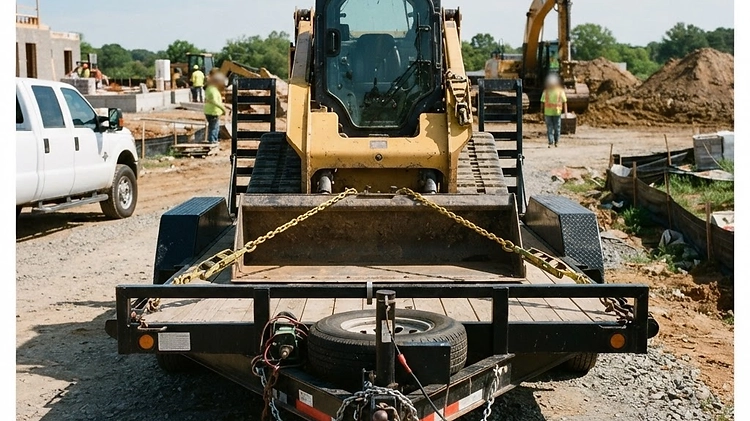
The Towing Math Formula
- Find your GCWR: Check your truck's owner's manual or towing guide.
- Weigh your loaded truck: Take your fully fueled truck, with all passengers and cargo, to a CAT scale. This is your actual Gross Vehicle Weight (GVW).
- Subtract GVW from GCWR: The remaining number is your true maximum loaded trailer weight.
For example, if your truck has a GCWR of 25,000 lbs and weighs 8,000 lbs loaded, your maximum trailer weight is 17,000 lbs. If you are looking at equipment trailers like the 2027 PJ T6 7x20 Gooseneck Gravity Tilt Equipment Trailer, ensure the fully loaded trailer does not exceed this 17,000 lb limit.
The Dangers of Exceeding Your GCWR and GVWR
Pushing past your weight ratings isn't just a compliance issue; it's a severe safety hazard. Overloading affects every dynamic aspect of your rig:
- Brake Failure: Overloaded brakes overheat quickly, leading to brake fade and significantly increased stopping distances.
- Transmission Damage: Hauling beyond the GCWR causes transmission fluid to boil, destroying the gearbox.
- Trailer Sway: Improper weight distribution and overloading are the primary causes of dangerous trailer sway. Learn more in our guide on The Physics of Trailer Sway: Why Proper Tongue Weight and Cargo Loading Matter.
- Legal Liability: If you are involved in an accident while overloaded, you can face severe fines and liability, especially when operating commercially in busy hubs like trailers for sale in Atlanta GA.
Key Specifications to Look For on Your Trailer VIN Plate
When inspecting a trailer, always check the VIN plate for these critical numbers:
- GVWR: The absolute maximum loaded weight of the trailer.
- GAWR (Gross Axle Weight Rating): The maximum weight each individual axle can support.
- Tire Load Range: Ensure the tires are rated to handle the GVWR. Read our Trailer Tire Load Range and PSI Guide for more details.
For a deeper dive into payload, review our comprehensive Towing Capacity vs. Payload Capacity: The Complete Hauling & Sizing Guide.
Bottom Line
Mastering the math behind GCWR and GVWR is non-negotiable for safe, efficient, and legal towing. By understanding your limits and properly weighing your rig, you protect your equipment, your cargo, and everyone else on the road. Ready to find a trailer that perfectly matches your tow vehicle's capabilities? Explore our extensive inventory at the Prime Trail Trailers Shop or visit our Guides Hub for more expert towing advice.
FAQ
Have Questions? We're Here to Help
Still unsure which trailer fits your needs, or need specs, pricing or delivery advice? The Prime Trail Trailers team is ready to answer your questions and help you find the right rig.