
Trailer Axle Weight Ratings (GAWR) Explained: How to Calculate Dual-Axle Load Limits
Learn how to find and calculate your trailer's Gross Axle Weight Rating (GAWR), understand dual-axle load limits, and safely distribute payload for towing.
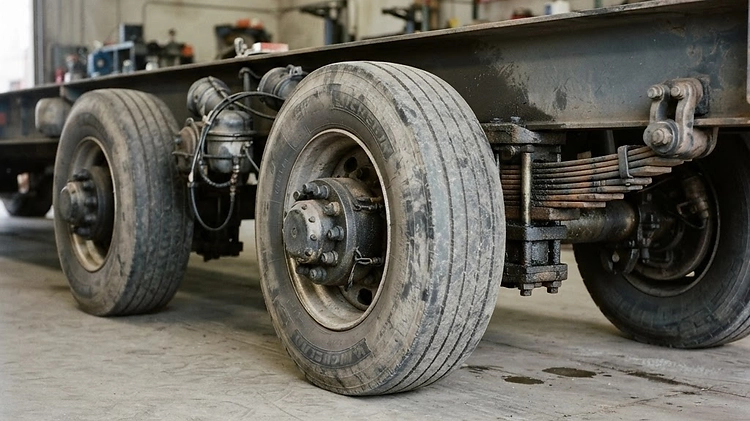
Understanding your trailer's Gross Axle Weight Rating (GAWR) is critical for safe towing, preventing equipment failure, and staying compliant with DOT regulations. Whether you are hauling a skid steer on an equipment trailer or moving materials on a flatbed, knowing how much weight your axles can safely support is the foundation of load management.
In this guide, we will break down what GAWR means, how to calculate dual-axle load limits, and how to properly distribute your payload to avoid overloading your trailer's suspension and tires.
What is Gross Axle Weight Rating (GAWR)?
Gross Axle Weight Rating (GAWR) is the maximum distributed weight that a single axle can safely support. This rating is determined by the manufacturer and accounts for the weakest link in the axle assembly, which includes the axle tube, spindles, bearings, brakes, hubs, and suspension components.
Exceeding the GAWR puts immense stress on these components, leading to premature wear, blown tires, bent axles, or catastrophic failure at highway speeds. It is important to note that GAWR is different from Gross Vehicle Weight Rating (GVWR). While GVWR is the maximum total weight of the fully loaded trailer (including the trailer's own weight), GAWR specifically limits the weight placed on the axles themselves.
How to Find Your Trailer's Axle Rating
Finding your trailer's GAWR is usually straightforward. You can locate this information in a few places:
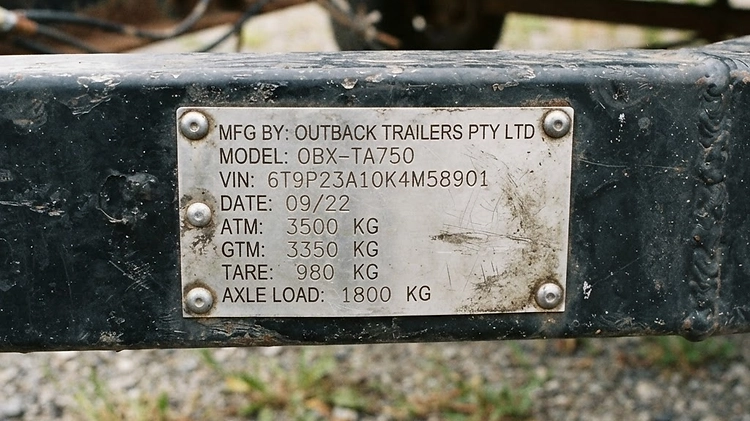
- VIN Sticker/Compliance Plate: The most accessible place is the trailer's compliance plate, typically located on the front frame, tongue, or inside the door of an enclosed trailer. This plate will list the GVWR and the GAWR for each axle.
- Axle Stamp/Tag: Most axle manufacturers stamp the weight rating directly into the axle tube or attach a metal tag near the center of the axle or the spring perch.
- Tube Diameter: In some cases, you can estimate the axle rating by measuring the axle tube diameter. For example, a 2-3/8" tube is commonly associated with a 3,500-lb axle, while a 3" tube is often used for 5,200-lb or 7,000-lb axles. However, always verify with the manufacturer's plate for accuracy.
Calculating Dual-Axle Load Limits
For tandem-axle (dual-axle) trailers, calculating the total axle capacity is simple: multiply the GAWR of a single axle by the number of axles.
For example, if your trailer has two 7,000-lb axles, your total axle capacity is 14,000 lbs.
However, this does not mean you can put 14,000 lbs of cargo on the trailer. To find your actual payload capacity, you must subtract the empty weight (curb weight) of the trailer from the GVWR.


The Relationship Between GAWR, GVWR, and Tongue Weight
You might notice that the combined GAWR of your axles is sometimes higher than the trailer's GVWR. This is a built-in safety margin. Conversely, the GVWR might be higher than the combined GAWR. How is this possible?
This happens because a portion of the trailer's total weight is supported by the tow vehicle via the hitch (tongue weight or pin weight). For a bumper pull trailer, tongue weight should be 10-15% of the total loaded weight. For a gooseneck trailer, pin weight is typically 20-25%.
Example Calculation:
- Trailer GVWR: 14,000 lbs
- Axles: Two 7,000-lb axles (14,000 lbs total GAWR)
- Empty Trailer Weight: 4,000 lbs
- Max Payload: 10,000 lbs (14,000 lbs GVWR - 4,000 lbs Empty Weight)
If fully loaded to 14,000 lbs, and properly balanced with 15% tongue weight (2,100 lbs), the axles are only carrying 11,900 lbs, well below their 14,000 lb combined capacity.
Common Trailer Axle Ratings and Uses
Different trailers require different axle capacities based on their intended use. Here is a breakdown of common axle ratings:
- 3,500 lbs (Single or Tandem): Common on light utility trailers and small enclosed trailers. Suitable for ATVs, lawnmowers, and light debris.
- 5,200 lbs (Tandem): Often found on standard car haulers and medium-duty flatbeds. Good for mid-size cars and light tractors.
- 7,000 lbs (Tandem): Standard for heavy-duty equipment trailers and dump trailers. Ideal for skid steers, mini excavators, and heavy building materials.
- 10,000 lbs - 12,000+ lbs (Tandem or Dual Tandem): Used on heavy commercial gooseneck trailers, deckover trailers, and hotshot trailers. Designed for large tractors, multiple vehicles, and heavy commercial freight.
How to Properly Distribute Weight Across Axles
Knowing your axle limits is only half the battle; you must also distribute the weight correctly to avoid overloading a single axle.


- The 60/40 Rule: For tandem axle trailers, aim to place approximately 60% of the cargo weight ahead of the center line of the axles, and 40% behind it. This ensures proper tongue weight and prevents trailer sway.
- Level Towing: Ensure your trailer is towing level. If the nose is too high, the rear axle carries more weight. If the nose is too low, the front axle is overloaded. Adjust your hitch height accordingly.
- Secure the Load: Use proper tie-downs to prevent the load from shifting during transit, which could suddenly overload one side or one axle.
Signs of an Overloaded Axle
Consistently pushing or exceeding your GAWR will lead to noticeable wear and tear. Watch for these warning signs:
- Uneven Tire Wear: Excessive wear on the inside or outside edges of the tires can indicate a bent axle or overloaded suspension.
- Sagging Suspension: If the trailer deck sits noticeably lower on one side or the leaf springs are flattened, the axles are bearing too much weight.
- Hot Hubs: Overloaded bearings generate excessive heat. If the hubs are too hot to touch after a short drive, you may be overloaded or need bearing maintenance.
- Poor Braking: Overloaded axles strain the trailer's braking system, leading to a soft brake pedal or increased stopping distances.
Bottom Line
Understanding and respecting your trailer's Gross Axle Weight Rating (GAWR) is essential for safe and legal towing. Always check your compliance plate, calculate your payload accurately, and distribute the weight evenly to protect your equipment and ensure a smooth haul.
If you are looking for a trailer with the right axle capacity for your heavy loads, explore our inventory of equipment trailers and gooseneck trailers at Prime Trail Trailers, or visit our guides hub for more towing advice.
FAQ
Have Questions? We're Here to Help
Still unsure which trailer fits your needs, or need specs, pricing or delivery advice? The Prime Trail Trailers team is ready to answer your questions and help you find the right rig.