
Trailer Brake Controller Setup & Tuning Guide: Proportional vs. Time-Delayed Systems
Learn the differences between proportional and time-delayed trailer brake controllers, how they work, and how to properly set up and tune your system for safe towing.
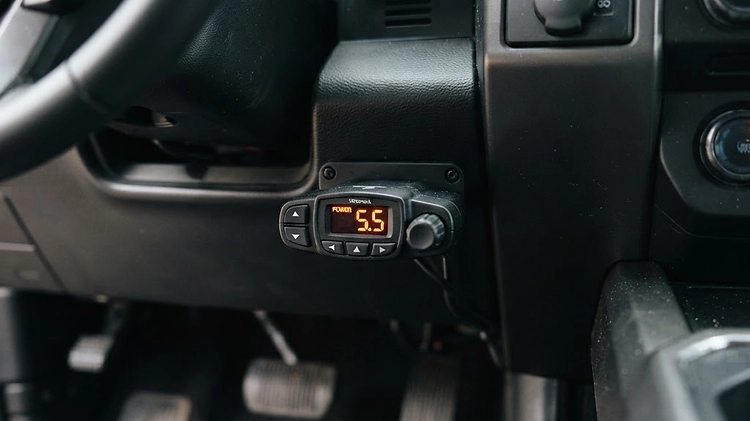
Towing a heavy load safely requires more than just a powerful truck and a sturdy hitch. It demands a reliable braking system that works in harmony with your tow vehicle. A trailer brake controller is the critical link that ensures your trailer stops when you do, preventing dangerous situations like jackknifing or excessive wear on your truck's brakes.
In this comprehensive guide, we'll explore the two main types of trailer brake controllers: proportional and time-delayed. We'll break down how each system works, their pros and cons, and provide a step-by-step guide on how to set up and tune your controller for optimal performance. Whether you're hauling a heavy equipment trailer or a loaded dump trailer, understanding your brake controller is essential for safe and confident towing.
Understanding Trailer Brake Controllers
A trailer brake controller is an electronic device installed in the cab of your tow vehicle that activates and monitors your trailer's electric brakes. When you press the brake pedal in your truck, the controller sends an electrical signal to the trailer brakes, telling them to engage. This synchronized braking is crucial for maintaining control, especially when towing heavy loads or navigating steep descents.
Most states require a brake controller for trailers weighing over 3,000 lbs, though regulations vary. Beyond legal compliance, a properly functioning brake controller significantly reduces stopping distance and minimizes wear and tear on your tow vehicle's braking system.


Proportional Brake Controllers: Smooth and Responsive
Proportional brake controllers, also known as inertia-based controllers, use an internal accelerometer to sense how quickly your tow vehicle is decelerating. They then apply a proportional amount of power to the trailer brakes. If you slam on the brakes in an emergency, the trailer brakes will engage with maximum force. If you gently tap the brakes to slow down for a red light, the trailer brakes will apply lightly.
How They Work
The accelerometer inside a proportional controller detects the vehicle's momentum and braking force. It calculates the exact amount of voltage needed to match the tow vehicle's deceleration rate and sends that power to the trailer brakes. This results in smooth, synchronized braking that feels natural and controlled.
Pros and Cons
Pros:
- Smooth Braking: Provides seamless and predictable stopping power.
- Reduced Wear: Minimizes wear on both the tow vehicle and trailer brakes.
- Emergency Stopping: Delivers maximum braking force instantly in emergency situations.
- Ideal for Heavy Loads: Highly recommended for towing heavy equipment, livestock, or large enclosed trailers.
Cons:
- Higher Cost: Generally more expensive than time-delayed controllers.
- Mounting Requirements: Must be mounted at a specific angle and orientation for the accelerometer to function correctly.
Time-Delayed Brake Controllers: Simple and Predictable
Time-delayed brake controllers operate on a simpler mechanism. When you press the brake pedal, the controller sends a pre-set amount of voltage to the trailer brakes, ramping up to the maximum power level over a fixed period (usually 1-3 seconds). The braking force is determined by the settings you choose, regardless of how hard you press the brake pedal.
How They Work
Time-delayed controllers do not have an accelerometer. Instead, they rely on a connection to the tow vehicle's brake light circuit. When the brake lights illuminate, the controller activates the trailer brakes according to the user-defined power and delay settings.


Pros and Cons
Pros:
- Lower Cost: Typically more affordable than proportional controllers.
- Flexible Mounting: Can be mounted at any angle or orientation.
- Simple Operation: Easy to understand and adjust.
Cons:
- Less Responsive: Braking force is not proportional to the tow vehicle's deceleration.
- Increased Wear: Can cause uneven wear on the trailer brakes if not adjusted correctly.
- Not Ideal for Heavy Loads: Less effective for emergency stops or towing heavy, shifting loads.
Setting Up and Tuning Your Brake Controller
Proper setup and tuning are essential for maximizing the performance and safety of your brake controller. The process involves adjusting two main settings: Gain (or Power) and Sensitivity (or Boost).
Step 1: Adjusting the Gain (Power)
The Gain setting determines the maximum amount of voltage sent to the trailer brakes. To set the Gain:
- Connect your fully loaded trailer to the tow vehicle.
- Find a flat, paved, and empty area (like a large parking lot).
- Drive at approximately 25 mph.
- Apply the manual override lever on the brake controller (do not use the vehicle's brake pedal).
- If the trailer brakes lock up, reduce the Gain setting.
- If the trailer barely slows down, increase the Gain setting.
- Repeat this process until the trailer brakes firmly without locking up.
Step 2: Adjusting the Sensitivity (Boost)
The Sensitivity setting (often called Boost on proportional controllers) determines how aggressively the trailer brakes engage initially. To set the Sensitivity:
- Drive at approximately 25 mph.
- Apply the tow vehicle's brake pedal normally.
- If the trailer feels like it's pushing the tow vehicle, increase the Sensitivity.
- If the trailer feels like it's pulling the tow vehicle (grabbing too hard), decrease the Sensitivity.
- Adjust until the braking feels smooth and synchronized.

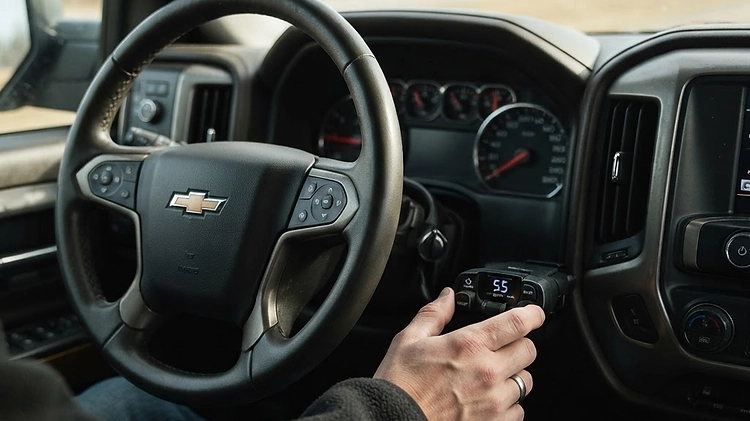
Key Specifications to Consider
When choosing a brake controller, consider the following specifications:
- Axle Capacity: Ensure the controller is rated for the number of axles on your trailer (e.g., 1-4 axles).
- Display: Look for a clear, easy-to-read digital display for monitoring settings and diagnostics.
- Compatibility: Verify compatibility with your tow vehicle's wiring system (e.g., factory pre-wired vs. hardwired).
- Brake Type: Ensure the controller is compatible with your trailer's brake type (electric drum vs. electric-over-hydraulic).
Bottom Line
Choosing the right trailer brake controller and tuning it correctly is a critical step in ensuring safe and controlled towing. While time-delayed controllers offer a budget-friendly option for lighter loads, proportional controllers provide superior performance, smoother braking, and enhanced safety for heavy hauling. By understanding the differences and following proper setup procedures, you can protect your equipment and tow with confidence.
For more information on towing safety and equipment, explore our comprehensive Guides Hub. If you're in the market for a new trailer, browse our extensive inventory of Equipment Trailers and Dump Trailers to find the perfect match for your hauling needs.
FAQ
Have Questions? We're Here to Help
Still unsure which trailer fits your needs, or need specs, pricing or delivery advice? The Prime Trail Trailers team is ready to answer your questions and help you find the right rig.