
Towing Capacity vs. Payload Capacity: The Complete Hauling & Sizing Guide
Understand the critical differences between towing capacity and payload capacity to safely load your truck and trailer without exceeding weight limits.
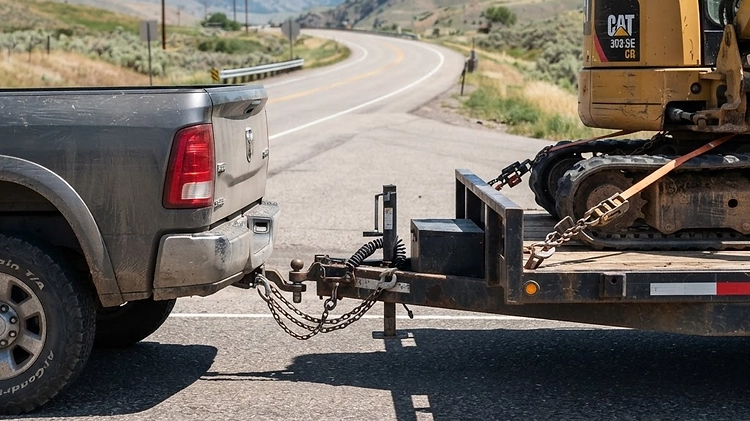
When you are gearing up for a heavy haul, knowing your truck's limits is the first step to a safe trip. Many drivers look at the "max towing capacity" in a brochure and assume they are good to go, but that number only tells half the story. The real limiting factor for most towing setups is actually payload capacity. Understanding the difference between towing capacity and payload capacity is essential for safe, legal, and efficient hauling.
In this guide, we will break down exactly what these terms mean, how they interact, and how to calculate your true hauling limits. Whether you are pulling a dump trailer full of gravel or a loaded car hauler, mastering these numbers will protect your equipment and keep you safe on the road.
What is Towing Capacity?
Towing capacity is the maximum amount of weight your vehicle can safely pull behind it. This number is determined by the manufacturer based on the vehicle's engine, transmission, axle ratio, frame strength, and braking system. It represents the total weight of the loaded trailer (Gross Trailer Weight, or GTW) that the vehicle can handle under ideal conditions.

However, towing capacity is not a standalone number. It is closely tied to the Gross Combined Weight Rating (GCWR), which is the maximum allowable weight of the tow vehicle and the loaded trailer combined. If your truck is loaded down with heavy cargo in the bed, your available towing capacity decreases because you are eating into that combined weight limit.
What is Payload Capacity?
Payload capacity is the maximum amount of weight your vehicle can carry in its cabin and bed. This includes the weight of all passengers, cargo, tools, aftermarket accessories (like a heavy bumper or winch), and—crucially—the tongue weight of your trailer.
Your vehicle's payload capacity is calculated by subtracting its curb weight (the weight of the empty vehicle with a full tank of gas) from its Gross Vehicle Weight Rating (GVWR). You can usually find your specific truck's payload capacity on the "Tire and Loading Information" sticker located on the driver's side door jamb.
The Tongue Weight Trap: How Towing Eats Your Payload
The most common mistake drivers make is forgetting that towing a trailer directly impacts their payload capacity. When you hook up a trailer, a portion of its weight presses down on the hitch. This downward force is called tongue weight (or pin weight for gooseneck/fifth-wheel trailers).

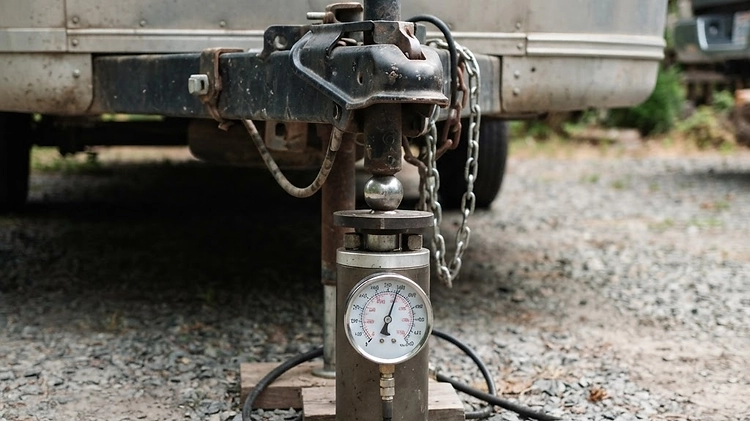
For a standard bumper-pull trailer, tongue weight should be 10% to 15% of the total loaded trailer weight. For a gooseneck trailer, it is typically 15% to 25%. This tongue weight counts directly against your truck's payload capacity.
For example, if you are towing a 10,000 lb equipment trailer, you will have roughly 1,000 to 1,500 lbs of tongue weight resting on your hitch. If your truck's payload capacity is 2,000 lbs, that leaves you with only 500 to 1,000 lbs for passengers, tools, and cargo in the truck itself. This is why many half-ton trucks run out of payload capacity long before they reach their maximum towing capacity.
How to Calculate Your True Hauling Limits
To ensure you are towing safely, you need to check several different weight ratings. Here is a step-by-step process to calculate your true capacity:
- Find Your Payload Capacity: Check the door jamb sticker for the maximum payload.
- Calculate Passenger and Cargo Weight: Add up the weight of everyone and everything inside the truck and bed.
- Determine Available Payload for Tongue Weight: Subtract the passenger/cargo weight from your total payload capacity. This is the maximum tongue weight your truck can handle.
- Estimate Max Trailer Weight: Divide your available tongue weight by 0.10 (for 10% tongue weight) or 0.15 (for 15% tongue weight) to find the maximum trailer weight you can tow without exceeding payload.
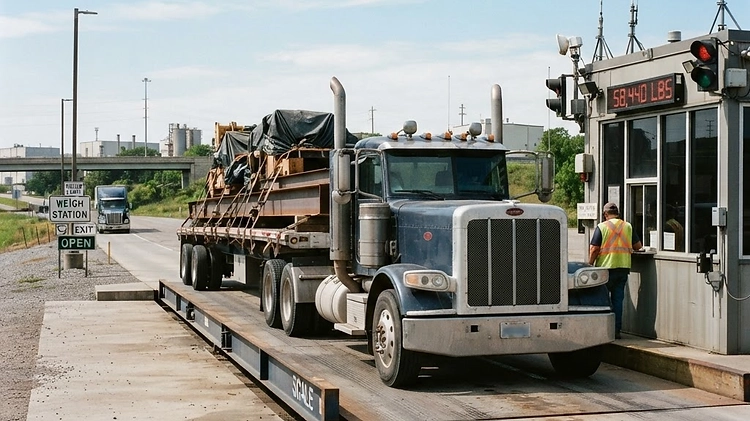
- Check GCWR: Ensure the total weight of the loaded truck and loaded trailer does not exceed the Gross Combined Weight Rating.

Bottom Line
Never rely solely on the "max towing capacity" advertised in a commercial. Always check your payload capacity and factor in tongue weight, passengers, and cargo. By understanding the relationship between towing and payload capacity, you can choose the right truck and trailer combination for your needs and haul with confidence.
Ready to find the perfect trailer for your tow vehicle? Explore our extensive inventory of equipment trailers, dump trailers, and more at Prime Trail Trailers. Check out our guides hub for more expert advice, or browse our shop to see our current stock.
FAQ
Have Questions? We're Here to Help
Still unsure which trailer fits your needs, or need specs, pricing or delivery advice? The Prime Trail Trailers team is ready to answer your questions and help you find the right rig.