
Livestock Trailer DOT & USDA Inspection Requirements: 2026 Guide
Master the 2026 DOT and USDA inspection requirements for livestock trailers. Learn how to ensure road safety, animal welfare, and biosecurity compliance.
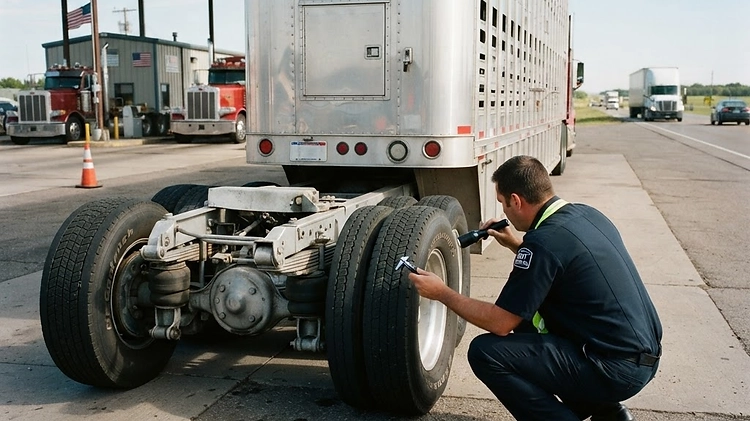
Hauling livestock means carrying two distinct responsibilities: the mechanical safety of your rig and the welfare of your living cargo. A standard pre-trip inspection might keep you compliant with the Department of Transportation (DOT), but it often misses the critical animal welfare and biosecurity standards enforced by the USDA and state agricultural departments. Understanding how these dual regulatory frameworks overlap is essential for any commercial hauler or farmer moving cattle, hogs, sheep, or goats in 2026.
The Dual Mandate: DOT Safety vs. USDA Animal Welfare
When you pull into a weigh station or agricultural checkpoint, inspectors are looking at your livestock trailer through two different lenses. The Federal Motor Carrier Safety Administration (FMCSA) and DOT focus strictly on highway safety—brakes, lights, tires, and structural integrity. Meanwhile, the USDA's Animal and Plant Health Inspection Service (APHIS) and state-level agencies are evaluating the trailer as a temporary housing facility for animals.
Failing a DOT inspection results in out-of-service (OOS) violations and fines, but failing a USDA or state agricultural inspection can lead to quarantined loads, biosecurity fines, and severe animal welfare penalties. To maintain a flawless record, your livestock trailer pre-trip inspection checklist must integrate both mechanical and environmental checks. Whether you are hauling across state lines or just taking cattle to a local auction, a comprehensive approach to trailer maintenance is non-negotiable.
Critical DOT Inspection Points for Livestock Trailers
Roadside DOT inspections for livestock haulers follow the same fundamental criteria as any commercial vehicle, but the dynamic nature of live cargo puts extra stress on specific components.
Brakes and Suspension
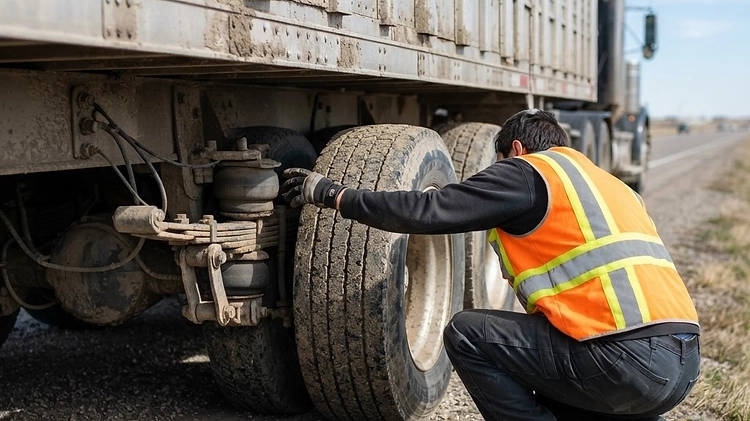
Live animals shift during transit, creating unpredictable weight transfers that test your trailer's braking and suspension systems. Inspectors will check for proper brake adjustment, adequate lining thickness, and intact air or hydraulic lines. For suspension, they look for cracked leaf springs, worn equalizers, and compromised hangers. If you are operating a heavy-duty gooseneck, ensure your trailer wheel bearing and axle maintenance is up to date, as overheating hubs are a leading cause of roadside fires.
Tires and Wheels
Underinflated tires flatten under a full load, exacerbating trailer sway when animals move. DOT regulations require a minimum tread depth of 2/32 of an inch on all trailer tires. Check your trailer tire load range and PSI daily. Inspectors will also look for sidewall cracking, uneven wear patterns (which indicate axle alignment issues), and loose lug nuts.
Lighting and Conspicuity
Livestock trailers are often subjected to corrosive environments (manure, urine, and chemical washouts) that wreak havoc on electrical systems. Verify that all clearance lights, turn signals, brake lights, and license plate illuminators are functioning. Ensure that DOT-mandated reflective tape is clean and visible, not obscured by road grime or agricultural debris.
USDA & APHIS Biosecurity and Washout Requirements
Disease transmission is a massive concern in the agricultural sector. The USDA enforces strict biosecurity protocols to prevent the spread of illnesses like Avian Influenza, Porcine Epidemic Diarrhea virus (PEDv), and Foot-and-Mouth Disease (FMD).

The Washout Protocol
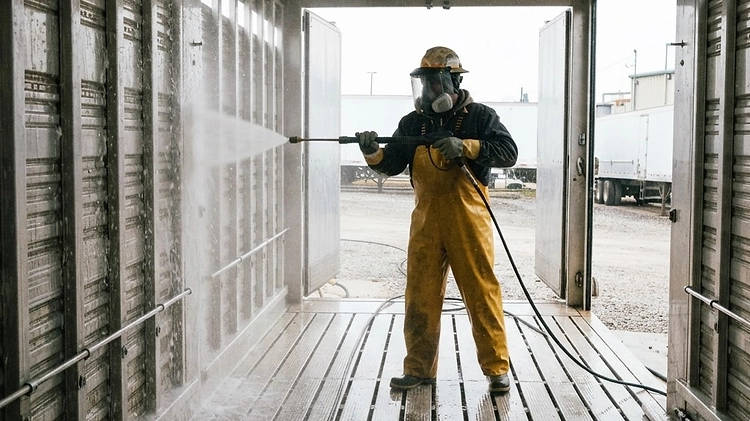
A quick rinse is no longer sufficient. The industry-standard washout cycle involves four stages: dry clean-out (removing all bedding and manure), high-pressure washing, disinfectant application (using USDA-approved chemicals with a 10-15 minute dwell time), and thorough drying. Inspectors at state lines or processing plants will frequently ask for your washout log. This log must detail the date, time, location, and specific disinfectant used.
Cross-Contamination Prevention
If you are hauling different species or moving animals between high-risk zones, your trailer must be completely sanitized between loads. Porous materials, such as untreated wood, can harbor pathogens even after washing. This is why many modern haulers prefer aluminum floors or specialized rubber matting that can be aggressively sanitized without degrading.
Structural Integrity: Flooring and Dividers
The floor of a livestock trailer is its most critical safety component. Animal waste is highly corrosive to both wood and steel. A compromised floor can lead to catastrophic accidents where animals step through the trailer while at highway speeds.
Inspecting the Floor
Remove all mats and bedding to inspect the floor directly. For wood floors, probe the boards with a sharp tool; if the wood yields or feels spongy, it is rotting from the inside out and must be replaced. For aluminum floors, check for pitting, cracked welds, or galvanic corrosion where aluminum meets steel components. If you are in the market for a new rig, consider upgrading to a model with a reinforced floor, such as the 2026 Big Bend 6'8"X22' W/ 2' TACK.
Gates, Latches, and Dividers
Internal dividers prevent animals from crowding to one side and destabilizing the trailer. USDA guidelines require that all gates and dividers operate smoothly and lock securely. A latch that pops open on a sharp turn can cause a sudden weight shift, leading to a rollover. Inspect all hinges for wear and lubricate them regularly. Ensure that there are no sharp edges, broken welds, or protruding bolts that could injure the animals.
Ventilation and Weather Protection Standards
Animal welfare regulations heavily emphasize climate control during transit. Poor ventilation leads to heat stress, respiratory issues, and even death, which can result in severe penalties and lost revenue.

Airflow and Slat Spacing
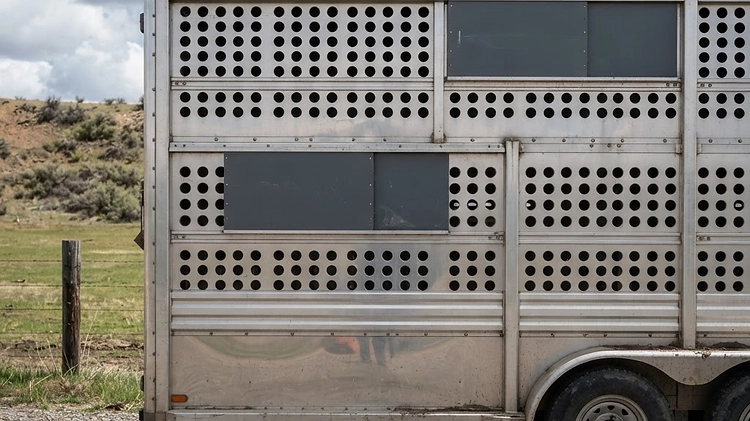
Your trailer must provide adequate airflow while protecting animals from extreme weather. Check that all roof vents are clear of debris and function properly. The slat spacing on the sides of the trailer should be appropriate for the species you are hauling—wide enough for airflow, but narrow enough to prevent legs or heads from getting stuck.
Winterization Panels
When hauling in cold climates, such as moving trailers for sale in Colorado, winter panels (or "plug boards") are essential to prevent wind chill and frostbite. Ensure these panels fit securely and can be easily removed or adjusted as temperatures fluctuate during a long haul.
How to Prepare for a Roadside Inspection
Preparation is the key to passing any inspection smoothly. Keep your documentation organized and easily accessible. This includes your CDL (if applicable), medical card, vehicle registration, annual DOT inspection documentation, and your USDA washout logs.
Utilize an electronic Driver Vehicle Inspection Report (eDVIR) to log your daily pre-trip and post-trip inspections. If an inspector sees a documented history of diligent hotshot trailer maintenance and livestock-specific checks, they are more likely to view your operation favorably.
Bottom Line
Maintaining a livestock trailer requires a dual focus on highway safety and animal welfare. By integrating DOT mechanical standards with USDA biosecurity and structural guidelines, you protect your cargo, your equipment, and your livelihood. Whether you are hauling cattle across trailers for sale in Texas or transporting sheep locally, a rigorous inspection routine is your best defense against downtime and fines.
If your current trailer is failing to meet these stringent standards, it might be time for an upgrade. Explore our complete inventory of livestock trailers and equipment trailers at Prime Trail Trailers. For smaller operations, consider reliable options like the 2027 WW AA 5X12. Visit our guides hub or browse our shop inventory to find the perfect compliant trailer for your agricultural needs.
FAQ
Have Questions? We're Here to Help
Still unsure which trailer fits your needs, or need specs, pricing or delivery advice? The Prime Trail Trailers team is ready to answer your questions and help you find the right rig.