
Livestock Trailer Pre-Trip Inspection Checklist: 2026 Safety Guide
Ensure the safety of your animals and your tow vehicle with our comprehensive 2026 livestock trailer pre-trip inspection checklist and maintenance guide.
Hauling cattle, horses, or other livestock introduces dynamic weight and unpredictable movement to your towing setup. A single mechanical failure on the highway doesn't just risk your equipment; it endangers your animals and other drivers. Before you load up and head out, a systematic pre-trip inspection is mandatory. This guide breaks down the essential checks every rancher and hauler must perform to ensure their livestock trailer is road-ready. ## Why a Pre-Trip Inspection is Critical for Livestock Trailers Towing a livestock trailer requires careful attention to safety. Unlike static cargo, livestock shift their weight during transit, placing immense stress on your trailer's suspension, tires, and hitch. Regular maintenance and a strict pre-trip inspection routine catch minor wear and tear before it escalates into a catastrophic failure. Whether you are hauling a full 24-foot trailer of cattle across the state or taking a single horse to a local event, verifying your equipment's integrity is the first step in responsible hauling. For comprehensive guidance on all our resources, visit our guides hub.

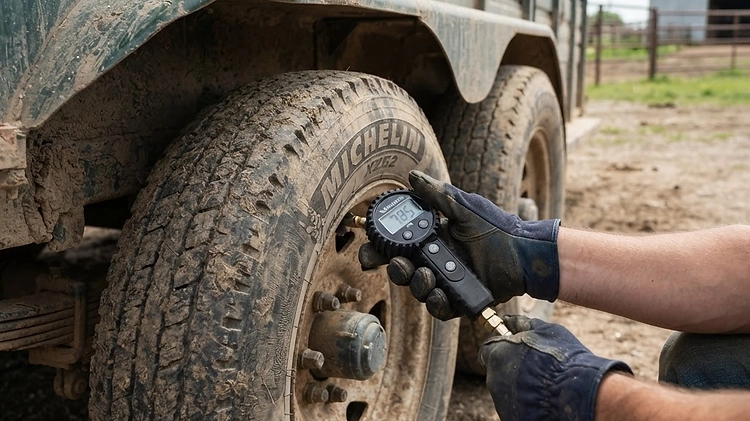
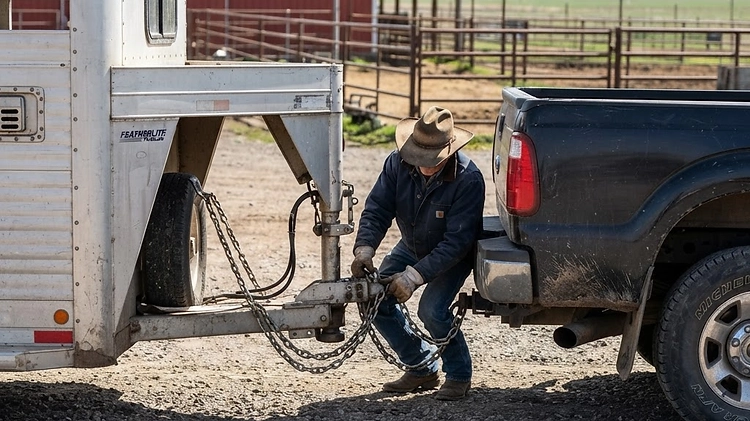
The 5-Point Livestock Trailer Inspection Checklist A thorough inspection doesn't have to take hours, but it must be systematic. Follow this five-point checklist every time you hitch up. ### 1. Tires, Wheels, and Hubs Your tires are the only contact point with the road. Check the tire pressure with a reliable gauge; never rely on a visual check. Underinflated tires build up heat rapidly, especially during summer hauling, leading to blowouts. Inspect the tread depth and look for uneven wear patterns, which can indicate suspension issues. Don't forget to check the spare tire. Additionally, inspect the wheel hubs for excessive heat after your last tow and ensure the lug nuts are torqued to the manufacturer's specifications. ### 2. Hitch, Coupler, and Safety Chains The connection between your tow vehicle and trailer is your lifeline. For those using gooseneck trailers, verify that the ball is properly greased and the coupler latches securely. Cross your safety chains under the hitch to create a cradle in case of disconnection, and ensure the breakaway cable is attached to the tow vehicle frame, not the hitch itself. If you are looking for a reliable setup, check out the 2026 Big Bend 6'8"X22' W/ 2' TACK.

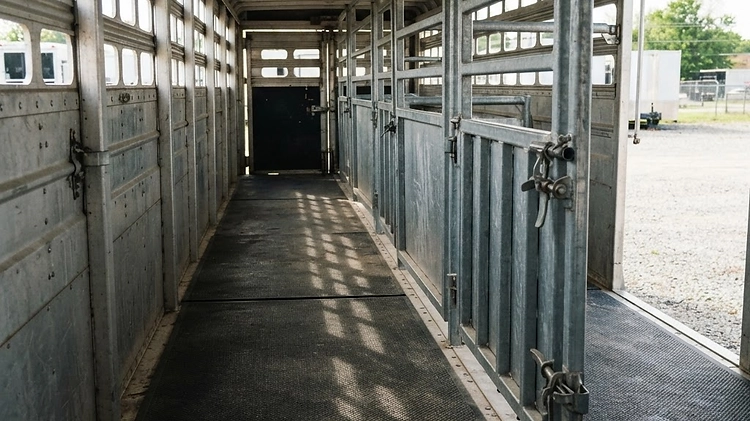
3. Flooring and Structural Integrity Livestock trailer floors endure constant abuse from weight, hooves, and corrosive animal waste. Inspect the flooring for soft spots, rot (if wood), or severe pitting (if aluminum). A floor failure during transit is a worst-case scenario. Check the crossmembers underneath the trailer for cracked welds or severe rust. If you are hauling in humid environments, such as looking for trailers for sale in Texas, rust prevention is even more critical. ### 4. Ventilation and Interior Safety Proper airflow is vital for animal health during transport. Ensure all vents, drop-down windows, and roof hatches operate smoothly and securely latch. Inspect the interior for sharp edges, broken tie-down rings, or damaged divider gates that could injure an animal. The interior should be clean and sanitized to prevent the spread of disease and reduce floor corrosion. For smaller hauling needs, the 2027 WW AA 5X12 offers excellent ventilation and durability. ### 5. Lights and Brakes Plug in your 7-way connector and verify that all running lights, turn signals, and brake lights are functioning. Have a helper step on the brakes while you listen to the trailer wheels to confirm the electric brakes are engaging. Test your trailer brake controller in the cab to ensure it is sending the correct voltage. For more details on brake setups, read our guide on Trailer Brake Controller Setup & Tuning Guide: Proportional vs. Time-Delayed Systems.

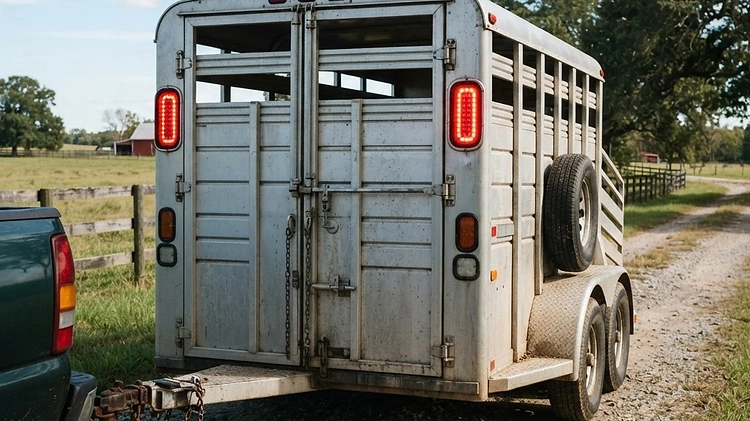
Key Specifications to Check Before Hauling * Tire Pressure: Must match the maximum cold PSI listed on the tire sidewall. * Lug Nut Torque: Typically 90-120 ft-lbs, depending on the stud size. * Breakaway Battery: Must be fully charged (test with a multimeter; should read over 12 volts). * Payload Capacity: Never exceed the trailer's GVWR or the tow vehicle's towing capacity. Learn more in our What Size Livestock Trailer Do I Need? Sizing & Head Count Guide. ## Bottom Line Skipping a pre-trip inspection is a gamble you cannot afford when hauling live animals. By dedicating 10 minutes to checking your tires, hitch, floors, and brakes, you protect your investment and ensure a safe journey. If your current trailer is showing signs of structural fatigue or you need an upgrade for the upcoming season, explore our full inventory of livestock trailers or visit our shop to find the perfect fit for your ranching operations, whether you are based locally or hauling out of Dallas, TX.
FAQ
Have Questions? We're Here to Help
Still unsure which trailer fits your needs, or need specs, pricing or delivery advice? The Prime Trail Trailers team is ready to answer your questions and help you find the right rig.