
Dump Trailer Hydraulic Cylinder Maintenance & Replacement Guide
Learn how to inspect, maintain, and replace your dump trailer hydraulic cylinder. Discover common wear symptoms, fluid specs, and step-by-step troubleshooting.
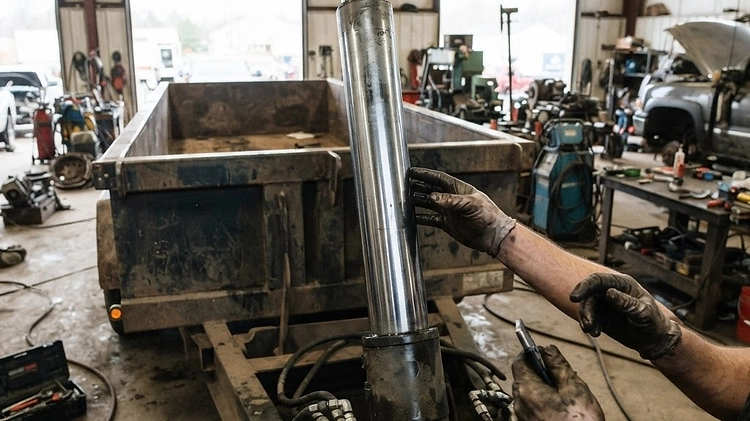
A dump trailer hydraulic cylinder handles up to 3,000 PSI of pressure on every lift cycle, making it the beating heart of your hauling operation. When a cylinder fails, your loaded bed stays grounded, costing you time and money on the job site. This comprehensive guide covers the inspection intervals, fluid specifications, and replacement procedures necessary to keep your equipment running smoothly through the busiest seasons.\n\n## Understanding Dump Trailer Hydraulic Cylinders\n\nWhether you are hauling construction debris or agricultural materials, the hydraulic cylinder is responsible for the heavy lifting. Most commercial dump trailers utilize a 3-stage telescopic cylinder or a dual-cylinder scissor hoist system. These components rely on a precise balance of hydraulic fluid, electrical power from the pump, and intact seals to function safely.\n\n
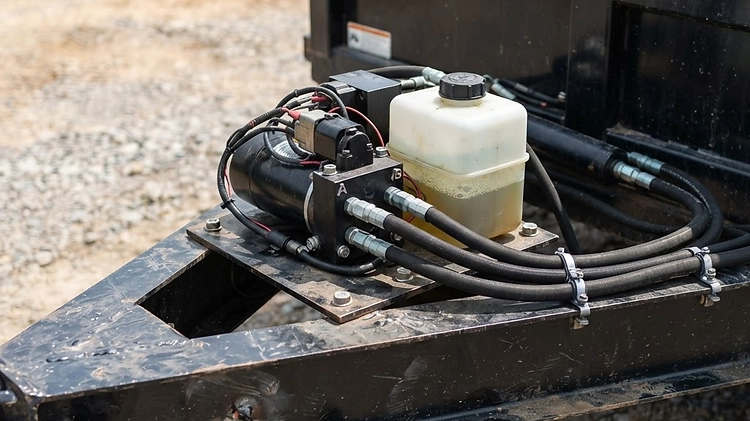
\n\nTo ensure your system operates at peak efficiency, it is crucial to understand how the cylinder interacts with the rest of the trailer. The pump pushes fluid into the cylinder, extending the rod and raising the bed. If you are experiencing issues, it is highly recommended to review our Dump Trailer Hydraulic Fluid Guide and our Dump Trailer Battery Charging Systems Guide to rule out fluid or power issues before tearing into the cylinder itself. For a broader overview of trailer upkeep, visit our main Trailer Guides Hub.\n\n## Common Symptoms of Cylinder Wear and Failure\n\nIdentifying cylinder wear early can prevent catastrophic failures while you are on a job in Dallas, TX. Watch for these five critical signs of hydraulic cylinder degradation:\n\n1. Fluid Pooling: Hydraulic fluid leaking under the trailer after overnight parking usually points to a failed rod seal or wiper seal.\n2. Slow Extension: A standard 7-ton bed should raise in 8-12 seconds. Slower times indicate internal leakage or restricted suction lines.\n3. Cylinder Drift: If the bed slowly lowers under load, check the holding valve in the hydraulic power unit (HPU) or the piston seal.\n4. Visible Chrome Scoring: Any groove deeper than 0.004 inches on the rod means it requires refinishing or replacement.\n5. Milky Hydraulic Oil: This indicates water contamination. The fluid must be flushed and replaced immediately.\n\nIf you notice electrical clicking when trying to operate the cylinder, the issue might be wiring. Check out our Trailer Wiring and Electrical Troubleshooting Guide for more details.\n\n## Step-by-Step Hydraulic Cylinder Maintenance\n\nRoutine maintenance is the best way to extend the life of your dump trailer hydraulic cylinder. We recommend performing this inspection every 250 operating hours or quarterly, which aligns perfectly with our Complete Annual Trailer Inspection Checklist.\n\n


\n\nFirst, lower the bed fully and lock the safety props. Never work under a raised bed without mechanical support. Clean the cylinder rods with a lint-free cloth and inspect the chrome surface for pitting or rust. Next, check the wiper seal at the rod bearing; if fluid is bypassing it, the seal has failed. Cycle the cylinder three times with no load to purge trapped air, and check the reservoir level. If you are operating dump trailers or roll-off bins in harsh environments, consider taking an oil sample to check for particulate contamination.\n\n## Key Specifications: Fluid and Torque Requirements\n\nUsing the correct fluid and maintaining proper torque on fittings prevents 40% of common hydraulic leaks. Below are the key specifications to look for when servicing your cylinder:\n\n* Operating Pressure: 2,500 - 3,000 PSI\n* Hydraulic Fluid (Summer): ISO VG 46 (AW46)\n* Hydraulic Fluid (Winter): ISO VG 32 (AW32)\n* Fitting Torque (Size -8 ORB): 25-30 lbf-ft\n* Fitting Torque (Size -12 ORB): 40-50 lbf-ft\n* Cycle Time (7-ton load): 8-12 seconds\n\nMaintaining these specs is just as important as greasing your axles, which you can learn more about in our Trailer Wheel Bearing & Axle Maintenance Guide. If you also haul livestock, don't miss our Livestock Trailer Sanitation & Maintenance Guide.\n\n## When to Rebuild vs. Replace Your Cylinder\n\nDeciding whether to rebuild or replace a cylinder depends on the extent of the damage and your budget. A standard seal kit for a 3-stage dump trailer cylinder is relatively inexpensive, making a rebuild cost-effective if the rod is in good condition.\n\n

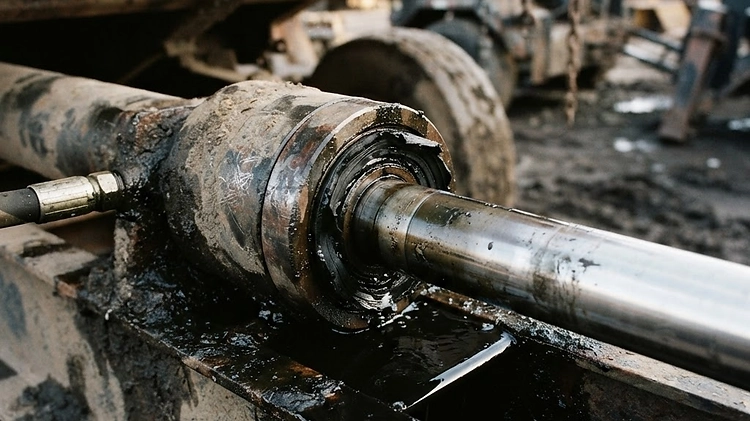
\n\nHowever, if the rod shows visible bending or severe scoring, a full replacement is necessary. Internal cylinder damage requires a teardown bench and a 150% proof pressure test, which is often best left to professionals. If you are looking for reliable replacement equipment, check out the 2026 Iron Bull 7x14 14-Yard RB Roll-Off Dumpster Bin or the larger 2026 Iron Bull 7x16 16-Yard RB Roll-Off Dumpster Bin.\n\n## Bottom Line\n\nProper hydraulic cylinder maintenance ensures your dump trailer is always ready for the next heavy load. By inspecting seals, monitoring fluid quality, and addressing leaks early, you can avoid costly downtime. If you need parts, service, or are looking for trailers for sale in Texas, browse our complete inventory at the Prime Trail Trailers Shop.
FAQ
Have Questions? We're Here to Help
Still unsure which trailer fits your needs, or need specs, pricing or delivery advice? The Prime Trail Trailers team is ready to answer your questions and help you find the right rig.