
Trailer Tire Load Range and PSI Guide: Preventing Blowouts and Extending Tire Life
Learn how to choose the right trailer tire load range, maintain proper PSI, and prevent blowouts with our comprehensive 2026 trailer tire maintenance guide.
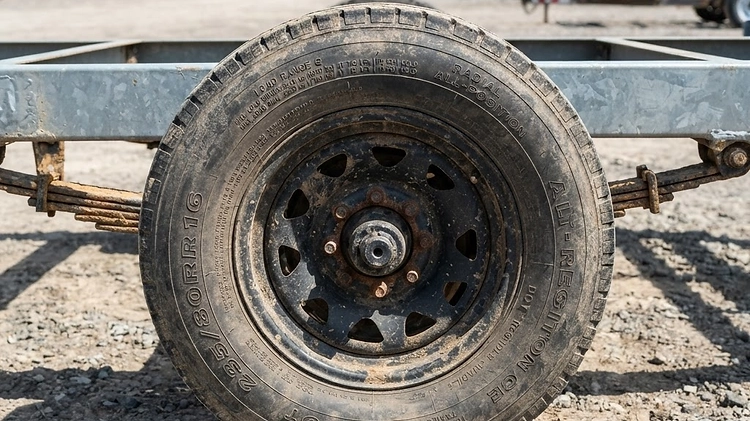
Your trailer is only as reliable as the tires it rides on. Whether you are hauling heavy equipment to a job site or moving materials across the state, trailer tire maintenance is one of the most critical aspects of safe, cost-effective towing. Neglecting your tires can lead to catastrophic blowouts, damaged cargo, and expensive downtime.
Why Trailer Tires Fail (And How to Prevent It)
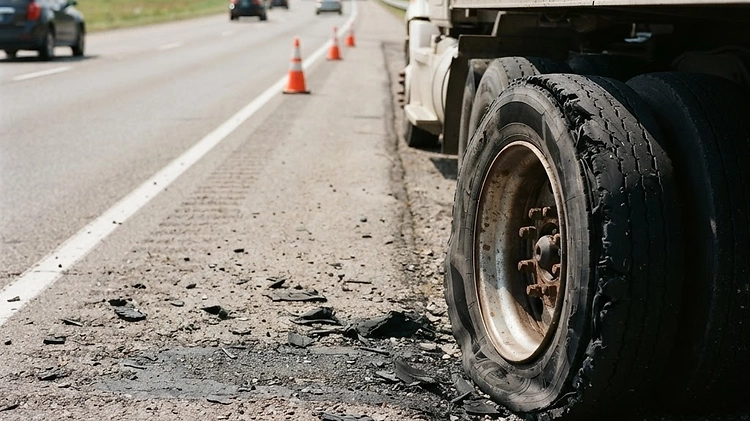
Trailer tires endure constant stress, bearing heavy loads even when parked. The leading causes of trailer tire failure are underinflation, overloading, and age-related degradation. When a tire is underinflated, it generates excessive heat at highway speeds, causing the internal structure to break down and eventually leading to tread separation or a blowout. Overloading a tire beyond its rated capacity has a similar effect, stressing the sidewalls and accelerating wear. To prevent these issues, it is essential to understand your trailer's weight limits and ensure your tires are properly rated and inflated for the job. For a deeper dive into weight limits, check out our guide on Trailer Axle Weight Ratings (GAWR) Explained. If you are looking for reliable hauling solutions, browse our equipment trailers or explore our full shop inventory.
Understanding Trailer Tire Load Ranges (C, D, E, F)
Selecting the correct load range is vital for towing safety. Trailer tires are designated with a load range letter that indicates their ply rating and maximum load capacity at a specific pressure.
- Load Range C (6-ply): Suitable for light utility trailers and small boat trailers. Typically rated for around 1,820 lbs at 50 PSI.
- Load Range D (8-ply): The standard for medium-duty applications like enclosed cargo trailers and tandem-axle utility setups. Rated for approximately 2,150 lbs at 65 PSI.
- Load Range E (10-ply): Designed for heavy-duty hauling, including large travel trailers and goosenecks. Rated for up to 2,830 lbs at 80 PSI.
- Load Range F (12-ply) and G (14-ply): Built for extreme commercial applications, such as heavy dump trailers and hotshot setups, requiring up to 110 PSI.
Always check your trailer's VIN placard to determine the manufacturer's recommended load range. Never mix different load ranges on the same trailer, as this can cause instability and uneven wear. For more on maintaining your trailer's structural integrity, review The Complete Annual Trailer Inspection Checklist.
The Critical Role of Proper Tire Pressure (PSI)

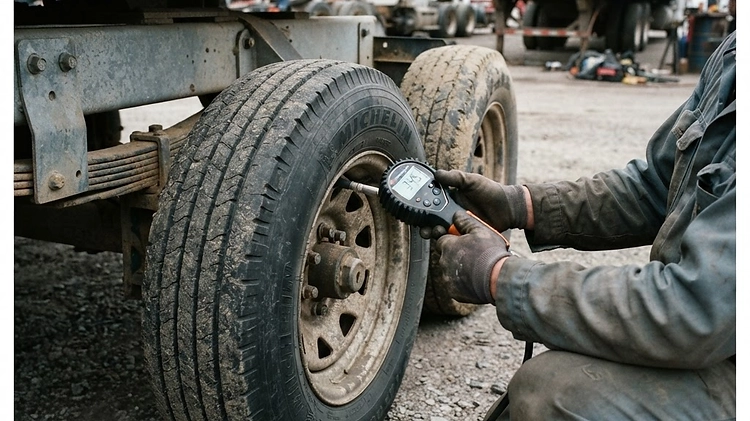
Maintaining the correct tire pressure is the single most effective way to extend the life of your trailer tires. Unlike passenger car tires, trailer tires should always be inflated to the maximum cold PSI listed on the sidewall. This ensures the tire can support its maximum rated load and reduces sidewall flexing, which generates heat.
Tires naturally lose 1 to 3 PSI per month, so checking pressure before every trip is mandatory. As you drive, friction causes the tire temperature and pressure to rise. A typical trailer tire will run at about 158 degrees Fahrenheit, and pressure can increase by 2% for every 10 degrees of temperature rise. Tires are designed to handle this operational increase, so never bleed air from a hot tire. If you are hauling in hot climates, such as looking for trailers for sale in Texas or navigating the highways around Dallas, TX, monitoring your PSI is even more critical. Consider investing in a Tire Pressure Monitoring System (TPMS) for real-time alerts.
Key Specifications: What to Look For in Replacement Tires
When it is time to replace your trailer tires, pay attention to these key specifications to ensure you are getting the right rubber for your rig:
- ST Designation: Always choose Special Trailer (ST) tires, not passenger (P) or light truck (LT) tires. ST tires have stiffer sidewalls designed to handle heavy vertical loads and reduce trailer sway.
- Speed Rating: Most standard trailer tires are rated for 65 mph. If you frequently tow at higher speeds, look for tires with a higher speed rating (e.g., M for 81 mph or L for 75 mph) to prevent heat-related failures.
- Manufacture Date: Rubber degrades over time, regardless of mileage. Check the DOT code on the sidewall; the last four digits indicate the week and year of manufacture. Replace trailer tires every 3 to 5 years, even if they have plenty of tread left.
For those upgrading their hauling capabilities, consider pairing your new tires with a robust setup like the 2026 Iron Bull Trailers 7x20 TRB 10K Gravity Tilt Equipment Trailer or a heavy-duty 2026 BEDBOSS Dually ArmorBed Flatbed Truck Bed.
Trailer Tire Maintenance Checklist & Best Practices

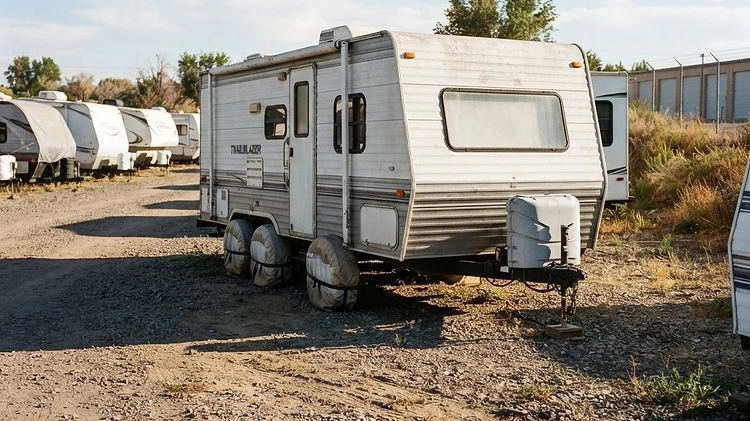
Implementing a routine maintenance schedule will save you money and keep you safe on the road. Follow these best practices:
- Inspect Before Every Trip: Look for cracks, bulges, uneven wear, or embedded objects in the tread.
- Check Cold PSI: Use a high-quality gauge to verify pressure matches the sidewall maximum before hitting the road.
- Rotate Annually: Promote even wear by rotating your tires, especially on tandem or triple-axle trailers.
- Balance and Align: Unbalanced wheels or misaligned axles cause rapid, uneven tire wear. Have your suspension checked regularly. Learn more in our Trailer Wheel Bearing & Axle Maintenance Guide.
- Proper Storage: When not in use, store your trailer in a cool, dry place. Use tire covers to block UV rays, which accelerate dry rot, and ensure tires are fully inflated to prevent flat spots.
For comprehensive maintenance knowledge, explore our guides hub and read up on related topics like Trailer Wiring and Electrical Troubleshooting and Dump Trailer Battery Charging Systems. If you operate a dump trailer, do not miss our Dump Trailer Hydraulic Cylinder Maintenance Guide and Dump Trailer Hydraulic Fluid Guide.
Bottom Line
Your trailer tires are the foundation of your hauling operation. By understanding load ranges, maintaining maximum cold PSI, and adhering to a strict replacement schedule, you can prevent dangerous blowouts and maximize the lifespan of your tires. Do not wait for a failure on the highway to take tire health seriously. If you are in the market for a new rig that can handle your heaviest loads, browse our selection of dump trailers and upgrade your fleet today.
FAQ
Have Questions? We're Here to Help
Still unsure which trailer fits your needs, or need specs, pricing or delivery advice? The Prime Trail Trailers team is ready to answer your questions and help you find the right rig.