
Trailer Axle Weight Ratings (GAWR) Explained: How to Calculate Dual-Axle Load Limits
Understand Gross Axle Weight Rating (GAWR), dual-axle capacities, and how to calculate safe payload limits for your trailer to ensure DOT compliance.
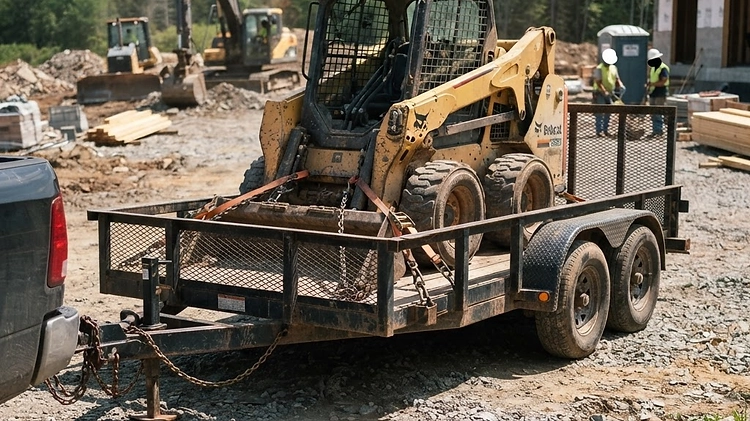
Understanding your trailer's weight limits is the foundation of safe and legal towing. Whether you are hauling a skid steer to a job site or transporting materials across state lines, overloading your trailer's axles can lead to catastrophic tire blowouts, suspension damage, and hefty DOT fines. Knowing how to read and calculate your Gross Axle Weight Rating (GAWR) ensures your equipment and cargo arrive safely.
In this comprehensive guide, we will break down exactly what GAWR means, how it interacts with your trailer's overall Gross Vehicle Weight Rating (GVWR), and how to calculate the true payload capacity of single and dual-axle trailers. By mastering these calculations, you can maximize your hauling efficiency without compromising safety.
What is Gross Axle Weight Rating (GAWR)?
The Gross Axle Weight Rating (GAWR) is the maximum distributed weight that a single trailer axle can safely support. This rating is determined by the manufacturer and is limited by the weakest component in the axle system, which could be the axle tube, leaf springs, wheel bearings, or the tires themselves.
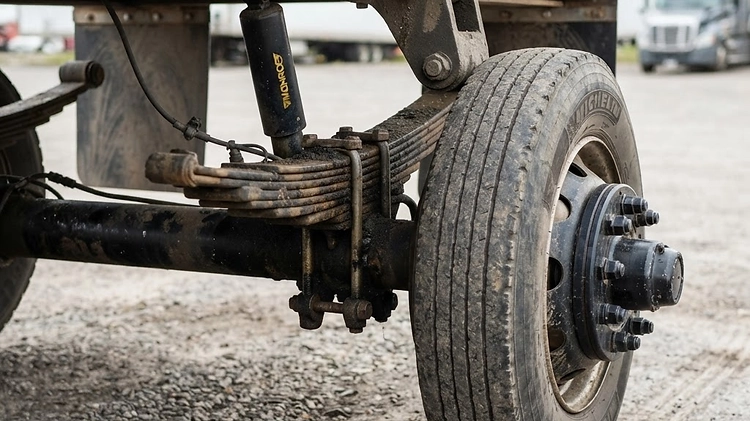
It is crucial to understand that GAWR is different from GVWR (Gross Vehicle Weight Rating). While GAWR applies to a specific axle, GVWR is the maximum allowable total weight of the fully loaded trailer, including its own empty weight. In many cases, the combined GAWR of all axles on a trailer will equal or slightly exceed the GVWR, but you must never exceed the lowest-rated component. For more foundational knowledge on overall limits, check out our guide on how to measure trailer tongue weight and calculate safe payload limits.
Single vs. Dual-Axle Trailer Weight Capacities
When comparing trailers, the number of axles directly impacts how much weight you can carry and how stable the trailer will be at highway speeds. Single-axle trailers are typically used for lighter loads, while dual-axle (tandem) trailers distribute heavy loads across four tires, reducing the risk of sway and tire failure.

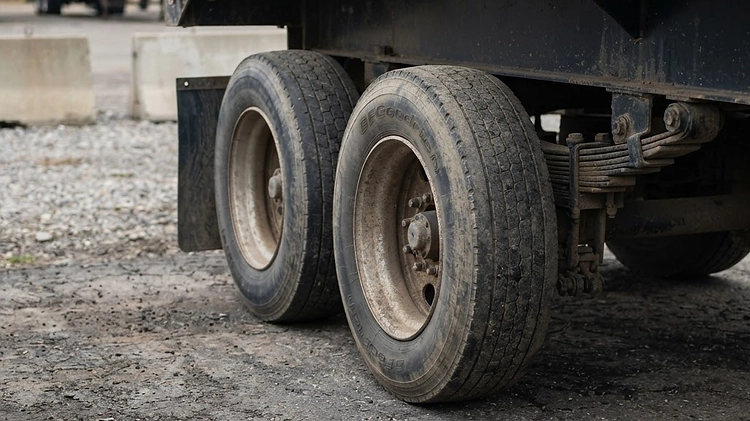
Here is a breakdown of common axle ratings found on commercial and utility trailers:
- 3,500 lb. Axles: Common on light utility trailers and small enclosed cargo trailers. A dual-axle setup provides a 7,000 lb. combined axle capacity.
- 5,200 lb. Axles: Frequently used on medium-duty car haulers and landscape trailers, offering a 10,400 lb. combined capacity on a tandem setup.
- 7,000 lb. Axles: The standard for heavy-duty dump trailers and equipment haulers, yielding a 14,000 lb. combined axle rating.
- 10,000 lb. to 12,000 lb. Axles: Found on heavy commercial flatbeds and goosenecks, such as the 2027 MAXX-D YDX 8.5x32 22.5K Gooseneck, designed for extreme payloads.
How to Calculate Your Trailer's True Payload Capacity
A common misconception is that a trailer's GVWR is the amount of weight you can put on it. In reality, you must subtract the empty weight (curb weight) of the trailer from the GVWR to find your true payload capacity.

The Payload Formula:
GVWR - Empty Trailer Weight = Maximum Payload Capacity
For example, if you purchase a 2027 PJ T6 7x20 Gooseneck Gravity Tilt Equipment Trailer with a GVWR of 15,600 lbs, and the trailer itself weighs 4,600 lbs, your maximum payload is 11,000 lbs. Always factor in the weight of chains, binders, and any attachments left on your equipment. Proper load placement is also critical; learn more in our guide on how to safely load a flatbed trailer.
The Role of Tongue Weight in Axle Load Distribution
Your trailer's axles do not carry 100% of the GVWR. A portion of the weight is transferred to the tow vehicle via the hitch. This is known as tongue weight (or pin weight for goosenecks).
For bumper-pull trailers, tongue weight should be 10% to 15% of the total loaded weight. For gooseneck and fifth-wheel trailers, it should be 20% to 25%. Because this weight rests on the truck's rear axle, it effectively reduces the load on the trailer's axles. This dynamic is why proper loading is essential to prevent dangerous handling issues. For a deeper dive into towing dynamics, read about the physics of trailer sway and tongue weight and compare hitch types in our bumper pull vs. gooseneck trailers guide.
Key Specifications: Identifying Your Axle Ratings
Before loading up for a job, you need to verify your specific trailer's ratings. Never guess your capacity based on the trailer's physical size.
Where to find your ratings:
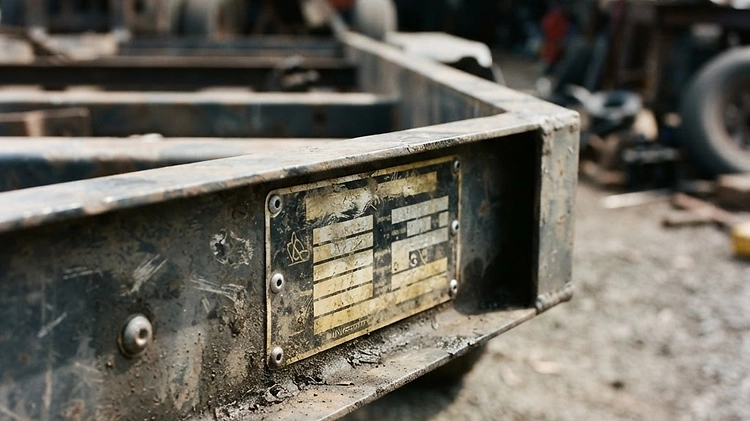
- VIN Sticker: Located on the front driver-side frame of the trailer. It lists the GVWR, GAWR for each axle, and recommended tire pressures.
- Axle Tags: Metal tags or stickers attached directly to the center of the axle tube by the manufacturer (e.g., Dexter).
- Tire Sidewalls: Your tires have a maximum load rating. If your tires are rated lower than your axles, the tires become the limiting factor for your GAWR.
If you are hauling livestock, weight shifts dynamically, making these limits even more critical. Review our livestock trailer weight distribution guide for specific agricultural hauling tips.
Legal Axle Weight Limits and DOT Compliance
For commercial operators, exceeding axle weight limits isn't just a mechanical risk; it's a legal liability. The Federal Motor Carrier Safety Administration (FMCSA) and state DOTs strictly enforce axle weight limits at weigh stations.
While federal law generally allows up to 20,000 lbs on a single axle and 34,000 lbs on a tandem axle for commercial vehicles, your trailer's specific GAWR always supersedes these general limits if it is lower. Whether you are running hotshot freight or delivering trailers for sale in Texas or trailers for sale in Florida, compliance is mandatory. Ensure your braking systems are also up to the task by consulting our trailer brake controller setup guide.
Bottom Line
Understanding your trailer's GAWR, GVWR, and payload capacity is non-negotiable for safe towing. By accurately calculating your load limits and ensuring proper weight distribution, you protect your equipment, your tow vehicle, and other drivers on the road.
Ready to upgrade to a trailer with the capacity you need for your toughest jobs? Explore our complete inventory of heavy-duty trailers at the Prime Trail Trailers Shop or visit our Guides Hub for more expert towing advice.
FAQ
Have Questions? We're Here to Help
Still unsure which trailer fits your needs, or need specs, pricing or delivery advice? The Prime Trail Trailers team is ready to answer your questions and help you find the right rig.