
Bumper Pull vs. Gooseneck Trailers: Towing Capacity & Stability Guide
Discover the key differences between bumper pull and gooseneck trailers, including towing capacity, payload distribution, and highway stability.
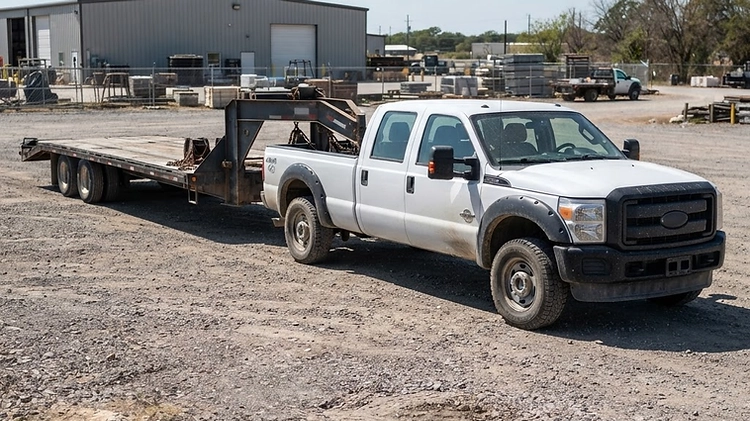
Quick Summary
Discover the key differences between bumper pull and gooseneck trailers, including towing capacity, payload distribution, and highway stability.
When it comes to heavy-duty hauling, choosing the right hitch style is just as critical as selecting the trailer itself. Whether you are hauling heavy equipment to a job site, transporting livestock across state lines, or moving materials for a landscaping business, the debate between bumper pull and gooseneck trailers is a fundamental decision every truck owner must make. Both designs have distinct advantages, but they interact with your tow vehicle in fundamentally different ways, affecting everything from payload capacity to highway stability.\n\nIn this comprehensive guide, we will break down the engineering, towing dynamics, and capacity differences between bumper pull and gooseneck trailers. By understanding how weight distribution and pivot points impact your truck's performance, you can make an informed decision that maximizes safety and efficiency for your specific hauling needs. For more foundational knowledge, be sure to explore our complete guides hub.\n\n## The Fundamental Differences: Bumper Pull vs. Gooseneck\n\nThe primary difference between a bumper pull and a gooseneck trailer lies in where the trailer connects to the tow vehicle. This connection point dictates how the trailer's weight is transferred to the truck's chassis and axles.\n\n
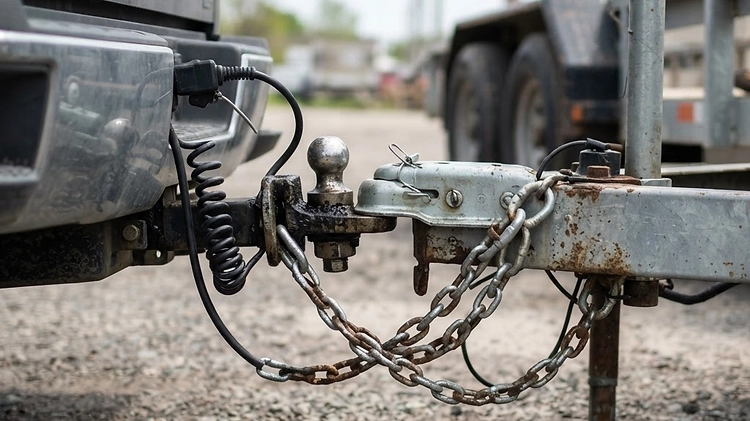
\n\nA bumper pull trailer (also known as a tagalong) connects to a hitch receiver attached to the rear frame of the tow vehicle, extending behind the rear bumper. This creates a pivot point that is significantly behind the truck's rear axle. In contrast, a gooseneck trailer utilizes a long neck that extends over the truck's tailgate and connects to a hitch ball mounted directly in the bed of the truck, slightly forward of or directly over the rear axle. If you are looking for heavy-duty options, browse our selection of gooseneck trailers.\n\n### Hitch Mechanics and Pivot Points\n\nBecause a gooseneck hitch is positioned over the rear axle, the downward force (pin weight) is applied directly to the truck's suspension and chassis where it is strongest. This central pivot point minimizes the leverage the trailer has on the truck, drastically reducing sway and improving overall control. Bumper pull trailers, with their rearward pivot point, act as a lever on the back of the truck, which can lift the front wheels slightly and reduce steering traction if not properly balanced with a weight distribution hitch.\n\n## Towing Capacity and Payload Differences\n\nWhen maximizing your hauling capabilities, the hitch style plays a massive role in how much weight you can legally and safely tow. Gooseneck trailers inherently offer higher towing capacities compared to bumper pull trailers of similar sizes.\n\n

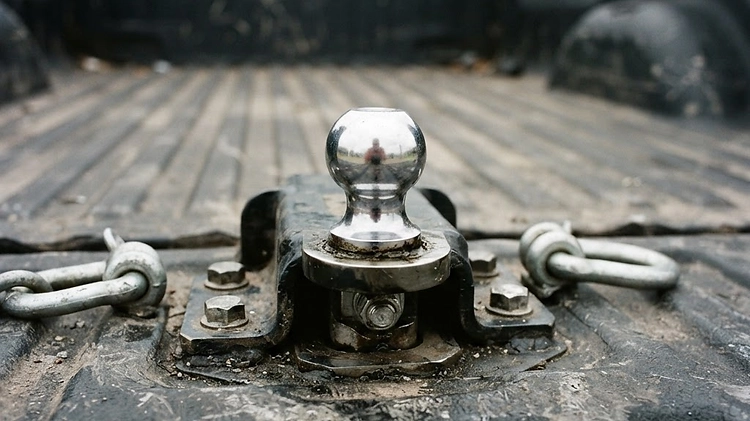
\n\nGenerally, bumper pull trailers are limited to around 10,000 to 15,000 pounds of Gross Trailer Weight (GTW), depending on the class of the hitch receiver. Gooseneck trailers, however, can often handle upwards of 30,000 pounds GTW, making them the standard for commercial hotshot trucking and heavy equipment transport. For example, a heavy-duty model like the 2025 Double-A 8' X 16' Deck-Over Gooseneck Dump Trailer utilizes the gooseneck design to safely manage a 23,000 lb GVWR.\n\n### Weight Distribution: Tongue Weight vs. Pin Weight\n\nThe way weight is distributed is a critical factor. Bumper pull trailers typically require 10% to 15% of the total trailer weight to rest on the hitch (tongue weight). Gooseneck trailers require a much higher percentage—usually 20% to 25% of the total weight (pin weight). Because the truck's rear axle can support significantly more weight than the rear frame overhang, goosenecks can carry heavier payloads without compromising the tow vehicle's stance. To understand how this affects your truck, read our guide on Towing Capacity vs. Payload Capacity: The Complete Hauling & Sizing Guide.\n\n## Stability, Sway, and Driving Dynamics\n\nAsk any experienced driver hauling trailers for sale in Texas, where crosswinds and high highway speeds are common, and they will tell you that stability is the gooseneck's greatest advantage.\n\n

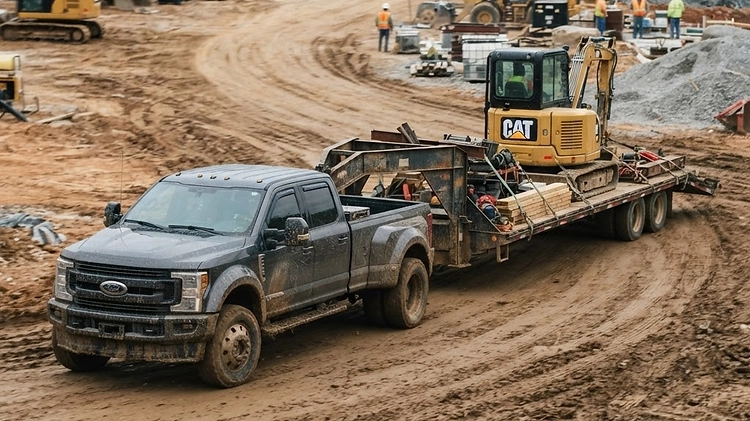
\n\nTrailer sway (fishtailing) is a dangerous phenomenon most commonly associated with bumper pull trailers. It occurs when crosswinds, passing semi-trucks, or improper weight distribution cause the trailer to oscillate side to side. Because the bumper pull hitch is behind the rear axle, this swaying motion pushes the rear of the truck side to side, making it difficult to control. Gooseneck trailers are virtually immune to severe sway because the pivot point is anchored over the truck's rear axle, preventing the trailer from leveraging the truck's rear end.\n\n### Turning Radius and Maneuverability\n\nGooseneck trailers offer a significantly tighter turning radius. Because the pivot point is in the bed of the truck, the trailer can cut corners much sharper than a bumper pull. This makes navigating tight job sites, farm gates, or crowded parking lots in cities like Dallas, TX much easier. However, drivers must be cautious of cab clearance; turning too sharply can cause the trailer's neck to strike the truck's cab, especially in short-bed trucks.\n\n## Truck Requirements and Hitch Installation\n\nUpgrading to a gooseneck trailer requires specific truck configurations. While almost any SUV or half-ton pickup can be equipped with a bumper pull receiver, gooseneck trailers generally require a 3/4-ton (2500) or 1-ton (3500) pickup truck due to the heavy pin weight. \n\nAdditionally, installing a gooseneck hitch involves mounting a heavy-duty crossmember beneath the truck bed and drilling a hole for the hitch ball. Bumper pull hitches are standard on most trucks from the factory. If you are setting up a new tow vehicle, ensuring your braking system is calibrated correctly is essential; check out our Trailer Brake Controller Setup & Tuning Guide for detailed instructions.\n\n## Which Trailer is Right for Your Hauling Needs?\n\nChoosing between the two depends entirely on your cargo, tow vehicle, and budget. \n\n* Choose Bumper Pull If: You are towing lighter loads (under 10,000 lbs), you use an SUV or half-ton truck, you want to keep your truck bed completely free for cargo, or you are on a tighter budget.\n* Choose Gooseneck If: You are hauling heavy equipment, large livestock loads (like the 2026 Circle W 6.5 x 24 Gooseneck Livestock Trailer), you need maximum highway stability, or you require a tighter turning radius for commercial job sites. Explore our livestock trailers for more heavy-duty options.\n\n| Feature | Bumper Pull | Gooseneck |\n| :--- | :--- | :--- |\n| Max Towing Capacity | ~15,000 lbs | ~30,000+ lbs |\n| Hitch Weight % | 10% - 15% (Tongue Weight) | 20% - 25% (Pin Weight) |\n| Stability / Sway | Prone to sway if unbalanced | Highly stable, minimal sway |\n| Turning Radius | Wider, follows truck path | Very tight, cuts corners |\n| Tow Vehicle | SUVs, 1/2 Ton, 3/4 Ton | 3/4 Ton, 1 Ton, Commercial |\n\n## Bottom Line\n\nBoth bumper pull and gooseneck trailers serve vital roles in the hauling industry. Bumper pulls offer versatility and accessibility for everyday towing, while goosenecks provide the unmatched stability and payload capacity required for professional, heavy-duty transport. By matching your trailer style to your truck's capabilities and your specific cargo needs, you ensure a safer, more efficient towing experience. Ready to find the perfect trailer for your setup? Browse our complete inventory in our shop today.
Shop Related Trailers
FAQ
Have Questions? We're Here to Help
Still unsure which trailer fits your needs, or need specs, pricing or delivery advice? The Prime Trail Trailers team is ready to answer your questions and help you find the right rig.
Prime Trail Trailers
Prime Trail Trailers is a family-owned trailer dealer in Markle, Indiana, stocking utility, dump, enclosed, equipment, car hauler and gooseneck trailers with nationwide delivery. This guide is based on what our customers ask us most and the trailers we sell every day.
More about Prime Trail Trailers