
The Physics of Trailer Sway: Why Proper Tongue Weight and Cargo Loading Matter
Discover the physics behind trailer sway and learn how proper tongue weight and cargo loading can keep your tow vehicle stable and safe on the road.
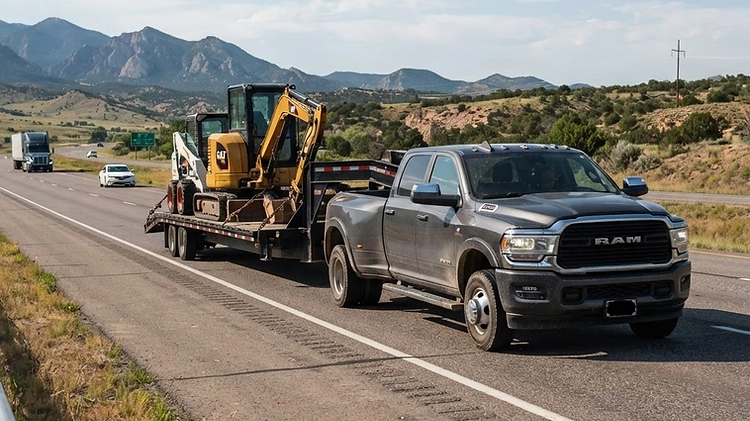
Quick Summary
Discover the physics behind trailer sway and learn how proper tongue weight and cargo loading can keep your tow vehicle stable and safe on the road.
Experiencing trailer sway at highway speeds is one of the most terrifying events a driver can face. What starts as a slight wiggle can quickly escalate into a violent, uncontrollable oscillation that threatens to flip both the trailer and the tow vehicle. Understanding the physics behind this phenomenon is the first step to preventing it. By mastering proper tongue weight and cargo loading techniques, you can ensure a safe, stable towing experience every time you hit the road.\n\n## The Physics of Trailer Sway: What Actually Happens?\n\nWhen a trailer begins to sway, it is essentially fighting the tow vehicle for control. \n\n
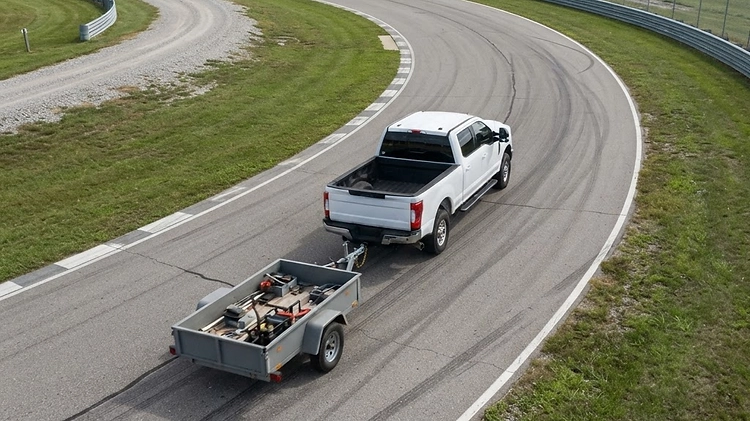
\n\nLooking at a swaying trailer from above, you would see it following a sinusoidal (wave-like) path, while the tow vehicle attempts to travel in a straight line. Because the trailer is traveling along a curved, longer path but arriving at the same forward point as the truck, the trailer is technically traveling faster than the tow vehicle. It is trying to overtake the truck, but because it is attached at the hitch, it cannot. Instead, it expends that excess kinetic energy by violently swinging back and forth. To correct this in the moment, you must bring the speeds back into sync—typically by manually applying the trailer brakes via your brake controller, rather than slamming on the truck's brakes. For more on brake systems, see our Trailer Brake Controller Setup & Tuning Guide.\n\n## What is Trailer Tongue Weight?\n\nTongue weight is the downward force that the tongue of a bumper-pull trailer applies to the hitch of the tow vehicle. \n\n

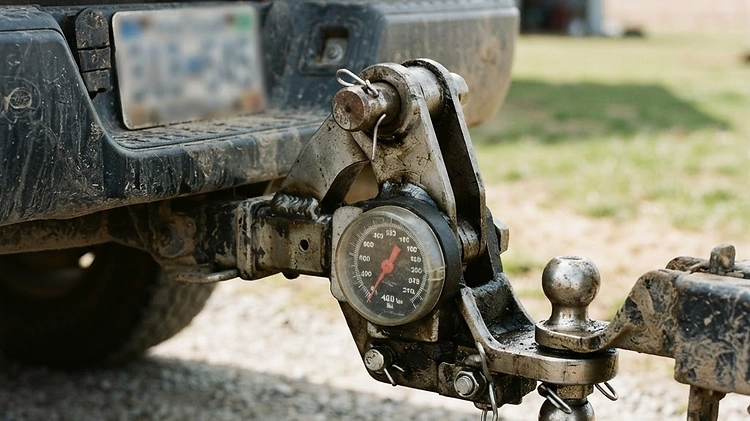
\n\nThis downward force is critical for maintaining traction on the rear axle of the tow vehicle. If the tongue weight is too light, the trailer's center of gravity shifts rearward, acting like a pendulum and drastically increasing the risk of sway. If the tongue weight is too heavy, it pushes down the rear of the truck, lifting the front wheels and compromising your steering and braking capabilities. Whether you are hauling heavy machinery on equipment trailers or moving supplies in utility trailers, managing this downward force is non-negotiable. Upgrading to heavy-duty components like Gen-Y Hitch Adjustable Drop Hitches can help manage heavy loads, but the weight distribution must still be correct.\n\n## The 10% to 15% Rule: Finding the Towing Sweet Spot\n\nFor conventional bumper-pull trailers, industry standards dictate that the ideal tongue weight should be between 10% and 15% of the total loaded trailer weight (Gross Trailer Weight). \n\n

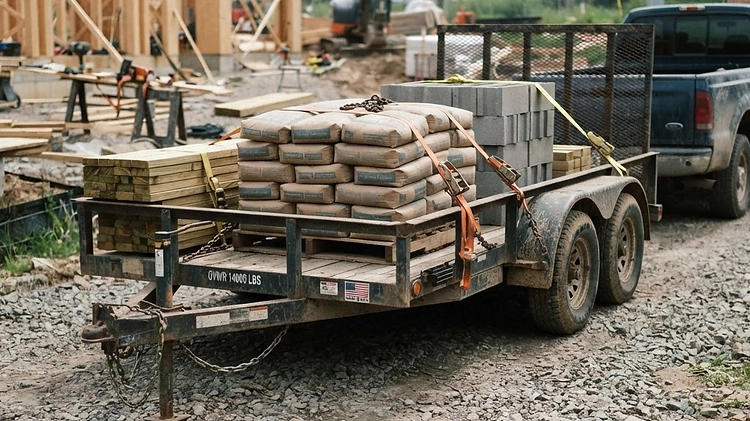
\n\nFor example, if you are towing a loaded trailer that weighs 7,000 pounds, your tongue weight should fall between 700 and 1,050 pounds. Hitting this sweet spot ensures that the trailer tracks straight and true behind the tow vehicle. Falling below 10% is a primary cause of trailer sway, as the rear-heavy load acts as a pendulum. Exceeding 15% can overload your hitch receiver and the tow vehicle's rear suspension. It is crucial to understand how this fits into your vehicle's overall limits; our Towing Capacity vs. Payload Capacity Guide provides a deep dive into calculating your maximum safe limits. If you are towing heavier loads, you might consider upgrading; read our Bumper Pull vs. Gooseneck Trailers Guide to see if a gooseneck setup is better for your needs.\n\n## Proper Cargo Loading Strategies to Prevent Sway\n\nAchieving the perfect tongue weight starts before you even hitch up—it starts with how you load your cargo. The general rule of thumb is the 60/40 rule: load 60% of your cargo weight in the front half of the trailer (ahead of the axles) and 40% in the rear. When loading heavy items like skid steers or pallets of materials, position the heaviest items slightly forward of the trailer's axles. Secure the load tightly using proper tie-downs to prevent weight from shifting during transit. If you are operating a commercial hauling business, such as delivering trailers for sale in Texas or running hotshot routes out of Houston, TX, shifting cargo can be disastrous. Always double-check your load securement before hitting the highway.\n\n## Tools and Techniques for Measuring Tongue Weight\n\nGuessing your tongue weight is a dangerous game. Fortunately, there are several ways to measure it accurately. The most convenient method is using a specialized ball mount with a built-in scale, which provides a real-time readout of your tongue weight every time you hook up. Alternatively, you can use a dedicated tongue weight scale or visit a commercial CAT scale to weigh your axles separately. For standard towing setups, utilizing high-quality adjustable mounts like the B&W Tow & Stow Standard Adjustable Ball Mount ensures your trailer rides level, which is a prerequisite for accurate weight distribution.\n\n## Bottom Line\n\nUnderstanding the physics of trailer sway and respecting the 10-15% tongue weight rule are fundamental to safe towing. By properly loading your cargo and verifying your weights, you protect your equipment, your vehicle, and everyone else on the road. For more expert advice and to browse our extensive inventory of reliable trailers, visit the Prime Trail Trailers Guides Hub or explore our full lineup in the Shop.
FAQ
Have Questions? We're Here to Help
Still unsure which trailer fits your needs, or need specs, pricing or delivery advice? The Prime Trail Trailers team is ready to answer your questions and help you find the right rig.
Prime Trail Trailers
Prime Trail Trailers is a family-owned trailer dealer in Markle, Indiana, stocking utility, dump, enclosed, equipment, car hauler and gooseneck trailers with nationwide delivery. This guide is based on what our customers ask us most and the trailers we sell every day.
More about Prime Trail Trailers