
How to Safely Load and Tow a Livestock Trailer: Weight Distribution & Capacity Guide
Learn how to safely load and tow a livestock trailer with our comprehensive guide on weight distribution, payload capacity, and dynamic load management.
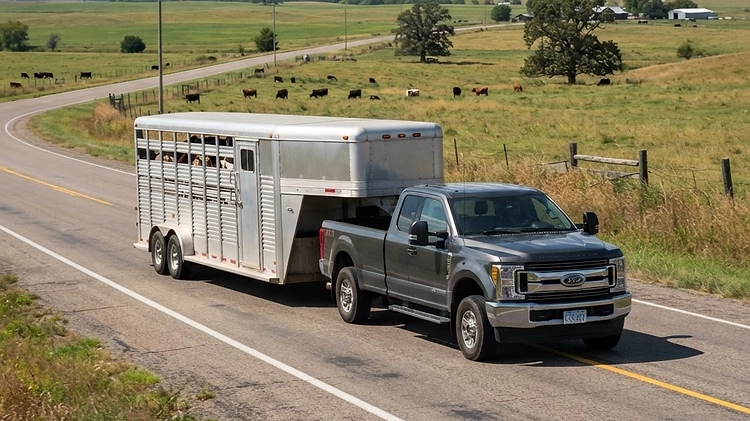
Hauling live animals introduces dynamic weight shifts that static cargo simply does not. Proper weight distribution in a livestock trailer is critical for the safety of your herd, the stability of your tow vehicle, and compliance with highway regulations. Whether you are transporting cattle to market or horses to a show, understanding how to balance a live load can prevent dangerous trailer sway and equipment failure.
The Physics of Livestock Trailer Weight Distribution
When loading a livestock trailer, the golden rule of weight distribution applies: approximately 60 percent of the total loaded weight should be positioned forward of the trailer's axle centerline.
Unlike pallets of material, livestock move during transit. This dynamic movement can rapidly shift the center of gravity, leading to instability if the baseline weight distribution is incorrect. Placing the heaviest animals toward the front of the trailer ensures that the tongue weight remains within the safe operating range of 10% to 15% of the total trailer weight for bumper pulls, and 20% to 25% for goosenecks. If you place too much weight behind the axles, you risk severe sway. For a deeper dive into how these forces interact, review our guide on The Physics of Trailer Sway: Why Proper Tongue Weight and Cargo Loading Matter.
Calculating Towing and Payload Capacity for Live Loads
Before loading a single animal, you must know your numbers. The Gross Vehicle Weight Rating (GVWR) of your trailer and the Gross Combined Weight Rating (GCWR) of your tow vehicle dictate your absolute limits.

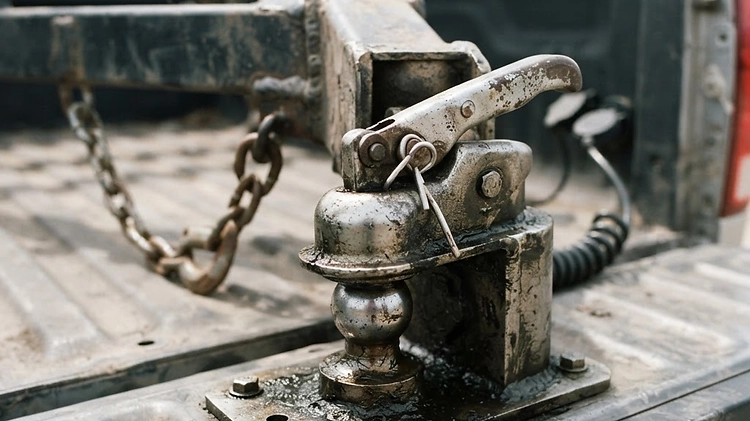
To calculate your available payload for livestock, subtract the empty weight (tare weight) of the trailer from its GVWR. Remember that live animal weights are estimates; a mature bull can weigh upwards of 2,000 pounds, while a horse might weigh 1,200 pounds. Always leave a safety margin of at least 10% to 15% of your payload capacity to account for miscalculations and the dynamic nature of the load. For a comprehensive breakdown of these metrics, see our article on Towing Capacity vs. Payload Capacity: The Complete Hauling & Sizing Guide. Additionally, verifying your hitch weight is crucial; learn how in our guide on How to Measure Trailer Tongue Weight and Calculate Safe Payload Limits.
Bumper Pull vs. Gooseneck Livestock Trailers
The type of hitch you use significantly impacts how your trailer handles a live load. Gooseneck trailers are generally preferred for hauling multiple large animals because they anchor the weight directly over the tow vehicle's rear axle, providing superior stability and minimizing sway.
If you are hauling a smaller herd, a bumper pull might suffice, but it requires meticulous attention to weight distribution. For a detailed comparison, read Bumper Pull vs. Gooseneck Trailers: Towing Capacity & Stability Guide. When browsing gooseneck trailers, consider models built specifically for agricultural use, such as the 2026 Big Bend 6'8"X22' W/ 2' TACK, which offers excellent structural integrity for heavy, shifting loads.
Key Specifications: What to Look For in a Livestock Trailer
When evaluating a livestock trailer for safe towing, several key specifications and features should be top of mind:

- Axle Capacity: Ensure the axles are rated to handle the GVWR. Torsion axles are often preferred for livestock as they provide a smoother ride, reducing stress on the animals.
- Braking Systems: Heavy live loads require robust stopping power. Electric or electric-over-hydraulic brakes on all axles are mandatory. Ensure your tow vehicle is properly equipped by reading our Trailer Brake Controller Setup & Tuning Guide: Proportional vs. Time-Delayed Systems.
- Flooring: The floor must support concentrated hoof weight while providing traction.
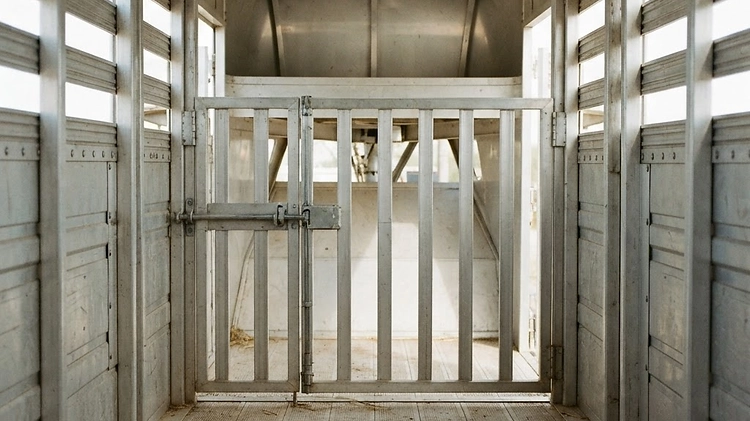
- Interior Partitions: Center gates are essential for compartmentalizing the load, preventing all animals from shifting to one side or the rear during transit.
For smaller operations, a compact model like the 2027 WW AA 5X12 provides a manageable footprint while still requiring strict adherence to loading protocols.
Step-by-Step Guide to Loading Cattle and Horses
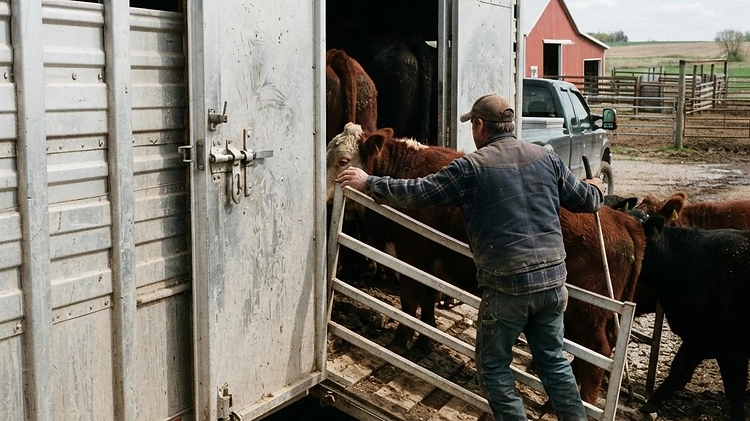
Loading animals requires patience and a strategic approach to maintain balance:
- Inspect the Trailer: Check tire pressure, floor integrity, and latch security before loading.
- Load the Heaviest First: Position the largest, heaviest animals in the front compartment (forward of the axles) to establish proper tongue weight.
- Balance Side-to-Side: Distribute the weight evenly across the width of the trailer to prevent uneven tire wear and handling issues.
- Secure Partitions: Close and latch center gates immediately after loading a compartment to restrict movement.
- Load the Lightest Last: Place smaller or lighter animals in the rear compartment.
While the cargo is different, the principles of axle limits remain similar to equipment hauling. You can draw parallels from our guide on How to Safely Load a Flatbed Trailer: Weight Distribution & Axle Limits.
Local Regulations and Highway Safety
Agricultural hauling is subject to specific Department of Transportation (DOT) regulations, which can vary by state. For instance, if you are looking for trailers for sale in Texas, you must comply with state-specific agricultural exemptions and weight limits. Navigating the busy highways around Dallas, TX with a fully loaded livestock trailer requires a vehicle properly rated for the GCWR and a driver experienced in managing extended stopping distances.
Always verify that your safety chains are crossed under the hitch, your breakaway battery is charged, and all lights are functioning before hitting the road. For more comprehensive resources, visit our guides hub.
Bottom Line
Towing livestock safely is an exercise in physics, preparation, and proper equipment selection. By adhering to the 60/40 weight distribution rule, respecting your payload capacities, and utilizing interior partitions, you can ensure a safe journey for your animals and yourself. Ready to upgrade your hauling capabilities? Explore our full inventory of livestock trailers or visit our shop inventory hub to find the perfect trailer for your agricultural needs.
Shop Related Trailers
FAQ
Have Questions? We're Here to Help
Still unsure which trailer fits your needs, or need specs, pricing or delivery advice? The Prime Trail Trailers team is ready to answer your questions and help you find the right rig.