
Mobile Kitchen Trailer Utilities Guide: Electrical, Plumbing, and Ventilation Setup
Master the essential electrical, plumbing, and ventilation requirements for mobile kitchen trailers to ensure safety, compliance, and operational efficiency.
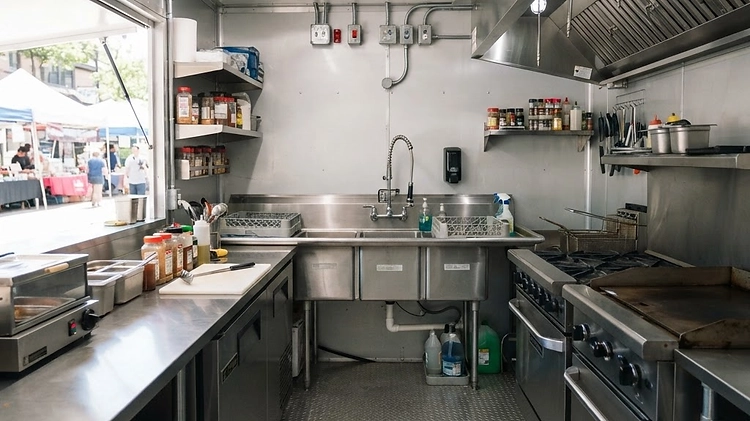
Operating a successful mobile food business requires more than just a great menu; it demands a rock-solid infrastructure. From powering commercial appliances to maintaining safe water temperatures and proper airflow, your mobile kitchen trailer's utility systems are the heartbeat of your operation.
The Importance of Proper Utility Setup in Mobile Kitchens
When you invest in kitchen trailers, the underlying electrical, plumbing, and ventilation systems dictate your daily efficiency and legal compliance. A poorly designed utility setup can lead to blown breakers during a busy lunch rush, health department violations, or even dangerous fire hazards.
Whether you are operating in Los Angeles, CA where emissions and health codes are strict, or running a seasonal operation looking for trailers for sale in Florida, understanding these core systems is non-negotiable. Proper planning ensures that your trailer can handle the rigorous demands of commercial food preparation while keeping your staff safe and your business compliant with local regulations.
Mobile Kitchen Trailer Electrical Systems and Power Setup
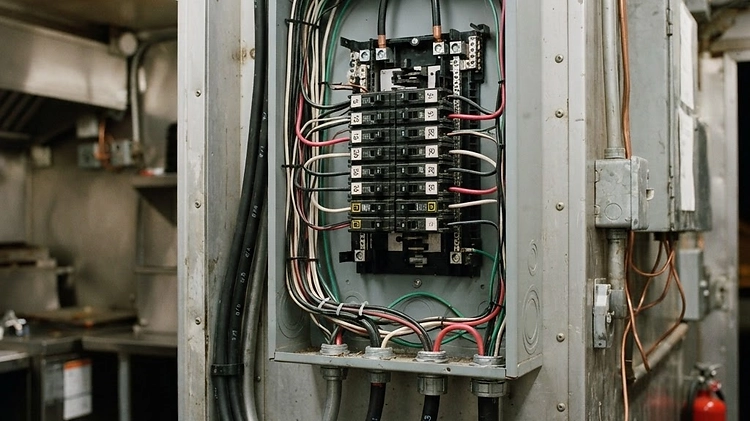
Your electrical system must be robust enough to support all your equipment simultaneously without overloading. Most food trailers rely on a combination of generator power and shore power connections.
For minimal operations, a 3,000-watt generator or a 25-amp connection might suffice, but fully equipped kitchens typically require 5,000 to 10,000 watts. It is crucial to use professional-grade wiring, proper circuit protection, and standard connectors like 50A receptacles (NEMA 14-50R) or twist-locking 30A outlets. If you are customizing a unit like the 8.5 x 14 White Custom Enclosed Kitchen Concession Trailer, ensure the breaker panel is easily accessible and isolated from water sources.
Plumbing and Water Systems for Food Trailers
A compliant plumbing system is a cornerstone of mobile food safety. Health departments require specific tank capacities, typically mandating that the grey water tank be at least 15% to 50% larger than the fresh water tank to prevent overflow.


Standard requirements include a minimum 30-gallon fresh water tank, a water heater capable of reaching 110 degrees Fahrenheit, and a commercial-grade stainless steel three-compartment sink with integrated drainboards. Additionally, a separate handwashing sink must be installed and easily accessible. Reliable water pressure and efficient drainage keep your kitchen sanitary and ensure you pass mandatory health inspections, which are detailed further in our Mobile Kitchen Trailer Requirements: Equipment, Ventilation & Compliance Guide.
Ventilation and Exhaust Systems
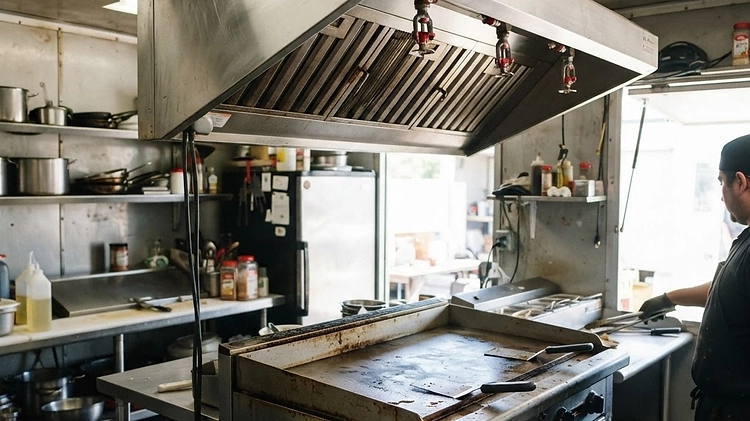
Cooking produces intense heat, smoke, and grease-laden vapors that must be safely extracted. A commercial-grade exhaust hood is mandatory for any trailer utilizing fryers, grills, or open flames.
Ventilation systems must comply with NFPA 96 standards, which dictate the construction, installation, and maintenance of exhaust hoods, fans, and ductwork. An integrated fire suppression system is also required to automatically extinguish grease fires. Proper airflow not only ensures fire safety but also maintains a comfortable working environment for your staff during long shifts. If you are considering enclosed trailers for conversion, structural reinforcement for the hood and roof-mounted exhaust fans is a critical first step.
Key Specifications: What to Look For in Kitchen Trailer Utilities
When evaluating a new build or a pre-configured unit like the FT27 77-inch Food Vending Trailer, compare the utility specs against your menu's demands.

- Electrical Capacity: Minimum 50-amp service panel; recommended 10,000W generator capacity for full kitchens.
- Fresh Water Tank: Minimum 30 gallons; recommended 40+ gallons for high-volume service.
- Grey Water Tank: Must be sized larger than the fresh water tank (e.g., 45-50 gallons).
- Water Heater: Minimum 3-gallon capacity capable of 110°F; tankless options recommended for continuous hot water.
- Ventilation: Type 1 commercial hood with baffle filters and an Ansul fire suppression system.
Compliance and Health Department Standards
Meeting utility standards is only part of the equation; you must also adhere to operational compliance. Most jurisdictions require mobile food units to report daily to an approved commissary for cleaning, waste disposal, and fresh water refills.
Before purchasing, always cross-reference your trailer's utility schematics with local health and fire department codes. For those looking at trailers for sale in Texas, state guidelines strictly enforce the use of commercial-grade, NSF-approved equipment and prohibit home-use appliances. For more general cargo needs, you can review our Small Enclosed Cargo Trailer Buying Guide for Work and Home.
Bottom Line
Investing in high-quality electrical, plumbing, and ventilation systems is the most effective way to future-proof your mobile food business. Cutting corners on utilities leads to operational downtime and failed inspections. Start your journey by exploring our comprehensive guides or browse our current inventory in the shop to find a trailer built to professional standards.
Shop Related Trailers
FAQ
Have Questions? We're Here to Help
Still unsure which trailer fits your needs, or need specs, pricing or delivery advice? The Prime Trail Trailers team is ready to answer your questions and help you find the right rig.