
Mobile Kitchen Trailer Requirements: Equipment, Ventilation & Compliance Guide
Discover the essential equipment, ventilation standards, and health department compliance requirements for building and operating a commercial mobile kitchen trailer.

Quick Summary
Discover the essential equipment, ventilation standards, and health department compliance requirements for building and operating a commercial mobile kitchen trailer.
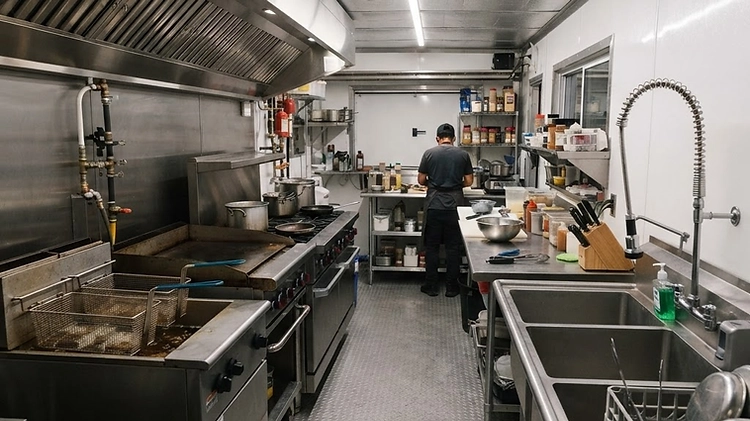
The mobile food industry is evolving rapidly, and the demand for fully equipped, code-compliant mobile kitchen trailers has never been higher. Whether you are launching a new culinary concept, expanding a brick-and-mortar restaurant, or providing temporary food service during a facility renovation, understanding the strict regulatory landscape is critical. Building a mobile kitchen is not just about fitting appliances into a cargo space; it requires meticulous planning around commercial-grade equipment, fire safety, plumbing, and health department standards.
In this comprehensive guide, we will break down the essential requirements for mobile kitchen trailers, from Type 1 ventilation hoods to potable water systems, ensuring your build passes inspection and operates efficiently. For more resources on trailer ownership and commercial hauling, visit our comprehensive trailer guides hub.
The Rise of Code-Compliant Mobile Kitchens
Modern food trailers are highly engineered mobile facilities that rival traditional restaurant kitchens. Health departments and fire marshals across the country have implemented stringent guidelines to ensure food safety and fire prevention.

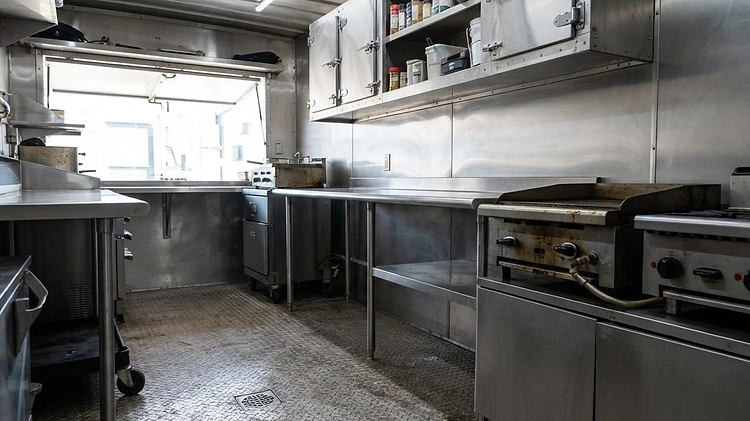
Unlike standard enclosed trailers used for dry freight, a mobile kitchen must be constructed with smooth, easily cleanable, and non-absorbent surfaces. All millwork and cabinetry must typically be stainless steel and elevated on 6-inch legs to allow for thorough cleaning. If you are operating in strict jurisdictions like Los Angeles, CA, your trailer must meet ANSI/NSF commercial standards before a permit is even considered.
When planning your build, it is crucial to consult with your local health department early in the process. Many jurisdictions require a detailed plan review, including equipment schedules and plumbing schematics, before construction begins. If you are looking for a turnkey solution, exploring purpose-built kitchen trailers can save months of regulatory headaches.
Essential Commercial Kitchen Equipment
Outfitting your trailer requires balancing menu requirements with space and weight limitations. Residential appliances are universally rejected by health inspectors; all equipment must be NSF-certified (or equivalent) for commercial use.
Cooking and Prep Equipment
Your menu dictates your equipment, but standard setups usually include gas ranges, flat-top griddles, and deep fryers. All cooking equipment must be securely mounted, often on locking casters or 6-inch legs, to prevent movement during transit. For specialized operations, such as BBQ catering, units like the 2026 Empire Trailers 8.5 x 20 White BBQ Smoker Porch Catering Trailer integrate exterior smoker porches to manage heat and smoke outside the main enclosed cabin.
Refrigeration and Cold Holding
Cold holding units must meet NSF 7 standards. Undercounter refrigerators and prep tables are popular for maximizing vertical space. Ensure your trailer's electrical system can handle the continuous draw of these compressors, especially when operating in hot climates like trailers for sale in Texas or trailers for sale in Florida.
Ventilation and Fire Suppression Systems
Perhaps the most heavily scrutinized component of any mobile kitchen is the ventilation system. Commercial ventilation in a food trailer is more than just installing a fan; it is a life-safety requirement.

Type 1 Exhaust Hoods
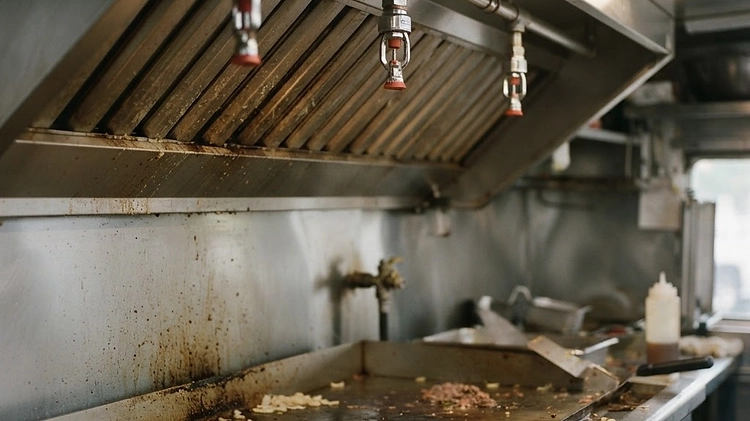
If your cooking process produces grease-laden vapors (e.g., deep-fat frying, pan frying, or using a griddle), a Type 1 stainless steel commercial exhaust hood is mandatory. This system removes smoke, steam, grease, heat, and odors from the confined space of the trailer.
Fire Suppression (UL 300)
All Type 1 hood systems must be paired with a pre-engineered fire suppression system that meets NFPA 17 and NFPA 96 standards. Modern regulations require a UL 300-compliant wet chemical suppression system. These systems must be inspected and tagged by a certified technician every six months. Failure to maintain your fire suppression system will result in immediate closure by the local fire marshal.
Plumbing, Water Systems, and Waste Management
A reliable plumbing system is the backbone of food safety in a mobile kitchen. Health departments require a pressurized drinking water system with adequate capacity for food preparation, utensil cleaning, and hand washing.
Sink Requirements
Most jurisdictions require at least two distinct sink systems:
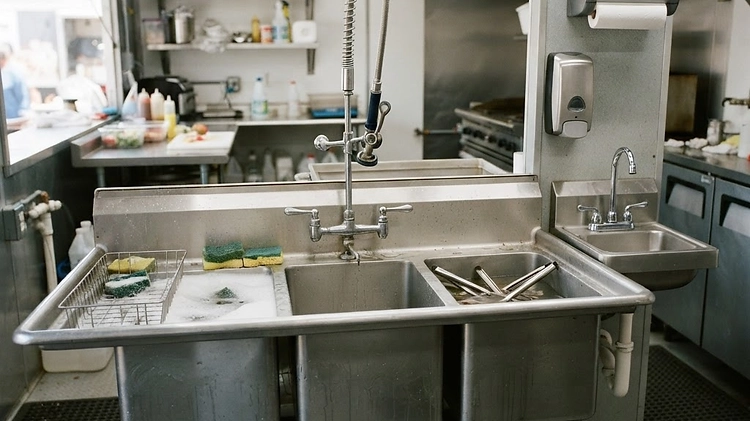
- Handwashing Sink: Must have a bowl size of at least 12 inches, equipped with hot and cold running water, soap, and paper towels. It must be easily accessible and used exclusively for handwashing.
- 3-Compartment Sink: Required for washing, rinsing, and sanitizing equipment and utensils. It must feature dual integral drain boards (often required to be at least 60 inches in total length).
Water Tanks and Heaters
The minimum size for a potable (fresh) water tank is typically 20 to 30 gallons, though high-volume operations will need much more. The wastewater (gray water) retention tank must be permanently attached to the trailer and sized at least 15% larger than the potable water supply to prevent overflow. Additionally, a commercial water heater must provide a continuous flow of hot water (usually required to reach at least 110°F for warewashing).
Power Supply and Electrical Redundancy
Mobile kitchens require robust electrical systems to power refrigeration, lighting, water pumps, and hood fans.

Most trailers utilize a combination of shore power (plugging into a grid) and onboard commercial generators. When sizing your generator, calculate the total running wattage of all equipment and add a 20-30% buffer for startup surges. All wiring must meet commercial codes, and lighting must be shielded to prevent glass contamination in the event of a broken bulb. For smaller, highly efficient setups, compact units like the 2026 Empire Trailers FT27 77-inch Food Vending Trailer offer streamlined electrical panels designed for quick deployment.
Navigating Health Department and DOT Compliance
Operating a mobile kitchen means answering to multiple regulatory bodies. Beyond the health department and fire marshal, you must also comply with transportation laws.
Because fully loaded kitchen trailers can be incredibly heavy, they often fall under commercial towing regulations. It is vital to understand weight distribution and braking requirements. We highly recommend reviewing our guide on Federal DOT Trailer Regulations: FMCSA Compliance, Brake Laws & Weight Rules to ensure your tow vehicle and trailer are legally compliant on the highway. Additionally, if you are using your trailer for commercial delivery or catering logistics, our Enclosed Trailers for Last-Mile Delivery Guide offers valuable insights into fleet management.
Bottom Line
Building and operating a mobile kitchen trailer is a complex but highly rewarding endeavor. By investing in NSF-certified equipment, a compliant Type 1 hood system, and a robust plumbing setup, you ensure the safety of your staff and customers while avoiding costly regulatory shutdowns.
Ready to start your mobile culinary business? Browse our complete inventory of code-ready trailers at the Prime Trail Trailers Shop or explore our specialized kitchen trailers to find the perfect foundation for your mobile kitchen.
Shop Related Trailers
FAQ
Have Questions? We're Here to Help
Still unsure which trailer fits your needs, or need specs, pricing or delivery advice? The Prime Trail Trailers team is ready to answer your questions and help you find the right rig.
Prime Trail Trailers
Prime Trail Trailers is a family-owned trailer dealer in Markle, Indiana, stocking utility, dump, enclosed, equipment, car hauler and gooseneck trailers with nationwide delivery. This guide is based on what our customers ask us most and the trailers we sell every day.
More about Prime Trail Trailers