
Enclosed Trailers for Last-Mile Delivery: 2026 Commercial Buying Guide
Explore the 2026 guide to enclosed trailers for last-mile delivery, featuring key specs, security tech, and DOT compliance for commercial haulers.


The rapid expansion of e-commerce in 2026 has fundamentally shifted the logistics landscape, placing unprecedented demand on last-mile delivery networks. For independent contractors and fleet managers alike, enclosed trailers have emerged as the most versatile and cost-effective solution for bridging the final delivery gap. This comprehensive guide explores how to select, equip, and deploy enclosed trailers for maximum efficiency and profitability in the modern commercial hauling sector.
The Rise of E-Commerce and Last-Mile Delivery Trailers
As consumer expectations for rapid delivery continue to grow, logistics providers are moving away from traditional box trucks in favor of more flexible trailer setups. Enclosed trailers offer a lower barrier to entry, reduced maintenance costs, and the ability to swap tow vehicles seamlessly, making them ideal for dynamic delivery routes.

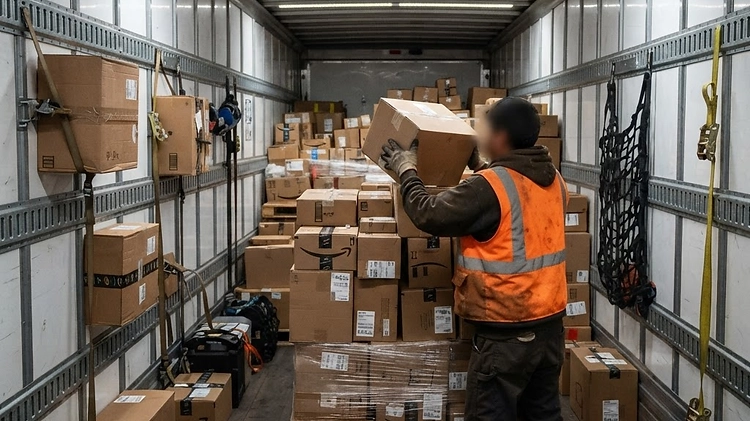
Whether you are navigating the dense urban streets of Atlanta or managing sprawling suburban routes across Texas, the right enclosed trailer can significantly improve your daily package throughput. By investing in commercial-grade enclosed trailers, delivery businesses can scale their operations rapidly without the massive capital expenditure required for motorized fleet expansion.
Key Specifications: What to Look For in a Delivery Trailer
Selecting the right trailer size and configuration is critical for last-mile delivery success. You need a balance of payload capacity, maneuverability, and ergonomic access for drivers who are loading and unloading hundreds of times a day.
When evaluating options like the 7x12 Continental Cargo Tailwind, consider the following essential specifications:
- Rear Access: Ramp doors are essential for dolly and pallet jack access, while barn doors may be preferred in tight urban parking situations.
- Interior Height: A minimum of 6'6" interior height is recommended to allow drivers to stand upright, reducing fatigue and injury risk.
- Tie-Down Systems: E-track systems installed on the walls and floor provide versatile cargo securement for varying package sizes.
- Lighting: High-output interior LED lighting is non-negotiable for early morning and late evening delivery routes.
Aluminum vs. Steel: Choosing the Right Material
For high-mileage commercial routes, the choice between aluminum and steel construction directly impacts your bottom line. While steel trailers offer robust durability at a lower initial price point, aluminum trailers are increasingly dominating the last-mile sector.


An option like the 7x14 All Aluminum Continental Cargo provides significant weight savings, which translates directly to improved tow vehicle fuel economy and increased payload capacity. Furthermore, aluminum's natural corrosion resistance is vital for fleets operating in coastal areas or regions with heavy winter road salt usage. For a deeper dive into material differences, consult our guides hub for comprehensive comparisons.
Security and IoT Tracking Integration
Cargo theft remains a primary concern for last-mile delivery operations. Modern enclosed trailers must be equipped with advanced security features to protect high-value e-commerce goods. Heavy-door hardware, puck locks, and reinforced hinges are standard requirements.
Beyond physical security, digital tracking is now an industry standard. Integrating telematics allows fleet managers to monitor location, door open/close events, and even interior temperature. To understand how these systems are revolutionizing fleet management, read our complete guide on The Rise of IoT Tracking Systems in Commercial Trailers: What You Need to Know.
DOT Compliance and Weight Regulations
Operating commercial delivery trailers requires strict adherence to federal and state regulations. Even if you are utilizing smaller utility trailers for overflow routes, understanding Gross Vehicle Weight Ratings (GVWR) is mandatory.

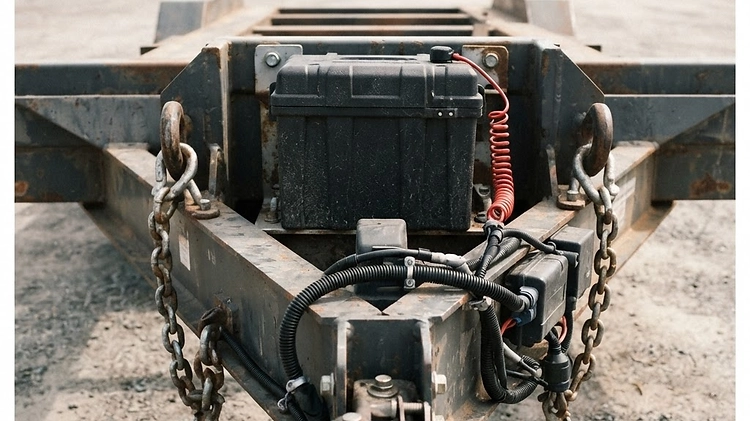
If your combined truck and trailer weight exceeds 10,000 lbs, you are subject to FMCSA regulations, requiring DOT numbers, specific safety equipment, and regular inspections. For haulers operating out of major hubs like Dallas, compliance enforcement is particularly stringent. Ensure your fleet is fully compliant by reviewing our guide on Federal DOT Trailer Regulations: FMCSA Compliance, Brake Laws & Weight Rules.
Bottom Line
Optimizing your last-mile delivery operations starts with selecting the right enclosed trailer. By prioritizing ergonomic design, lightweight materials, and advanced security features, you can build a resilient and profitable delivery fleet. Ready to upgrade your logistics capabilities? Browse our complete inventory in the Prime Trail Trailers shop to find the perfect commercial hauling solution for your business.
Shop Related Trailers
FAQ
Have Questions? We're Here to Help
Still unsure which trailer fits your needs, or need specs, pricing or delivery advice? The Prime Trail Trailers team is ready to answer your questions and help you find the right rig.