
Hotshot Trailer Weight Distribution and Sizing Guide: CDL vs. Non-CDL
Master hotshot trailer weight distribution, load securement, and sizing requirements for CDL and non-CDL operations to maximize payload and stay DOT compliant.
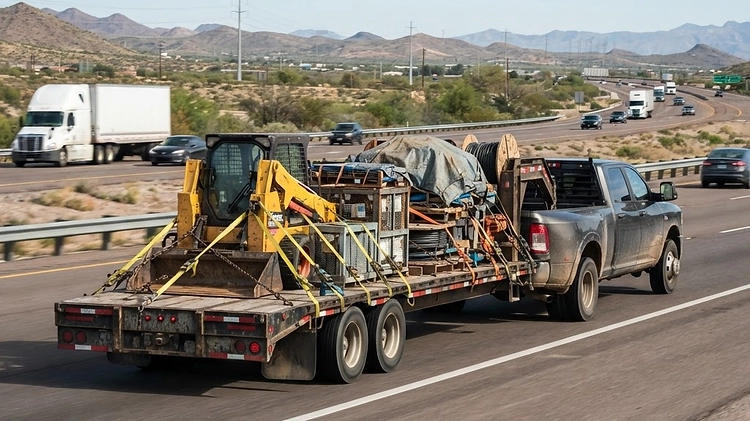
Hotshot trucking demands precision, not just in meeting delivery deadlines, but in how you load and scale your equipment. Whether you are running a non-CDL setup or operating with a Class A license, understanding hotshot trailer weight distribution and sizing is the difference between a profitable run and a costly DOT violation.
The Importance of Hotshot Trailer Weight Distribution
Proper weight distribution on a hotshot trailer dictates your towing stability, braking distance, and tire wear. Unlike standard bumper-pull utility trailers that rely on the 60/40 rule, hotshot gooseneck trailers require a different approach to pin weight and axle loading.

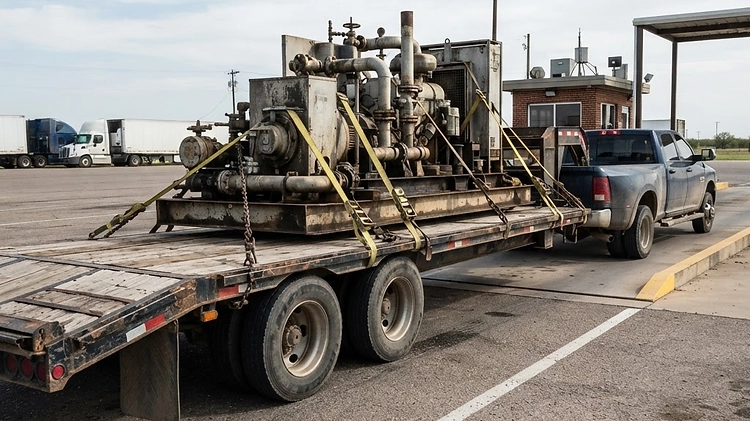
For a gooseneck hotshot setup, the general rule is to aim for 15% to 30% of the loaded trailer weight to rest on the truck's rear axle (pin weight). If you place too much weight behind the trailer axles, you risk severe trailer sway and loss of steering control. Conversely, overloading the front of the trailer can exceed your truck's Gross Axle Weight Rating (GAWR) and damage the suspension. Always center the heaviest freight directly over or slightly ahead of the trailer axles, spreading the load evenly side-to-side to prevent rollover risks, especially when navigating tight turns or uneven jobsites.
CDL vs. Non-CDL Hotshot Trailer Sizing
Choosing the right trailer size is the most critical decision for a hotshot owner-operator. Your trailer's Gross Vehicle Weight Rating (GVWR) directly impacts whether you need a Commercial Driver's License (CDL).

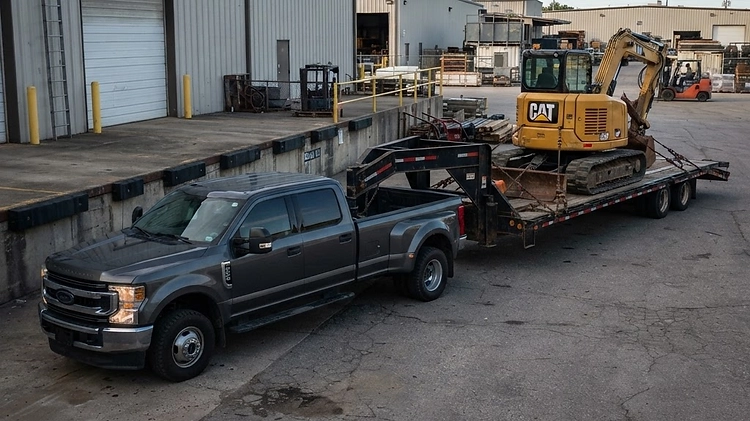
For non-CDL hotshot drivers, the combined GVWR of your truck and trailer cannot exceed 26,000 pounds. This typically means pairing a 3/4-ton or 1-ton truck with a trailer rated between 14,000 and 16,000 lbs. A popular choice for this application is the 2026 Horizon FTZ 8.5x40 16k Gooseneck HotShot Trailer NonCDL, which maximizes deck space while keeping you under the CDL threshold. CDL drivers, on the other hand, often opt for 30,000 to 40,000 lb GVWR trailers, such as a heavy-duty deckover trailer or the 2027 MAXX-D YDX 8.5x32 22.5K Gooseneck, allowing them to haul multiple vehicles, heavy machinery, or large freight loads.
Key Specifications: What to Look For in a Hotshot Trailer
When browsing hotshot trailers for your business, you need equipment built for continuous commercial use.

Here are the key specifications to evaluate:
- Deck Length: 30 to 40 feet is standard. 40-foot trailers offer maximum versatility for LTL (less-than-truckload) freight.
- Suspension: Air ride suspension is highly recommended for hotshotting to protect fragile freight and reduce driver fatigue.
- Frame Construction: Engineered beam or I-beam construction prevents frame sag under heavy, concentrated loads.
- Tie-Down Points: Look for sliding winch tracks, abundant D-rings, and rub rails with stake pockets.
- Dovetail: A hydraulic dovetail or mega ramps are essential if you plan to haul wheeled equipment or vehicles.
Load Securement Best Practices for Hotshot Trucking
Securing your load properly is just as important as balancing the weight. The FMCSA has strict regulations regarding the number and type of tie-downs required based on the length and weight of the cargo.
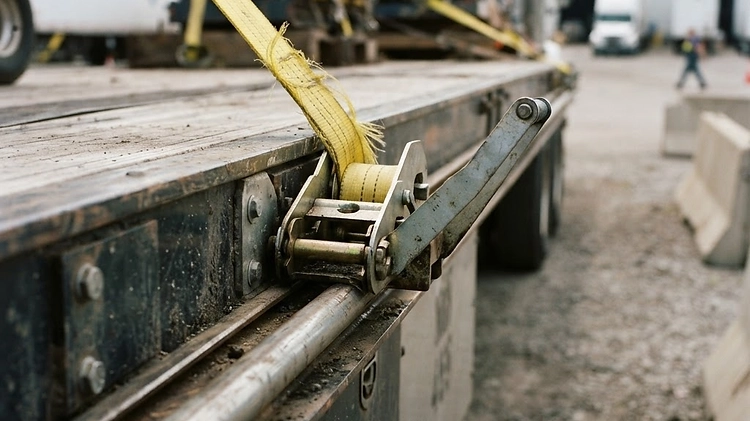
Always use industry-approved straps, Grade 70 transport chains, and binders that meet or exceed the Working Load Limit (WLL) requirements for your freight. Inspect your securement devices within the first 50 miles of your trip, and then every 150 miles or three hours. For a deep dive into compliance, review our DOT Tie-Down Requirements for Heavy Equipment Guide. Proper securement not only prevents fines but ensures the safety of everyone on the road.
Scaling Your Hotshot Load and Axle Limits
Before hitting the highway, especially in heavy enforcement states, you must scale your load. You need to verify three critical numbers: your steer axle weight, your drive axle weight, and your trailer axle weight.
Ensure that none of these exceed their respective GAWR, and that your total weight is within your registered GVWR and GCWR. If you are operating trailers for sale in Texas or running freight through Houston, TX, expect frequent weigh station checks. Understanding how to shift your load to balance axle weights is a mandatory skill. For more information on calculating these limits, check out our guide on Trailer Axle Weight Ratings (GAWR) Explained and learn how to prevent sway in our Physics of Trailer Sway Guide.
Bottom Line
Mastering hotshot trailer weight distribution and selecting the right size trailer for your CDL or non-CDL operation is the foundation of a successful trucking business. By adhering to the 15-30% pin weight rule, respecting your GVWR limits, and following strict load securement protocols, you will minimize wear and tear and maximize your earning potential. Ready to upgrade your rig? Explore our complete inventory of commercial-grade trailers in our shop or visit our guides hub for more expert hauling advice.
FAQ
Have Questions? We're Here to Help
Still unsure which trailer fits your needs, or need specs, pricing or delivery advice? The Prime Trail Trailers team is ready to answer your questions and help you find the right rig.