
The Rise of IoT Tracking Systems in Commercial Trailers: What You Need to Know
Discover why IoT tracking systems are becoming essential for commercial trailers, offering real-time cargo monitoring, improved security, and better fleet management.
Quick Summary
Discover why IoT tracking systems are becoming essential for commercial trailers, offering real-time cargo monitoring, improved security, and better fleet management.
The commercial hauling industry is undergoing a massive technological shift. By 2025, industry statistics project that 30% of new U.S. trailers will be equipped with IoT (Internet of Things) tracking systems for real-time cargo monitoring. This isn't just a passing trend; it's a fundamental change in how fleets manage assets, ensure security, and optimize logistics. Whether you're running a single hotshot rig or managing a fleet of enclosed cargo trailers, understanding this technology is crucial for staying competitive.
In this guide, we'll explore why IoT tracking is trending, how it works, and what you need to look for when upgrading your trailer or purchasing a new one. We'll also cover how these systems integrate with existing Federal DOT Trailer Regulations to keep your operations compliant and efficient.
What Are IoT Trailer Tracking Systems?
IoT tracking systems go far beyond traditional GPS. While a standard GPS tells you where your trailer is, an IoT system provides a comprehensive view of the trailer's status and its cargo. These systems use a network of sensors connected to the internet (usually via cellular networks) to transmit real-time data to a centralized dashboard.


These sensors can monitor a wide range of variables, including:
- Location: Pinpoint accuracy using GPS and cellular triangulation.
- Temperature and Humidity: Critical for refrigerated units or sensitive cargo.
- Door Status: Alerts if doors are opened unexpectedly, enhancing security.
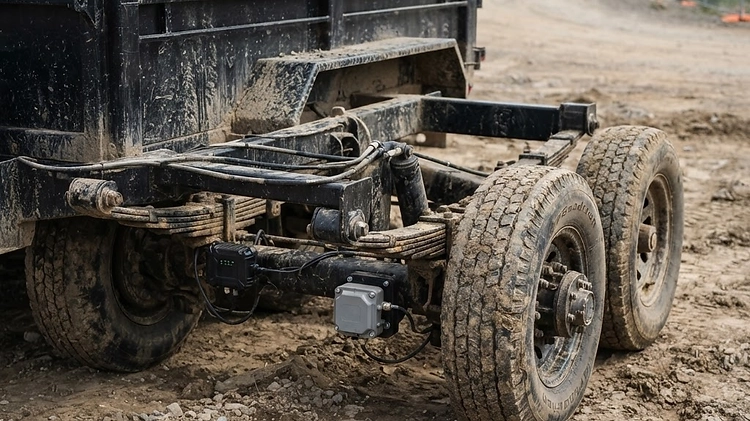
- Tire Pressure and Brake Status: Proactive maintenance alerts to prevent blowouts or brake failures.
- Cargo Load: Weight sensors to ensure you aren't exceeding your Towing Capacity vs. Payload Capacity.
Why the Sudden Surge in Demand?
The rapid adoption of IoT in trailers is driven by several converging factors. First, supply chain disruptions have highlighted the need for absolute visibility. Shippers and receivers demand to know exactly where their freight is and what condition it's in.
Second, cargo theft is a persistent issue. Real-time alerts for unauthorized door openings or route deviations allow for immediate response, significantly reducing losses. Finally, the technology itself has become more affordable and reliable, with longer battery lives and better cellular coverage nationwide.
Key Specifications: What to Look For in an IoT System
If you're considering adding IoT tracking to your enclosed trailers or flatbed trailers, don't just buy the cheapest option. Look for these key specifications:
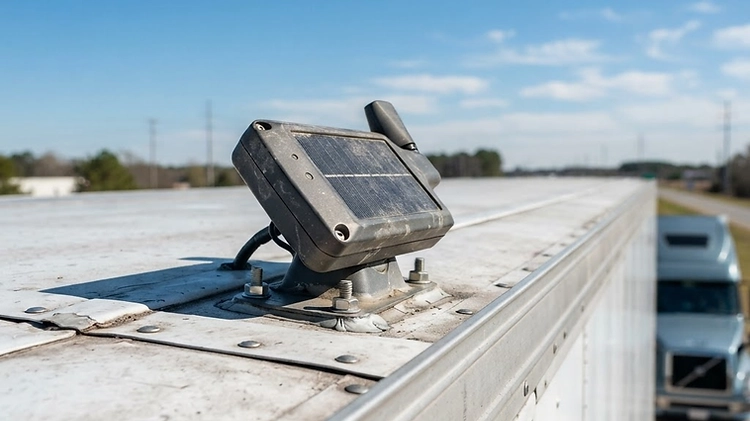
| Feature | Why It Matters | Minimum Recommendation | | :--- | :--- | :--- | | Battery Life | Ensures tracking continues even when the trailer is unhooked from power. | 3-5 years (solar-powered options preferred) | | Update Frequency | Determines how often you receive data. | Configurable (e.g., every 5 mins when moving, daily when stationary) | | Sensor Integration | The ability to add door, temperature, or tire pressure sensors. | Must support BLE (Bluetooth Low Energy) sensors | | Durability | Trailers face harsh environments. | IP67 or IP69K rating (waterproof and dustproof) | | Network Coverage | Ensures connectivity across different regions. | 4G LTE with fallback to 3G/2G |
Integrating IoT with Your Existing Fleet
Implementing IoT doesn't necessarily mean replacing your entire fleet. Many systems are designed for easy aftermarket installation. For example, if you recently purchased a 2025 Universal Trailers 7′ X 14′ Continental Cargo – Contractor Edition, adding a solar-powered GPS tracker and door sensors can be done in an afternoon.

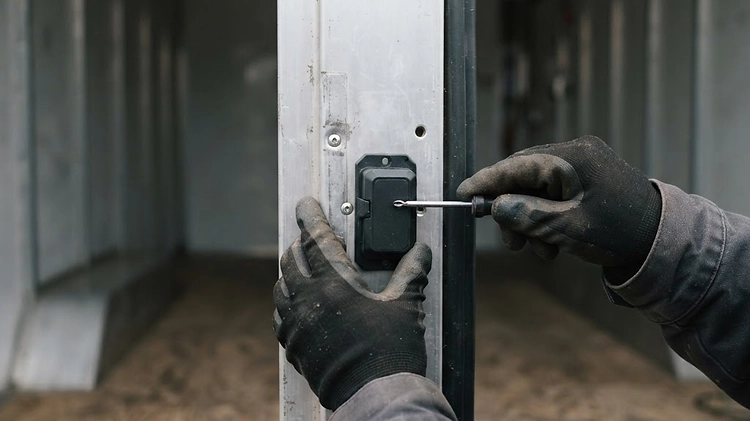
However, when expanding your fleet, consider trailers that come pre-wired or "IoT-ready." This simplifies installation and often provides better integration with the trailer's existing electrical systems. If you're hauling heavy equipment with a 2025 Double-A 8′ X 16′ Deck-Over Gooseneck Dump Trailer, monitoring axle weight and brake status via IoT can prevent costly downtime and ensure compliance with weight regulations.
The Future of Smart Hauling
As we move further into 2025 and beyond, the expectation for real-time data will only grow. Shippers will increasingly favor carriers who can provide transparent, minute-by-minute updates on their cargo. For local operations, such as construction companies looking for trailers for sale in Texas or landscaping crews needing reliable equipment in Dallas, TX, IoT offers peace of mind against theft and helps optimize routing.

By adopting this technology early, you position your business as a reliable, forward-thinking partner in the logistics chain. It's an investment that pays dividends in reduced losses, optimized maintenance, and improved customer satisfaction.
Bottom Line
IoT tracking systems are rapidly becoming the industry standard for commercial hauling, offering unparalleled visibility and security. Whether you're upgrading an existing rig or shopping for new equipment, factoring in IoT capabilities is a smart business move. Ready to upgrade your fleet? Explore our full inventory at the Prime Trail Trailers Shop or check out our comprehensive Guides Hub for more expert advice on maximizing your hauling efficiency.
Shop Related Trailers
FAQ
Have Questions? We're Here to Help
Still unsure which trailer fits your needs, or need specs, pricing or delivery advice? The Prime Trail Trailers team is ready to answer your questions and help you find the right rig.
Prime Trail Trailers
Prime Trail Trailers is a family-owned trailer dealer in Markle, Indiana, stocking utility, dump, enclosed, equipment, car hauler and gooseneck trailers with nationwide delivery. This guide is based on what our customers ask us most and the trailers we sell every day.
More about Prime Trail Trailers