
How to Start a Concession Trailer Business: 2026 Startup Costs & Planning Guide
Discover the essential steps to starting a profitable concession trailer business in 2026, including startup costs, equipment planning, and health department compliance.
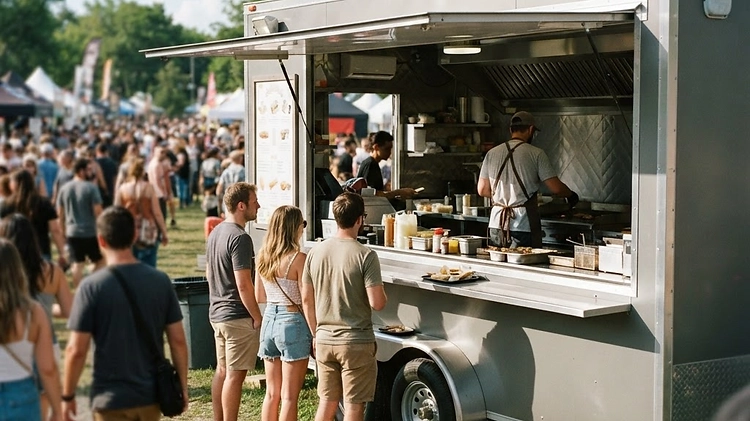
Starting a concession trailer business offers a lucrative entry point into the mobile food industry with lower overhead than a traditional brick-and-mortar restaurant. Whether you are planning to serve festival crowds, cater local events, or set up a semi-permanent roadside stand, success requires meticulous planning, a clear understanding of startup costs, and strict adherence to local health codes. This comprehensive guide breaks down everything you need to know to launch a profitable concession trailer operation in 2026.
Understanding Concession Trailer Startup Costs in 2026
One of the most critical steps in launching your mobile food venture is developing a realistic budget. Startup costs for a concession trailer can vary wildly depending on whether you purchase a new, custom-built unit or retrofit a used trailer.

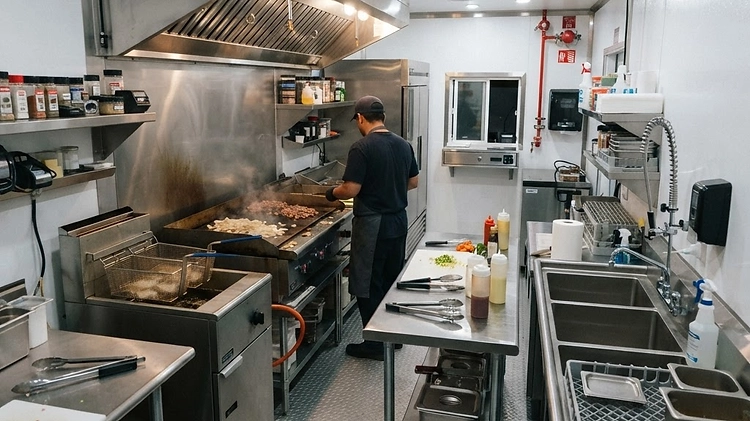
On average, a fully equipped, new concession trailer ranges from $30,000 to $80,000. This initial investment covers the trailer itself, commercial-grade cooking equipment, refrigeration, and essential utilities. When budgeting, you must also account for initial inventory, permits, insurance, and a towing vehicle capable of safely hauling your fully loaded rig. For a complete overview of our available units, visit our kitchen trailers category.
| Expense Category | Estimated Cost Range (New Build) | Estimated Cost Range (Used/Retrofit) | | :--- | :--- | :--- | | Concession Trailer (Base) | $15,000 - $35,000 | $8,000 - $20,000 | | Commercial Equipment | $10,000 - $25,000 | $5,000 - $15,000 | | Permits & Licensing | $500 - $2,500 | $500 - $2,500 | | Initial Inventory & Supplies | $1,500 - $4,000 | $1,500 - $4,000 | | Generator & Utilities | $2,000 - $6,000 | $1,500 - $4,500 |
Choosing the Right Concession Trailer Layout and Size
The layout of your concession trailer dictates your operational efficiency. A poorly designed workflow will slow down service times and limit your revenue potential during peak rushes. When selecting a trailer, consider the specific menu items you will serve and the equipment required to prepare them.
For detailed insights on optimizing your interior space, review our Concession Trailer Layout and Equipment Planning Guide. A standard 7x16 or 8.5x20 trailer provides ample room for a three-compartment sink, handwash station, prep counters, and cooking equipment. If you are looking for a ready-to-roll option, the 7x16TA Coast to Coast Concession Trailer Pink Blackout Package offers an excellent balance of space and maneuverability.
Essential Equipment and Utilities for Mobile Vending
Your concession trailer is a self-contained commercial kitchen, meaning it must have robust electrical, plumbing, and ventilation systems.


Powering your equipment requires a reliable generator and a properly sized electrical panel. You must calculate the total running wattage and starting wattage of all appliances to ensure your power source can handle the load. Learn more about these requirements in our Food Trailer Electrical Panel Sizing & Generator Power Guide.
Plumbing is equally critical. Health departments mandate specific capacities for fresh water and gray water tanks. Typically, the gray water tank must be at least 15% larger than the fresh water tank. For a deep dive into these regulations, consult our Food Trailer Plumbing & Water Systems: 2026 Compliance Guide and our Food Trailer Waste Water Tank Sizing & Health Department Compliance Guide.
Additionally, if your menu involves frying or producing grease-laden vapors, you will need a Type 1 commercial hood with a fire suppression system. Ensure your setup meets local fire marshal standards by reading our Food Trailer Fire Suppression Systems and Type 1 Hood Ventilation Guide. For a broader overview of all utility setups, check out the Mobile Kitchen Trailer Utilities Guide: Electrical, Plumbing, and Ventilation Setup.
Navigating Health Department Permits and Licensing
Securing the necessary permits is often the most complex part of starting a concession business. Regulations vary significantly by state, county, and even city. For instance, operating trailers for sale in Texas requires a Mobile Food Vendor license from the Texas DSHS, while vendors in Atlanta, GA must navigate specific county health department approvals.
Most jurisdictions require a commissary agreement—a contract with a licensed commercial kitchen where you will prep food, wash equipment, and dispose of wastewater. Understand these requirements by reading our Food Trailer Commissary Agreements & Route Sheets: 2026 Guide. Furthermore, you must pass a rigorous health inspection before opening. Prepare for this process with our 2026 Food Trailer Licensing & Regulations: The Complete MFU Compliance Guide.
Developing a Profitable Concession Business Plan
A solid business plan is your roadmap to profitability. It should outline your target market, menu pricing, marketing strategy, and financial projections.

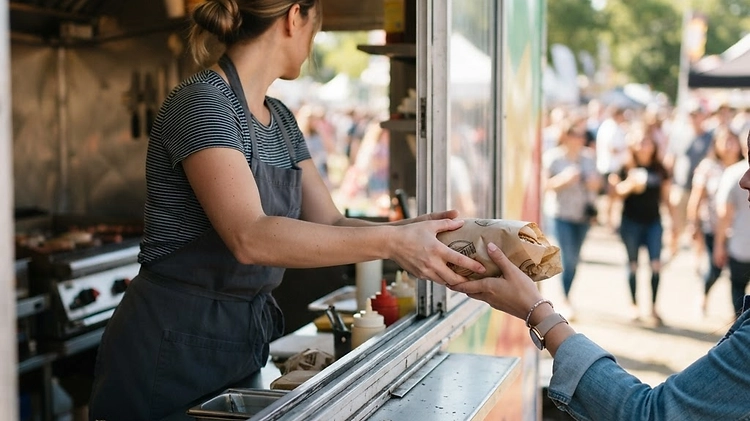
Identify high-traffic locations and events in your area. Will you focus on weekend festivals, corporate catering, or a permanent spot near a busy intersection? Your business model will dictate the type of trailer you need. If you require a highly compact unit for tight urban spaces, consider The FT27 77-inch Food Vending Trailer.
When drafting your plan, factor in seasonality. If you operate in colder climates, you may need to winterize your trailer or pivot to indoor catering during the off-season. For more general advice on trailer selection, explore our comprehensive guides hub.
Key Specifications: What to Look For in a Concession Trailer
When shopping for a concession trailer, pay close attention to the following specifications to ensure durability and compliance:
- Axle Capacity: Ensure the axles (typically tandem 3,500 lb or 5,200 lb) can support the weight of your heavy commercial equipment and full water tanks.
- Interior Height: Look for a minimum interior height of 7 feet to accommodate commercial exhaust hoods and provide comfortable working conditions.
- Flooring Material: Opt for seamless, non-slip flooring like aluminum tread plate or commercial-grade vinyl, which is easy to clean and required by most health codes.
- Serving Windows: Choose trailers with tempered glass serving windows and integrated screens to keep pests out while serving customers.
- Insulation: Proper wall and ceiling insulation is crucial for maintaining a comfortable interior temperature, especially when operating hot cooking equipment.
If you are considering building out a blank canvas, browse our enclosed trailers category for durable base models.
The Bottom Line
Starting a concession trailer business is a rewarding endeavor that requires careful financial planning, strict regulatory compliance, and the right equipment. By investing in a high-quality trailer and designing an efficient layout, you set the foundation for a profitable mobile food operation. Ready to find the perfect rig for your new business? Explore our full inventory at the Prime Trail Trailers shop or contact our team to discuss custom concession builds tailored to your exact menu and local health codes.
Shop Related Trailers
FAQ
Have Questions? We're Here to Help
Still unsure which trailer fits your needs, or need specs, pricing or delivery advice? The Prime Trail Trailers team is ready to answer your questions and help you find the right rig.