
Food Trailer Fire Suppression Systems and Type 1 Hood Ventilation Guide
Learn the essential requirements for food trailer fire suppression systems, Type 1 exhaust hoods, and NFPA 96 compliance to pass local fire marshal inspections.
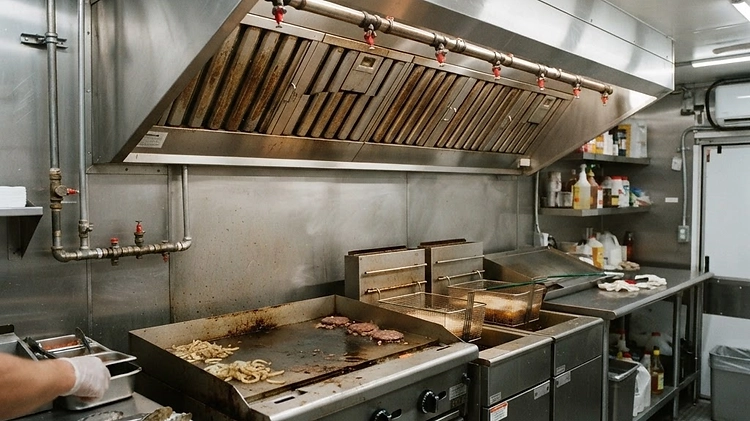
Operating a commercial mobile kitchen means bringing high-heat cooking equipment into a compact, enclosed space, making fire safety your absolute highest priority. Over 87% of foodborne illness and safety incidents in commercial food service can be traced back to improper equipment management and poor sanitation practices, but fire hazards present the most immediate danger to your staff and business. Navigating the complex web of federal, state, and local fire codes is essential for any food trailer operator looking to pass inspections and stay in business.
Whether you are outfitting a new build or upgrading an existing unit, understanding the strict requirements for Type 1 exhaust hoods and UL 300-compliant fire suppression systems is non-negotiable. This guide breaks down the critical ventilation and fire safety specifications you need to ensure your mobile kitchen is safe, compliant, and ready for service.
Understanding Type 1 Exhaust Hoods for Food Trailers
Any commercial cooking operation that produces grease-laden vapors—such as frying, grilling, or broiling—requires a Type 1 exhaust hood. Unlike standard ventilation fans, these systems are specifically engineered to capture, contain, and exhaust dangerous grease particulates and smoke safely outside the trailer.
NFPA 96 Standards and Compliance
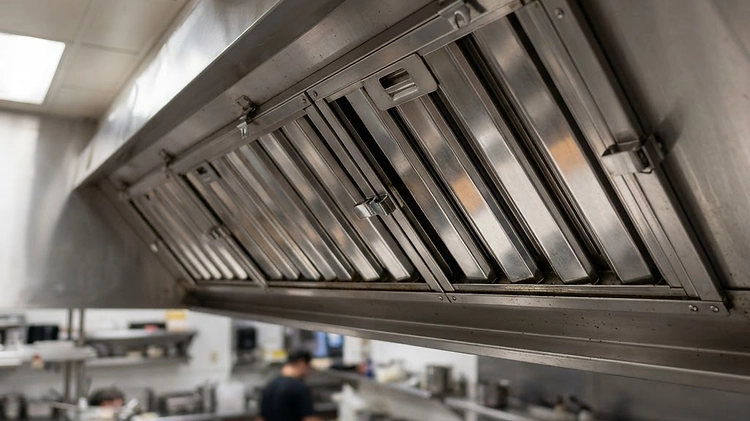
The National Fire Protection Association (NFPA) 96 standard governs the design, installation, and maintenance of ventilation control and fire protection for commercial cooking operations. For food trailers, this means your Type 1 hood must feature listed grease filters with proper mesh specifications, grease-tight ductwork extending to an exterior termination point, and proper clearances from combustible materials. When planning your concession trailer layout and equipment, ensuring adequate space for a compliant hood system is the first step.
Sizing Your Exhaust System
Proper sizing is critical. The hood must extend at least 6 inches beyond the edge of all cooking equipment on all open sides. The exhaust fan must be powerful enough to maintain the required cubic feet per minute (CFM) airflow, creating a negative pressure environment that pulls smoke and grease out efficiently. If you are looking at kitchen trailers for sale, always verify the hood dimensions against your planned cooking lineup.
UL 300 Fire Suppression Systems Explained
A Type 1 hood is only half of the safety equation; it must be paired with a UL 300-compliant wet-chemical fire suppression system. This standard was developed specifically to combat the high-temperature fires associated with modern vegetable oils and high-efficiency commercial fryers.


How Wet Chemical Suppression Works
When a fire is detected, either automatically via fusible links or manually via a pull station, the system discharges a specially formulated wet chemical agent. This agent reacts with the hot grease to form a soapy foam blanket (saponification), cutting off the oxygen supply and rapidly cooling the fuel source to prevent re-ignition. Simultaneously, the system automatically shuts off the gas or electrical supply to the cooking equipment.
Integration with Cooking Equipment
System design must match your exact appliance configuration. Nozzle placement is highly specific, requiring targeted coverage for every fryer, griddle, range, and broiler under the hood. Any time you change or move equipment—for example, swapping a flat top for an extra fryer in your 8.5x20 Blackout BBQ Trailer—the suppression system must be re-evaluated and re-certified by a licensed technician.
Key Specifications for Food Trailer Ventilation
Understanding the difference between hood types and their requirements will save you from costly inspection failures. Here is a quick comparison of what to look for:
| Specification | Type 1 Hood System | Type 2 Hood System | | :--- | :--- | :--- | | Primary Use | Grease-producing equipment (fryers, grills, broilers) | Heat and moisture only (ovens, steamers, pasta cookers) | | Fire Suppression | Mandatory (UL 300 Wet Chemical) | Not typically required | | Filters | Baffle-style grease extractors | Standard mesh or no filters | | Ductwork | Fully welded, liquid-tight | Standard galvanized ducting |
When reviewing mobile kitchen trailer utilities, ensure your electrical panel can handle the continuous load of the high-velocity exhaust fans required for Type 1 systems.
Local Health and Fire Marshal Compliance
While the FDA Food Code and NFPA standards provide the national baseline, local Authorities Having Jurisdiction (AHJs)—specifically the local fire marshal and health department—have the final say on your operational permit.

Navigating Regional Requirements
Regulations can vary wildly between jurisdictions. For instance, operating trailers for sale in Texas might require different specific clearances or manual pull station locations compared to operating in Houston, TX city limits. Always consult your local fire marshal before finalizing your build. For a broader look at compliance, review our guide on 2026 food trailer licensing and regulations.
Inspection Preparation
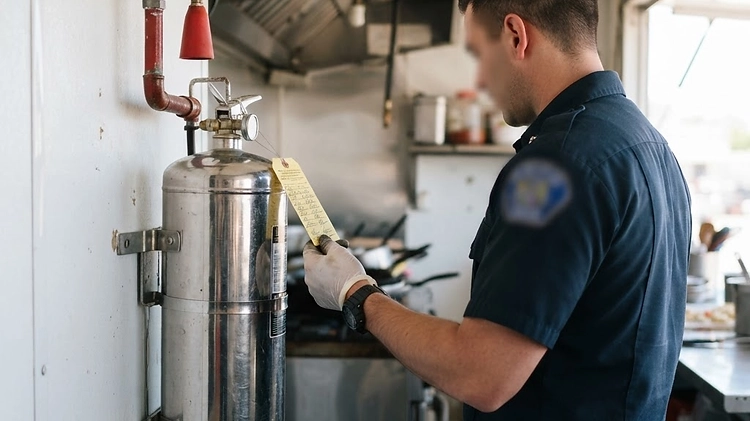
Inspectors will look for a valid, up-to-date inspection tag on your fire suppression system, proper installation of grease filters, and a clean, grease-free exhaust duct. They will also verify that your Class K fire extinguisher is present, fully charged, and easily accessible. Don't forget that your plumbing must also pass inspection; refer to our food trailer waste water tank sizing guide for complete details.
Maintenance and Cleaning Schedules
A compliant system is only effective if it is properly maintained. Grease buildup in the ductwork is the leading cause of catastrophic food trailer fires.
- Daily: Remove and wash baffle filters in hot, soapy water. Wipe down the interior of the hood canopy.
- Semi-Annually: Hire a certified professional to perform a deep cleaning of the entire exhaust system, including the ductwork and fan blades, down to bare metal.
- Semi-Annually: Have a licensed fire protection company inspect, test, and tag your UL 300 fire suppression system.
Bottom Line
Investing in a high-quality, code-compliant Type 1 hood and UL 300 fire suppression system is the most important step in protecting your mobile food business. Never cut corners on fire safety—doing so risks your livelihood, your staff, and your customers.
If you are ready to start your mobile culinary journey with a safe, professionally built unit, explore our complete inventory of enclosed trailers and purpose-built models like the 7x16TA Coast to Coast Concession Trailer. For more expert advice on building and maintaining your fleet, visit our comprehensive guides hub.
Shop Related Trailers
FAQ
Have Questions? We're Here to Help
Still unsure which trailer fits your needs, or need specs, pricing or delivery advice? The Prime Trail Trailers team is ready to answer your questions and help you find the right rig.