
Food Trailer Commissary Agreements & Route Sheets: 2026 Guide
Navigate 2026 food trailer regulations with our comprehensive guide to commissary agreements, route sheets, and new state laws in Texas and California.
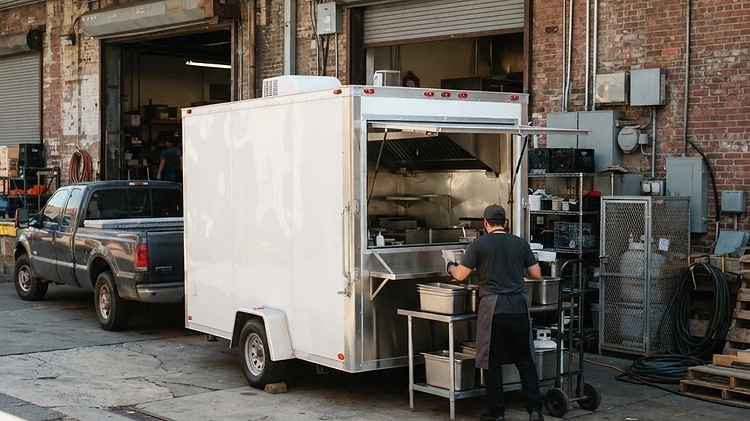
Operating a successful mobile food business in 2026 requires more than just a great menu and a high-quality trailer; it demands strict adherence to evolving health department regulations. Among the most critical compliance factors are securing a valid commissary agreement and maintaining accurate mobile food facility route sheets. This guide breaks down everything you need to know to keep your food trailer legally compliant and operationally efficient.\n\n## The Role of a Commissary in Food Trailer Operations\n\nA commissary is a licensed commercial kitchen that serves as the operational base for a mobile food vendor. Health departments nationwide mandate that food trailers report to a commissary daily for essential tasks that cannot be safely performed on the road.\n\n
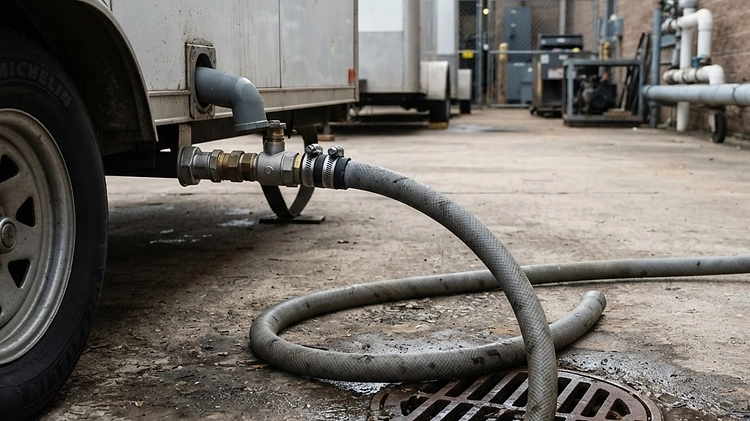
\n\nThese tasks typically include safe disposal of wastewater (grey water), refilling fresh potable water tanks, cleaning and sanitizing the trailer, and storing excess food inventory. Without a commissary agreement, securing a health permit is virtually impossible in most jurisdictions. When browsing kitchen trailers or enclosed trailers for your business, you must simultaneously plan for your commissary logistics. Your trailer's plumbing and storage capacities will directly dictate how often you need to visit your commissary base.\n\n## 2026 State-Specific Commissary & Route Sheet Updates\n\nRegulations are shifting rapidly, with major states implementing new frameworks for mobile food vendors. Understanding these regional nuances is vital, whether you are looking for trailers for sale in Texas or operating in Los Angeles, CA.\n\n

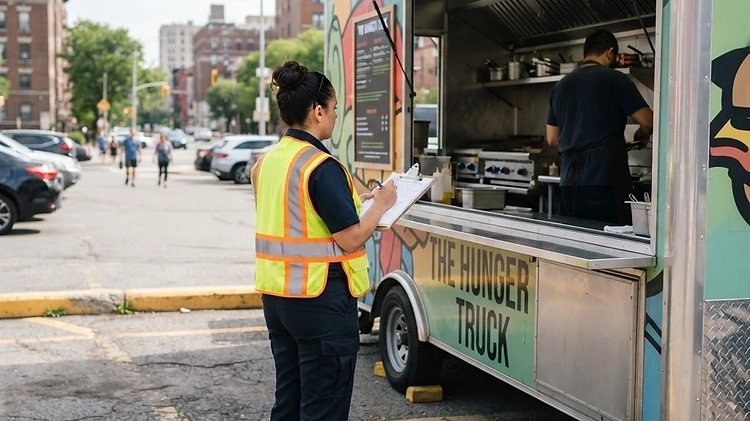
\n\nIn Texas, the passage of House Bill (HB) 2844 introduces sweeping changes effective July 1, 2026. The Texas Department of State Health Services (DSHS) will now issue statewide Mobile Food Vendor (MFV) licenses, replacing the fragmented local health department system. Vendors will be categorized into Type I, II, or III based on their food preparation risks. Type III vendors (those cooking and serving raw proteins) will face the strictest commissary requirements. Meanwhile, in California, the Department of Housing and Community Development (HCD) continues to enforce strict insignia requirements, and counties like Los Angeles mandate detailed Mobile Food Facility Route Sheets. These route sheets must list the complete address, telephone number, and arrival/departure times for every location the trailer operates, ensuring health inspectors can locate the unit at any time.\n\n## How to Secure a Compliant Commissary Agreement\n\nFinding the right commissary involves more than just renting kitchen space; it requires finding a facility equipped to handle mobile units. You need a location with dedicated grey water dumping stations, grease trap access, and high-capacity fresh water hoses.\n\n

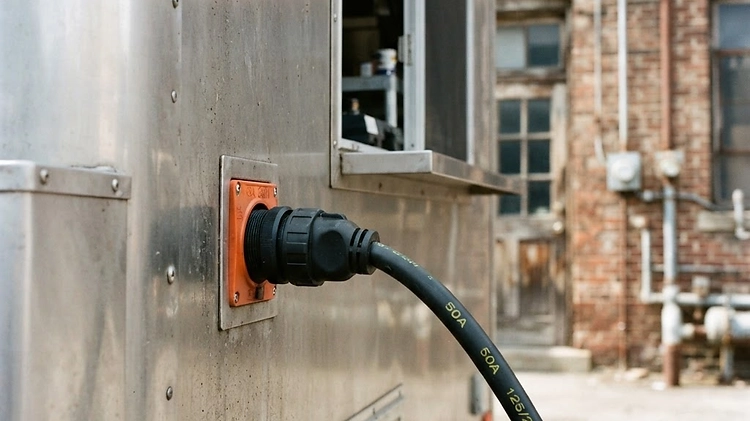
\n\nWhen evaluating potential commissaries, ensure they offer secure overnight parking with electrical hookups (shore power) to keep your refrigerators running without relying on generators. This is especially important if you operate a high-capacity unit like the 8.5x20 Blackout BBQ Trailer or the FT27 77-inch Food Vending Trailer. The commissary must sign an official health department form verifying that you have access to their facilities. Be prepared to pay monthly fees ranging from $500 to $1,500 depending on your market and usage requirements.\n\n## Mastering Mobile Food Facility Route Sheets\n\nRoute sheets are no longer an afterthought; they are a primary enforcement tool for health inspectors. If an inspector attempts to visit your trailer based on your route sheet and you are not there, you can face severe fines or permit suspension.\n\nTo manage this, many vendors use digital route tracking systems or approved social media updates (where permitted by local laws) to keep their schedules accurate. If you are operating trailers for sale in California, specifically in LA County, you must submit an updated route sheet whenever your schedule changes. Consistency is key. Plan your routes to allow for adequate travel time back to the commissary for mandatory cleaning and restocking.\n\n## Key Specifications for Commissary-Compliant Trailers\n\nYour trailer must be built to interface seamlessly with your commissary. This means having the correct plumbing connections and tank sizes. For a deep dive into these specs, review our Food Trailer Plumbing & Water Systems: 2026 Compliance Guide and our Food Trailer Waste Water Tank Sizing & Health Department Compliance Guide.\n\nAdditionally, your electrical systems must be compatible with the commissary's shore power. Learn more in our Food Trailer Electrical Panel Sizing & Generator Power Guide. Proper ventilation and fire safety are also checked during commissary inspections; see our Food Trailer Fire Suppression Systems and Type 1 Hood Ventilation Guide for details. Finally, ensure your interior layout meets commercial standards by consulting our Concession Trailer Layout and Equipment Planning Guide and the Mobile Kitchen Trailer Utilities Guide: Electrical, Plumbing, and Ventilation Setup.\n\n## Bottom Line\n\nNavigating commissary agreements and route sheets is a foundational step in launching and maintaining a successful mobile food business in 2026. By understanding state-specific laws like Texas HB 2844 and California's route sheet mandates, you can avoid costly fines and operational downtime. Ready to upgrade your mobile kitchen? Explore our complete inventory at the Prime Trail Trailers Shop or visit our Guides Hub for more expert advice.
Shop Related Trailers
FAQ
Have Questions? We're Here to Help
Still unsure which trailer fits your needs, or need specs, pricing or delivery advice? The Prime Trail Trailers team is ready to answer your questions and help you find the right rig.