
What Size Trailer Do I Need? 2026 Dimensions & Capacity Guide
Discover the exact trailer size you need with our comprehensive 2026 dimensions and capacity guide. Learn how to match width, length, and height to your cargo.
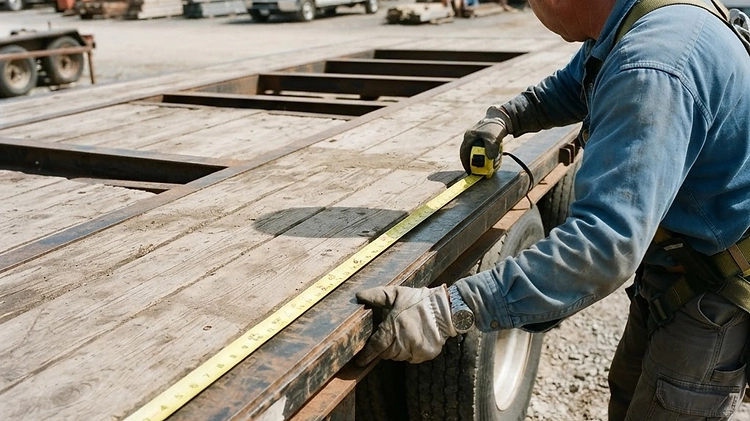
Finding the right trailer size is critical for safe towing, legal compliance, and efficient hauling. Whether you are moving a single ATV, a fleet of zero-turn mowers, or heavy construction equipment, choosing the correct dimensions ensures your cargo fits securely and your tow vehicle can handle the load. In this comprehensive guide, we break down standard trailer sizes, interior dimensions, and how to choose the perfect fit for your specific needs.
Understanding Standard Trailer Widths
The width of a trailer is one of the most important measurements to consider, as it dictates what you can haul and how the trailer handles on the road. Trailer widths are typically measured from the outside edges, but usable interior space will always be slightly less.
5-Wide to 6-Wide Trailers
Trailers measuring 5 to 6 feet wide are ideal for smaller loads. A 5-wide trailer (like a 5x8 or 5x10) is perfect for a single motorcycle, small landscaping tools, or general household hauling. They are easy to tow behind small SUVs and fit comfortably in most residential garages. Stepping up to a 6-wide trailer (such as a 6x10 or 6x12) provides enough interior width (around 5'10") to accommodate a single-axle ATV setup or two motorcycles.
7-Wide Trailers
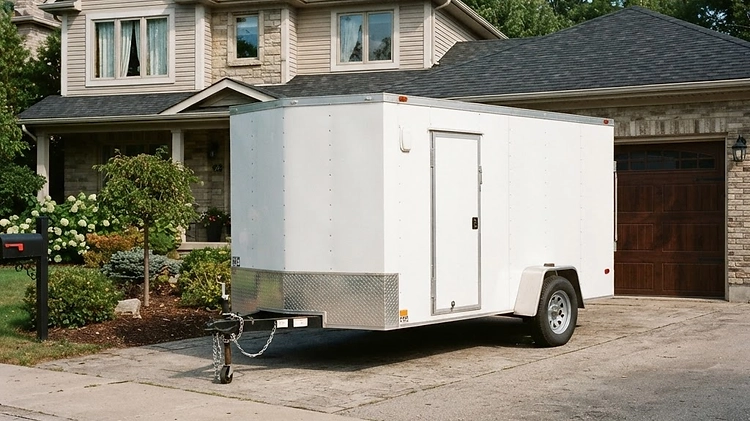
At 7 feet wide, you gain significant versatility. With an interior width of approximately 6'10", 7-wide trailers are the go-to choice for landscaping crews, contractors, and side-by-side UTV owners. A 7x14 or 7x16 trailer easily fits a zero-turn mower with room to spare for tools and supplies, making it a staple for commercial use.
8.5-Wide Trailers
When you need maximum deck width, an 8.5-wide trailer is the standard. These trailers are essential for hauling cars, trucks, and large construction equipment like skid steers or mini excavators. In enclosed models, an 8.5-wide trailer provides the necessary clearance to open car doors once loaded, though you should always verify the width between the wheel wells (often around 80 to 82 inches) for your specific vehicle.
Trailer Lengths and Cargo Capacity
Trailer length directly impacts how much cargo you can carry and how the trailer maneuvers. Lengths vary drastically by trailer type, from compact 8-foot utility trailers to massive 40-foot goosenecks.
Short to Medium Lengths (8' to 16')
Shorter trailers are highly maneuverable and perfect for tight job sites or residential areas. An 8-foot to 12-foot utility or enclosed trailer is excellent for ATVs, small furniture moves, or basic contractor tools. Moving up to 14 or 16 feet allows for tandem axles, which increases payload capacity and stability, making them ideal for multi-mower landscaping setups or small construction materials.

Long Haulers (20' to 40'+)
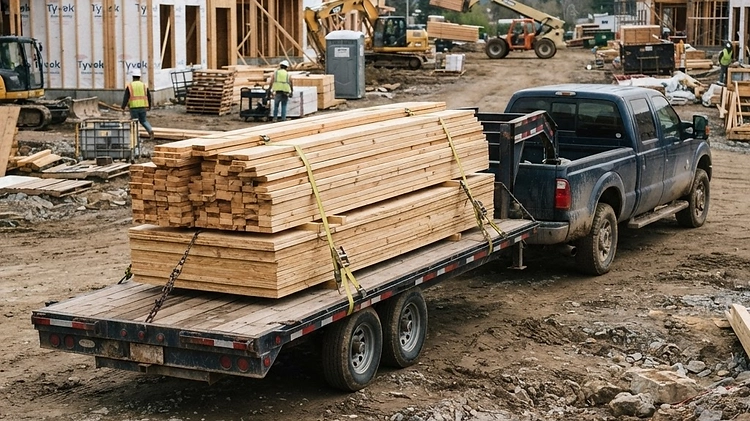
For heavy-duty commercial hauling, longer trailers are required. Car haulers typically range from 18 to 24 feet, providing enough deck space for the vehicle and proper weight distribution. Gooseneck and flatbed trailers often span 20 to 40 feet, designed to transport heavy machinery, multiple vehicles, or oversized materials like lumber and pipe. Remember that longer trailers require a tow vehicle with a longer wheelbase for stability and a higher towing capacity.
Height Clearances and V-Nose Benefits
When selecting an enclosed trailer, interior height and front-end design are crucial factors that are often overlooked until it's time to load.
Interior Height and Door Clearance
Standard enclosed trailers usually offer an interior height of around 6 to 7 feet. However, the rear door opening will always be shorter than the interior height—often by 6 to 8 inches due to the door spring mechanism. If you are loading a tall UTV or a lifted golf cart, you may need to order a trailer with "extra height" (e.g., 7'6" or 8' interior) to ensure the roll cage clears the rear door opening.
The V-Nose Advantage
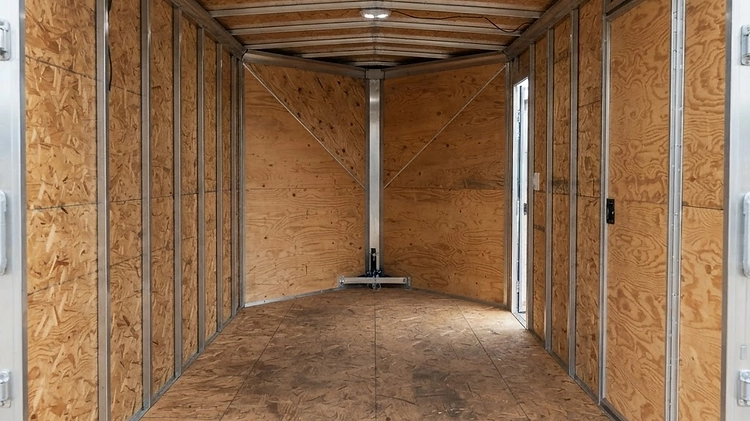
Many modern enclosed trailers feature a V-nose design rather than a flat front. A V-nose cuts through the wind better, potentially improving fuel economy, but its biggest advantage is added space. A V-nose typically adds about 2 feet of usable interior length in the center. For example, a 7x14 V-nose trailer actually provides roughly 16 feet of interior length down the middle, offering valuable extra room for tools, cabinets, or a workbench.

Matching Trailer Size to Your Tow Vehicle
Selecting the right trailer size isn't just about the cargo; it's also about your tow vehicle's capabilities. Always check your vehicle's Gross Combined Weight Rating (GCWR) and maximum towing capacity. A larger trailer not only weighs more empty (curb weight) but also encourages heavier loading. Ensure your truck can safely handle the fully loaded weight of the trailer size you choose, and consider upgrading to a weight distribution hitch for trailers over 5,000 lbs.
Bottom Line
Choosing the right trailer size requires balancing your current cargo needs, future hauling plans, and your tow vehicle's capacity. Whether you need a nimble 5x8 utility trailer for weekend projects or a heavy-duty 8.5x32 gooseneck for commercial transport, understanding standard dimensions ensures you make a smart investment. Ready to find your perfect fit? Browse our extensive inventory of utility trailers and enclosed trailers to see these sizes in person, or check out our guides hub for more expert advice.
FAQ
Have Questions? We're Here to Help
Still unsure which trailer fits your needs, or need specs, pricing or delivery advice? The Prime Trail Trailers team is ready to answer your questions and help you find the right rig.