
How to Choose the Right Car Hauler Trailer: Open vs. Enclosed, Sizes, and Capacity Guide
Discover how to choose the perfect car hauler trailer with our comprehensive guide covering open vs. enclosed models, sizing, weight capacity, and key features.

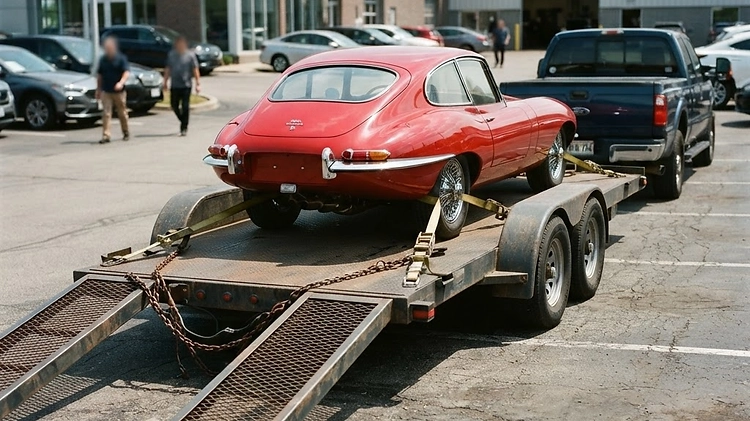
Whether you are transporting a classic muscle car to a show, hauling a track car for a weekend race, or moving inventory for a dealership, choosing the right car hauler trailer is critical. The stakes are high when moving valuable vehicles, and the wrong trailer can lead to difficult loading, poor towing stability, or even damage to your cargo. This comprehensive guide breaks down everything you need to know to select the perfect car hauler for your specific needs, ensuring safe and efficient transport every time. ## Open vs. Enclosed Car Haulers: Which is Right for You?
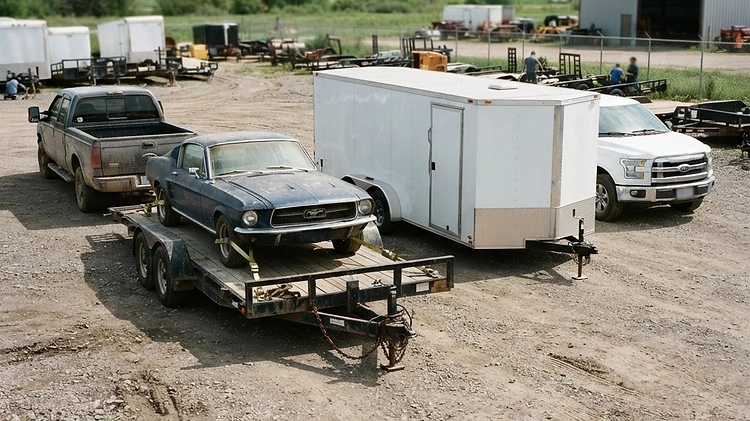
The first major decision when shopping for a car hauler is choosing between an open and an enclosed design. Each offers distinct advantages depending on your budget, tow vehicle, and the level of protection your cargo requires. Open car haulers are the most common and cost-effective option. They feature a flat deck, typically made of steel or wood, and utilize ramps or a tilt mechanism for loading. Because they lack walls and a roof, open trailers are significantly lighter, making them easier to tow and maneuver. They also offer better visibility while driving and are generally more affordable, with prices often ranging from $5,000 to $8,000. However, they leave your vehicle exposed to weather, road debris, and potential theft. Enclosed car haulers provide the ultimate protection for high-value, classic, or exotic vehicles. With a fully enclosed body, these trailers shield your car from rain, snow, hail, UV rays, and rock chips. They also offer a secure, lockable environment, which is invaluable for overnight stops. The trade-off is that enclosed trailers are heavier, require a more capable tow vehicle, and are more expensive, often starting around $10,000 to $15,000. Additionally, you must carefully consider interior dimensions to ensure you can comfortably open your car doors once loaded. | Feature | Open Car Hauler | Enclosed Car Hauler | | :--- | :--- | :--- | | Cost | Lower ($5k - $8k) | Higher ($10k - $15k+) | | Weight | Lighter (Easier to tow) | Heavier (Requires larger tow vehicle) | | Protection | Minimal (Exposed to elements) | Maximum (Weather and theft protection) | | Visibility | Excellent rear visibility | Limited (Requires good towing mirrors) | | Versatility | Great for oversized/wide loads | Limited by interior walls and height | ## Sizing Your Car Hauler: Length and Width Requirements Getting the size right is crucial for both safety and usability. A trailer that is too small will be impossible to load, while one that is unnecessarily large will be cumbersome to tow and store. For a single standard vehicle, a 16 to 20-foot trailer is typically ideal. A 16-foot trailer works well for compact cars and smaller sports cars, but a 20-foot trailer provides extra deck space for adjusting the car's position to achieve the perfect tongue weight, as well as room for tie-down straps and toolboxes. If you plan to haul larger trucks, SUVs, or multiple vehicles, you will need to look at 24-foot or longer options. You can learn more about multi-vehicle transport in our Two Car Trailer Guide: Capacity, Length, and Loading Tips. Width is equally important. Most standard car haulers have a deck width of 82 to 84 inches between the fenders. If you are hauling a wide track car, a dually truck, or a vehicle with a low stance, you may need a deckover trailer or a model with drive-over fenders to accommodate the extra width. Always measure your vehicle's outside tire-to-tire width and compare it to the trailer's usable deck space. ## Weight Capacity and GVWR Considerations

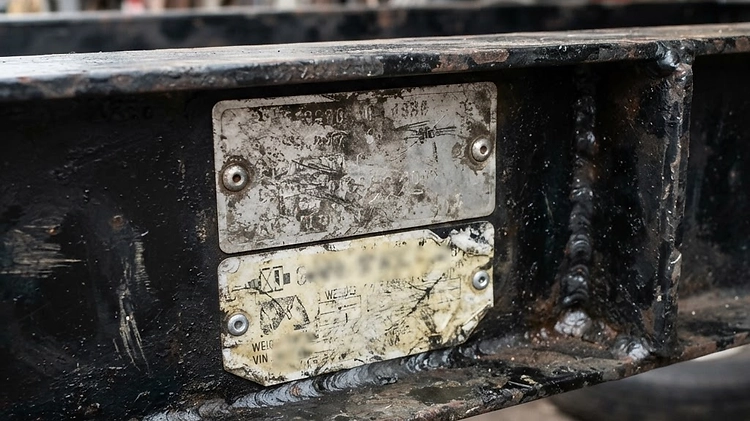
Understanding weight ratings is non-negotiable when selecting a car hauler. Every trailer has a Gross Vehicle Weight Rating (GVWR), which is the maximum allowable weight of the trailer fully loaded (the weight of the trailer itself plus the payload). To determine how much car you can haul, you must subtract the trailer's empty weight from its GVWR. For example, if you purchase a 10,000 lb GVWR trailer that weighs 2,500 lbs empty, your maximum payload capacity is 7,500 lbs. Most standard car haulers come with tandem 3,500 lb or 5,200 lb axles, providing GVWRs of 7,000 lbs and 10,400 lbs, respectively. If you are hauling heavy diesel trucks or armored vehicles, you may need to upgrade to tandem 7,000 lb axles. It is also vital to ensure your tow vehicle is rated to handle the fully loaded weight of the trailer. For more details on matching your truck to your trailer, visit our comprehensive guides hub. ## Key Features to Look For in a Car Hauler Beyond size and weight, specific features can drastically improve your hauling experience. When browsing car haulers for sale, pay close attention to the loading mechanism. Traditional slide-in or fold-up ramps are standard, but they can be heavy and require manual labor. A gravity or hydraulic tilt deck eliminates the need for ramps entirely, allowing the entire bed to angle down for seamless loading. This is especially beneficial for low-clearance vehicles. Check out our inventory of tilt trailers to see these in action, such as the 2027 PJ T6 7x20 Gooseneck Gravity Tilt Equipment Trailer. Tie-down points are another critical feature. Look for recessed D-rings welded directly to the frame, ideally positioned at all four corners of the deck. Some premium trailers offer full-length E-track or airline track systems for maximum tie-down flexibility. If you opt for an enclosed trailer, an escape door (a large side door that opens upward) is a game-changer, allowing you to easily open your car door and step out after driving it into the trailer. ## Material Choices: Steel vs. Aluminum Frames


The construction material of your car hauler impacts its longevity, weight, and price. Steel trailers are the industry standard. They are incredibly strong, durable, and generally more affordable upfront. However, steel is heavy, which reduces your available payload capacity, and it is susceptible to rust and corrosion over time, especially if you live in areas that use road salt. Aluminum trailers are the premium alternative. They are significantly lighter than steel—often by 20% to 30%—which increases your payload capacity and improves your tow vehicle's fuel efficiency. Aluminum also naturally resists rust, making it an excellent long-term investment. The primary downside is the higher initial purchase price. If you are operating a transport business and looking for trailers for sale in Texas or specifically Dallas, TX, the weight savings of aluminum can quickly pay for itself in fuel savings over thousands of highway miles. ## Bottom Line Choosing the right car hauler requires balancing your budget, your tow vehicle's capabilities, and the specific needs of the vehicles you plan to transport. Whether you decide on a lightweight open aluminum trailer for weekend track days or a heavy-duty enclosed hauler for a classic car collection, prioritizing proper sizing, adequate weight capacity, and high-quality construction will ensure years of reliable service. Ready to find your perfect car hauler? Browse our complete shop inventory or explore specific models like the 2027 Horizon HET 8.5x20 Gravity Tilt Equipment Trailer to see the latest features and capacities available.
Shop Related Trailers
FAQ
Have Questions? We're Here to Help
Still unsure which trailer fits your needs, or need specs, pricing or delivery advice? The Prime Trail Trailers team is ready to answer your questions and help you find the right rig.