
How to Get More Value From Dump Trailer Sales
Buying a dump trailer is not just about finding the lowest price. Learn how to compare size, payload, features and dealer support so your trailer pays off on every job.
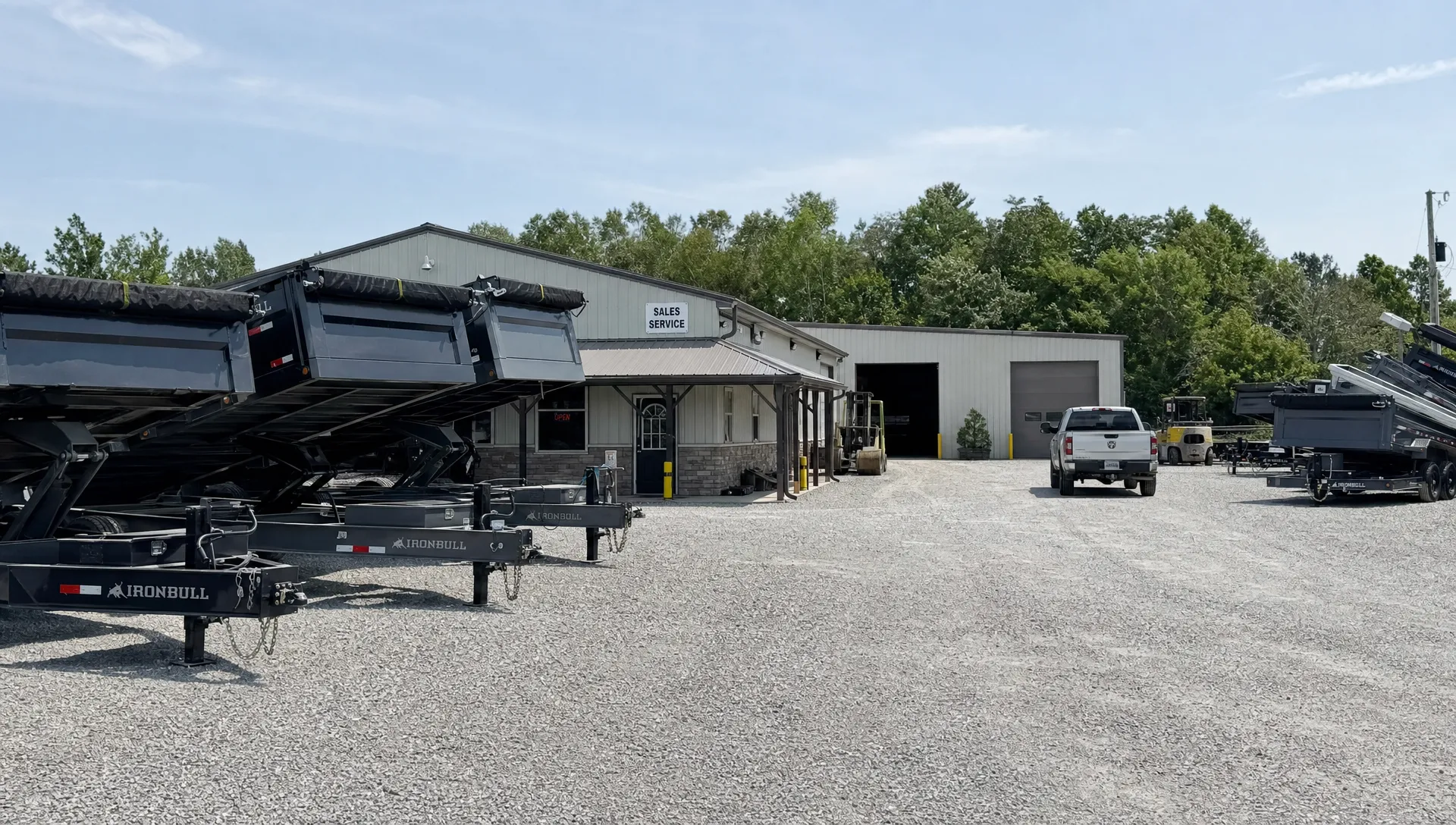
Getting real value from dump trailer sales starts before you compare price tags. For contractors, roofers, landscapers, farmers and property owners, a dump trailer is a revenue tool, not just a piece of equipment sitting in the yard. The best purchase is the one that carries your actual loads, unloads efficiently, matches your tow vehicle and stays productive long after the sale.
A low advertised price can be appealing, especially if you are shopping quickly for a job that starts soon. But the lowest price is not always the lowest cost. A trailer that is undersized, hard to load or poorly matched to your hauling routine can cost more through extra trips, downtime and faster wear. Value comes from choosing the right configuration the first time.
Compare dump trailer sales by the value you get after purchase
Many buyers start by asking, “What is the cheapest dump trailer I can buy?” A better question is, “Which trailer will make my work easier, faster and more dependable?” That shift changes how you evaluate every option.
A useful dump trailer sales comparison looks beyond sticker price and considers payload, bed size, side height, axle setup, hydraulic system, gate style, ramps, brakes, tires and dealer support. Two trailers can look similar in photos but perform very differently once you load them with gravel, roofing tear-off, mulch, firewood, demolition debris or farm supplies.
Think about the trailer’s working life. If a slightly more capable model saves one trip per day, handles heavier material without strain or reduces manual unloading, the practical return can outweigh the price difference. For commercial buyers, that matters because the trailer needs to support daily work, not just satisfy a one-time purchase.
Start with the work you do most often
The right dump trailer depends on what you haul, how often you haul it and where you need to dump. A landscaper moving mulch through residential neighborhoods has different needs than a roofer hauling shingles from tear-offs or a builder hauling demolition debris from tight job sites.
Before shopping, write down your most common loads and your heaviest occasional loads. Include the material type, average volume, estimated weight, loading method and unloading location. This gives you a practical baseline when comparing trailers.
For many contractors, dump trailer sales become easier to evaluate when the work is grouped into common use cases:
- Landscaping and property maintenance: Mulch, topsoil, brush, limbs, plants, small equipment and yard waste often require good volume, practical side height and easy unloading.
- Roofing and remodeling: Shingles, lumber, drywall, siding and demolition debris call for strong floors, dependable hydraulics and a gate system that handles bulky waste.
- Construction and excavation support: Gravel, sand, concrete chunks and heavy debris make payload rating, axle capacity and brake condition especially important.
- Farm and ranch hauling: Feed, fencing supplies, manure, firewood and general materials may require higher sides, rugged construction and good access for loading equipment.
If you regularly haul compact, dense materials such as stone, wet soil or concrete, payload capacity becomes more important than bed volume. If your loads are lighter but bulky, such as brush or packaging debris, side height and usable cubic space may matter more.
Know the specs that actually affect value
Dump trailers have a lot of numbers attached to them, but not every spec carries the same weight for every buyer. The goal is to focus on the numbers that affect safety, productivity and long-term usefulness.
| Buying factor | Why it affects value | What to check before buying | |---------------|----------------------|-----------------------------| | GVWR | Shows the maximum rated trailer weight when loaded | Match the rating to your payload needs and tow vehicle limits | | Payload capacity | Determines how much cargo you can legally and safely haul | Confirm the listed payload, not just axle size or trailer weight | | Bed size | Affects volume, equipment fit and jobsite access | Compare length, width and side height against common loads | | Axles and brakes | Influence stability, stopping power and maintenance | Look at axle rating, brake type and overall condition | | Hydraulic system | Controls lifting performance and dump reliability | Inspect cylinder, pump, wiring, battery and controls | | Gate style | Changes how easily material exits the bed | Consider barn doors, spreader gates or combo gates based on material | | Ramps and tie-downs | Add versatility for small equipment hauling | Check ramp rating, storage, angle and anchor locations |
A buyer looking only at bed length may miss the detail that truly affects the job. A 12-foot trailer with the right payload and high sides can be more useful for some businesses than a longer trailer that is harder to maneuver or too heavy for the truck.
When reviewing dump trailer sales, always compare the loaded trailer weight against your tow vehicle’s rated towing capacity, hitch rating and brake controller setup. The safest trailer is one that fits the entire towing system, not just the load you hope to carry.
Avoid buying too small, but do not overbuy either
Undersizing is one of the most common ways buyers lose value. If the trailer is too small, crews make extra trips, overload the bed or spend too much time arranging material. That wears down equipment and labor budgets.
Overbuying creates a different problem. A trailer that is much larger or heavier than your work requires may cost more to purchase, tow, store and maintain. It can also be awkward in tight residential spaces, narrow farm lanes or crowded job sites.
A compact high-side model can be a strong fit for contractors and property owners who need maneuverability with useful carrying capacity. For example, Prime Trail Trailers lists options such as a 6 x 12 high-side dump trailer for buyers comparing smaller jobsite and residential hauling needs. For heavier commercial work, a larger model such as a 7 x 14 Pro Series dump trailer may be a better comparison point.
The key is to match the trailer to the work you do weekly, then leave enough margin for growth or occasional heavier jobs. Buying only for the rare maximum load can waste money, but buying only for the lightest daily load can limit your operation.
New vs used: where the real savings are
New trailers appeal to buyers who want a clean starting point, current features and fewer unknowns. Used trailers can deliver strong value if they were maintained well and inspected carefully. Both can be smart purchases depending on your budget, timeline and tolerance for repairs.
In used dump trailer sales, the inspection matters as much as the price. Look closely at the frame, welds, dump bed, floor, crossmembers, gate hinges, tires, suspension, lighting, brakes and hydraulic lift components. Surface rust is different from structural corrosion, and a clean paint job is not a substitute for a careful look underneath.
Hydraulic condition deserves special attention. A dump trailer with weak lifting performance, battery problems or damaged wiring can become frustrating quickly. Test the lift cycle if possible, listen for pump strain and look for leaks around the cylinder and hoses. Also confirm that the title, VIN plate and rated capacities are clear and consistent.
New buyers should still inspect details before purchase. Confirm that the bed size, GVWR, payload, hitch type and included features match the listing. Ask questions before reserving or buying so there are no surprises when the trailer arrives or when you put it to work.
Think through gates, sides and loading access
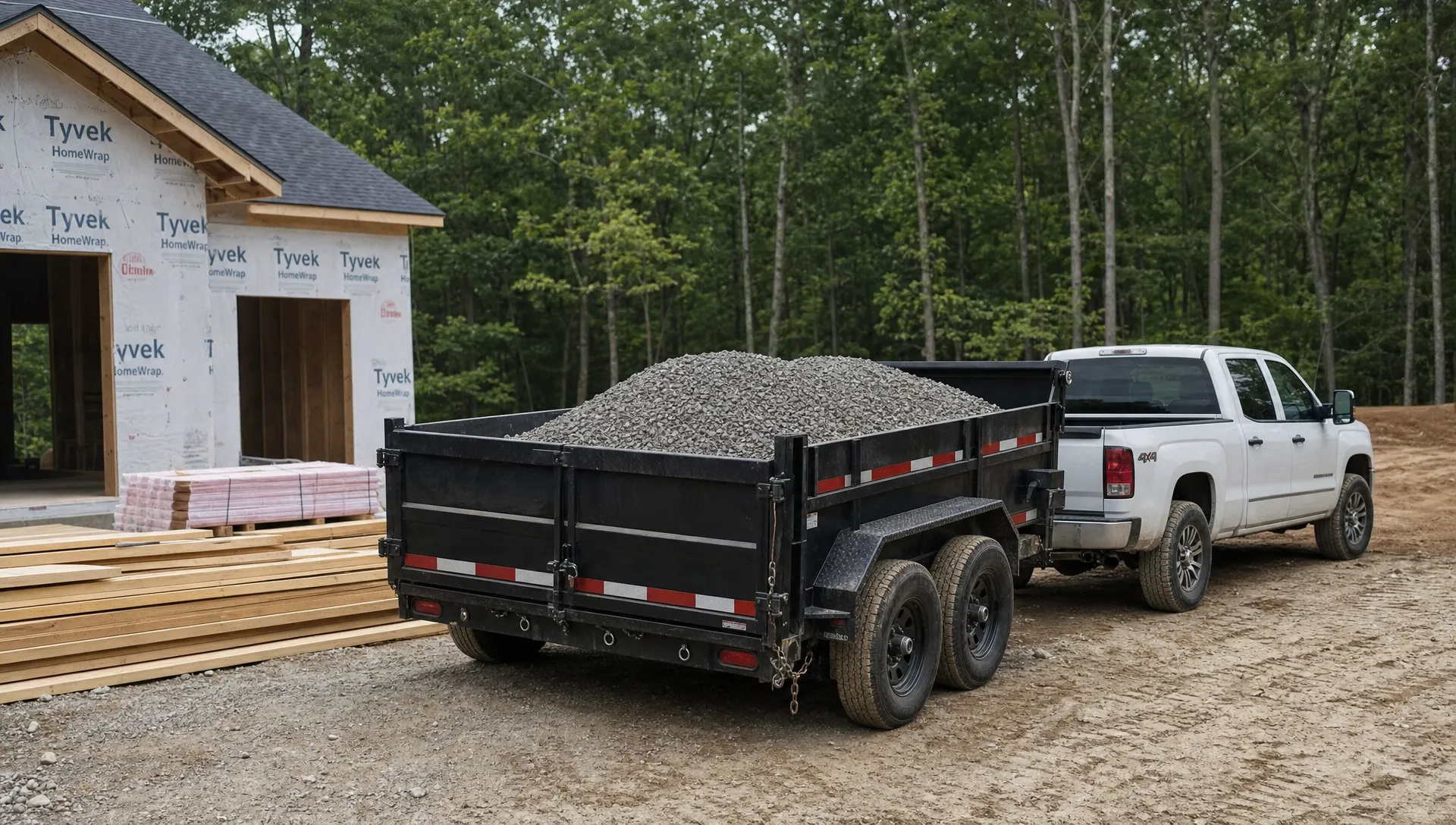
Gate style can make a trailer feel efficient or frustrating. A spreader gate helps control loose material such as gravel or topsoil. Barn doors can improve access when dumping bulkier debris. Combo gates can add flexibility for buyers who haul different materials throughout the week.
Side height also affects value. Higher sides increase volume and help contain brush, roofing debris and loose material, but they can make side loading more difficult by hand. Lower sides may be easier to work over, especially for landscaping crews loading tools, debris or smaller equipment.
Strong dump trailer sales decisions account for the way the trailer will be loaded. If you use a skid steer, compact tractor or mini excavator, ramp strength, ramp angle and deck height matter. If crews load by hand, side height, gate operation and bed access may be more important than maximum capacity.
Do not treat these as minor convenience features. The right gate and side configuration can save time every single day, especially for crews that load and unload multiple times per shift.
Match your dump trailer to the rest of your fleet
A dump trailer rarely works alone. It has to fit your trucks, your storage area, your jobsite routes and the other trailers or equipment in your operation. Fleet fit is one of the simplest ways to get more value from a purchase.
Check hitch type, coupler height, brake controller compatibility, plug style, tire size and parking space before buying. If multiple employees may tow the trailer, make sure your trucks are properly rated and equipped. A trailer that only one truck can safely pull may limit scheduling flexibility.
Agricultural buyers may also be comparing several hauling tools at the same time. If your operation moves both bulk material and animals, it can help to compare dump options alongside purpose-built livestock trailers for sale so each trailer is matched to the job rather than pushed into work it was not built to do.
The same logic applies to construction and landscaping businesses. A dump trailer may pair with an equipment trailer, enclosed trailer or flatbed utility trailer. If you need several trailer types for daily operations, Prime Trail Trailers makes it easier to compare trailer categories and current inventory in one place.
Ask better questions before you buy
The most valuable buyers are not the ones who ask the most questions. They are the ones who ask the right questions early enough to avoid a mismatch.
Before committing to a trailer, ask about the exact GVWR, estimated payload, bed dimensions, side height, hitch type, axle configuration, brake setup, gate style and included equipment. If you are buying used, ask what inspection has been completed and whether there are known issues with hydraulics, lighting, tires, brakes or title paperwork.
Good dump trailer sales conversations should also include your tow vehicle and workload. A dealer cannot recommend the right option if the only detail you provide is “I need a dump trailer.” Share the materials you haul, the equipment you use to load it, the truck you tow with and whether you need residential maneuverability or heavy commercial capacity.
Prime Trail Trailers focuses on helping buyers compare trailer types and specifications, request assistance and review available units online. That is valuable when you are balancing price, capacity and timeline before making a purchase.
Red flags that reduce trailer value
Some deals look attractive until you inspect the details. A low price may hide repairs, missing paperwork or a configuration that does not match your work.
Watch for these warning signs:
- Missing or unclear VIN and title details
- Listed capacity that does not match the data plate
- Bent frame sections, cracked welds or damaged crossmembers
- Hydraulic leaks, weak lift action or inconsistent controls
- Tires with uneven wear, dry rot or insufficient load rating
- Nonworking brakes, lights or breakaway system
- Heavy rust around structural components
- Gates that do not latch cleanly or hinges with excessive wear
None of these automatically means you should walk away, but each one affects value. If repairs are needed, factor parts, labor and downtime into the real purchase cost.
Frequently Asked Questions
What is the best way to compare dump trailer sales? Compare the trailer’s real working value, not just the advertised price. Look at payload, GVWR, bed size, hydraulics, gate style, brake condition, tow vehicle fit and dealer support.
Is a bigger dump trailer always better? No. A larger trailer may carry more volume or weight, but it can cost more to tow, store and maneuver. The best size is the one that handles your regular loads with safe capacity and practical jobsite access.
Should I buy a new or used dump trailer? Buy new if you want fewer unknowns and a clean starting point. Consider used if the trailer is priced fairly, inspected carefully and still matches your hauling needs. Always check hydraulics, brakes, tires, frame condition and paperwork.
What size dump trailer is best for contractors? It depends on the work. Residential landscapers may prioritize maneuverability and high sides, while roofers and builders may need more payload and stronger debris-handling features. Match the trailer to your most common load, not just the largest load you can imagine.
Can Prime Trail Trailers help me choose a dump trailer? Yes. Prime Trail Trailers offers online inventory, transparent trailer specifications and sales assistance so buyers can compare available options and request guidance before purchasing or reserving a unit.
Get more value from your next dump trailer purchase
The best value in dump trailer sales comes from matching the trailer to the work, the tow vehicle and the way your crew actually operates. Price matters, but payload, durability, hydraulics, gate design, access and dealer support determine how useful the trailer will be after it leaves the lot.
If you are comparing new or used dump trailers for commercial, agricultural or personal hauling, browse available trailers at Prime Trail Trailers or contact the team for help choosing the right fit. Request pricing or availability today so you can move from shopping to hauling with confidence.
Have Questions? We're Here to Help
Still unsure which trailer fits your needs, or need specs, pricing or delivery advice? The Prime Trail Trailers team is ready to answer your questions and help you find the right rig.